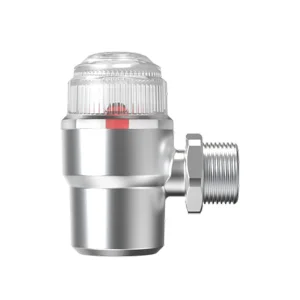
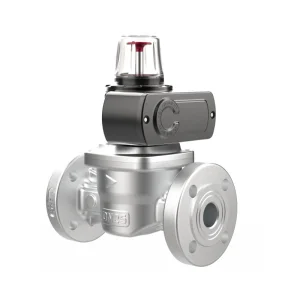
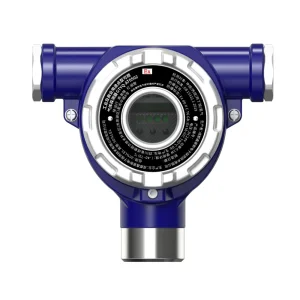
Engineered for extreme environments, delivering zero-blind-spot coverage and high-speed detection under JIS & international safety frameworks.
As the primary economic heart of Western Japan, the Osaka and Kansai region hosts major heavy industrial clusters, ranging from the massive Sakai-Senboku Coastal Petrochemical Zone to modern advanced electronics cleanrooms and maritime shipping terminals. These facilities handle large inventories of crude oil, LNG, liquefied hydrogen, chemical solvents, and combustible dust. In these high-risk areas, traditional thermal or smoke detectors fall short, failing to detect sudden combustion events in time to prevent catastrophic losses. Optical flame detection, specifically utilizing multi-spectral infrared (IR) and ultraviolet (UV) technologies, has become the benchmark standard for high-speed fire mitigation.
Furthermore, as Osaka shifts toward sustainable technologies under the Kansai Carbon Neutral Initiative, hydrogen storage, transport, and fueling infrastructures are scaling rapidly. Hydrogen burns with a nearly invisible flame in daylight, emitting no soot and minimal thermal radiation. Detecting hydrogen fires requires specialized UV and multi-infrared detectors configured to monitor the unique emission spectra of water vapor produced during hydrogen combustion, rather than carbon dioxide. We supply and manufacture detectors specifically calibrated to address these modern energy hazards in the Osaka market.
Modern industrial operations require a balance between high sensitivity and absolute immunity to false alarms. The technical roadmap of optical flame detection has evolved across three key architectures to meet this need:
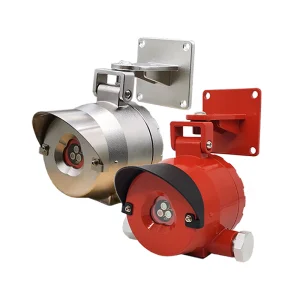
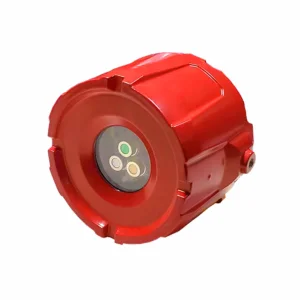
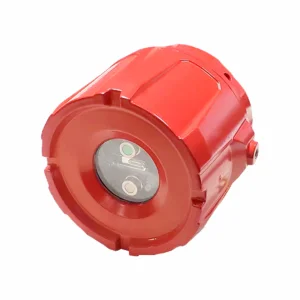
1. Triple Infrared (3IR) Technology: 3IR systems, such as the OEM FD1020 Triple Infrared Flame Detector, operate by analyzing three distinct spectral bands within the infrared spectrum (typically around 4.4 micrometers for the carbon dioxide emission peak, with reference channels at 3.8 and 5.0 micrometers). By comparing the relative signal intensities and analyzing the characteristic flicker frequency of flames, 3IR detectors filter out common non-fire radiation sources like direct sunlight, arc welding, artificial illumination, and high-temperature blackbody radiators. This makes them ideal for outdoor fuel loading docks, petrochemical storage, and waste processing plants.
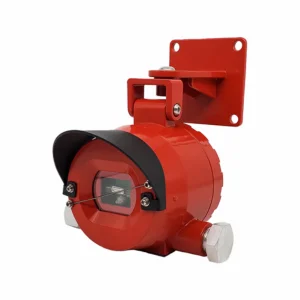
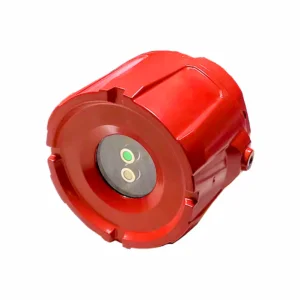
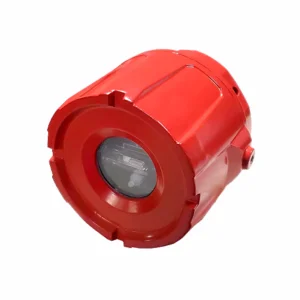
2. Ultraviolet and Infrared (UV/IR) Hybrid Technology: By combining a solar-blind UV sensor (operating in the 185-260 nm band) with an IR sensor, hybrid systems like the High-Quality IFD2020 Dual IR-UV Flame Detector require simultaneous signals from both spectra to trigger an alarm. The UV sensor provides extremely fast response times (often in milliseconds), while the IR sensor confirms the presence of combustion, eliminating false alarms caused by lightning, X-rays, or localized hot objects. This dual-verification method is widely used in high-speed ammunition lines, engine test cells, and hydrogen production facilities.
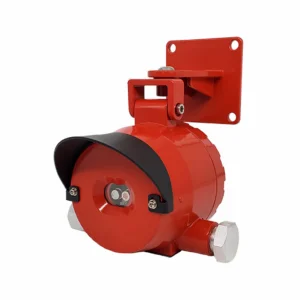
3. Advanced Digital Diagnostics & Real-Time Optical Path Sampling: To prevent blind spots caused by dust accumulation, oil films, or condensation on the detector window, Xinhaosi’s premium models (such as the IFD2020 series for Real-Time Optical Path Sampling) feature automated optical self-testing. A built-in infrared emitter regularly pulses through the lens to a dedicated receiver, confirming that the window is clean and the sensor remains fully operational. If the optical path is obscured, a fault warning is immediately transmitted to the control room, reducing the need for manual inspection by up to 40%.
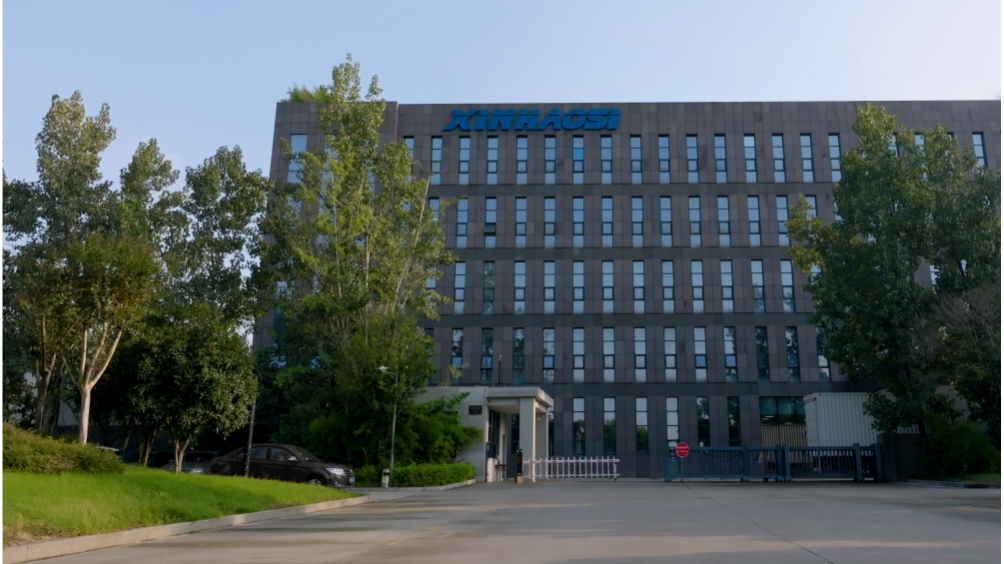
Founded in 2003, Xinhaosi is an influential manufacturer in the global gas safety and flame detection industries. Over the past two decades, we have established a robust system that integrates cutting-edge R&D, high-capacity automated manufacturing, global technical support, and flexible OEM/ODM options. Our diversified product portfolio covers industrial and residential gas detection systems, explosion-proof sound & light alarms, industrial solenoid valves, and urban gas pipeline network monitoring systems—engineered to withstand harsh industrial environments.
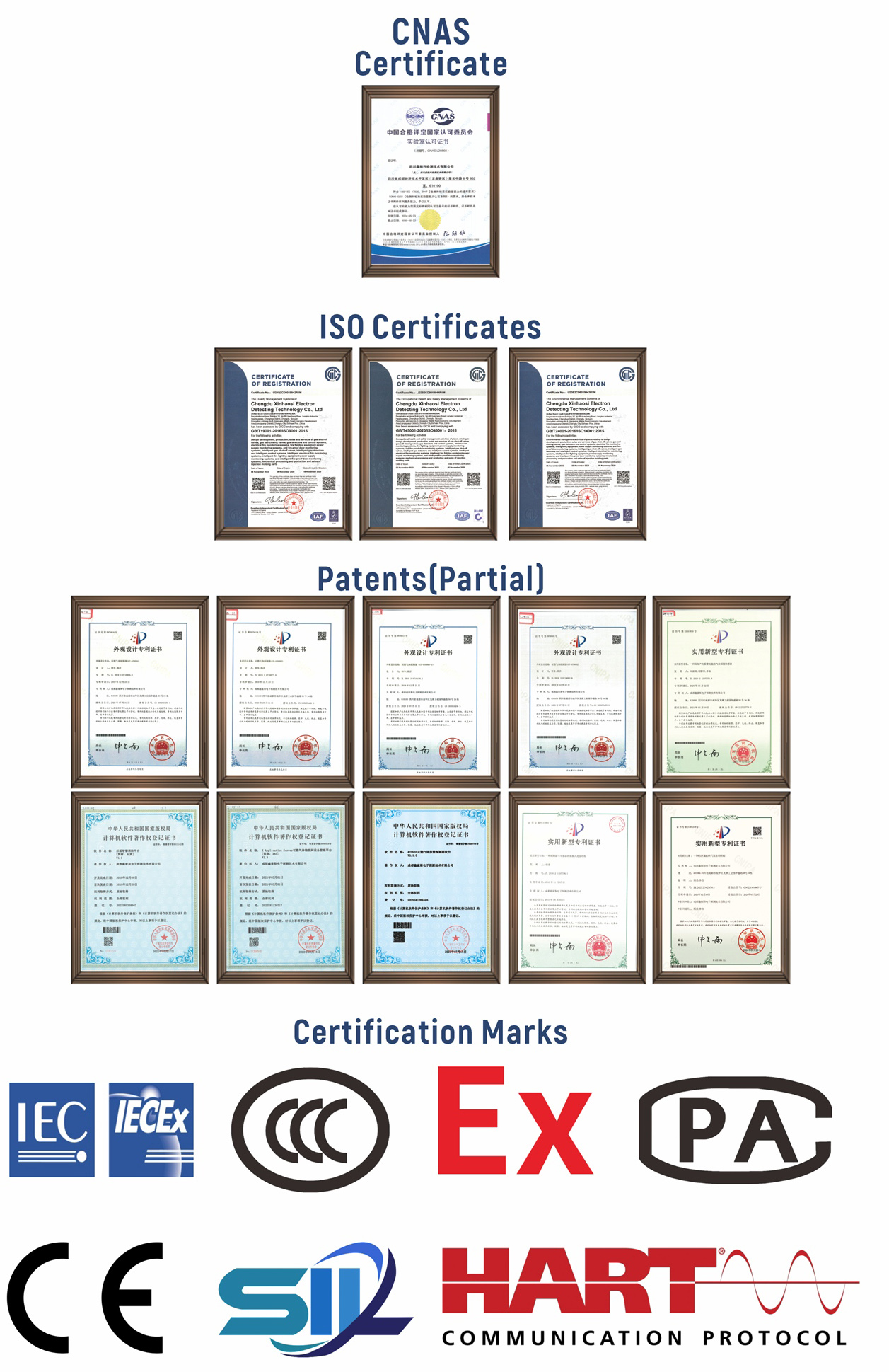
Our manufacturing and R&D operations are supported by a CNAS-Accredited laboratory (accredited under the ILAC-MRA framework and operating in accordance with ISO/IEC 17025 standards). This facility conducts trace calibration, temperature cycling, environmental testing, and explosion-proof testing. Our in-house developed graphical monitoring system enables predictive maintenance based on historical device telemetry, helping industrial plants reduce equipment failure rates by over 30%.
Different industrial environments face distinct combustion risks, requiring tailored detection configurations:
1. Sakai-Senboku Oil Refineries and LNG Storage: These facilities operate in atmospheres with persistent hydrocarbon vapors. Standard optical systems can trigger false alarms due to flickering reflections off sea water or hot pipes. We recommend installing Triple IR Flame Detectors (FD1020) along refinery perimeters, combined with Industrial Gas Solenoid Valves (CT-XF5 Series) integrated directly into the emergency shutdown (ESD) systems. This ensures immediate gas-source isolation upon flame confirmation.
2. Hydrogen Generation and Clean Energy Hubs: Hydrogen combustion lacks carbon atoms, meaning it produces zero carbon dioxide. Consequently, standard 3IR detectors configured for 4.4um CO2 bands will not detect a hydrogen fire. The solution requires a Dual IR-UV Flame Detector (IFD2020) or specialized UV-configured units. These sensors monitor the ultraviolet emission band alongside the specific infrared emissions of steam (around 2.7um), providing reliable detection at hydrogen fueling and storage facilities.
3. Kansai Electronics Cleanrooms and Battery Production: Lithium-ion battery manufacturing involves organic solvents and thermal runaway risks. Cleanrooms require fast-acting, non-intrusive detectors that integrate with ventilation systems to prevent toxic gas spread. High-sensitivity Single UV Flame Detectors provide fast response times within enclosed spaces, where outdoor light sources like solar radiation are not present to cause false alarms.
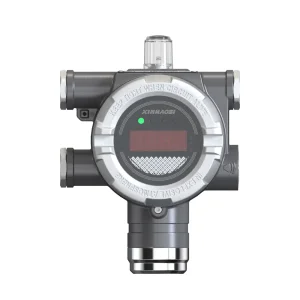
4. Urban Pipeline and Valve Stations: Urban gas distribution networks require low-maintenance, long-term stability. The installation of bus-type networked gas leak monitors and explosion-proof alarms ensures real-time reporting to municipal control centers, preventing leaks from escalating into fire hazards.
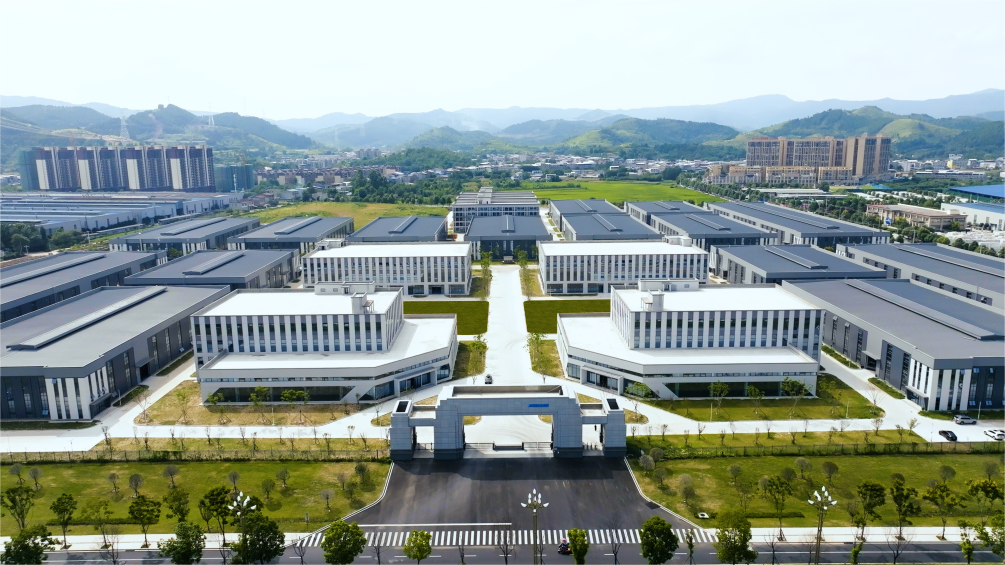
In today's global supply chain environment, industrial projects in the Kansai region demand short lead times, reliable quality control, and competitive pricing. Xinhaosi leverages Factory 4.0 principles across our Chengdu and Deyang manufacturing bases to address these challenges:
By using automated Surface Mount Technology (SMT) lines, robotic optical testing systems, and computerized calibration chambers, we maintain a consistent yield rate of over 99.8%. This vertical integration allows us to optimize raw material consumption and production cycle times, offering cost advantages without compromising technical performance.
For engineering firms and industrial distributors in Osaka, this manufacturing capability translates to reliable delivery times (typically 2-4 weeks, compared to the industry standard of 8-12 weeks for specialized optical sensors) and flexible OEM/ODM product customization. This ensures that field equipment meets specific system integration requirements.
Deploying flame and gas detectors in Japan requires compliance with strict safety standards. Industrial sites in the Osaka market operate under the High Pressure Gas Safety Act (高圧ガス保安法) and fire protection codes. All installed sensors must meet high explosion-proof standards, typically requiring Class I Division 1 or Zone 1 flameproof enclosures (Ex d IIC T6 Gb).
Our products are engineered to align with Japanese Industrial Standards (JIS) and international benchmarks, including IECEx, ATEX, and CE. Furthermore, our SIL2 (Safety Integrity Level 2) certifications confirm that our hardware and software architectures meet the required safety standards for safety instrumented systems (SIS) in chemical processing plants. Through close collaboration with Kansai-based engineering partners, we ensure that documentation, wiring, and Modbus/4-20mA integration comply with Japanese control panel requirements.
Two decades of continuous development in gas safety, optical detection, and automated manufacturing.
Comprehensive explosion-proof protection: from flame detection to gas monitoring and emergency shut-off valves.
Expert insights on optical parameters, installation safety, and regulatory compliance for Osaka industries.
Outdoor shipyards and ports in the Osaka Bay area are exposed to intense sunlight, reflections from the sea, and light from arc welding. Triple IR (3IR) detectors use three narrow-band infrared sensors. One sensor monitors the carbon dioxide emission band (4.4um), while the other two monitor reference bands (3.8um and 5.0um). A fire alarm is triggered only when the ratio of these bands matches the flicker frequency profile of a real fire, filtering out solar radiation and welding glare.
Hydrogen fires do not produce carbon dioxide, rendering standard 3IR detectors ineffective. The industry standard requires a hybrid UV/IR flame detector (such as the IFD2020 Dual IR-UV) or a specialized IR detector configured to monitor the 2.7um water vapor band generated by hydrogen combustion. The UV sensor detects the initial combustion, while the IR channel confirms the flame profile to prevent false alarms.
In dust-heavy industries like steel mills or wood processing plants, the detector's optical window can become obscured. Our optical path sampling system automatically tests window cleanliness by pulsing internal LEDs. If the window is dirty, it sends a maintenance alert rather than triggering a false alarm. This feature helps prevent blind spots and reduces manual maintenance inspections.
Yes. Our industrial detectors are designed to meet flameproof standards (Ex d IIC T6 Gb) and are housed in rugged, explosion-proof casings. They integrate with DCS and safety PLC systems via 4-20mA, Modbus RTU, or relay outputs, conforming to the safety frameworks required in Japan.
Leveraging our digital production line, standard configurations are dispatched within 7-14 days. Custom OEM/ODM requirements, including modified casings, local software integrations, or specific bracket fittings, are typically shipped within 21-30 days to the Osaka Port or Kansai Airport.