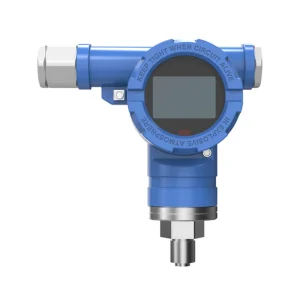
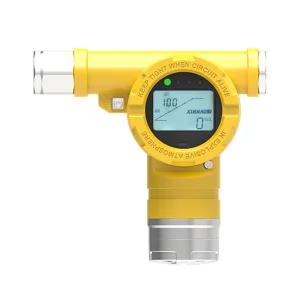

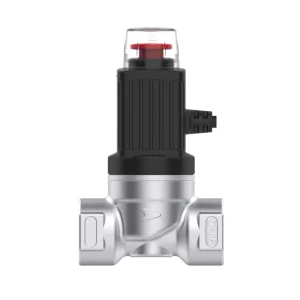
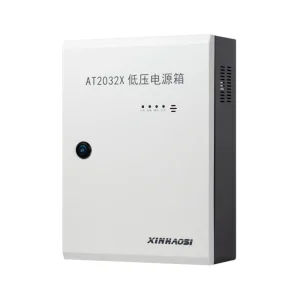
An analytical overview of the safety relief technology landscape, regional procurement standards, and critical mechanical properties.
In modern industrial fluid dynamics and pipeline networks, the 1-inch (DN25) safety valve serves as the fundamental cornerstone of pressure relief and system integrity. Safety valves—often classified under pressure relief valves (PRV) or pressure safety valves (PSV)—are autonomous mechanical devices engineered to prevent catastrophic structural failures in pressurized systems by discharging excess media when pressure thresholds are breached. The 1-inch physical diameter is a globally standardized nominal pipe size (NPS) optimized for mid-to-high velocity media diversion. It represents the crucial crossover dimension widely deployed in pilot plant piping, localized heat exchangers, secondary boiler loops, chemical processing reactors, and cryogenic distribution infrastructure.
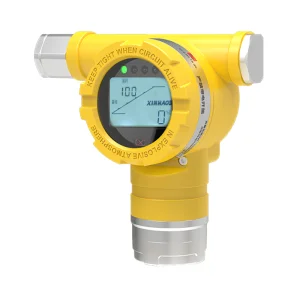
Historically, safety valves operated as independent pneumatic nodes. However, with the rapid acceleration of Industry 4.0 and integrated smart cities, the market has undergone a major paradigm shift. Global industrial projects now mandate high-accuracy relief mechanisms that feature digital integration pathways, such as auxiliary solenoid interlocks, remote pressure monitoring transmitters, and explosion-proof gas detectors. This integration protects environments where high-pressure steam, hazardous petrochemicals, or flammable vapors present chronic explosion risks. From the oilfields of West Texas to the petrochemical hubs of East Asia, the demand for 1-inch safety valves manufactured to stringent specifications (such as ASME Section VIII, API 526, and EN ISO 4126) continues to rise at a compound annual growth rate exceeding 5.8%.
As standard process lines face increasingly complex chemical formulations and cryogenic media flow, material selection for 1-inch safety valves has expanded. Traditional brass and carbon steels are now frequently replaced by specialized corrosion-resistant alloys, including 316L Stainless Steel, Hastelloy, and Monel. This ensures reliable operation and reduces mechanical sticking caused by chemical scaling or thermal cycling, establishing the 1-inch safety valve as a key component in risk mitigation strategies worldwide.
Designed to automatically lift when system pressure exceeds set limits, delivering rapid venting of liquid or gaseous media to protect upstream lines.
Fully compliant with ASME Section VIII and API RP 520, which govern discharge capacity calculations, backpressure ratings, and body thickness standards.
Constructed using high-performance metallurgy, minimizing seats erosion and spring fatigue to ensure an operational life exceeding 100,000 thermal cycles.
The global dominance of Chinese manufacturers in the safety valve and gas safety equipment sector is driven by more than just low labor costs. Over the past decade, Chinese factories have transitioned into highly integrated hubs of intelligent manufacturing, relying on robotics, automated CNC machining centers, and end-to-end digital supply chain integration to deliver high-quality products at scale.
At our facilities, specialized machining centers produce safety valves with tight mechanical tolerances (within ±0.005mm), ensuring precise alignment between the disc and the nozzle seat. These tight tolerances minimize seat leakage, which is one of the most common causes of premature safety valve failure. By using automated multi-axis grinding machines, we achieve mirror-polished seating surfaces that meet API standard requirements for bubble-tight sealing.
Additionally, China’s industrial ecosystem provides unparalleled access to raw materials and casting resources. This vertical integration allows us to optimize supply chains and significantly reduce lead times compared to Western counterparts. We source raw materials directly from certified steel manufacturers, verifying alloy compositions with optical emission spectrometers (OES). This ensures that every 1-inch safety valve and gas solenoid valve meets the exact metallurgical properties specified for high-performance applications.


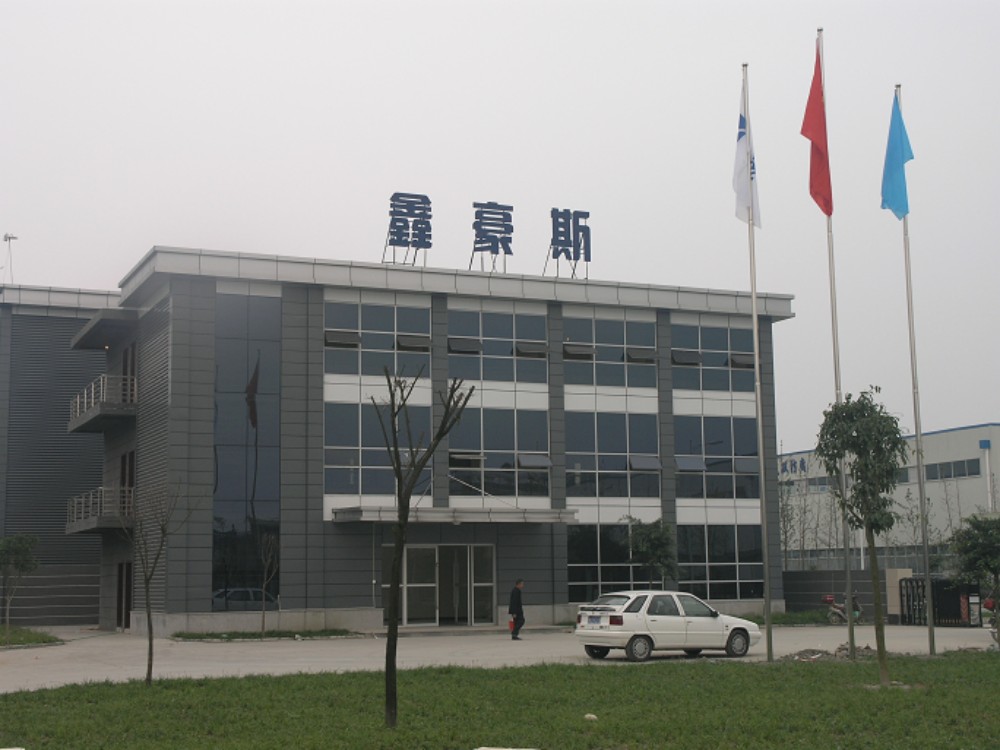
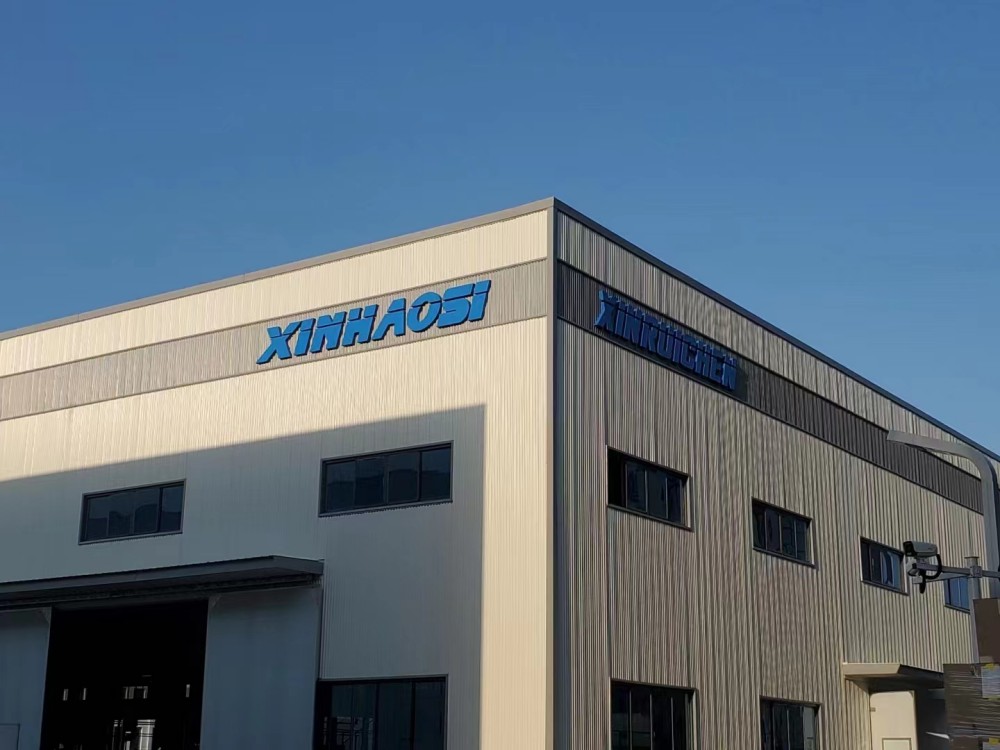
Founded in 2003, Xinhaosi is one of the most influential and trusted brands in the global gas safety industry. Over the past two decades, we have steadily built a robust and comprehensive production and service system, which integrates cutting-edge R&D, intelligent manufacturing with advanced automation equipment, digital marketing across global channels, professional after-sales support with an experienced technician team, flexible OEM/ODM services, as well as CNAS-Accredited laboratory calibration services that meet international standards.
Our diversified product portfolio covers industrial & residential gas detection & alarm systems, industrial & household gas solenoid valves, and urban gas pipeline network monitoring systems—all engineered to adapt to complex working environments and strict safety requirements. We produce and sell tens of millions of units annually, catering to a wide range of industries that demand reliable gas detection solutions, including oil & gas exploration and production, petrochemicals, urban gas distribution, automotive manufacturing, pharmaceuticals, new energy, steel production, and beverage processing.
Guided by the core mission of "Making Gas Safety Accessible Everywhere," we consistently deliver high-performance, reliable products and customized solutions tailored to each client's unique needs. Every item we manufacture undergoes rigorous quality control tests, and every service we provide is backed by our professional technical team, fully embodying our unwavering commitment to safeguarding gas safety across both industrial workplaces and residential environments, and striving to build a safer world with sustainable gas safety technologies.
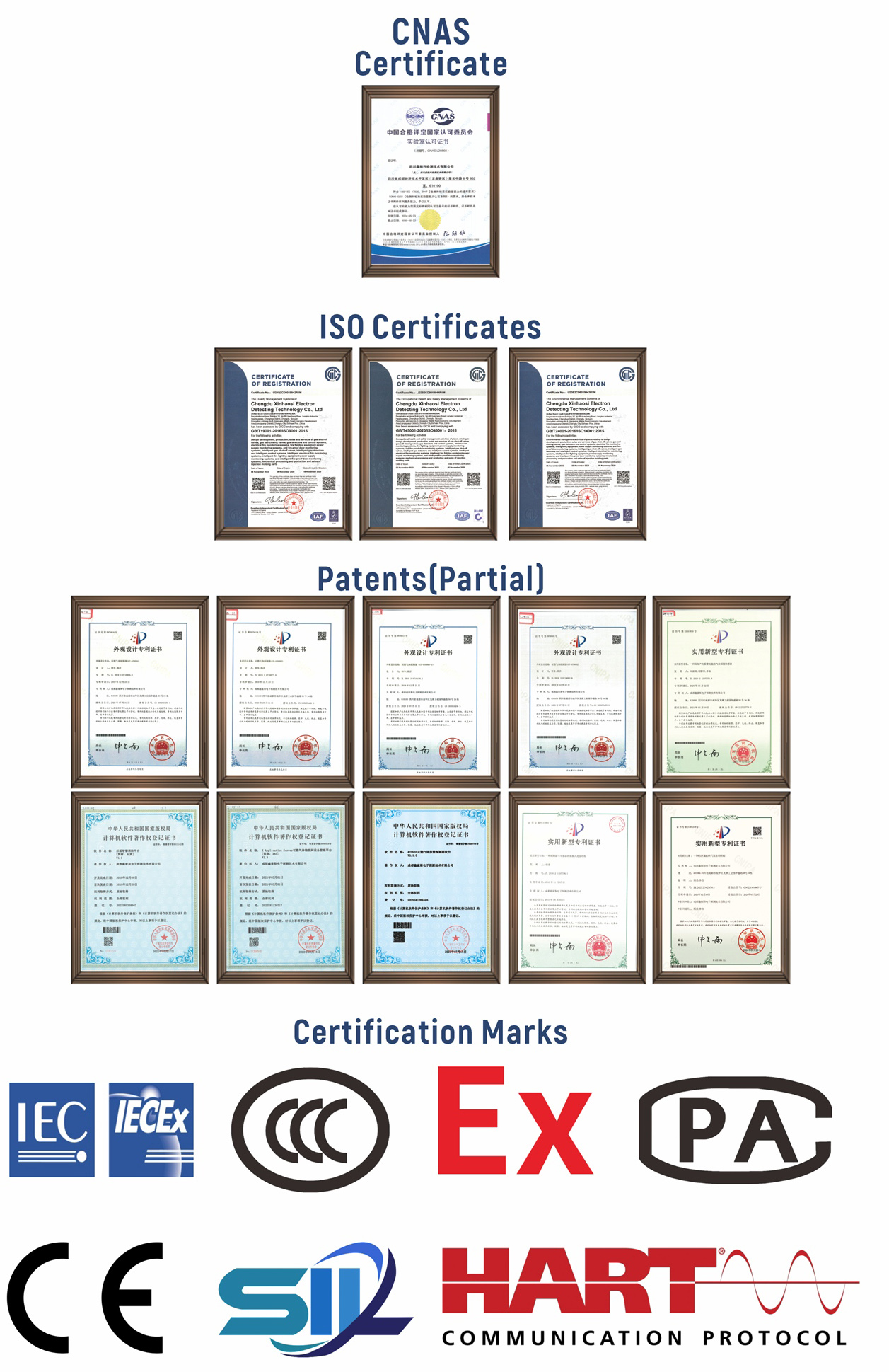
Adhering to ISO9001 quality management system standards, Xinhaosi's core products have obtained a full range of authoritative certifications, including national compulsory Products Certification, explosion-proof certification, fire product certification, CPA measurement instrument type approval certificate, and international approvals as CE, SIL. Additionally, Xinhaosi holds honors such as "National Quality Integrity Benchmark Enterprise" , "National Quality Leading Enterprise in the Gas Alarm Industry," member of the China Fire Protection Association, and the main drafting organization for the national standard of solenoid valves, further confirming its industry influence and reputation.
In the field of intellectual property, Xinhaosi has built a robust innovation system with over 50 patents and software copyrights . These patents cover core technological areas, including a graphical monitoring system for gas detection and alarm, which enables predictive maintenance based on historical data to reduce equipment failure rates by over 30%, and a solenoid valve with flow monitoring functionality that integrates flow detection and alarm capabilities . The company also pioneered China's first networked bus-type gas leakage monitoring system and the only maximum-point gas leakage monitoring system certified by the Ministry of Public Security, demonstrating its leading position in cutting-edge technological research.
Our in-house laboratory is accredited by the China National Accreditation Service for Conformity Assessment (CNAS), recognized both domestically and internationally under the ILAC-MRA framework. It operates in accordance with ISO/IEC 17025, the international standard for testing and calibration laboratories. It provides reliable and traceable testing services for gas detection and alarm products, solenoid valves, and related safety equipment. Test reports issued by the CNAS-accredited laboratory are widely accepted by regulatory authorities, certification bodies, and customers in China and overseas, helping to ensure product quality, safety compliance, and market access.
How 1-inch safety valves and integrated gas safety products perform in demanding environments.
Used in off-gas recycle systems and chemical feed lines, protecting critical refining processes. 316L SS bodies resist corrosive H2S compounds, preventing seat pitting.
Installed on hot water and steam lines to prevent explosive thermal expansion. Complies with local municipal safety codes and passes third-party inspector audits.
Handles high-purity H2 gas transport. Special elastomer seals prevent hydrogen embrittlement, ensuring reliable shutoff and tight seals in extreme environments.
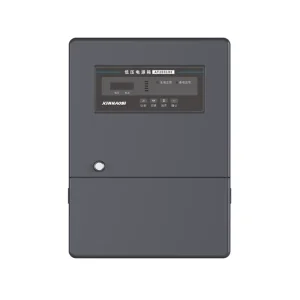
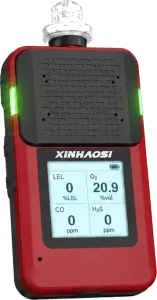
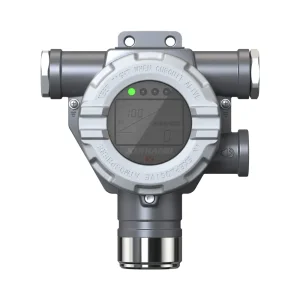
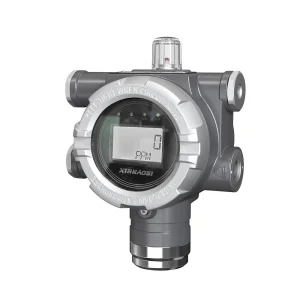
In highly regulated markets, safety valves must be integrated into automated control loops. For example, in regional natural gas regulation stations, a 1-inch safety valve is paired with gas detection systems like the Xinhaosi JT-AT2005. If a combustible gas leak occurs, the detector transmits an RS485 or bus signal to a control unit, such as the JB-TB-AT2020F. This controller triggers a fast-acting gas solenoid valve (e.g., XF2 Series) to isolate fuel lines, while the mechanical safety valve continues to provide manual overpressure relief. This combined electronic-mechanical approach prevents secondary gas buildup, protecting personnel and infrastructure.
From mechanical autonomy to smart digital diagnostics—the transition to intelligent pressure safety systems.
Traditional safety valves are designed to remain closed until an overpressure event occurs. This means mechanical wear, spring degradation, or blockages may go undetected until a system failure happens. To address this, the industry is transitioning toward smart safety valves equipped with diagnostic sensors.
By integrating piezo-electric micro-sensors into the valve body, operators can monitor spring tension, alignment, and slight leakage in real-time. If the valve seat experiences a slight leakage, high-frequency acoustic emissions are generated. Sensor arrays detect these sound waves and alert the plant's distributed control system (DCS) via WirelessHART or LoRaWAN. This allows operators to schedule maintenance before a complete system failure occurs.
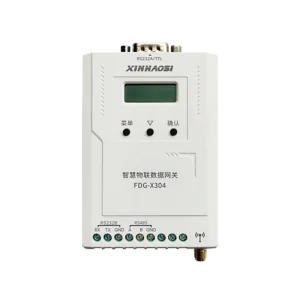
Additionally, modern systems link gas safety valves and detectors into a centralized Industrial IoT (IIoT) cloud platform. This setup enables remote tracking of valve operation, gas levels, and system health from a single interface. At Xinhaosi, we support this digital transition with our proprietary IoT platform and advanced hardware, including the FDG-X304 Intelligent Data Gateway, providing facilities with real-time safety monitoring and automated warning capabilities.
Procuring 1-inch safety valves requires a thorough review of mechanical, operational, and regulatory parameters. Industrial buyers must evaluate key factors to ensure the selected valves match their specific operational requirements:
Over 20 years of continuous growth and technical innovation in the gas safety sector.




Answers to common engineering and procurement questions regarding pressure relief and gas safety equipment.