Description
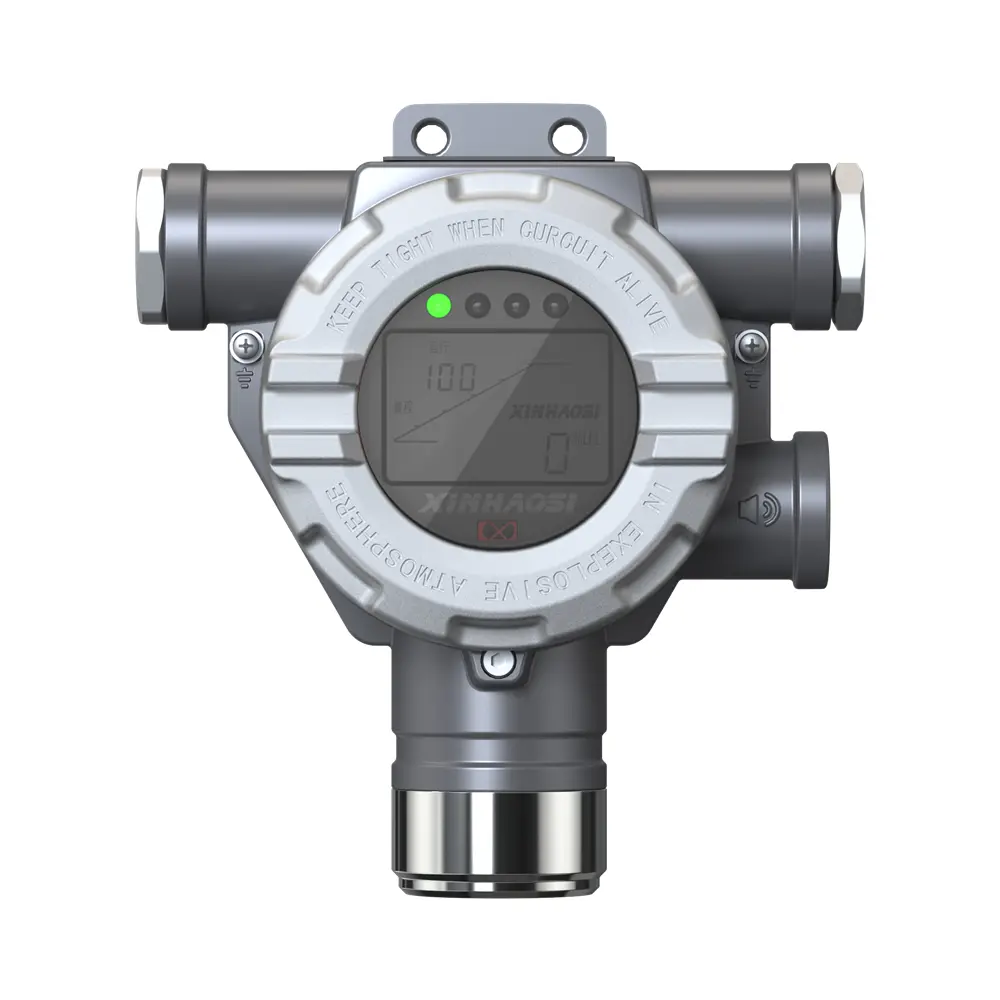
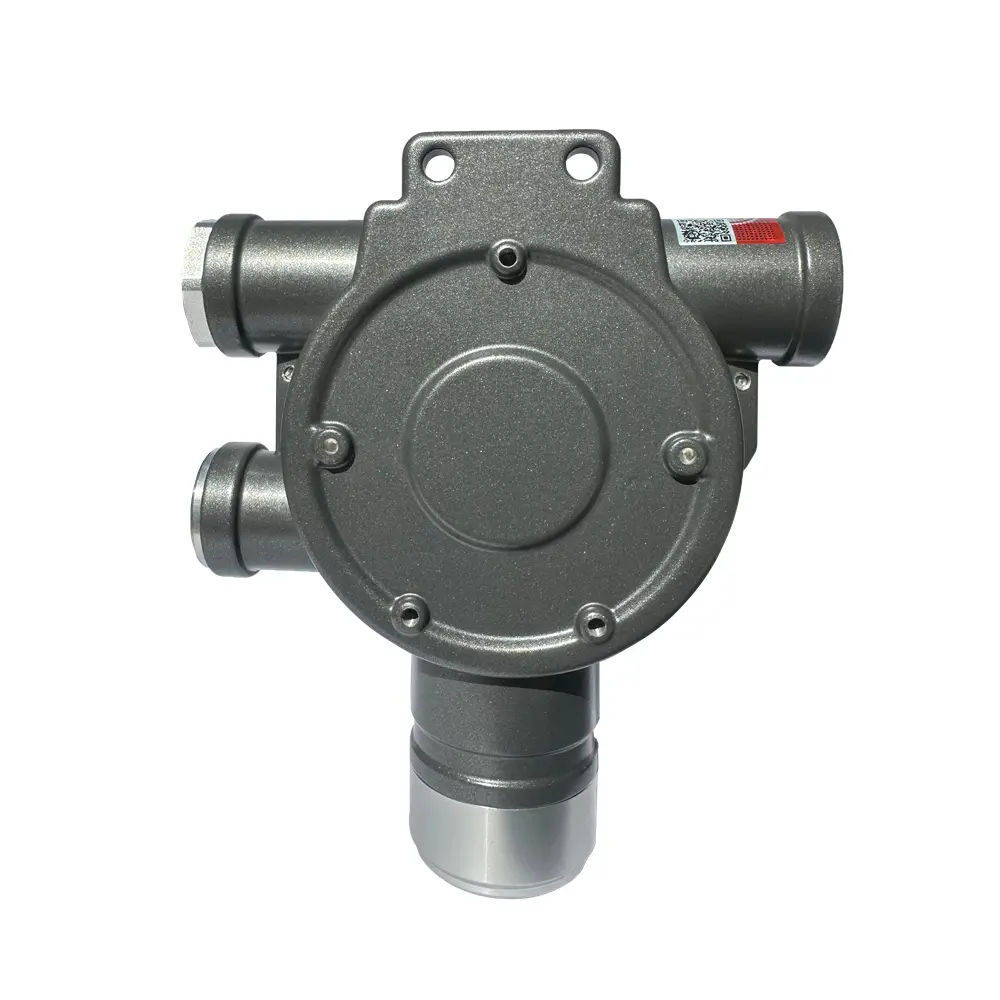
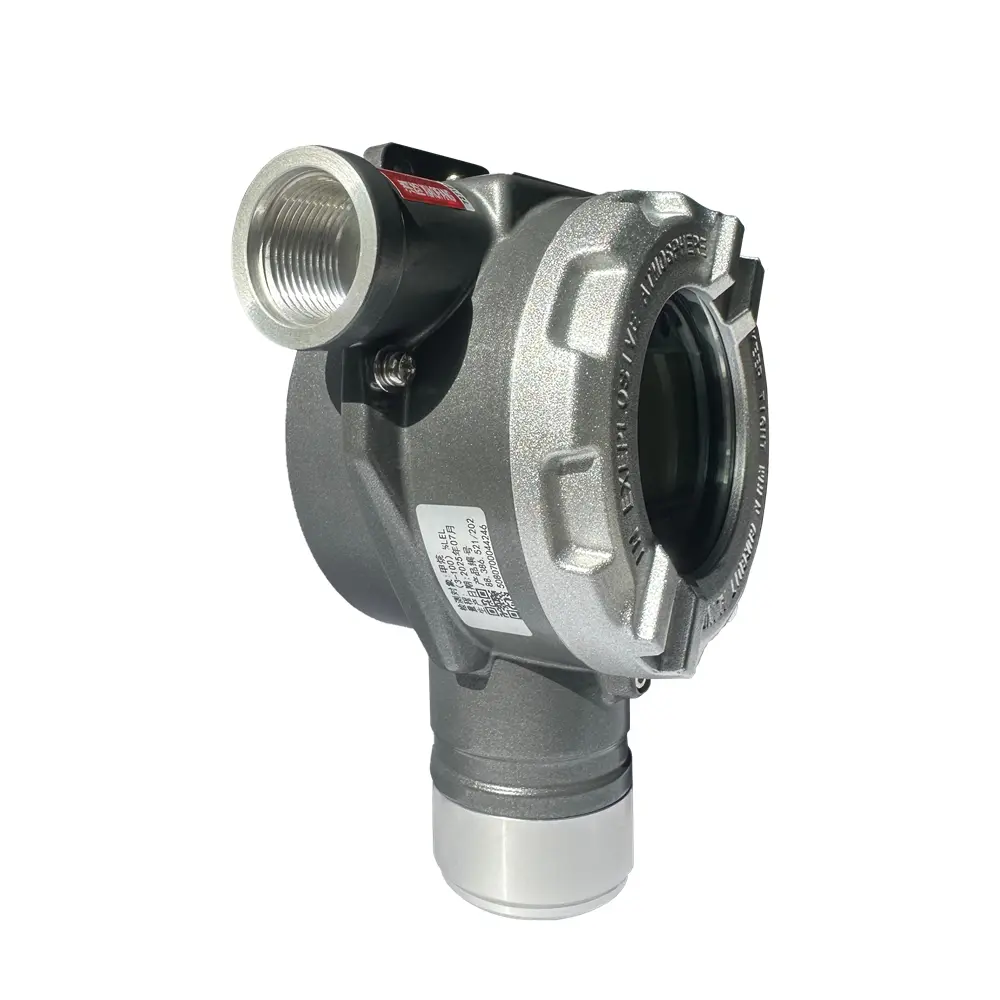
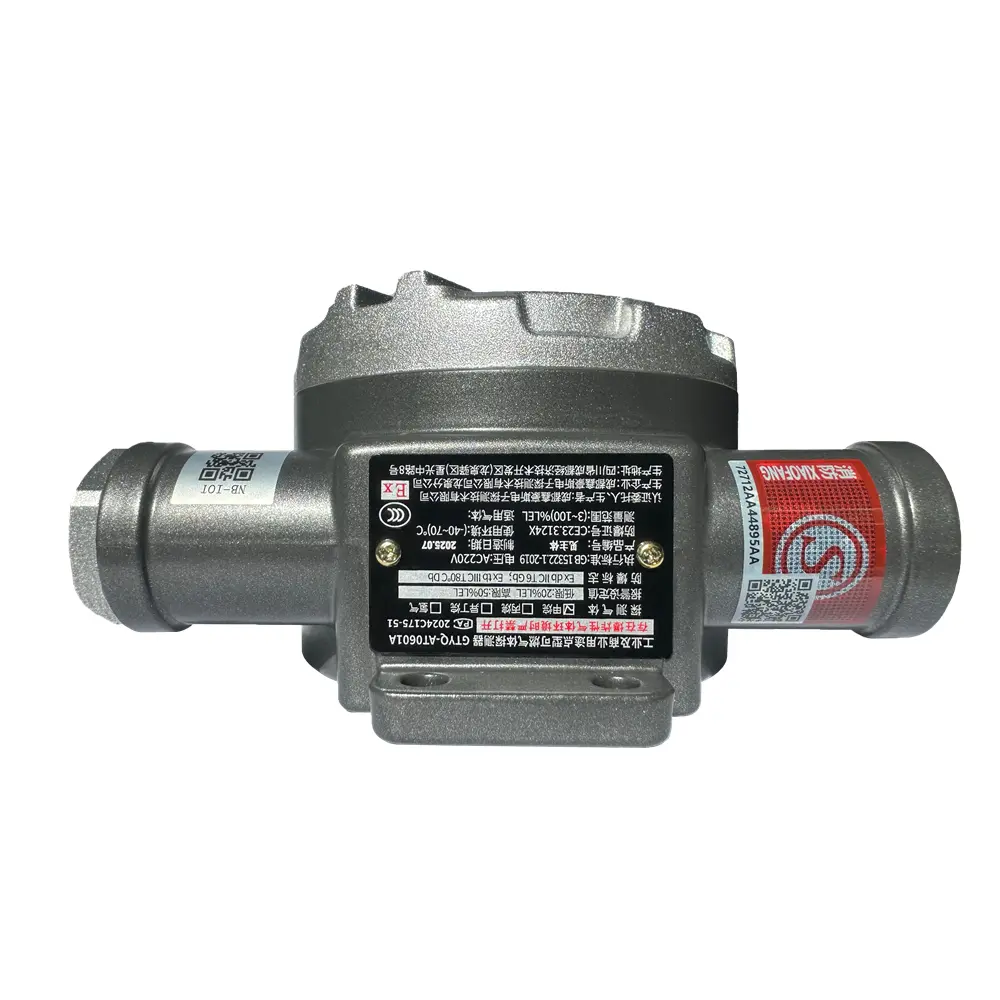
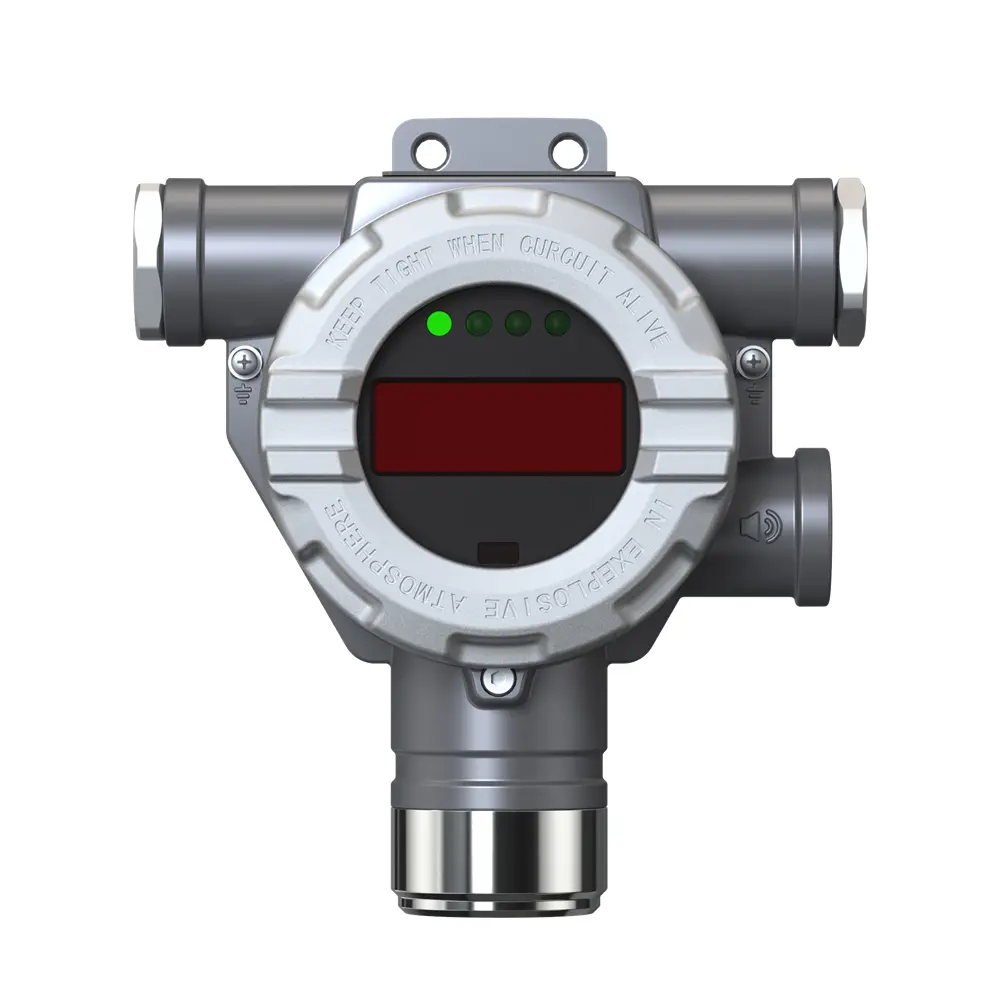
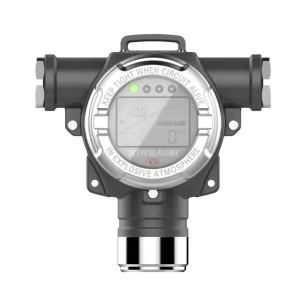
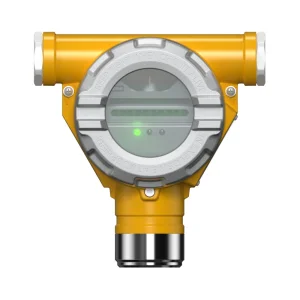
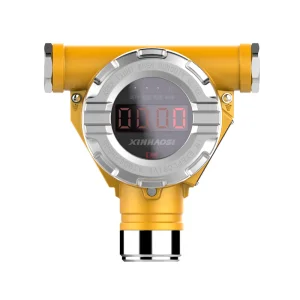
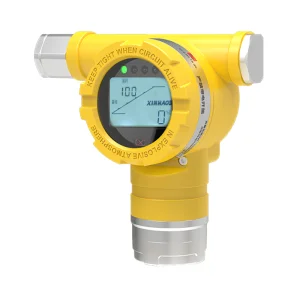
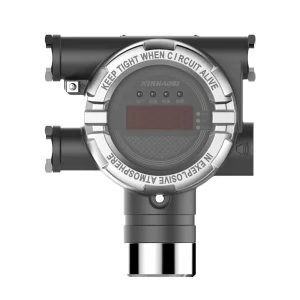
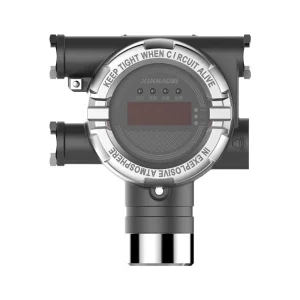
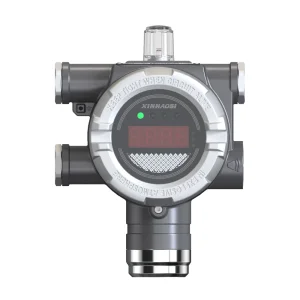
The GTYQ-AT0601 and GTYQ-AT0601A are self-sufficient explosion-proof combustible gas detectors built for independent operation in hazardous industrial zones. Certified for explosion and dust ignition proof performance, they comply with strict safety standards for flammable gas monitoring in high-risk locations. Powered directly by AC220V, they can run stably without relying on an external control host, making them perfect for decentralized monitoring scenarios. Infrared remote control is supported for non-intrusive debugging, allowing on-site parameter adjustment without opening the enclosure. The digital sensor assembly allows direct replacement without on-site calibration, cutting maintenance time and ensuring continuous detection. With an IP66 protection grade, they resist dust and water intrusion to adapt to harsh working environments. The base AT0601 uses a high-brightness digital tube display, while the AT0601A upgrades to an LCD screen and integrates NB-IoT communication for cloud-based centralized monitoring. Both models support offline solenoid valve detection, wireless valve connection and automatic power-failure valve shut-off, providing comprehensive safety protection for urban gas stations, industrial workshops and commercial sites.
Frequently Asked Questions
Do these combustible gas detectors require an external control host to operate?
No, they are self-sufficient, independent detectors. Powered directly by AC220V, they run stably without relying on an external control host, which makes them ideal for decentralized industrial monitoring scenarios.
What are the primary differences between the GTYQ-AT0601 and GTYQ-AT0601A models?
The base AT0601 model uses a high-brightness digital tube display, whereas the AT0601A upgrades to a detailed LCD screen and integrates built-in NB-IoT communication for cloud-based centralized monitoring.
Is on-site calibration required when replacing the sensor assembly?
No. The digital sensor assembly supports direct hot-swap replacement without the need for on-site calibration, significantly minimizing downtime and maintenance complexity.
What is the advantage of using the Infrared (IR) type sensor over the Catalytic type?
Infrared (IR) sensors are completely immune to sensor poisoning, can operate in oxygen-free environments, and typically offer a longer lifespan (up to 60 months). Catalytic sensors are highly sensitive and offer a faster response time (under 15 seconds) for broad-spectrum flammable gases.
How is calibration or parameter adjustment performed in hazardous environments?
The detectors support non-intrusive debugging via infrared remote control. This allows operators to easily configure parameters and calibrate the system on-site without opening the explosion-proof enclosure.