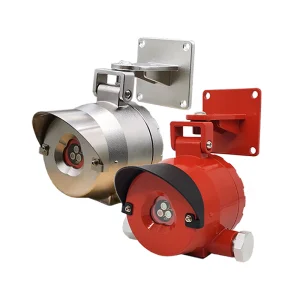
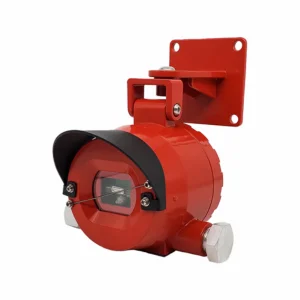
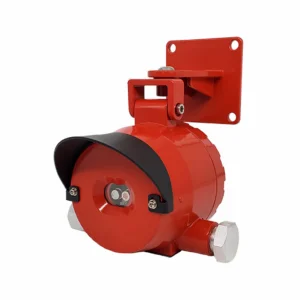
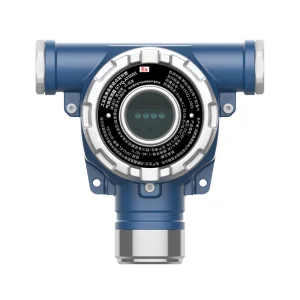
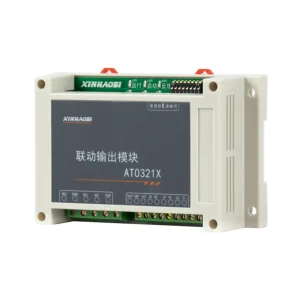
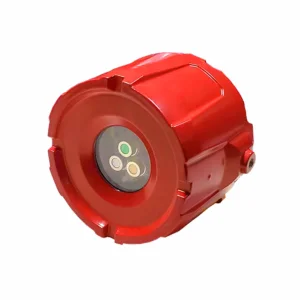
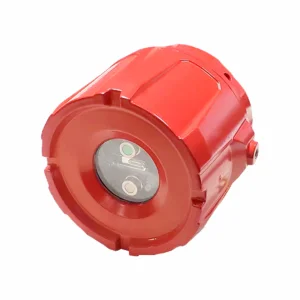
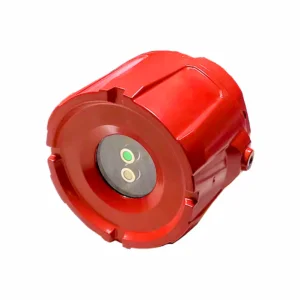
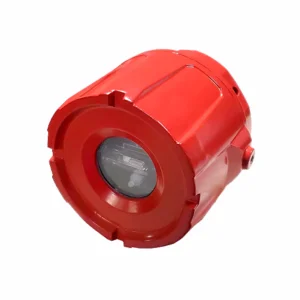
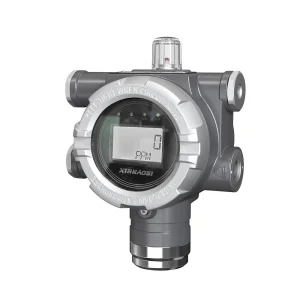
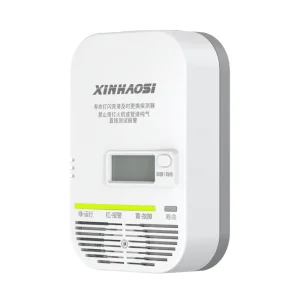
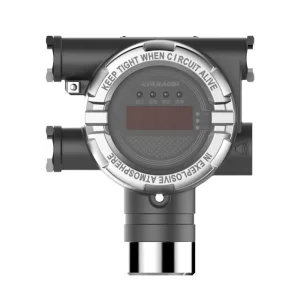
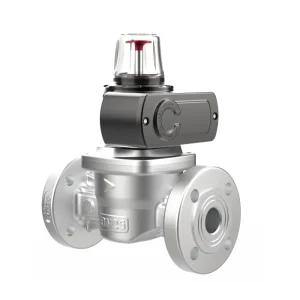
Engineered for high accuracy, rapid response times, and resilience in humid, high-temperature manufacturing environments. All units support direct system integration.
In recent years, Northern Vietnam—particularly the greater Hanoi area—has emerged as a vital hub for global high-tech manufacturing, automotive assembly, electronics, and heavy petrochemical processing. Key industrial estates such as the Thang Long Industrial Park, Noi Bai Industrial Zone, and nearby clusters in Bac Ninh and Hai Phong are attracting unprecedented foreign direct investment (FDI). With this rapid shift toward advanced industrialization comes a critical engineering priority: ensuring the absolute integrity of plant safety infrastructure against combustion hazards.
Hanoi operates within a humid subtropical climate, characterized by wet, hot summers and heavy seasonal moisture. For conventional optical safety equipment, this environment poses significant operational risks. High relative humidity leads to condensation on optical lenses, while heavy industrial dust accumulation in manufacturing hubs can trigger false alarms or blind the sensor entirely.
Furthermore, local electronics assembly and metal fabrication plants involve highly reflective surfaces, welding arcs, and localized thermal emissions. Under standard conditions, lower-grade fire safety sensors struggle to differentiate between real hydrocarbon/non-hydrocarbon fire events and common industrial background interferences (such as welding flashes or high-intensity halogen lighting). This makes the deployment of multi-spectrum infrared (IR3) and combined UV/IR flame detectors essential. These instruments use narrow-band spectral filters and advanced digital signal processing (DSP) to analyze specific flicker frequencies, guaranteeing false-alarm immunity and maximizing continuous production uptime.
"Modern fire protection in Vietnam’s high-tech corridors requires sensors that not only respond rapidly but are resilient against environmental noise. High IP protection classes (IP66/IP67) and advanced optical self-check routines are non-negotiable for manufacturing plants in Hanoi."
International engineering, procurement, and construction (EPC) firms operating in Vietnam are bound by strict corporate safety mandates. Fire monitoring products must adhere to unified global standards such as EN 54-10 (standard for flame detectors), FM Class 3260, and international explosion-proof classifications (ATEX/IECEx). Furthermore, safety instrumented systems (SIS) implemented in critical zones demand SIL2 or SIL3 certifications to guarantee a mathematically sound probability of failure on demand (PFD).
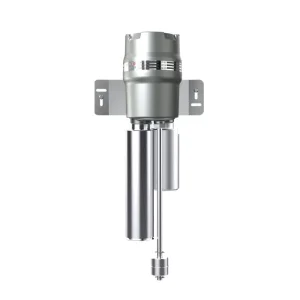
Complete safety ecosystems require reliable underground, tunnel, and industrial ventilation monitoring. Explore our specialized certified transmitters.
Selecting fire safety products involves balancing high quality with cost-effectiveness. Chinese manufacturing facilities—particularly high-tech factories in Chengdu and Deyang—have optimized this balance through decades of technological development, extensive supply chains, and highly automated production lines.
For industrial projects in Hanoi, sourcing from established Chinese factories offers three key advantages:
| Technology Type | Detection Spectrum | Ideal Application Context | False Alarm Immunity |
|---|---|---|---|
| Triple IR (IR3) | Three narrow bands in the Infrared spectrum | Refineries, chemical processing, semiconductor fabrication clean rooms | Excellent (immune to arc welding and hot objects) |
| Dual IR/UV | Combines Infrared and Ultraviolet sensors | Turbine enclosures, hydrogen storage areas, painting booths | High (utilizes cross-spectrum verification parameters) |
| Single UV | Narrow band Ultraviolet | Gas stations, clean indoor environments, engine test cells | Moderate (sensitive to lightning and strong UV sources) |
Founded in 2003, Xinhaosi is a prominent and trusted brand in the global gas safety and flame detection industry. Over the past two decades, we have established a comprehensive production and service infrastructure that integrates R&D, intelligent manufacturing with automated equipment, digital global marketing, and professional after-sales support with experienced technicians, alongside flexible OEM/ODM options and CNAS-Accredited laboratory calibration services.
Our product portfolio spans industrial and residential gas detection and alarm systems, industrial and household gas solenoid valves, and urban gas pipeline monitoring systems—all designed to operate reliably in harsh, demanding industrial environments.

Chengdu Factory & Office Facility

Deyang Factory Automated Production Complex
Adhering to ISO9001 standards, our core products carry key international certifications, including national compulsory Products Certification, explosion-proof certification, fire product certification, CPA measurement instrument type approval, and international approvals like CE and SIL. Xinhaosi also serves as a main drafting organization for Chinese national solenoid valve standards.
Our patent portfolio features over 50 patents and software copyrights, including a graphical monitoring system for gas detection that enables predictive maintenance based on historical data, reducing equipment failure rates by more than 30%.
A history of innovation and growth, building robust safety technologies to protect lives and industrial assets worldwide.
Discover our range of dual-spectrum optical flame sensors, multi-point gas monitors, and industrial solenoid safety valves.
Find answers to common questions about industrial optical flame detectors and integration requirements for Vietnam factories.