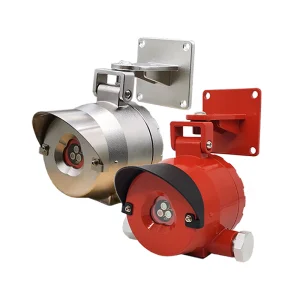
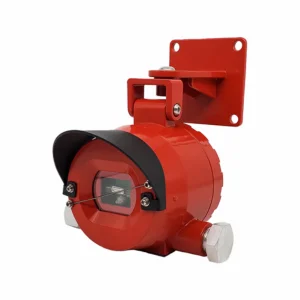
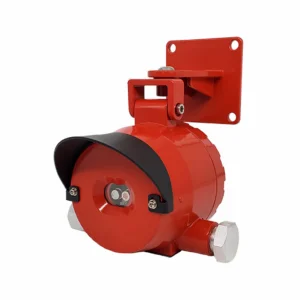
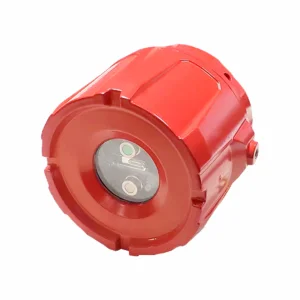
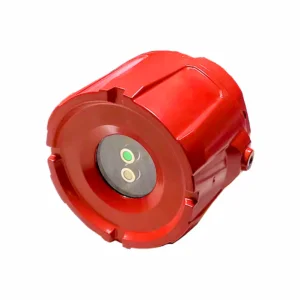
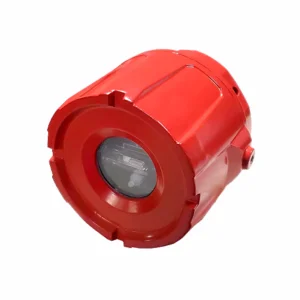
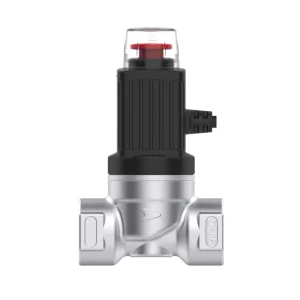
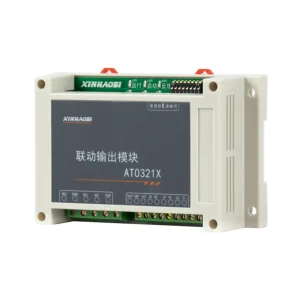
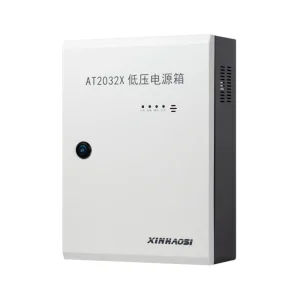
High-sensitivity triple/dual spectrum sensors customized for hazardous petrochemical zones and heavy manufacturing centers in Vietnam.
In recent years, Vietnam has transformed into one of Southeast Asia's most prominent industrial manufacturing and processing powerhouses. With rapid expansion across key economic zones—ranging from the northern electronics clusters in Bắc Ninh and Hải Phòng to the southern chemical and heavy manufacturing bases in Bình Dương and Đồng Nai—the safety parameters governing these facilities have evolved dramatically. This industrial boom brings a proportional demand for advanced fire hazard prevention systems, specifically optical flame detectors, to safeguard asset investments and human lives.
Industrial installations such as oil and gas refineries (including major projects like the Nghi Sơn and Dung Quất Refineries), offshore drilling operations in Vũng Tàu, gas-to-power turbines, chemical warehouses, paint booths, and semiconductor cleanrooms operate with materials that exhibit highly rapid combustion rates. Traditional smoke or heat detectors are completely inadequate in these environments, failing to capture the instant flares of hydrocarbons or chemical ignitions. To address these challenges, engineers require multi-spectral optical technology, notably Triple Infrared (IR3) and UV/IR flame detectors, that can register flame signatures in milliseconds while actively ignoring false alarm stimuli like arc welding or solar radiation.
In Vietnam, the regulatory framework governing fire prevention and emergency response is strictly monitored by the Bureau of Fire Prevention and Rescue (Police Department of Fire Prevention, Fighting and Rescue). Under local design and safety laws—primarily TCVN 3890:2023 (Fire Protection Equipment of Buildings and Works—Provision, Installation, Maintenance, and Inspection) and TCVN 5738:2021 (Fire Alarm Systems - Technical Requirements)—industrial facilities processing flammable solids, liquids, or gases are mandated to install certified automatic fire detection devices.
For high-risk environments (classified as explosive zones or chemical yards), sourcing flame detection equipment with appropriate explosion-proof certifications (such as ATEX, IECEx, or equivalent local validation) is not merely best practice; it is a critical regulatory gatekeeper. The Xinhaosi line of optical sensors matches these high standards, aligning CE and Safety Integrity Level (SIL) ratings with the practical inspection needs of Vietnamese safety authorities. This compliance reduces technical audit cycles for EPC contractors, expediting facility commissioning timelines.
Founded in 2003, Xinhaosi is one of the most influential and trusted brands in the global gas safety and flame detection industry. Over the past two decades, we have steadily built a robust and comprehensive production and service system, which integrates cutting-edge R&D, intelligent manufacturing with advanced automation equipment, digital marketing across global channels, professional after-sales support with an experienced technician team, flexible OEM/ODM services, as well as CNAS-Accredited laboratory calibration services that meet international standards.
Our diversified product portfolio covers industrial & residential gas detection & alarm systems, flame detectors, industrial & household gas solenoid valves, and urban gas pipeline network monitoring systems—all engineered to adapt to complex working environments and strict safety requirements. We produce and sell tens of millions of units annually, catering to a wide range of industries that demand reliable gas detection solutions, including oil & gas exploration and production, petrochemicals, urban gas distribution, automotive manufacturing, pharmaceuticals, new energy, steel production, and beverage processing.
Guided by the core mission of "Making Gas Safety Accessible Everywhere," we consistently deliver high-performance, reliable products and customized solutions tailored to each client's unique needs. Every item we manufacture undergoes rigorous quality control tests, and every service we provide is backed by our professional technical team, fully embodying our unwavering commitment to safeguarding gas safety across both industrial workplaces and residential environments, and striving to build a safer world with sustainable safety technologies.


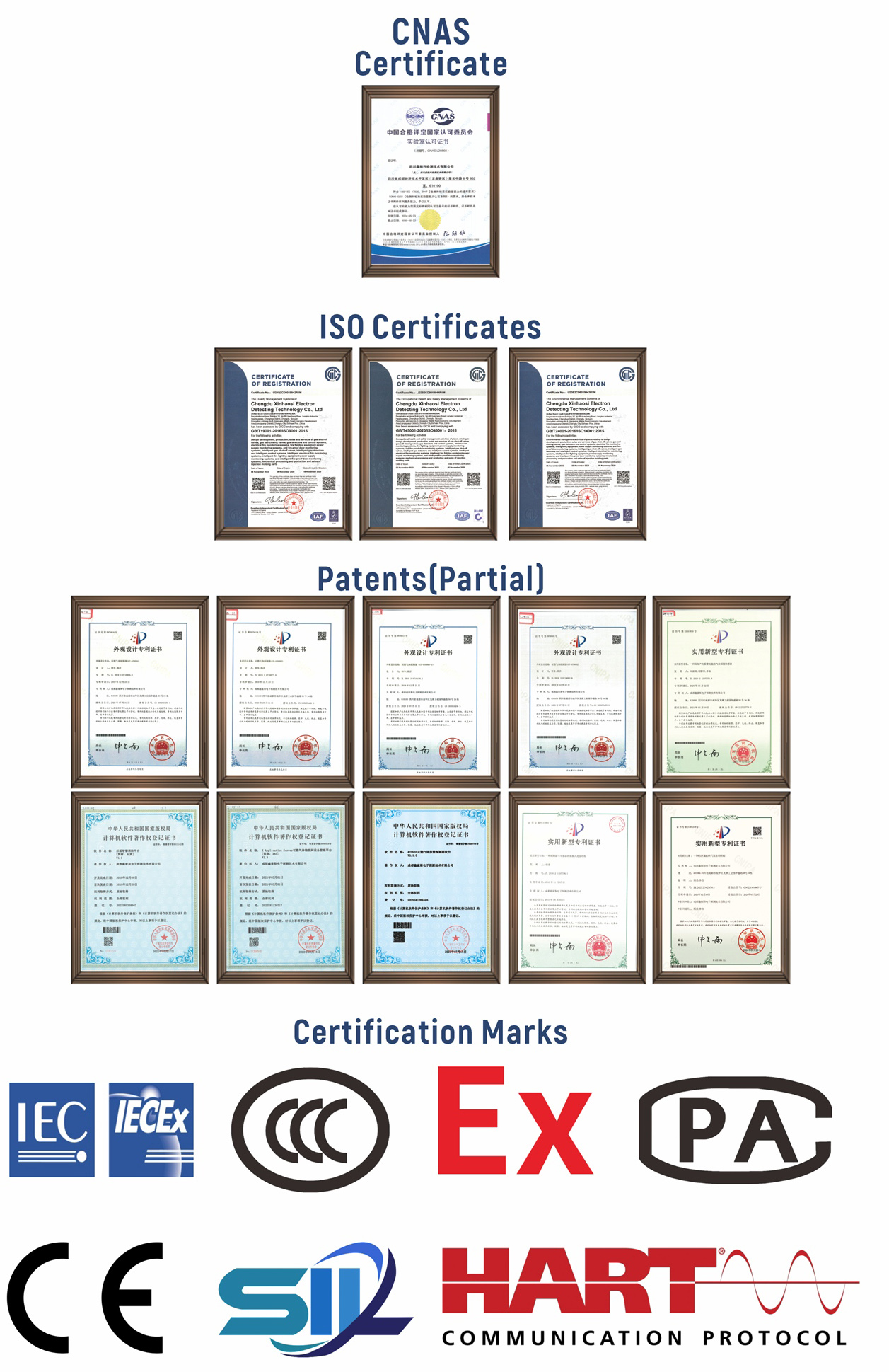
Adhering to ISO9001 quality management system standards, Xinhaosi's core products have obtained a full range of authoritative certifications, including national compulsory Products Certification, explosion-proof certification, fire product certification, CPA measurement instrument type approval certificate, and international approvals as CE, SIL. Additionally, Xinhaosi holds honors such as "National Quality Integrity Benchmark Enterprise", "National Quality Leading Enterprise in the Gas Alarm Industry," member of the China Fire Protection Association, and the main drafting organization for the national standard of solenoid valves, further confirming its industry influence and reputation.
In the field of intellectual property, Xinhaosi has built a robust innovation system with over 50 patents and software copyrights. These patents cover core technological areas, including a graphical monitoring system for gas detection and alarm, which enables predictive maintenance based on historical data to reduce equipment failure rates by over 30%, and a solenoid valve with flow monitoring functionality that integrates flow detection and alarm capabilities. The company also pioneered China's first networked bus-type gas leakage monitoring system and the only maximum-point gas leakage monitoring system certified by the Ministry of Public Security, demonstrating its leading position in cutting-edge technological research.
Our in-house laboratory is accredited by the China National Accreditation Service for Conformity Assessment (CNAS), recognized both domestically and internationally under the ILAC-MRA framework. It operates in accordance with ISO/IEC 17025, the international standard for testing and calibration laboratories. It provides reliable and traceable testing services for gas detection and alarm products, solenoid valves, and related safety equipment. Test reports issued by the CNAS-accredited laboratory are widely accepted by regulatory authorities, certification bodies, and customers in China and overseas, helping to ensure product quality, safety compliance, and market access.
For safety managers and global procurement agents executing engineering projects in Vietnam, sourcing hardware directly from Chinese manufacturing centers offers clear economic and logistical advantages. The close proximity of the Chengdu and Deyang facilities to Vietnam allows for shortened logistics paths, utilizing direct overland shipping from Guangxi/Kunming ports or maritime freight options via the Port of Hải Phòng and Port of Hồ Chí Minh City. This translates into drastically reduced lead times compared to Western safety brands, helping local teams maintain tight construction schedules.
In addition to geographic speed, procurement professionals benefit from the industrial scale of Xinhaosi. Our automated factories produce tens of millions of components annually. This high-capacity output lowers per-unit fabrication costs while maintaining strict compliance testing standards. Key supply chain benefits include:
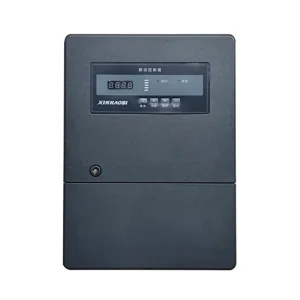
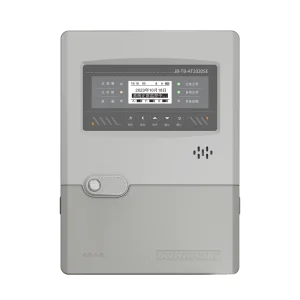
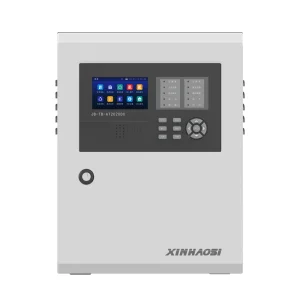
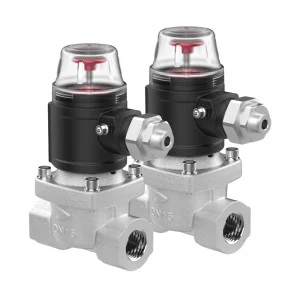
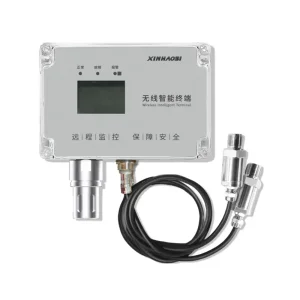
Essential terminal boxes, controller units, and automatic interlock valves to build a cohesive hazardous-gas and fire mitigation system.
Over two decades of strategic evolution and scaling from a localized safety factory to an international manufacturing leader.
● Established on April 17th, 2003.
● Launched the 1st generation of gas leak alarm & fire fighting products.
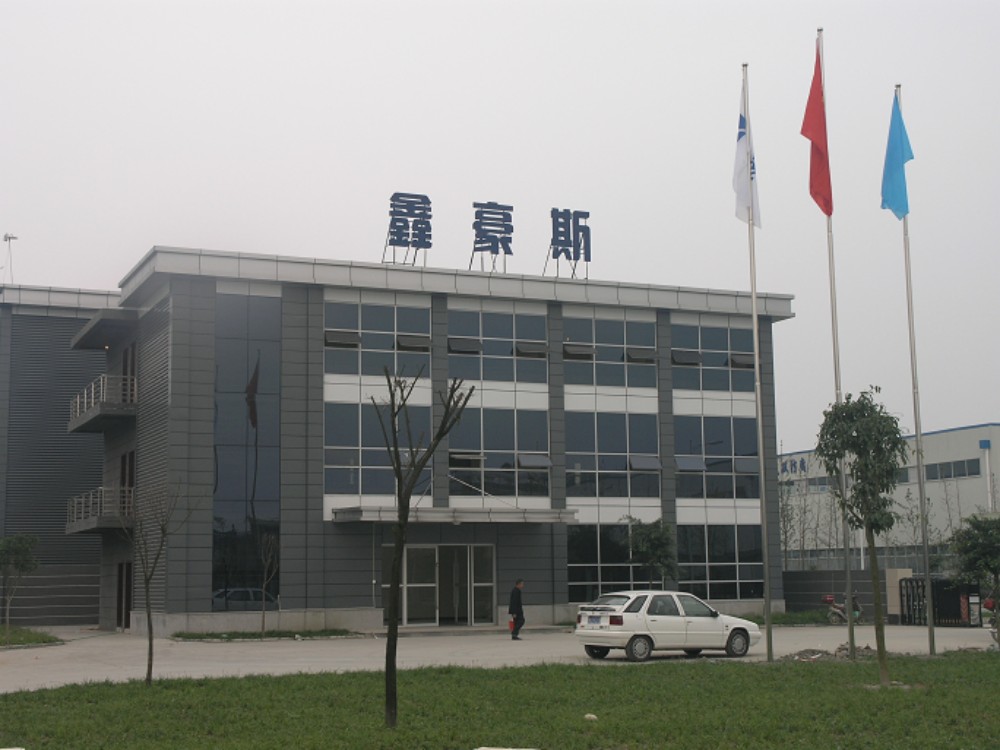
● Started gas safety valve production.
● Expanded OEM business capabilities.
● Relocated head offices to Longtan Industrial Park.

● Reached sales volume milestone of 10 million pieces.
● Moved into the new Chengdu factory facility.
● Built a comprehensive sales & service support network.
● Launched fire power monitoring systems.

● Launched our self-developed industrial IoT platform.
● Developed automatic alarm systems, emergency lighting, and exit routes.
● Granted official National High-Tech Enterprise status.
● Certified as an official vendor for China's top five gas suppliers.
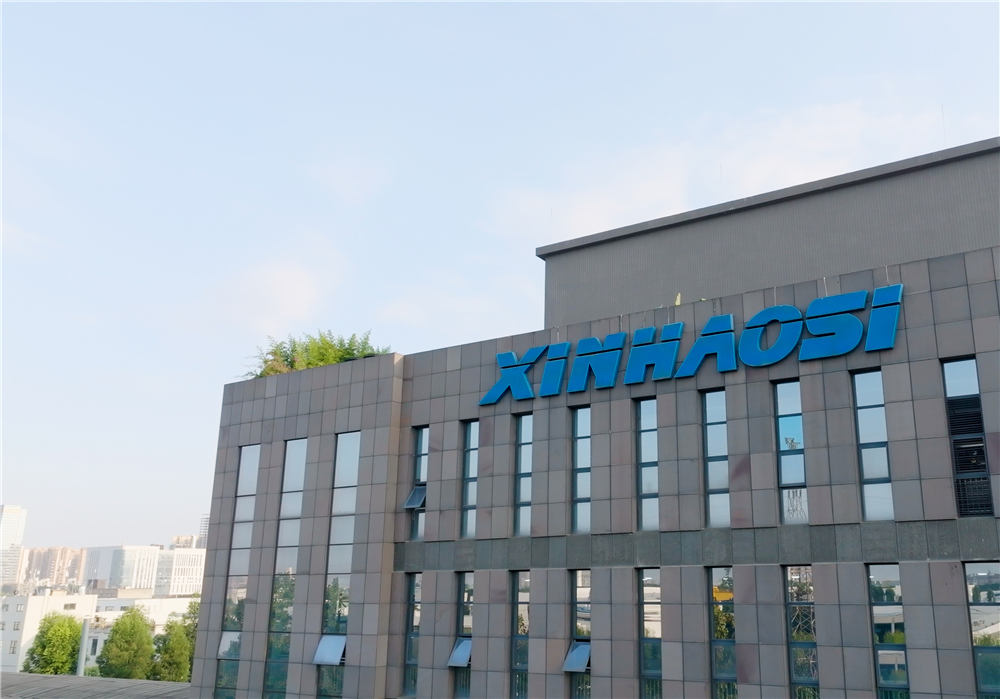
● Broke ground on the new Deyang production factory.
● Created the Petrochemical & International Business Division.
● Designated as the Sichuan Provincial Technology Center.
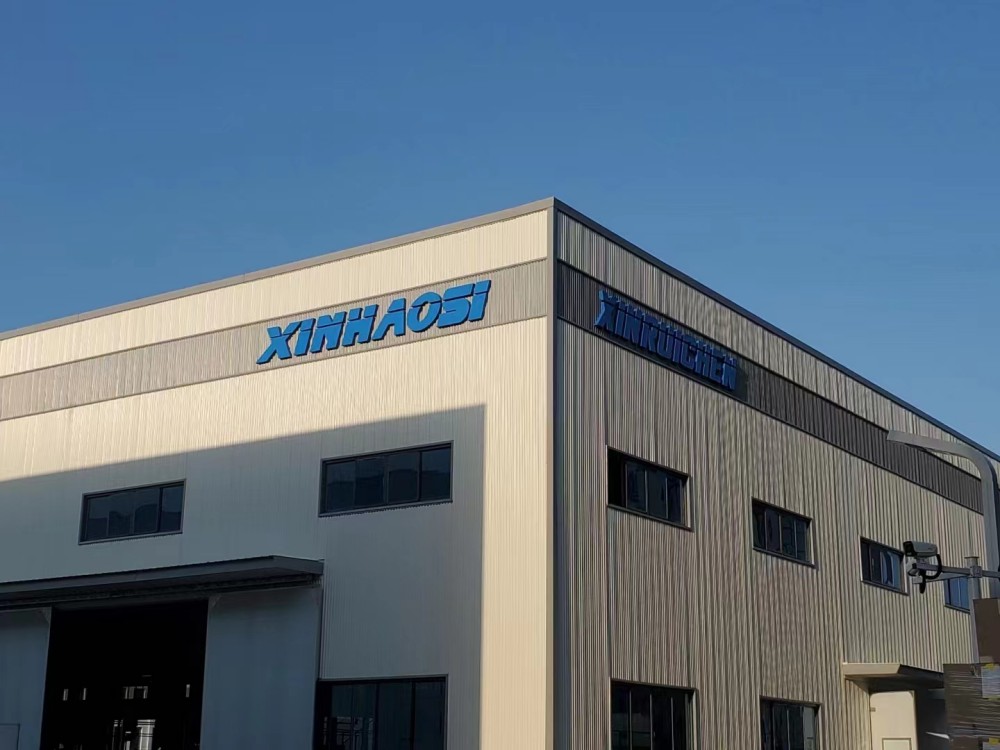
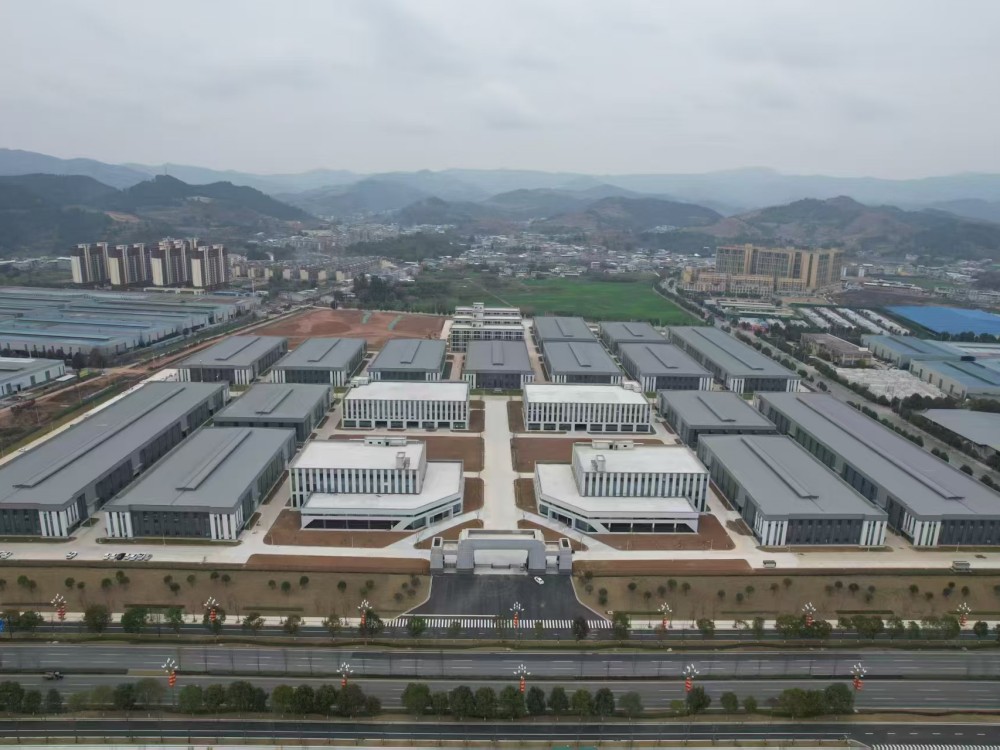
● Deyang smart factory construction completed and operations started.
● Rolled out urban gas pipeline monitoring systems.
● Introduced wireless detection systems and smart AI safety valves.
Choosing the correct optical sensor configuration depends on the fuel type, environmental interference, and the geometric layout of the target zone. In Vietnamese industrial applications, where high relative humidity (often exceeding 90%) and ambient heat are constant, selecting the right sensor configuration is critical to preventing false alarms.
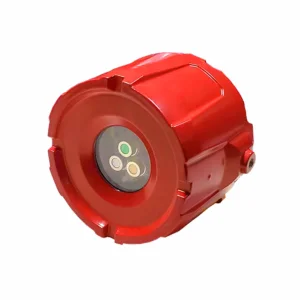
The IR3 detector utilizes three narrow bandpass infrared sensors, each sensitive to different wavelengths (typically centered around the 4.4-micrometer band, where carbon dioxide emissions from hydrocarbon combustion are extremely bright). By comparing the relative intensity values and pulse frequencies across the three channels, the detector's internal microprocessor confirms a real flame condition while filtering out non-combustion IR sources like sunlight reflection or hot steam pipes. This makes the FD1020 Triple IR model excellent for open-air processing terminals and logistics zones in Vietnamese terminals.
Dual IR/UV detectors combine the fast activation response of a UV sensor with the robust verification of an infrared spectrum. When a flash occurs, the UV sensor detects the electromagnetic radiation from the flame, which is then validated against the infrared channel's readouts. This combination is highly effective against non-hydrocarbon fires, making it the preferred safety standard for battery testing rooms, hydrogen fueling infrastructure, and aerospace fabrication facilities.
Using a solid-state UV photodetector, these units operate in the solar-blind spectrum (185 to 260 nanometers) to avoid triggers from normal sunlight. They respond very quickly to standard ignition points. However, UV radiation can be absorbed by dense airborne smoke or chemical fumes. As a result, UV detectors are best suited for indoor enclosed spaces, clean gas storage rooms, and clean manufacturing lines.
Crucial procurement, installation, and compliance guidelines for engineers and project managers in Vietnam.
High-quality detectors, control nodes, and output mechanisms designed for complete facility integration.
Get in touch with our engineering team for customized OEM/ODM specifications, price sheets, and TCVN compliance assistance for Vietnam.
Send Inquiry Now