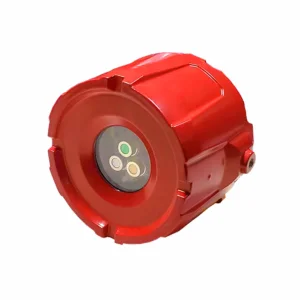
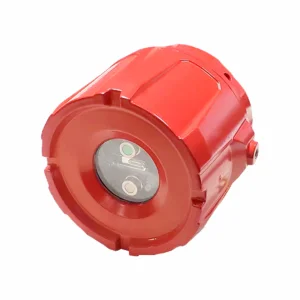
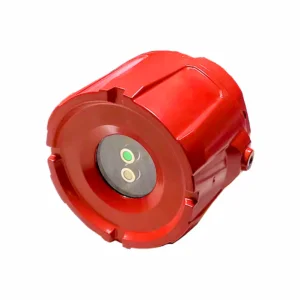
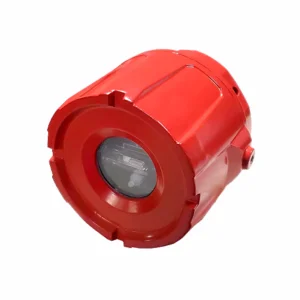
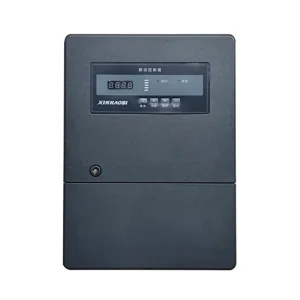
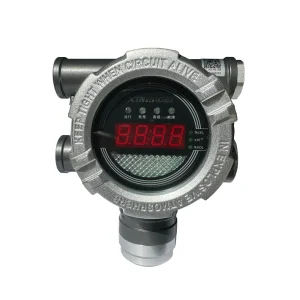
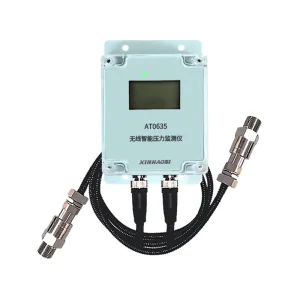
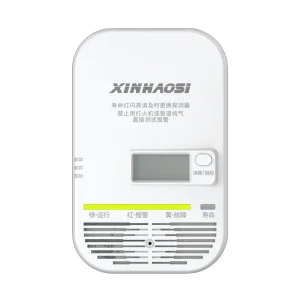
Explore our elite configurations certified for demanding environmental challenges across Central Europe.
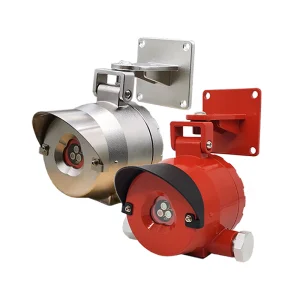
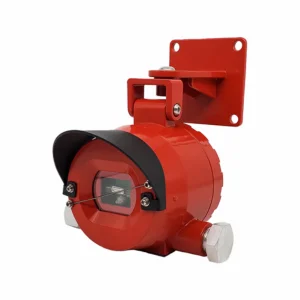
Austria’s industrial economy is structured around highly advanced metallurgical processing, extensive chemical manufacturing, alpine logistics corridors, and a rapid transition to a bio-based circular economy. From massive steel plants in Linz and Donawetz to major energy infrastructure sites like the Schwechat Refinery, safeguarding human capital and multibillion-euro production lines demands optical flame detection technologies that perform flawlessly under extreme conditions.
Unlike standard commercial properties, Austrian industrial facilities suffer from challenging ambient interference. Biomass heating facilities, heavy manufacturing, and alpine waste-to-energy recovery operations suffer from heavy dust loading, high relative humidity, and localized high-temperature zones. Such environments are notorious for triggering costly false alarms in legacy fire detection systems.
Modern safety standards in Austria require optical flame detectors capable of running multi-spectrum analyses (such as Triple Infrared / 3IR) to differentiate true flame radiation (specifically the CO2 emission peak at 4.4 microns) from false alarm triggers, such as electric arc welding, hot body radiation, and solar reflections.
Alpine Tunnels & Infrastructure: The severe moisture and dust exposure in locations like the Arlberg and Plabutsch tunnels demand rugged IP66/IP67/IP68 rated detector enclosures.
Bioenergy Plants: Biomass storage silos generate massive organic dust clouds. Detectors must carry strict ATEX Zone 21 or 22 dust-explosion approvals.
Deployments must align with TRVB 123 S (Technical Guidelines for Preventive Fire Protection in Austria) alongside the overarching EN 54-10 harmonized standard for flame detectors, which governs sensitivity grading (Class 1, 2, or 3) and functional test methods.
Fusing State-of-the-Art Research and High-Capacity Smart Manufacturing Facilities
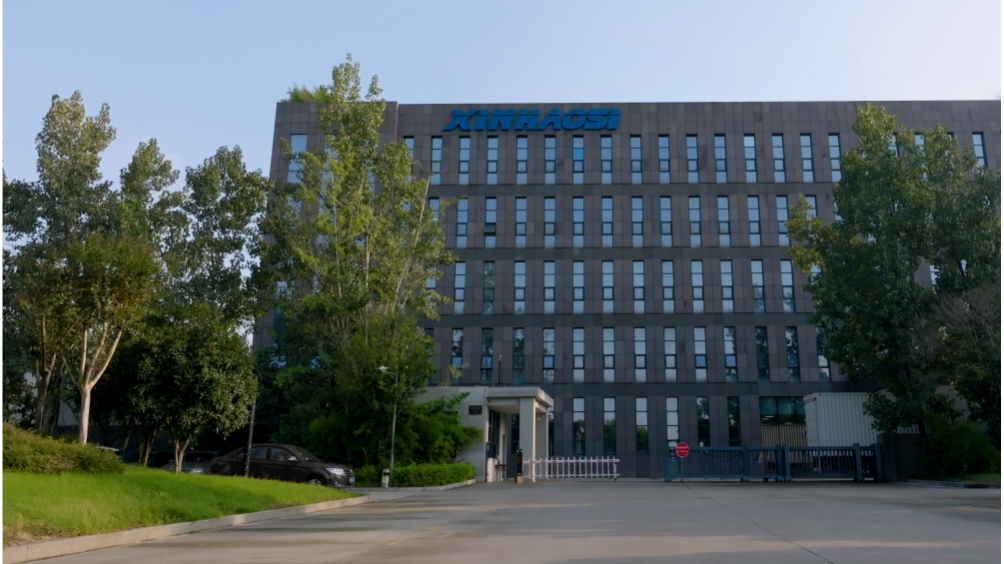
Chengdu R&D Headquarters & Precision Manufacturing Center

Deyang Smart Manufacturing & Heavy Assembly Base
Founded in 2003, Xinhaosi is one of the most influential and trusted brands in the global gas and flame safety industry. Over the past two decades, we have steadily built a robust and comprehensive production and service system, which integrates cutting-edge R&D, intelligent manufacturing with advanced automation equipment, digital marketing across global channels, professional after-sales support with an experienced technician team, flexible OEM/ODM services, as well as CNAS-Accredited laboratory calibration services that meet international standards.
Our diversified product portfolio covers industrial & residential gas detection & alarm systems, industrial & household gas solenoid valves, urban gas pipeline network monitoring systems, and optical flame detectors—all engineered to adapt to complex working environments and strict safety requirements. We produce and sell tens of millions of units annually, catering to a wide range of industries that demand reliable gas detection solutions, including oil & gas exploration and production, petrochemicals, urban gas distribution, automotive manufacturing, pharmaceuticals, new energy, steel production, and beverage processing.
Guided by the core mission of “Making Gas Safety Accessible Everywhere,” we consistently deliver high-performance, reliable products and customized solutions tailored to each client’s unique needs. Every item we manufacture undergoes rigorous quality control tests, and every service we provide is backed by our professional technical team, fully embodying our unwavering commitment to safeguarding life and property across both industrial workplaces and residential environments.
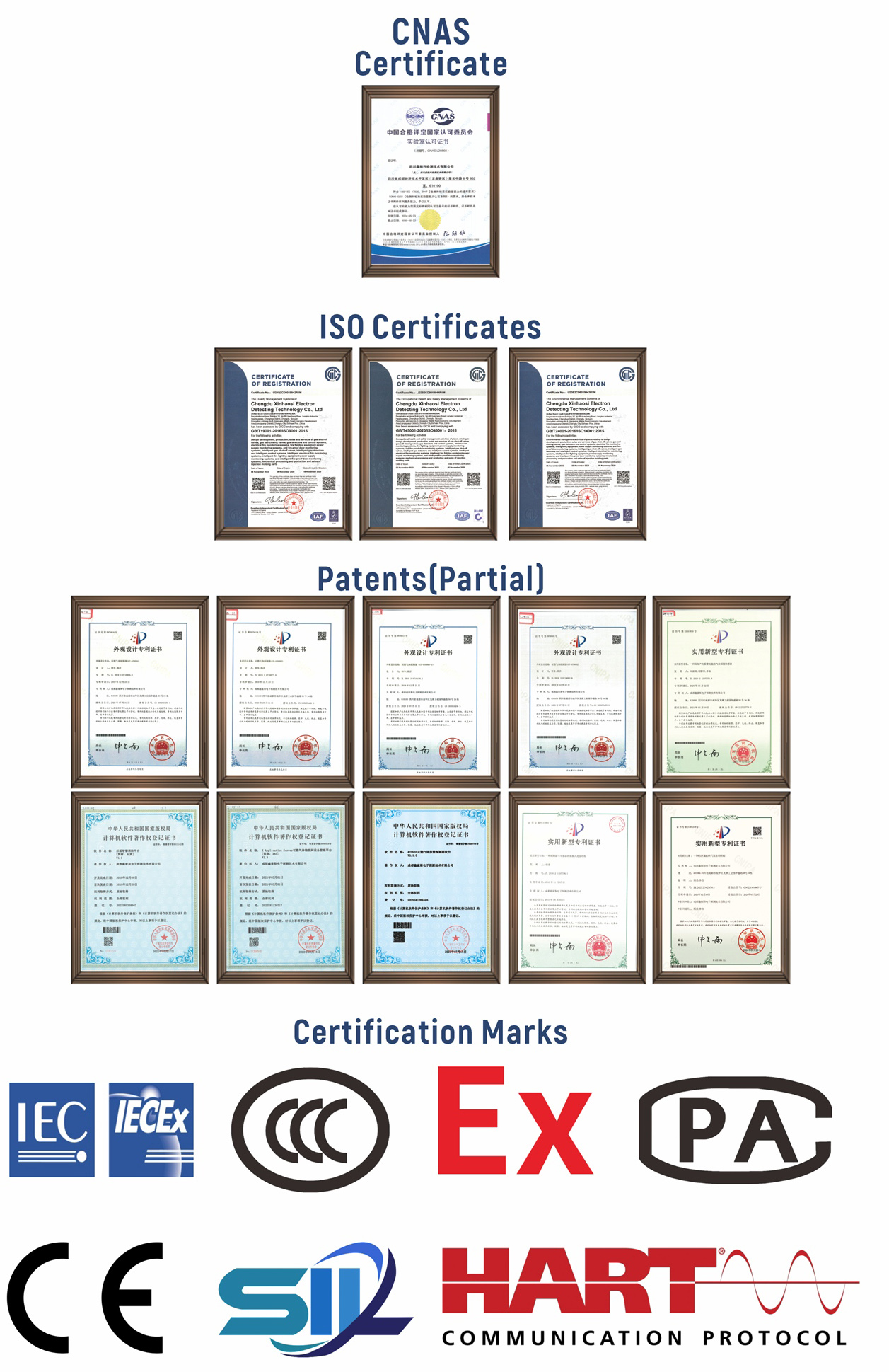
Adhering to ISO9001 quality management system standards, Xinhaosi's core products have obtained a full range of authoritative certifications, including national compulsory Products Certification, explosion-proof certification, fire product certification, CPA measurement instrument type approval certificate, and international approvals such as CE and SIL. Additionally, Xinhaosi holds honors such as "National Quality Integrity Benchmark Enterprise", "National Quality Leading Enterprise in the Gas Alarm Industry," member of the China Fire Protection Association, and the main drafting organization for the national standard of solenoid valves, further confirming its industry influence and reputation.
In the field of intellectual property, Xinhaosi has built a robust innovation system with over 50 patents and software copyrights. These patents cover core technological areas, including a graphical monitoring system for gas detection and alarm, which enables predictive maintenance based on historical data to reduce equipment failure rates by over 30%, and a solenoid valve with flow monitoring functionality that integrates flow detection and alarm capabilities. The company also pioneered networked bus-type gas leakage monitoring systems and maximum-point gas leakage monitoring systems, demonstrating its leading position in cutting-edge technological research.
Our in-house laboratory is accredited by the China National Accreditation Service for Conformity Assessment (CNAS), recognized both domestically and internationally under the ILAC-MRA framework. It operates in accordance with ISO/IEC 17025, the international standard for testing and calibration laboratories. It provides reliable and traceable testing services for gas detection and alarm products, solenoid valves, and related safety equipment. Test reports issued by the CNAS-accredited laboratory are widely accepted by regulatory authorities, certification bodies, and customers in China and overseas, helping to ensure product quality, safety compliance, and market access.
Understanding the physics of high-accuracy flame detection across hydrocarbon and non-hydrocarbon combustibles.
Modern industrial flame detection is rooted in the continuous analysis of electromagnetic radiation emitted by chemical fires. Industrial processes rely on two primary spectral bands: Ultraviolet (UV) and Infrared (IR).
Utilizes three narrow-band infrared sensors to monitor different wavelengths (typically 4.4 microns for the CO2 combustion peak, alongside two reference bands to monitor non-fire background radiation). This configuration provides the highest false alarm immunity, and excels in smoky or dusty environments over long distances.
Combines an ultraviolet sensor (operating in the 185-260 nm solar-blind region) with an infrared sensor. The system requires both sensors to register a fire signature before generating an alarm. This approach is highly effective for chemical processing plants using complex solvent systems.
Optimized for fast-developing, highly clean fires, such as those involving hydrogen or light hydrocarbons. The single UV detector reacts in milliseconds. However, it must be shielded from external arc welding, lightning, and industrial X-rays to prevent false alarms.
| Technology Type | Typical Spectral Wavelengths | Detection Range (n-Heptane / H2) | False Alarm Immunity | Optimal Industrial Application |
|---|---|---|---|---|
| Triple Infrared (3IR) | 4.4 µm, 4.0 µm, 4.8 µm | Up to 65 meters (hydrocarbons) | Excellent (Highest rating) | Oil & Gas refineries, Biomass storage, Tunnel networks |
| Dual IR/UV | 185–260 nm (UV) + 2.7–4.4 µm (IR) | Up to 30 meters | Very Good | Chemical distribution plants, Fuel loading racks |
| Single UV | 185–260 nm | Up to 15 meters | Moderate (Sensitive to lightning & welding) | Hydrogen battery rooms, Semiconductor cleanrooms |
| Dual IR | Dual bands in the 4.0–4.8 µm spectrum | Up to 40 meters | Good | Indoor processing plants, turbine enclosures |
Leveraging automated manufacturing scale and CNAS-level testing for OEM/ODM excellence.
European procurement officers navigating volatile logistics markets face a dual challenge: ensuring strict compliance with local safety standards while maintaining reasonable unit costs. Xinhaosi solves this challenge through our "Factory 4.0" manufacturing system, located in Chengdu and Deyang.
By integrating automated Surface Mount Technology (SMT) lines, robotic optical alignment test cells, and environmental stress chambers, we achieve high production yields. Our CNAS-accredited calibration laboratory (accredited under ISO/IEC 17025) ensures that every optical sensor module is individually calibrated and documented. This reduces batch-to-batch variation, a common problem with smaller boutique manufacturers.
For Austrian and European system integrators, this represents a major advantage. Our industrial supply chain is backed by large-scale inventories of raw components and standardized detector components, allowing us to shorten lead times for custom OEM requests. Whether you require tailored enclosure branding, modified Modbus RTU communication protocols, or specialized mounting hardware for extreme alpine environments, our R&D team can deliver working prototypes in a fraction of the standard industry timeline.
From a regional safety startup to an international technology provider.
Established on April 17th, 2003. Launched our first generation of gas leak alarms and fire fighting accessories. Laid the foundation for our core research department.
Initiated dedicated gas safety valve production lines. Formally expanded into the OEM/ODM market, and relocated to our custom office facility in Longtan Industrial Park.
Achieved sales of over 10 million gas detectors. Relocated to our primary Chengdu factory. Established service networks across China and launched our first fire power monitoring systems.
Launched our self-developed IoT safety platform. Introduced automatic fire alarms, emergency lighting, and evacuation networks. Qualified as a supplier for Top 5 energy groups.
Began construction of the Deyang factory and formed the Petrochemical & International Business Division. Awarded the title of Sichuan Provincial Technology Center.
Deyang smart factory completed and operational. Launched urban pipeline monitoring solutions, wireless smart safety detectors, and AI-enabled safety valve products.
A quantitative overview of our research and production capacity.
Answers to critical questions regarding standards, calibration, and integration.
From optical flame verification to heavy-duty control panels and gas warning installations.