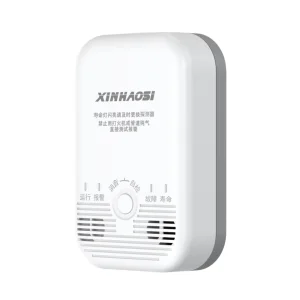
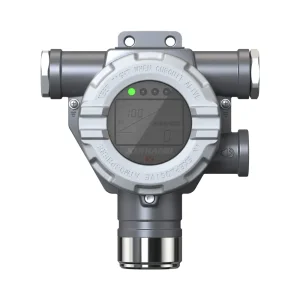
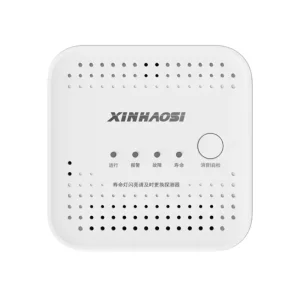
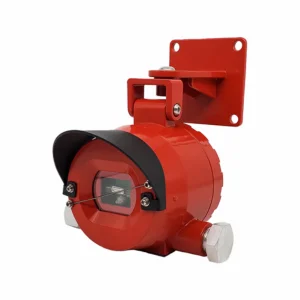
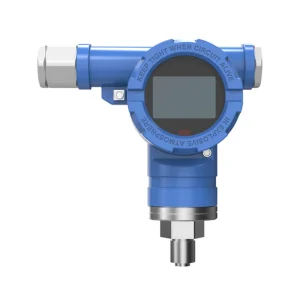
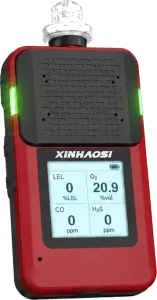
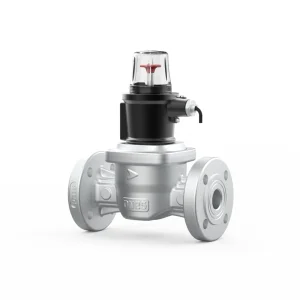
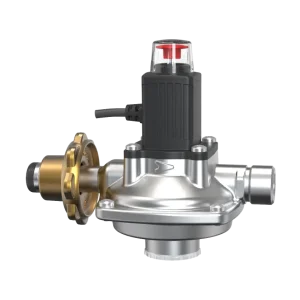
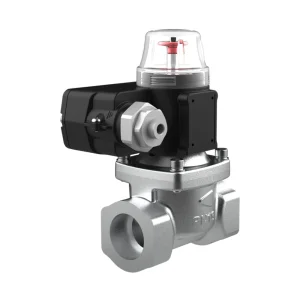
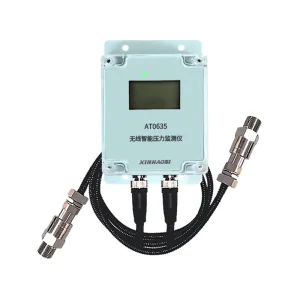
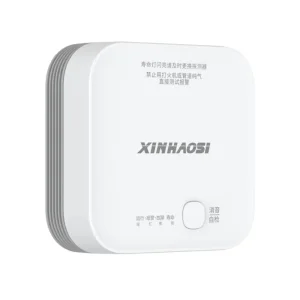
Explore our comprehensive range of high-precision toxic gas monitors, explosive detectors, pressure transmitters, and safety shut-off systems engineered for challenging environments.
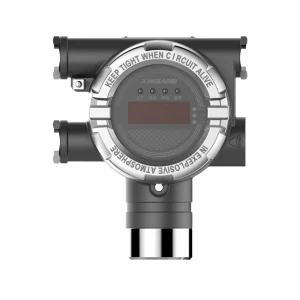
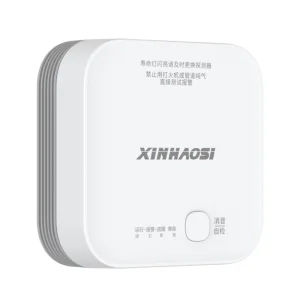
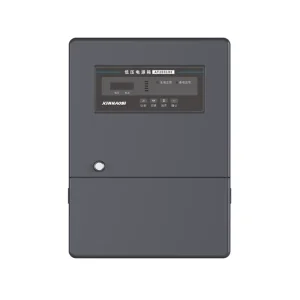
Select one of our functional dimensions to review Xinhaosi's structural capability and standard compliance profiles.
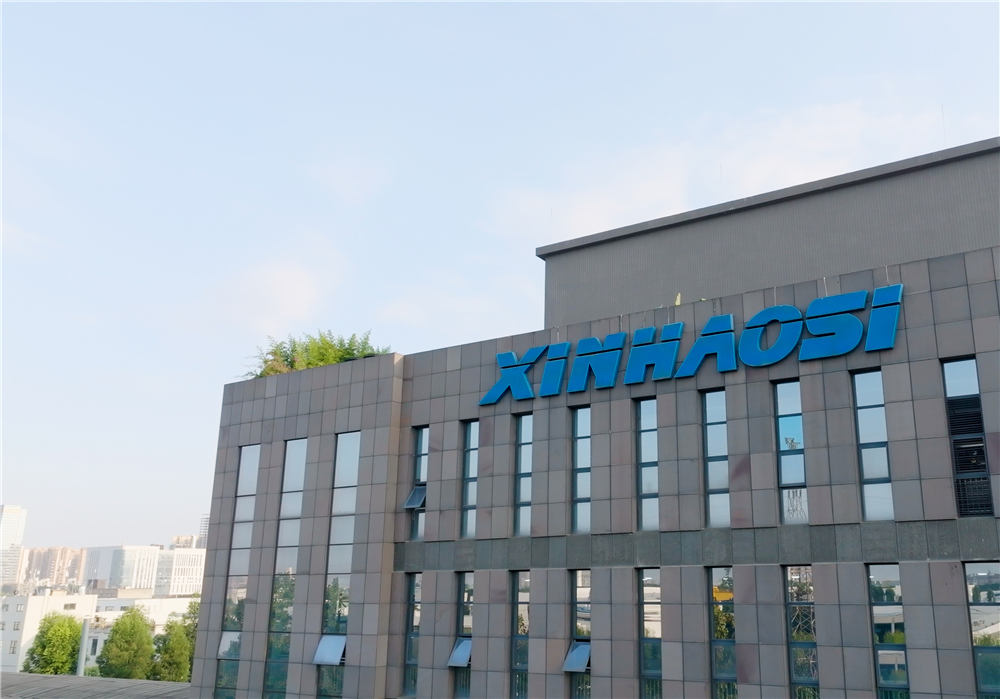
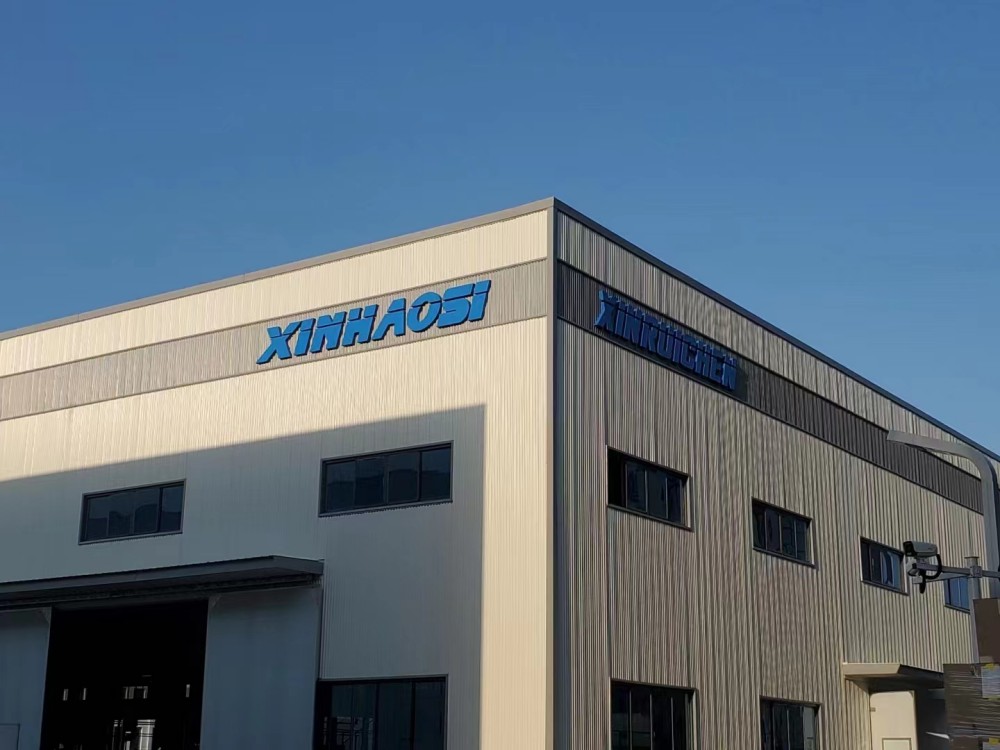
Founded in 2003, Xinhaosi is one of the most influential and trusted brands in the global gas safety industry. Over the past two decades, we have steadily built a robust and comprehensive production and service system. This integrates cutting-edge R&D, intelligent manufacturing with advanced automation equipment, digital marketing across global channels, professional after-sales support with an experienced technician team, flexible OEM/ODM services, and CNAS-Accredited laboratory calibration services that meet international standards.
Our diversified product portfolio covers industrial & residential gas detection & alarm systems, industrial & household gas solenoid valves, and urban gas pipeline network monitoring systems—all engineered to adapt to complex working environments and strict safety requirements. We produce and sell tens of millions of units annually, catering to a wide range of industries that demand reliable gas detection solutions, including oil & gas exploration and production, petrochemicals, urban gas distribution, automotive manufacturing, pharmaceuticals, new energy, steel production, and beverage processing.
Guided by the core mission of “Making Gas Safety Accessible Everywhere,” we consistently deliver high-performance, reliable products and customized solutions tailored to each client’s unique needs. Every item we manufacture undergoes rigorous quality control tests, and every service we provide is backed by our professional technical team, fully embodying our unwavering commitment to safeguarding gas safety across both industrial workplaces and residential environments.
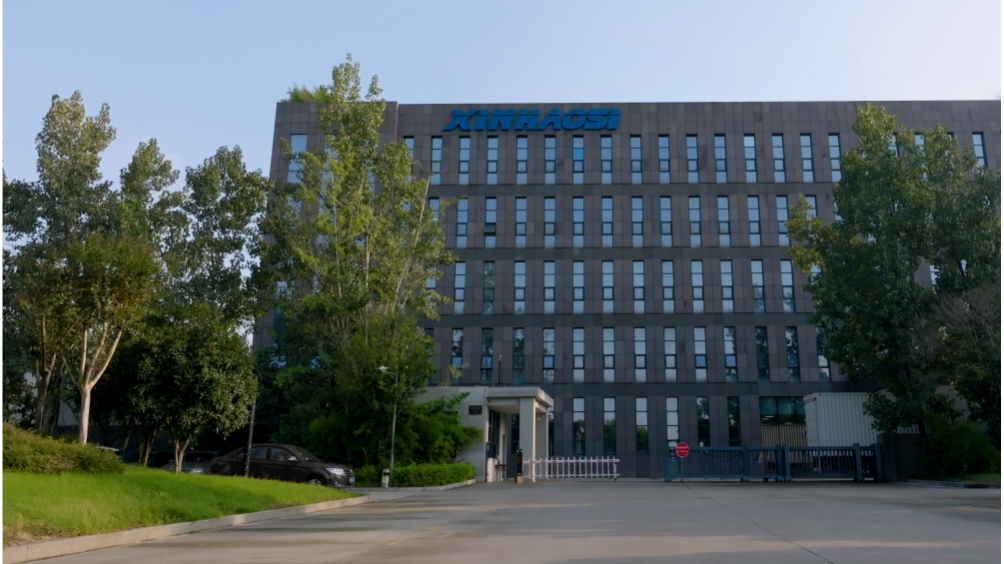
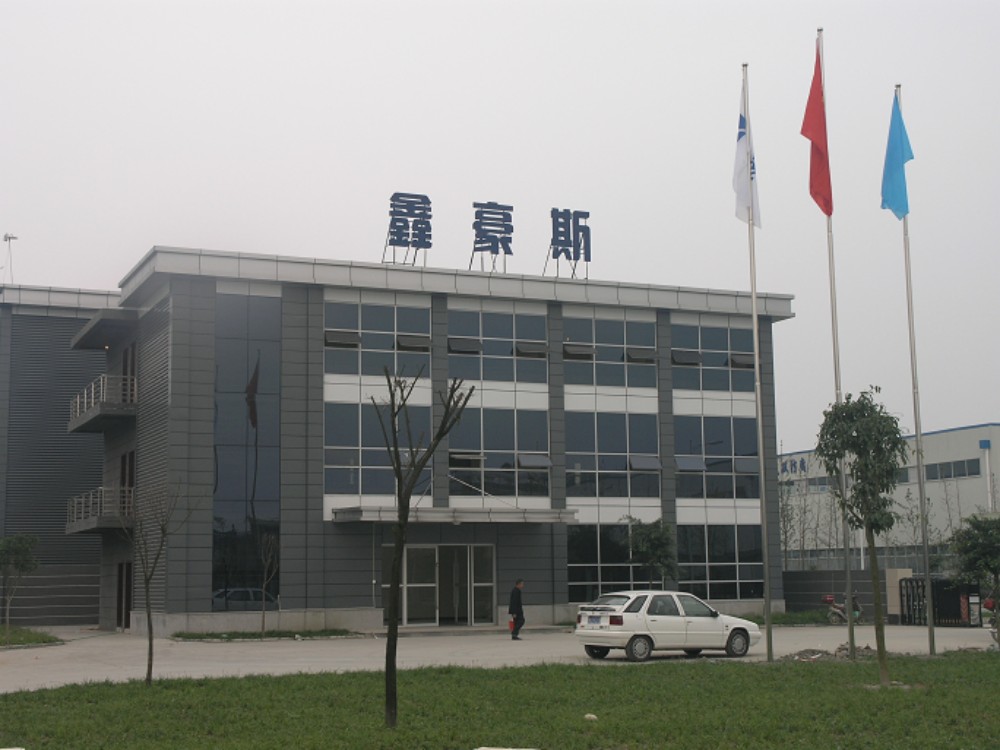
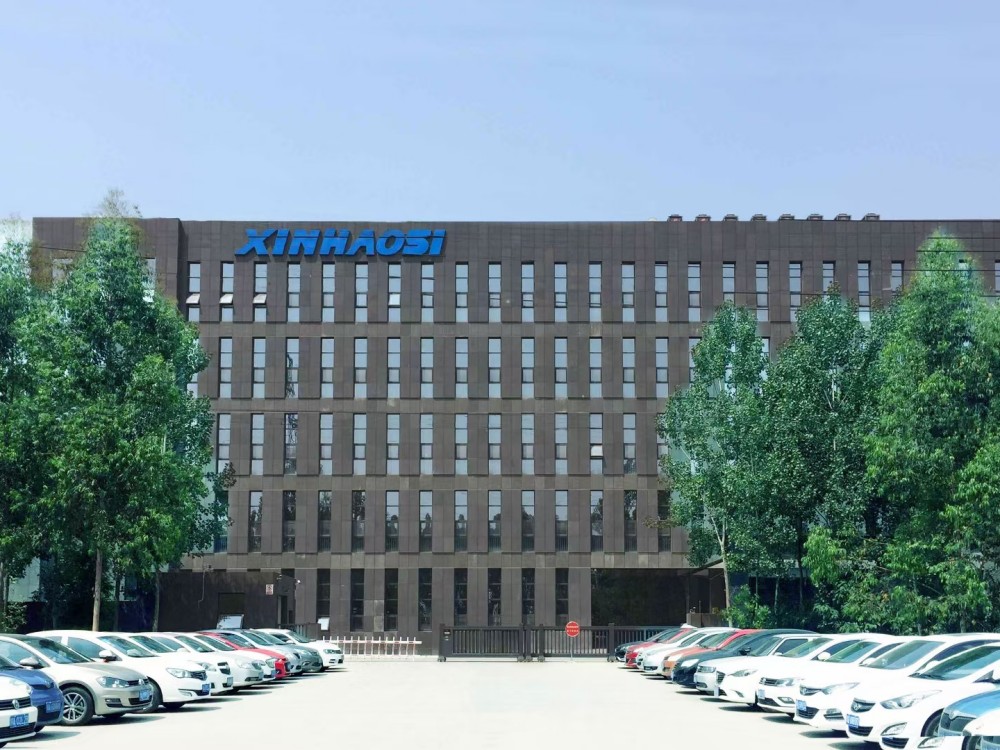
Chengdu Factory & Office
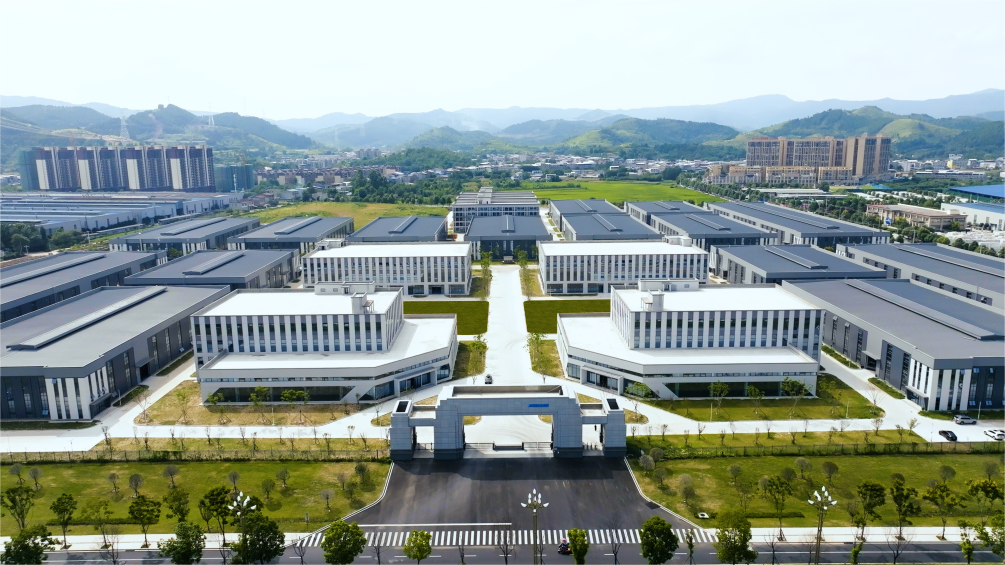
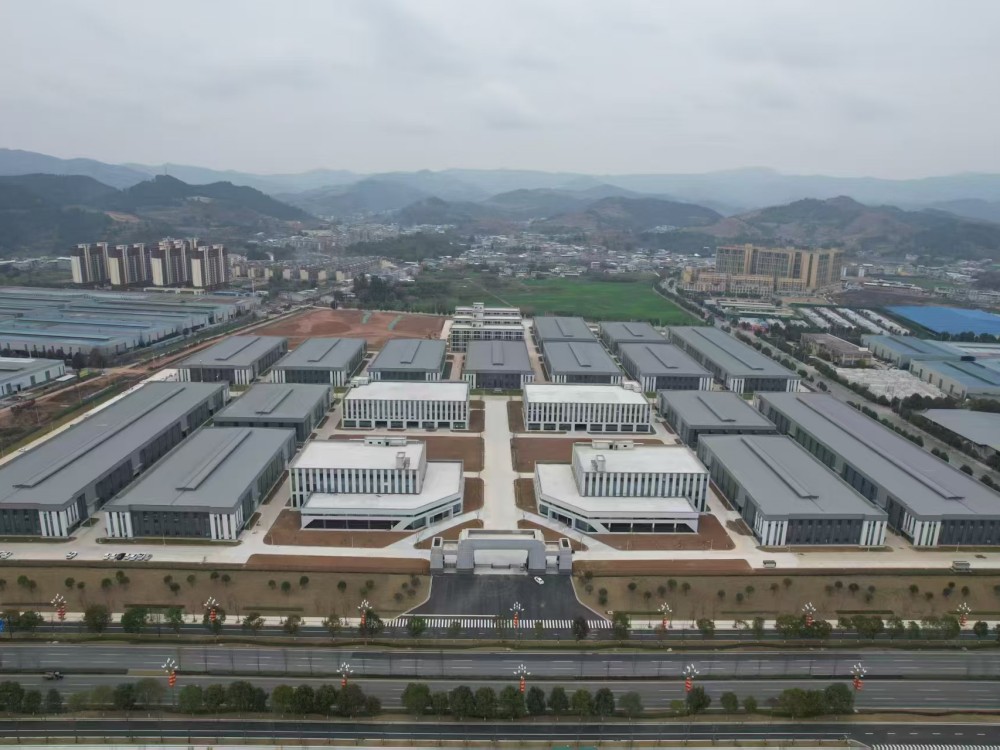
Deyang Factory
Years of R&D Industry Experience
Patents & Software Copyrights
Units Cumulative Annual Sales
Accredited Testing & Calibration Lab
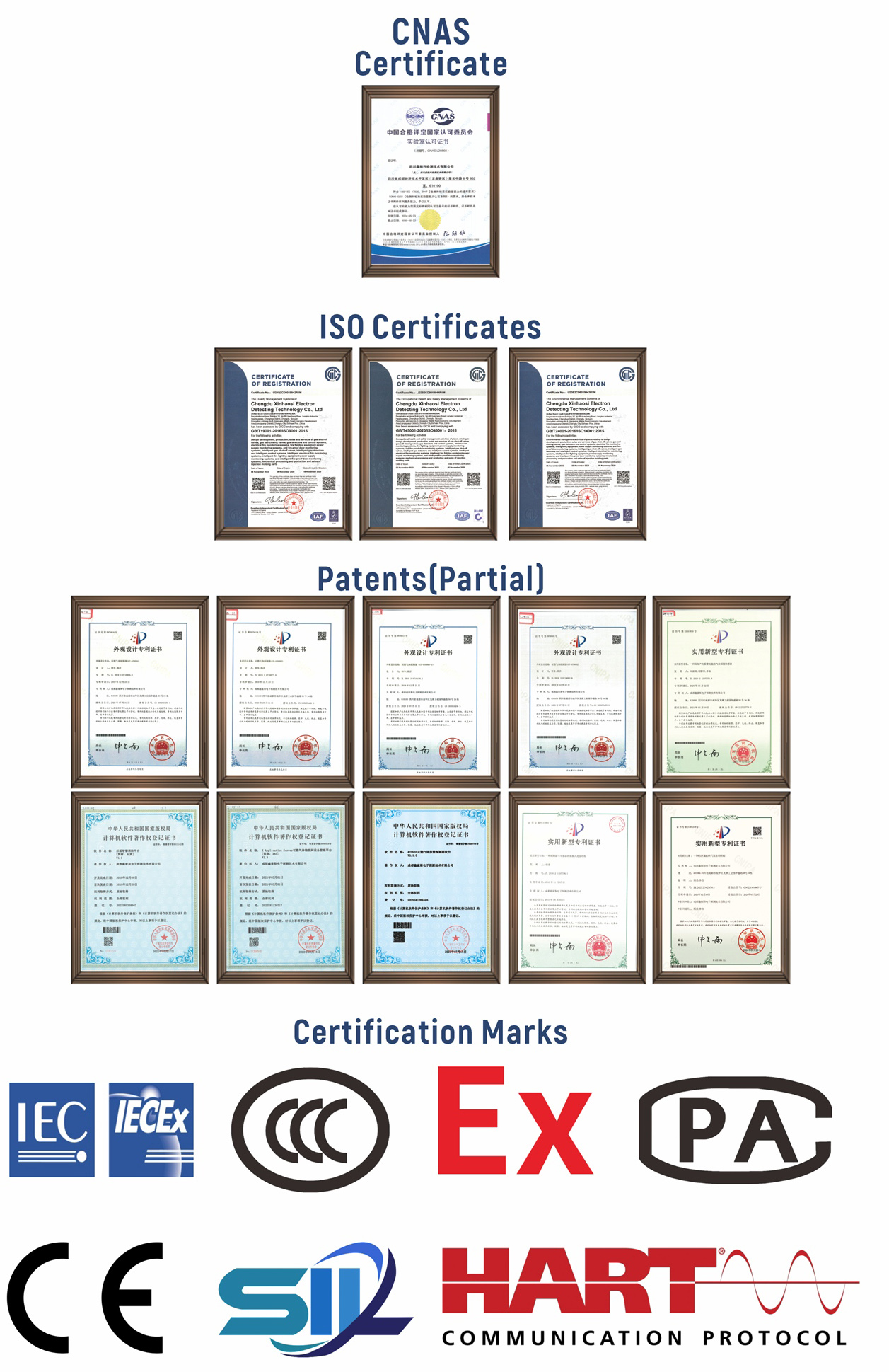
Adhering to ISO9001 quality management system standards, Xinhaosi's core products have obtained a full range of authoritative certifications, including national compulsory Products Certification, explosion-proof certification, fire product certification, CPA measurement instrument type approval certificate, and international approvals such as CE and SIL. Additionally, Xinhaosi holds honors such as "National Quality Integrity Benchmark Enterprise" and "National Quality Leading Enterprise in the Gas Alarm Industry," and serves as the main drafting organization for the national standard of solenoid valves.
In the field of intellectual property, Xinhaosi has built a robust innovation system with over 50 patents and software copyrights. These patents cover core technological areas, including a graphical monitoring system for gas detection and alarm that enables predictive maintenance based on historical data to reduce equipment failure rates by over 30%, and a solenoid valve with flow monitoring functionality. The company also pioneered China's first networked bus-type gas leakage monitoring system, demonstrating its leading position in cutting-edge technological research.
Our in-house laboratory is accredited by the China National Accreditation Service for Conformity Assessment (CNAS), recognized both domestically and internationally under the ILAC-MRA framework. It operates in accordance with ISO/IEC 17025, the international standard for testing and calibration laboratories. It provides reliable and traceable testing services for gas detection and alarm products, solenoid valves, and related safety equipment. Test reports issued by the CNAS-accredited laboratory are widely accepted by regulatory authorities, helping to ensure global product compliance and safety validation.
Providing customizable sensing, circuit topology, and enclosure designs tailored for heavy-industry standards.
We modify electrochemical, catalytic, NDIR, and photoionization (PID) sensors to detect specific target gases across unique ppm ranges, matching strict industrial application thresholds.
Offering heavy-duty aluminum alloy and 316 stainless steel enclosures certified with IP66/IP67 ingress ratings. Engineered to withstand hazardous Class I, Div 1 environments.
Integrate 4-20mA analog loop, RS485 Modbus, HART, LoRaWAN, and NB-IoT protocols directly into the sensor transmitter motherboard to ensure system interoperability.
Industrial development globally relies heavily on real-time sensing of dangerous environmental factors. Toxic gas detectors are vital tools for preventing industrial accidents, protecting plant workers, and maintaining regulatory compliance. This technical whitepaper addresses the critical factors when sourcing and engineering OEM Toxic Gas Detection Sensors, comparing factory cost structures, and analyzing the design metrics required by international regulations.
Modern industrial processing units face constant risk from toxic gases. These dangers include carbon monoxide (CO), hydrogen sulfide (H2S), ammonia (NH3), chlorine (Cl2), sulfur dioxide (SO2), and volatile organic compounds (VOCs). Environmental guidelines like OSHA, EU-OSHA, and Chinese GB standards specify strict Occupational Exposure Limits (OELs) and Threshold Limit Values (TLVs). These regulations demand safety systems that detect toxic gases down to parts-per-million (ppm) or parts-per-billion (ppb) scales.
Deploying gas safety systems has evolved from basic standalone alarms to integrated networks. Today's facilities require distributed sensor arrays connected to centralized safety PLC networks. The goal is to establish comprehensive safety systems that reduce risks to human health and prevent explosions or chemical fires. Achieving this requires high-quality manufacturing, precise sensor calibration, and stable signal processing.
| Toxic Gas Type | Primary Industrial Sources | Standard NIOSH/OSHA TLV (TWA) | Recommended Sensor Technology |
|---|---|---|---|
| Hydrogen Sulfide (H2S) | Oil & Gas Refining, Wastewater Treatment Plants | 10 ppm | Electrochemical / Solid-State Metal Oxide |
| Carbon Monoxide (CO) | Steel Manufacturing, Industrial Boiler Rooms, Combustion Systems | 35 ppm | Electrochemical |
| Ammonia (NH3) | Refrigeration Plants, Fertilizer Facilities, Chemical Processing | 25 ppm | Electrochemical / Catalytic Bead (High Range) |
| Chlorine (Cl2) | Water Purification Plants, Pharmaceutical Synthesis | 0.5 ppm | Electrochemical / Amperometric |
| Volatile Organics (VOCs) | Petrochemical Processing, Industrial Painting and Coating | Varies (e.g. Benzene < 1 ppm) | Photoionization Detector (PID) / NDIR |
For global procurement managers, partnering with Chinese OEM/ODM factories like Xinhaosi provides distinct supply chain and technical advantages:
Industrial gas detection equipment must operate reliably in challenging environmental conditions, including high humidity, extreme temperatures, and corrosive atmospheres. Sensor manufacturers use several strategies to ensure long-term field stability:
When selecting gas safety equipment for high-risk zones (such as Class I, Division 1, or ATEX Zone 1/2), design engineers prioritize certified hardware:
Over two decades of dedication to advancing safety technologies, scaling from a startup to a trusted global supplier.

Technical answers to help engineers, plant safety officers, and sourcing managers make informed safety equipment decisions.
Under normal operating conditions, electrochemical sensors typically last between 2 and 3 years. Exposure to high humidity, extreme temperatures, or continuous background levels of target gases can shorten sensor life. Implementing regular maintenance and verification schedules helps identify when sensors need replacement.
We recommend calibrating gas detectors every 6 months using traceable calibration gases. For high-risk facilities or environments with potential sensor contaminants, quarterly calibrations may be required. Performing routine bump tests confirms that the sensor and alarms are responding correctly.
ATEX is the European Union's mandatory directive for equipment used in explosive atmospheres. IECEx is an international standard aimed at harmonizing safety requirements globally. CNAS is China's national body that accredits testing and calibration laboratories, ensuring their reports align with international ISO/IEC 17025 standards.
Yes. Our engineering division designs custom sensor housings utilizing specialized metal casting and heat dissipation solutions. These custom designs allow sensors to operate in process temperatures exceeding standard operating limits while maintaining explosion-proof safety certifications.
Discover more solutions from our extensive product portfolio, designed for commercial, municipal, and industrial applications.