Sulfur Dioxide ($SO_2$) is a major atmospheric pollutant and toxic gas generated during coal combustion, metallurgical smelting, petroleum refining, and chemical synthesis. Strict occupational health regulations dictate continuous and highly reliable monitoring of $SO_2$ to prevent acute toxicity, severe respiratory injury, and systemic metal degradation from acid rain formation.
As a leading OEM Sulfur Dioxide Sensor Manufacturer, Xinhaosi develops and delivers advanced gas sensing instruments that utilize high-performance electrochemical principles and non-dispersive infrared (NDIR) spectroscopic technologies. Our $SO_2$ sensors provide extreme precision down to sub-ppm levels, fast response speed ($T_{90} < 30s$), and minimized cross-sensitivity to interference gases like nitric oxide ($NO_2$), carbon monoxide ($CO$), and hydrogen sulfide ($H_2S$).
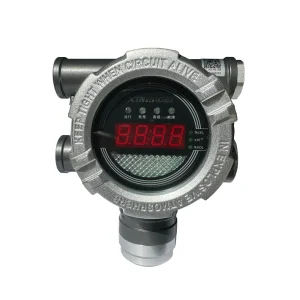
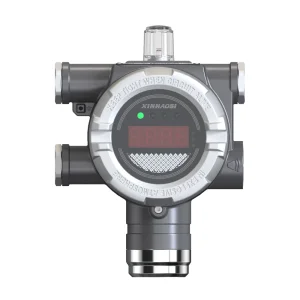
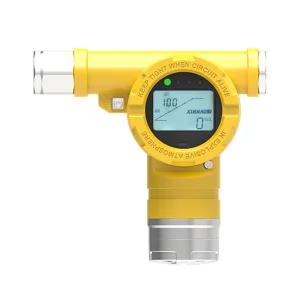
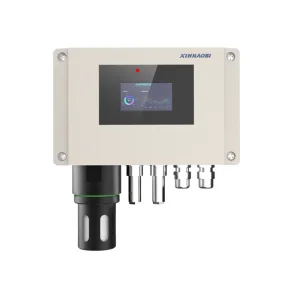
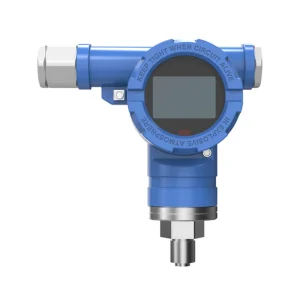
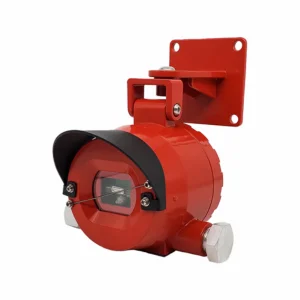
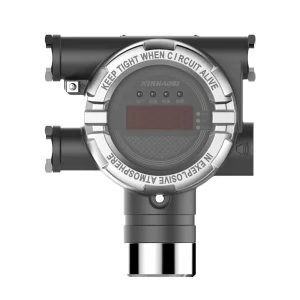
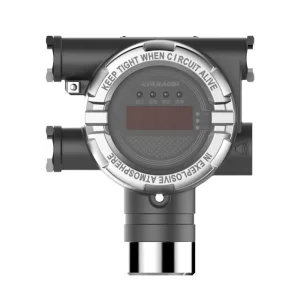
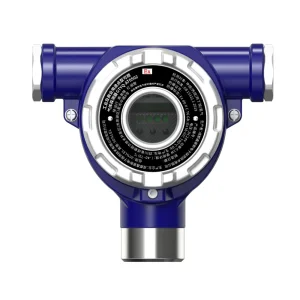
Whether integrated into explosion-proof gas detectors (such as our GTYQ-AT0602 and XP3000 series) or utilized as critical modules within industrial safety cabinets, our OEM sensors are calibrated to withstand high moisture, temperature extremes, and corrosive process streams, guaranteeing robust safety assurance across hazardous environments.
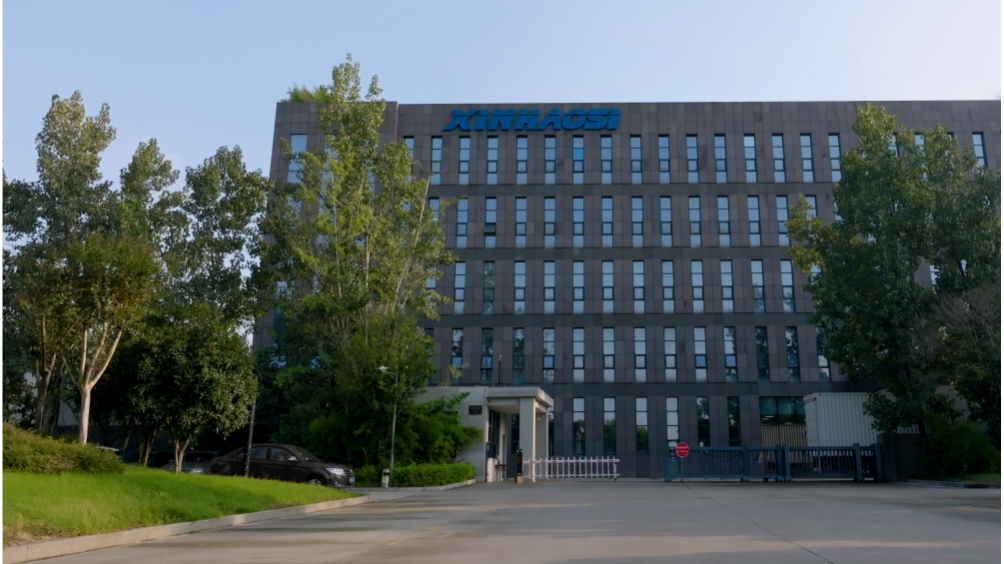
Xinhaosi Chengdu R&D Center and Corporate HQ
Years of Safety R&D
Patents & IP Rights
Sensors & Controllers Sold
Accredited Calibrations
Traditional liquid-electrolyte electrochemical sensors suffer from electrolyte evaporation or leakage in dry/hot climates. Our next-generation $SO_2$ sensor platform transitions towards solid-state and polymer electrolytes, extending the operational lifetime from the current 2-3 years to over 5 years, while ensuring stable readings under extreme dryness.
By adopting Micro-Electro-Mechanical Systems (MEMS) manufacturing processes, we are shrinking the footprint of $SO_2$ sensors to just a few square millimeters. MEMS-based gas sensors facilitate seamless integration into wearable personal safety detectors and smart IoT badges without compromising sensitivity or accuracy.
Xinhaosi's graphical monitoring system and IoT software infrastructure will embed advanced machine learning models directly at the node level. By tracking environmental parameters (temperature, humidity, pressure), our smart $SO_2$ systems run real-time correction algorithms that reduce baseline drift and eliminate false alarms.
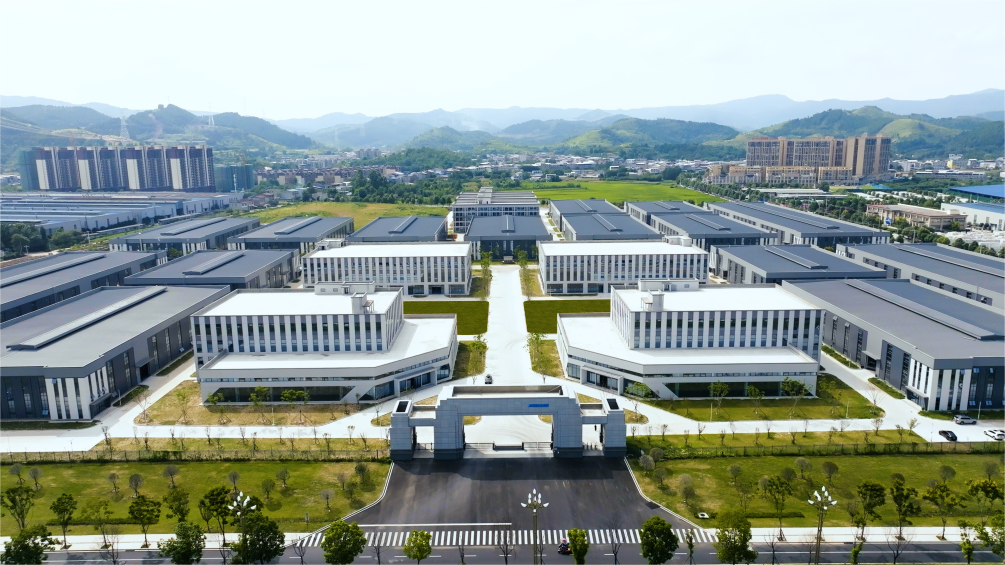
Our Deyang Mega Intelligent Manufacturing Facility
In the global gas detection industry, supply chain stability is synonymous with worker safety. Leveraging our modern manufacturing assets in Chengdu and our newly commissioned intelligent manufacturing plant in Deyang, Xinhaosi enjoys complete raw material control and cost optimization advantages that are passed directly to our OEM/ODM partners.
Our domestic vertically integrated supply chain ensures that precision components—such as metal catalysts, porous diffusion membranes, low-power microcontrollers, and explosion-proof cast aluminum enclosures—are manufactured and assembled under one unified quality management umbrella (ISO9001 certified). This localized vertical integration drastically reduces lead times for bulk orders from months down to a few weeks, insulating global buyers from shipping delays and regional logistics bottlenecks.
Moreover, our advanced automated testing chambers allow us to perform high-throughput simultaneous calibration of thousands of sensor modules. We utilize robotic testing cells that run automatic temperature-compensated calibration loops, ensuring that every batch of OEM $SO_2$ sensors possesses identical electrical characteristics, zero baseline deviation, and flawless performance before dispatch.
Founded in 2003, Xinhaosi has established itself as one of the most influential and trusted names in the global gas safety sector. Over the past two decades, we have constructed a comprehensive, state-of-the-art production ecosystem encompassing cutting-edge R&D, highly automated intelligent manufacturing, global digital distribution, experienced technical support, custom OEM/ODM solutions, and a fully accredited CNAS laboratory complying with international calibration criteria.
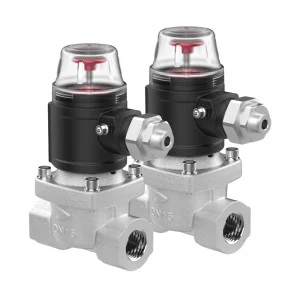
Our expansive product portfolio spans industrial and domestic gas detection alarms, integrated solenoid shut-off valves, wireless smart pressure transceivers, and urban pipeline monitoring networks. Every system is built to survive in extreme industrial environments—be it chemical processing plants, metallurgical coke ovens, offshore drill platforms, or large-scale municipal utility projects.
An elite engineering team focused on electrochemical cell architectures, optical gas spectroscopy, and low-power IoT electronics.
Custom PCB design, localized firmware programming, enclosure modifications, and multi-protocol communications integration.
CNAS laboratory accredited in conformity with ISO/IEC 17025, providing fully certifiable and auditable gas test protocols.
Depending on the localized microclimate and industry requirements, $SO_2$ monitoring challenges vary. A generic sensor is insufficient; specialized configurations are vital. Below, we discuss the primary environments where our OEM detectors are deployed globally:
Coal-fired power plants pass exhaust through wet or dry scrubbers to capture $SO_2$. Monitoring pre- and post-scrubbing gas streams requires robust sensors that ignore high moisture levels (approaching saturation) and potential sulfate aerosol build-ups. Our custom filters protect the sensor electrode from liquid condensation, preventing sensor short-circuits.
Smelting sulfide-containing metallic ores generates enormous concentrations of $SO_2$. In coking operations and steel mills, $SO_2$ co-exists with high levels of $CO$ and $H_2S$. Our high-selectivity electrochemical $SO_2$ sensors utilize chemical internal filters that scrub out cross-sensitive gases, preventing false positive alarms.
The chemical pulping process uses sulfurous acid to dissolve wood lignins. In these mills, ambient atmospheres are corrosive and damp. Our explosion-proof and corrosion-resistant gas detectors (such as the GTYQ-AT0602) feature rugged SS316 stainless steel sensor heads and IP66/IP67 rated enclosures to ensure reliable monitoring.
Established on April 17, 2003. Launched our first-generation gas leakage alarms and fire fighting system products, establishing footprint in China's growing safety market.
Started gas safety valve production. Expanded our custom OEM services for global safety brands. Relocated our corporate office to Longtan Industrial Park.
Achieved 10 million units cumulative sales. Relocated to our dedicated Chengdu manufacturing site. Launched automated fire power monitoring and evacuation systems.
Launched our proprietary gas safety IoT platform. Obtained national High-Tech Enterprise certification. Became an approved safety equipment supplier for China's Top 5 gas utility providers.
Initiated the Deyang intelligent factory construction. Formed our dedicated Petrochemical & International Business Divisions. Awarded the title of Sichuan Provincial Technology Center.
Deyang mega-factory commences fully automated operation. Launched state-of-the-art wireless smart safety networks, smart AI solenoid valves, and advanced urban gas pipeline monitoring products.
Deploying gas safety systems requires adherence to national and international standards. Xinhaosi ensures its products hold the necessary global approvals. We strictly follow ISO9001 quality management procedures, and our core models are fully certified under rigorous frameworks:
Our CNAS-accredited calibration laboratory (accredited under ILAC-MRA framework) ensures that all testing is traceable, providing verified accuracy and helping international clients secure local regulatory approvals easily.
| Feature / Parameter | Electrochemical SO₂ Sensor | NDIR SO₂ Sensor |
|---|---|---|
| Measurement Range | 0–20 ppm / 0–100 ppm | 0–500 ppm / 0–5000 ppm |
| Resolution | 0.1 ppm | 1 ppm |
| Response Time ($T_{90}$) | < 30 seconds | < 40 seconds |
| Expected Lifetime | 24–36 months | > 5 years |
| Cross Sensitivity | Low (with internal filter) | Zero (physically immune) |
| Temperature Range | -40°C to +50°C | -20°C to +60°C |