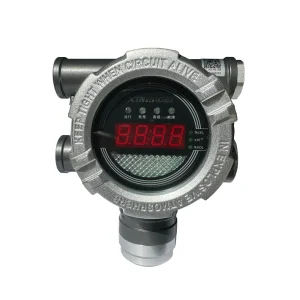
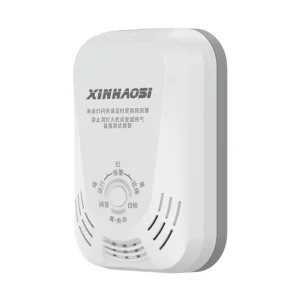
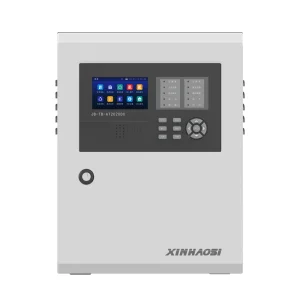
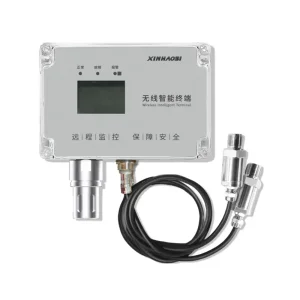
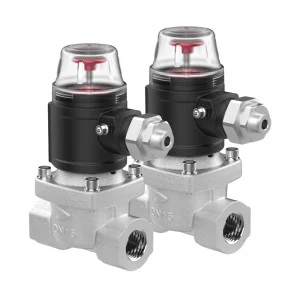
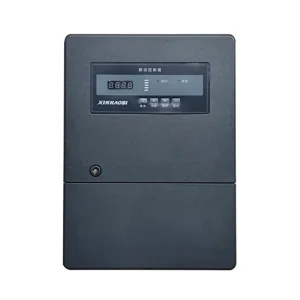
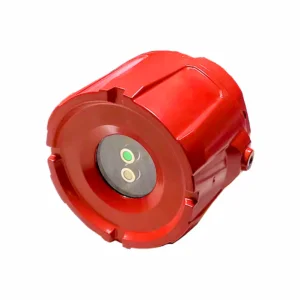
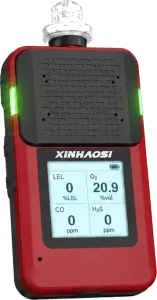
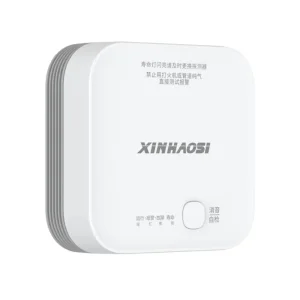
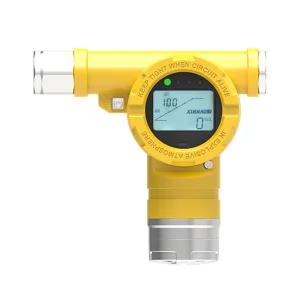
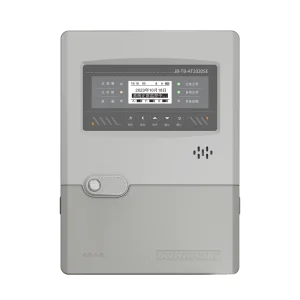
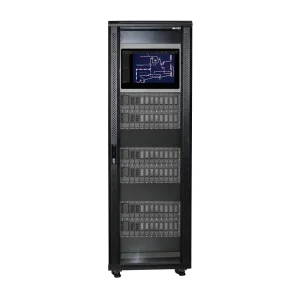
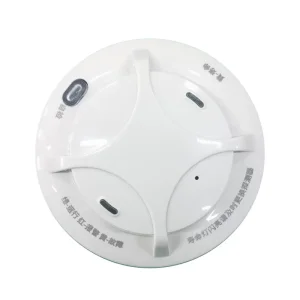
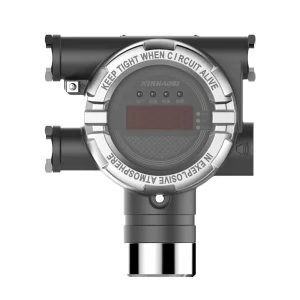
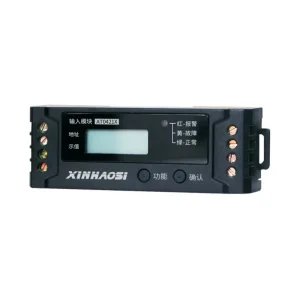
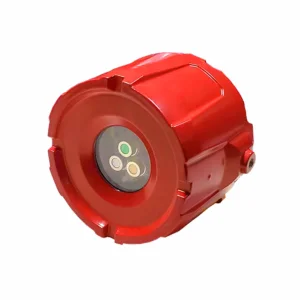
Explore our high-performance industrial controllers, flame detectors, solenoid valves, and intelligent gas monitoring systems engineered to meet international safety certifications.
Carbon Monoxide (CO), colloquially designated as the "silent killer," remains one of the most persistent and dangerous operational hazards across residential, commercial, and heavy industrial environments. Because CO is entirely tasteless, odorless, and invisible to the naked human eye, mechanical and chemical sensor arrays represent the sole line of defense against lethal exposures. Under normal physiological conditions, carbon monoxide binds with human hemoglobin to form carboxyhemoglobin (COHb), drastically reducing the blood’s capacity to transport oxygen to vital organs. As a result, even minor concentrations (measured in parts per million, or PPM) require rapid, reliable detection and automated safety system responses.
For system integrators, OEM distributors, and facility managers, partnering with qualified carbon monoxide alarm manufacturers is no longer merely a procurement decision—it is a critical safety audit compliance. Today’s industrial landscape demands smart, networked, and long-life CO alarms that not only sound localized audio-visual sirens but integrate seamlessly with building management networks, automated HVAC ventilation dampers, gas shut-off valves, and centralized SCADA telemetry. Xinhaosi leads this paradigm shift by delivering precision-engineered electrochemical and semiconductor-based CO alarm technologies, coupled with flexible OEM/ODM manufacturing capability.
Navigating different regulatory regimes and technology demands across global industrial markets.
The macro-market for carbon monoxide sensing technologies is undergoing a rapid transition, driven by stricter municipal building regulations and expanded occupational health laws. In North America, standards such as **NFPA 720** (Standard for the Installation of Carbon Monoxide Detection and Warning Equipment) and **UL 2034** dictate the exact timelines, positions, and sensitivity parameters for CO safety hardware. Concurrently, European markets are governed strictly by the **EN 50291-1:2018** (for domestic premises) and **EN 50291-2** (for recreational crafts and commercial spaces) frameworks, which mandate rigorous environmental testing, humidity resistance, and extended sensor stability.
Within the commercial sector, large multi-family residential complexes, indoor parking structures, commercial kitchens, and boiler rooms present complex monitoring problems. Accumulation of CO in enclosed vehicle parking spaces is a primary hazard; modern building codes require dynamic ventilation controls triggered by real-time CO monitoring systems to reduce energy consumption from continuous fan operation. In industrial settings, such as chemical processing plants, metallurgy operations, and waste management centers, CO alarms must be engineered with explosion-proof enclosures, high IP ingress ratings, and cross-sensitivity filtering to prevent false activations from ambient gases like hydrogen or methane.
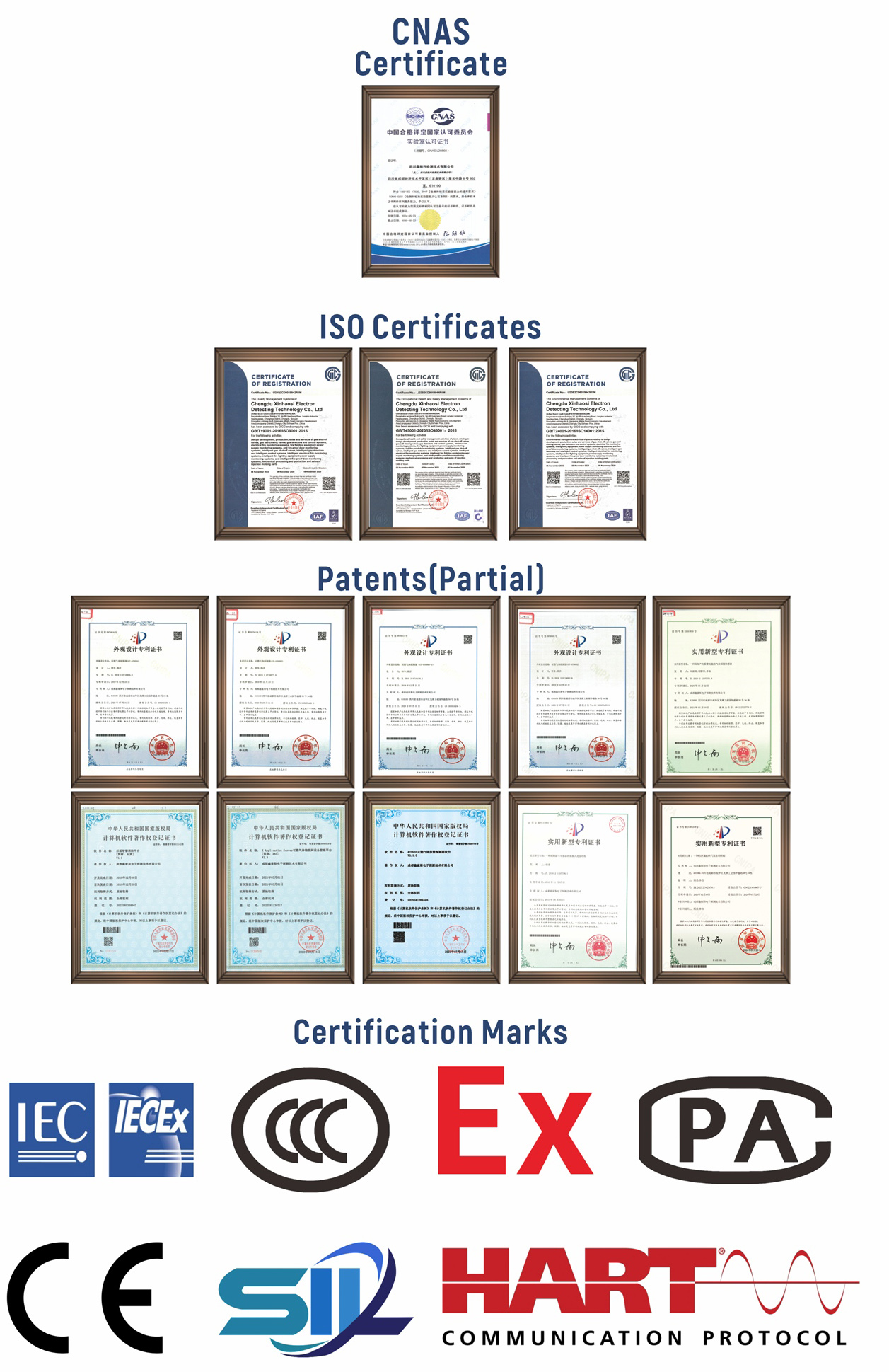
Certified products engineered to align with UL 2034, EN 50291, CE, and SIL standards to ease regional import and integration procedures.
Fail-safe designs with continuous self-diagnostic algorithms that identify sensor drift or hardware degradation before system faults occur.
Flexible communication backbones supporting Modbus, RS485, LoraWAN, NB-IoT, and 4-20mA analog signalling networks.
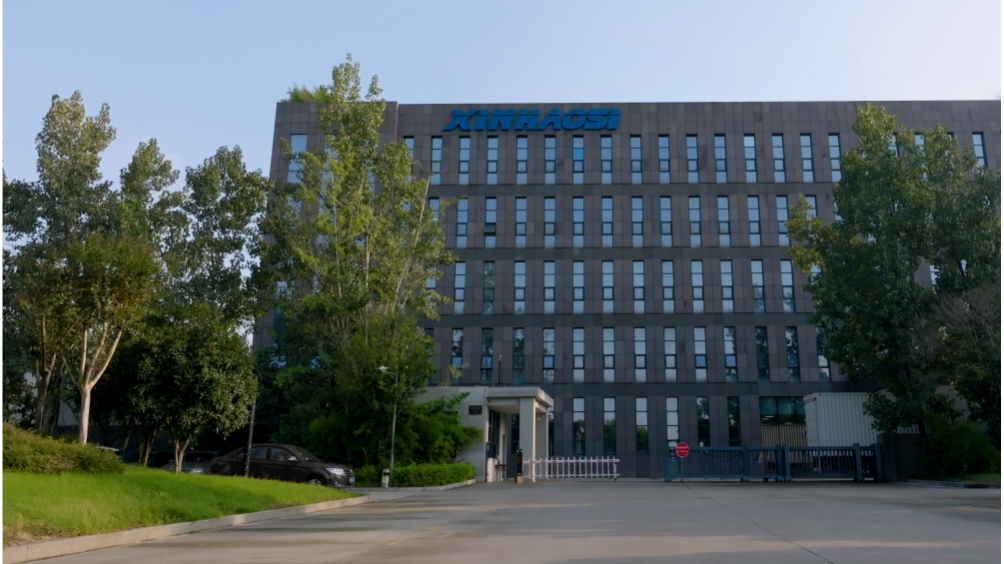
Chengdu R&D Headquarters & Factory

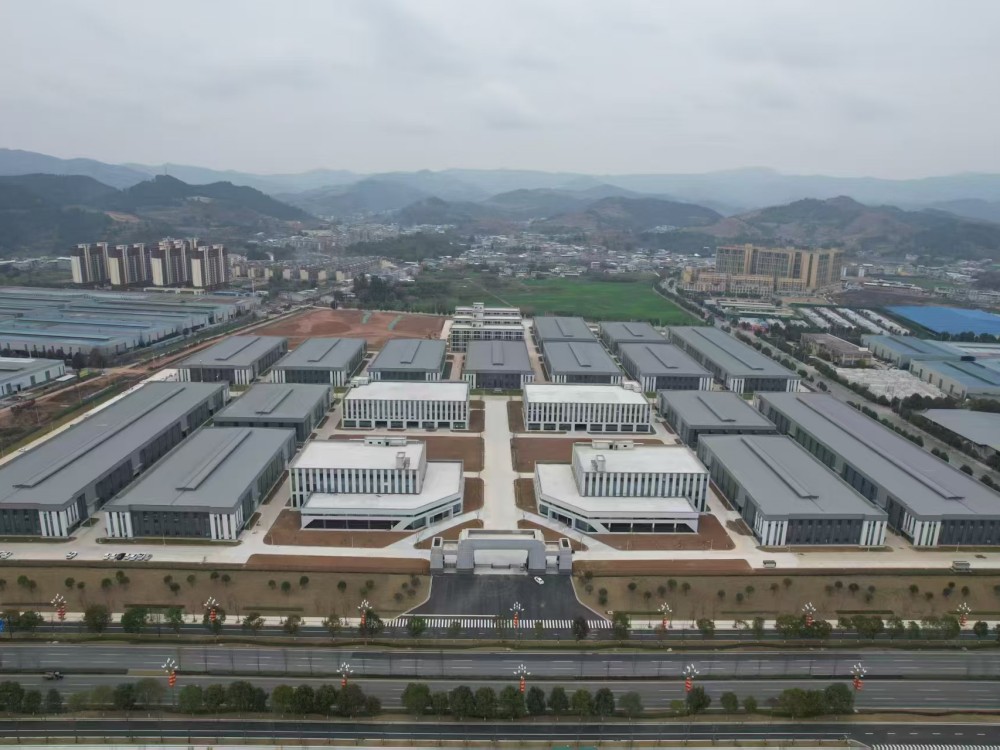
Deyang Smart Production Base
Founded in 2003, **Xinhaosi** has established itself as an influential safety pioneer. Over two decades, we have constructed an integrated production ecosystem combining cutting-edge Research & Development, automated intelligent manufacturing, digital global marketing, and professional post-sale technical support. Our custom OEM and ODM services allow global distributors to configure gas safety hardware to match precise national regulatory standards and unique brand designs.
Operating across our major Chengdu and Deyang facilities, we manufacture millions of safety devices annually. Every carbon monoxide alarm, industrial controller, and solenoid valve is validated within our **CNAS-accredited laboratory**, which complies with the rigorous **ISO/IEC 17025** international standard. This compliance guarantees that test reports and calibrations are recognized worldwide under the ILAC-MRA framework, providing our international partners with simplified regulatory certification and confidence in our products' field safety.
The progression of gas detection hardware toward AI diagnostic capabilities and solid-state sensors.
The technical roadmap for carbon monoxide alarms focuses on three major development paths: **sensor lifespan extension**, **multi-sensor fusion**, and **AI-driven predictive analytics**. Historically, electrochemical CO sensors suffered from drift and sensitivity loss over 3–5 years due to electrolyte dehydration or chemical poisoning. Current research and production focus on advanced solid-state and polymer-gel electrolytes that extend functional sensor lifespans to 10 years, aligning with municipal codes that mandate ten-year sealed battery life for residential devices.
Furthermore, the integration of **multi-sensor arrays** is redefining emergency prevention. By combining carbon monoxide, methane, and smoke sensors into a single smart system, the alarm controller can differentiate between benign cooking fumes, localized vehicular exhaust, and a structural fire. Our self-developed graphical monitoring algorithms use historical data trend analysis to predict device failures, reducing overall equipment maintenance costs by up to 30%.
| Feature / Parameter | Electrochemical CO Sensor | Solid-State Semiconductor CO Sensor | Next-Gen Optical / NDIR (CO) |
|---|---|---|---|
| Typical Lifespan | 7 - 10 Years (Advanced Gel) | 5 - 7 Years | 10+ Years (In Development) |
| PPM Detection Range | 0 - 1,000 ppm (Ultra-linear) | 30 - 500 ppm | 0 - 5,000 ppm |
| Cross-Sensitivity | Very Low (With Filters) | Moderate (Affected by VOCs) | Extremely Low |
| Power Consumption | Micro-amperes (Battery Friendly) | Moderate (Heater required) | High (Intermittent pulse mode) |
A history of development, technological achievements, and international expansion over the past two decades.
Established on April 17th, 2003. Launched our first generation of gas leak alarms and fire prevention systems, building the foundation of our engineering capabilities.
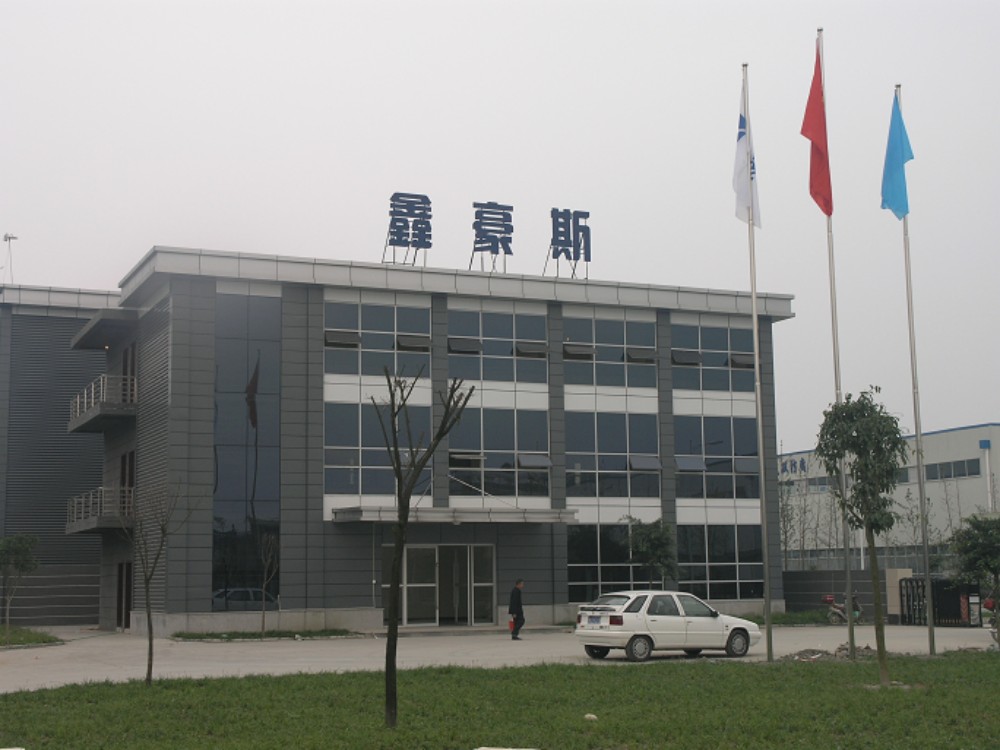
Began production of gas safety solenoid valves. Expanded our OEM operations and relocated our primary office to the Longtan Industrial Park to support growing production volumes.

Achieved sales of 10 million cumulative gas detectors. Moved into the Chengdu factory complex, finalized our nationwide support network, and launched electrical power safety systems.
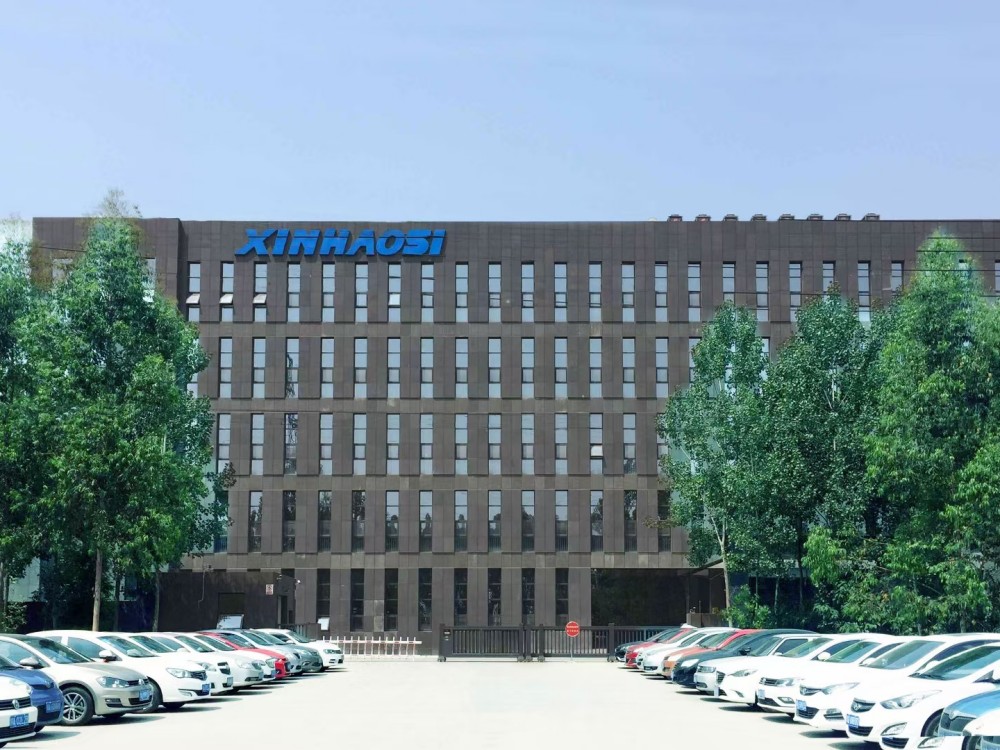
Launched our self-developed IoT cloud platform. Introduced fire alarms and emergency lighting safety systems. Qualified as a supplier for China's top five gas companies.
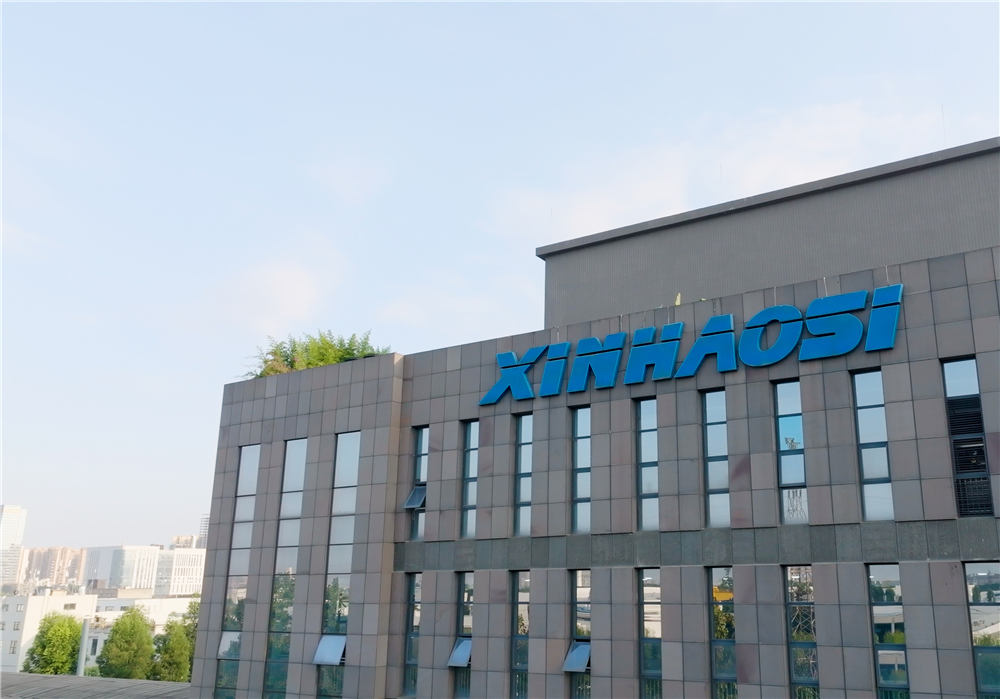
Started construction of our Deyang production facility. Formed the Petrochemical & International Business Division and recognized as a Sichuan Provincial Technology Center.
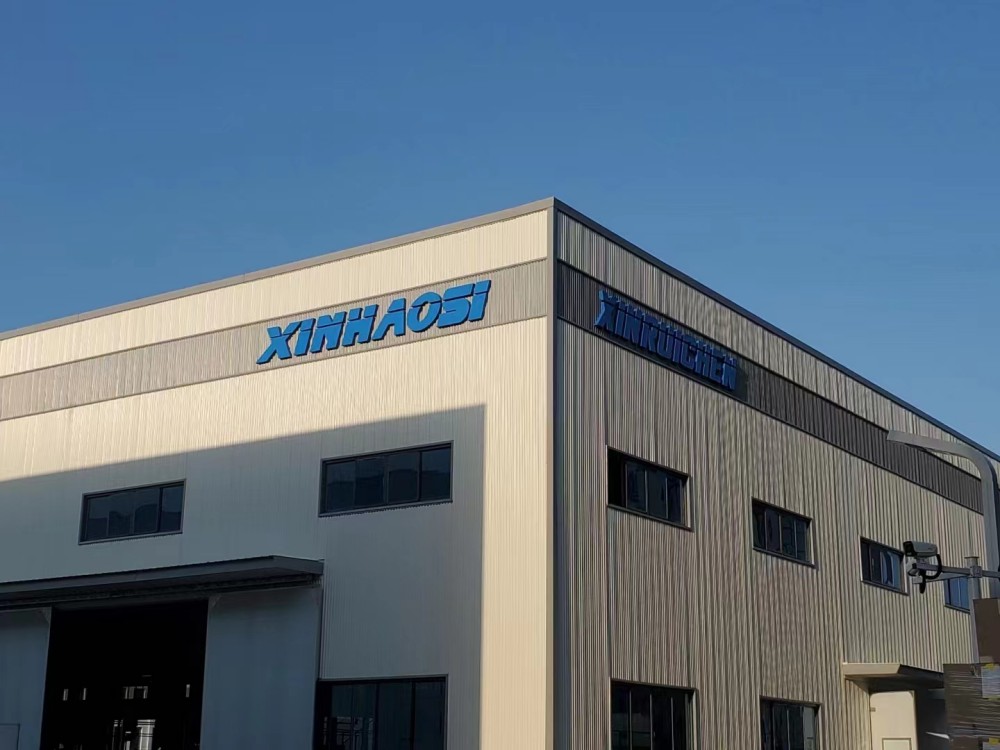
Completed and commissioned the Deyang smart factory. Launched next-generation wireless safety sensors, urban pipeline monitoring networks, and AI-enabled automated safety valves.
Integrated gas safety architectures tailored to specific residential, commercial, and industrial facilities.
Interlinked wireless CO and combustible gas alarms with automated solenoid shut-off valves. If a leak or accumulation occurs, the valve shuts down the main supply line instantly while warning tenants and operators via SMS or push alerts.
Ventilation management for enclosed commercial complexes, parking garages, and hotels. By integrating Modbus-enabled CO detection devices with local HVAC controllers, the system ramps up air exchange only when gas levels exceed defined thresholds, protecting occupants and reducing energy costs.
Explosion-proof ATEX/IECEx certified gas monitoring networks for refineries, gas storage facilities, and pharmaceutical plants. Features heavy-duty enclosures and high-reliability controllers designed to function under extreme temperatures and corrosive environments.
A guide for sourcing directors on evaluating manufacturing partners, technical certifications, and sensor calibration quality.
When selecting an OEM carbon monoxide alarm supplier, sourcing directors must look beyond price and verify the manufacturer's quality control systems and engineering standards. A reliable CO alarm requires precise sensor assembly, stable firmware, and thorough testing. Because electrochemical sensors rely on delicate metal catalysts, slight variations during manufacturing can result in measurement errors or premature sensor failure.
To safeguard project compliance, ensure your chosen manufacturer meets the following standards:
Answers to common queries regarding regulatory compliance, technical parameters, and customization options.
Reliable gas safety and control solutions for diverse residential, commercial, and industrial projects.