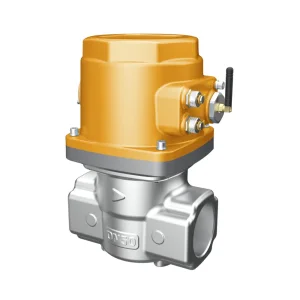
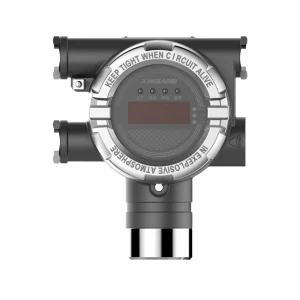
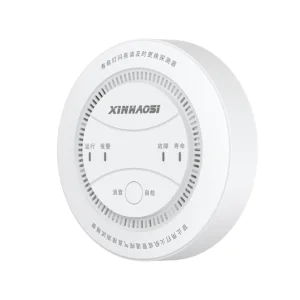
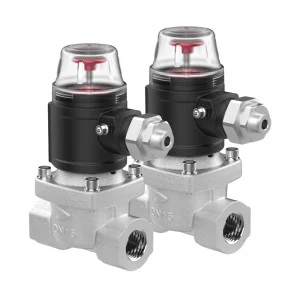
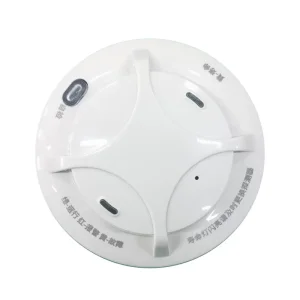
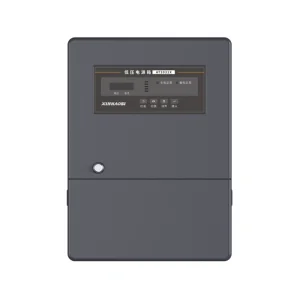
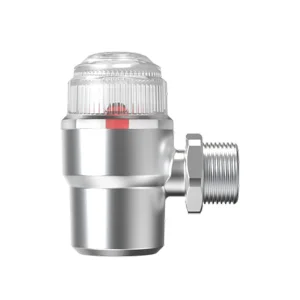
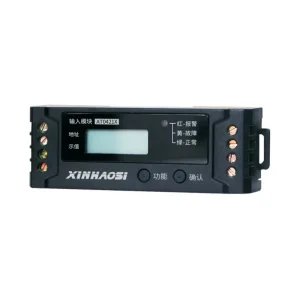
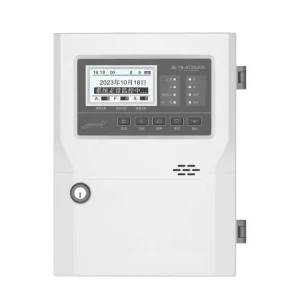
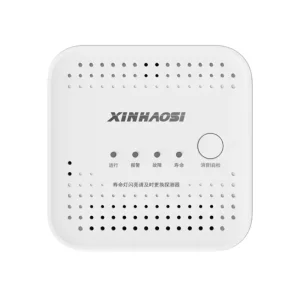
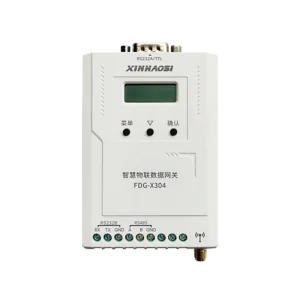
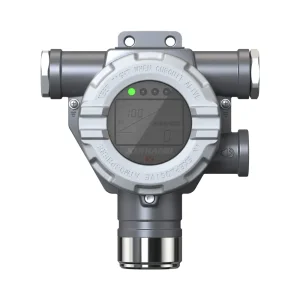
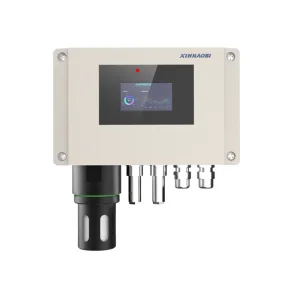
Explore our core industrial and residential safety components, systems, and smart valves designed for extreme environments.
Transitioning from traditional catalytic bead technologies to precision optical measurement in critical infrastructures.
In modern B2B industrial environments, safety monitoring parameters have evolved dramatically. Historically, catalytic bead sensors were the standard for detecting combustible hydrocarbon gases. However, these systems are highly vulnerable to "sensor poisoning" caused by silicones, lead, phosphates, and sulfur compounds, leading to drift, false calibrations, and potentially catastrophic failures. Globally, the industrial safety sector is increasingly adopting Non-Dispersive Infrared (NDIR) Gas Sensors due to their exceptional stability, immunity to chemical poisoning, and long lifespan.
Infrared gas sensors operate on the principle of optical absorption (specifically, the Beer-Lambert Law). Every gas possesses a unique spectral absorption signature in the infrared spectrum. By passing infrared light through a target gas chamber and measuring the remaining energy at targeted wavelengths (e.g., 3.3μm or 3.4μm for hydrocarbons like Methane, Propane, and Butane; or 4.26μm for Carbon Dioxide), NDIR detectors deliver highly accurate measurements. This optical, non-contact method means that the internal detector materials do not undergo chemical reactions, guaranteeing a lifespan of over 10-15 years in typical scenarios, which significantly lowers the Total Cost of Ownership (TCO) for multi-site operations.
Unlike catalytic elements, NDIR sensors contain no active catalytic surfaces. They function reliably in high H2S, halogenated hydrocarbon, and silicone atmospheres without risk of degradation or sensitivity loss.
Standard catalytic bead sensors require oxygen to burn gas on the active bead. NDIR sensors rely purely on light absorption, allowing them to measure hydrocarbon concentrations in zero-oxygen or inert atmospheres.
Dual-channel design features an active filter alongside a reference wavelength channel. This automatically compensates for lamp aging, dust buildup, and mirror contamination, extending calibration intervals.


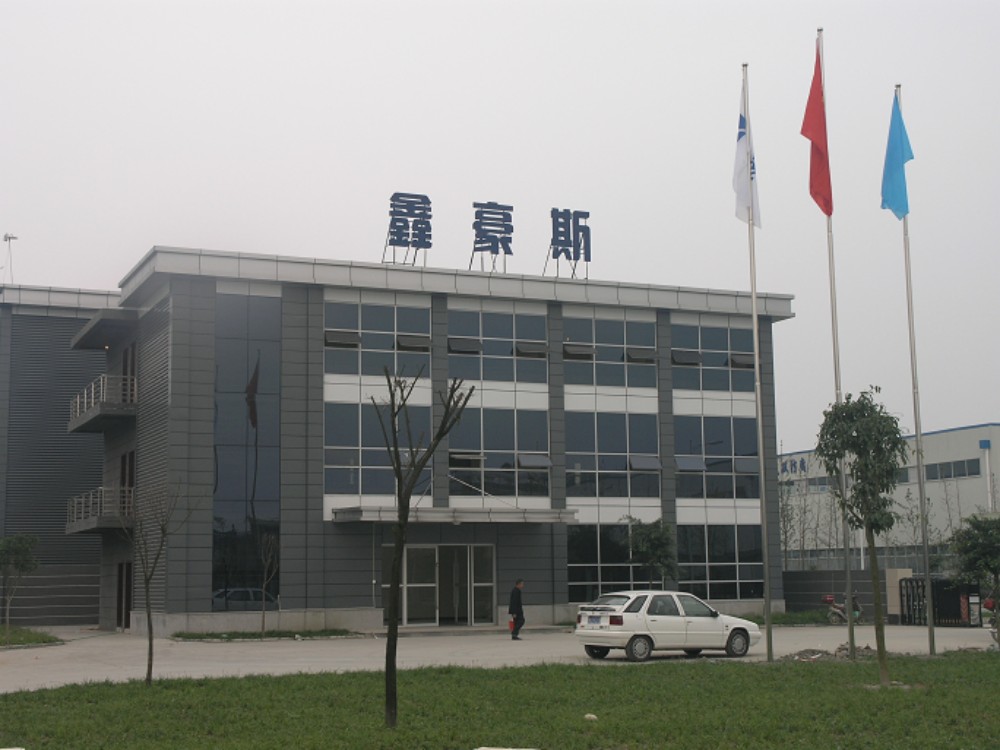
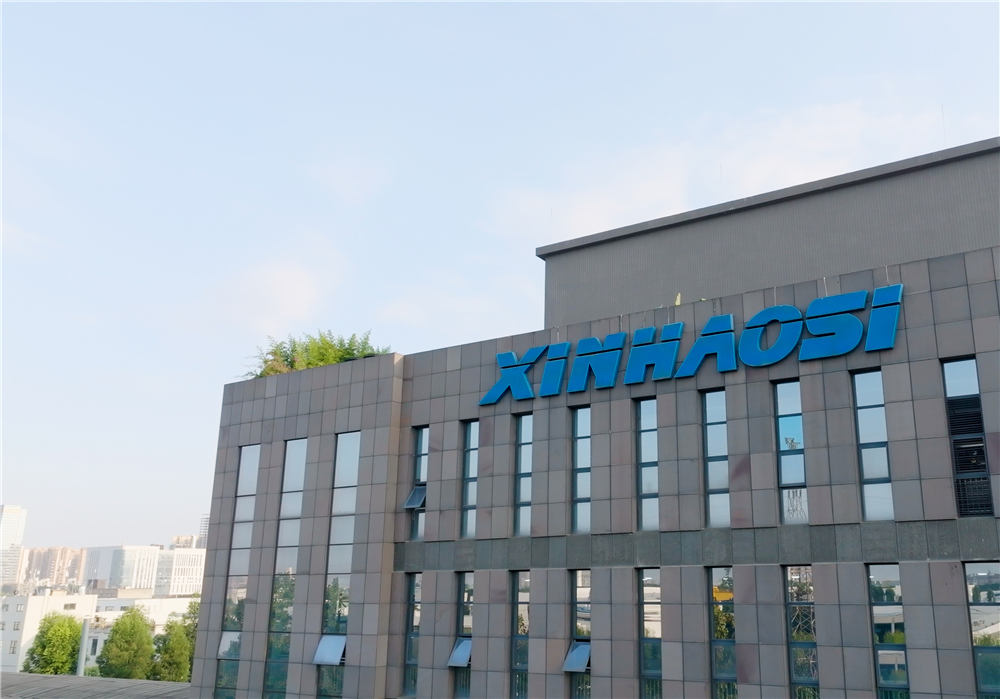
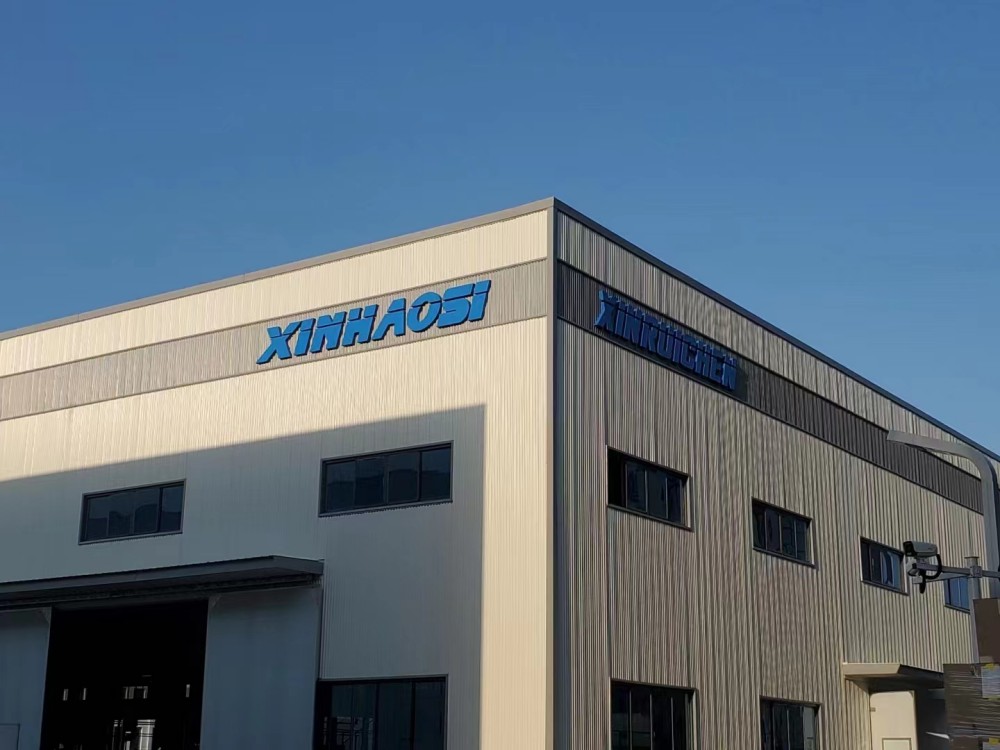
Founded in 2003, Xinhaosi is one of the most influential and trusted brands in the global gas safety industry. Over the past two decades, we have steadily built a robust and comprehensive production and service system, which integrates cutting-edge R&D, intelligent manufacturing with advanced automation equipment, digital marketing across global channels, professional after-sales support with an experienced technician team, flexible OEM/ODM services, as well as CNAS-Accredited laboratory calibration services that meet international standards.
Our diversified product portfolio covers industrial & residential gas detection & alarm systems, industrial & household gas solenoid valves, and urban gas pipeline network monitoring systems—all engineered to adapt to complex working environments and strict safety requirements. We produce and sell tens of millions of units annually, catering to a wide range of industries that demand reliable gas detection solutions, including oil & gas exploration and production, petrochemicals, urban gas distribution, automotive manufacturing, pharmaceuticals, new energy, steel production, and beverage processing.
Guided by the core mission of “Making Gas Safety Accessible Everywhere,” we consistently deliver high-performance, reliable products and customized solutions tailored to each client’s unique needs. Every item we manufacture undergoes rigorous quality control tests, and every service we provide is backed by our professional technical team, fully embodying our unwavering commitment to safeguarding gas safety across both industrial workplaces and residential environments, and striving to build a safer world with sustainable gas safety technologies.
Combining highly optimized supply chains, automated SMT setups, and lean production paradigms.
For international procurers, sourcing high-quality gas detectors and components from China is no longer just about low labor costs; it's about unmatched supply chain integration and manufacturing scale. By establishing advanced manufacturing hubs in Chengdu and Deyang, Xinhaosi leverages the highly evolved electronic fabrication and precision engineering ecosystem of western China. We achieve higher throughput, superior component consistency, and faster time-to-market compared to Western counterparts.
Our factories integrate automatic surface-mount technology (SMT) lines, robotic optical alignment systems, and automated gas calibration chambers. The Deyang facility, which commenced operations to support modern capacity scaling, utilizes automated robotic workstations to mount and calibrate optical sensors under controlled temperature and humidity profiles. This reduces manual calibration errors, ensuring that every NDIR sensor and explosion-proof gas detector (such as the XP4000 series) maintains tight drift tolerances and reliable response times, even in harsh conditions.
We manage all processes in-house, from raw PCBA soldering and optical path assembly to final chamber calibration, optimizing lead times and reducing third-party margins.
Producing and selling tens of millions of units annually allows us to purchase premium components at volume discounts, passing these savings on to our OEM partners.
Every sensor is subjected to rigorous multi-point temperature, humidity, and vibration stress-testing, matching and often exceeding standard Western QA protocols.
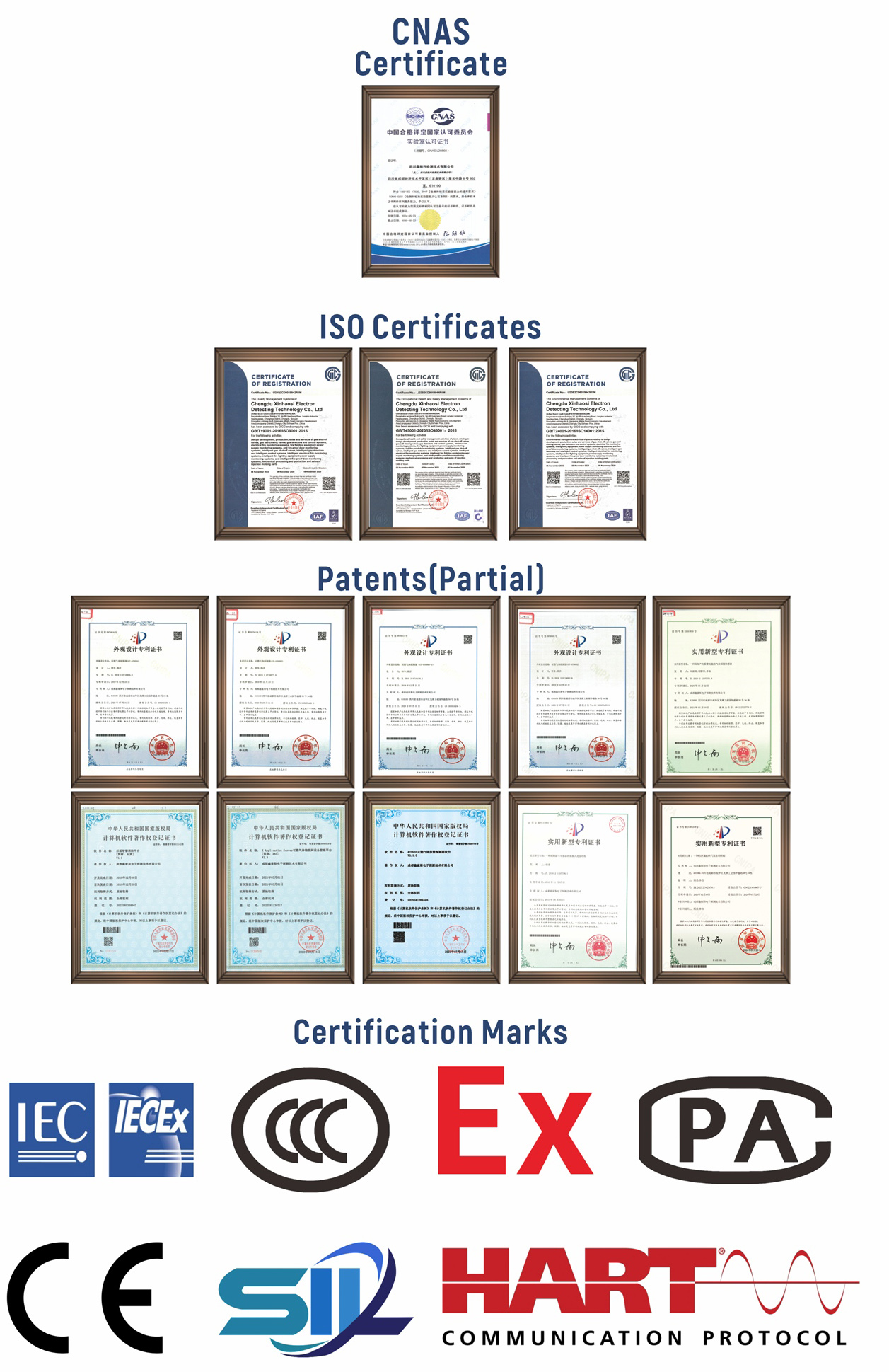
Adhering to ISO9001 quality management system standards, Xinhaosi's core products have obtained a full range of authoritative certifications, including national compulsory Products Certification, explosion-proof certification, fire product certification, CPA measurement instrument type approval certificate, and international approvals as CE, SIL. Additionally, Xinhaosi holds honors such as "National Quality Integrity Benchmark Enterprise" , "National Quality Leading Enterprise in the Gas Alarm Industry," member of the China Fire Protection Association, and the main drafting organization for the national standard of solenoid valves, further confirming its industry influence and reputation.
In the field of intellectual property, Xinhaosi has built a robust innovation system with over 50 patents and software copyrights . These patents cover core technological areas, including a graphical monitoring system for gas detection and alarm, which enables predictive maintenance based on historical data to reduce equipment failure rates by over 30%, and a solenoid valve with flow monitoring functionality that integrates flow detection and alarm capabilities . The company also pioneered China's first networked bus-type gas leakage monitoring system and the only maximum-point gas leakage monitoring system certified by the Ministry of Public Security, demonstrating its leading position in cutting-edge technological research.
Our in-house laboratory is accredited by the China National Accreditation Service for Conformity Assessment (CNAS), recognized both domestically and internationally under the ILAC-MRA framework. It operates in accordance with ISO/IEC 17025, the international standard for testing and calibration laboratories. It provides reliable and traceable testing services for gas detection and alarm products, solenoid valves, and related safety equipment. Test reports issued by the CNAS-accredited laboratory are widely accepted by regulatory authorities, certification bodies, and customers in China and overseas, helping to ensure product quality, safety compliance, and market access.
Adapting NDIR optical detection systems to meet specific, localized safety challenges worldwide.
Infrared gas sensor applications are not one-size-fits-all. Different geographical regions and industrial sectors present unique environmental challenges:
In regions like the North Sea or Arctic drilling sites, low temperatures cause condensation and freeze catalytic elements. Our NDIR sensors, integrated with heated optics, perform reliably without frost-induced false alarms.
High background concentrations of volatile organic compounds (VOCs) and sulfur compounds can quickly degrade catalytic sensors. Standardizing on NDIR setups ensures long-term calibration stability and safety in hazardous areas.
Modern municipal safety initiatives focus on integrating IoT sensors across pipelines. Using low-power wireless monitors, utilities can detect pipeline leaks early, preventing explosions without needing continuous mains power.
Three primary macro trends are driving innovation in the global gas safety sector:
Over two decades of continuous R&D and production scaling, from a local startup to a leading global OEM/ODM supplier.



Solving complex integration challenges, safety compliance, and supply chain continuity for B2B buyers.
B2B procurement teams looking for high-quality infrared gas sensors prioritize supplier reliability, regulatory compliance, and customization capabilities. Standard off-the-shelf sensors often fail to fit compact housings, lack correct signal outputs (such as Modbus, 4-25mA, or Hart), or lack regional explosion-proof certifications (ATEX, IECEx, UL, SIL2).
Xinhaosi provides comprehensive OEM and ODM support for global markets. We design customized sensor modules, configure alarm parameters, design enclosures, and manufacture custom control systems. Our CNAS-accredited calibration laboratory ensures that every customized product is tested against traceable national standards, accelerating your local product certification process.
Common questions answered by our engineering and regulatory compliance teams.
Browse our explosion-proof detectors, control panels, gateways, and household security alarms.