Carbon monoxide (CO) is widely known as the "silent killer"—an odorless, tasteless, and invisible gas that poses a lethal threat in residential, commercial, and industrial facilities. Unlike other combustible gases, CO cannot be detected by human senses. Therefore, reliance on electronic monitoring systems is absolute. However, all electrochemical sensors, which form the core of high-accuracy CO detection technology, undergo chemical degradation over time. The typical reliable lifespan of an electrochemical CO sensor ranges from 5 to 10 years.
For facility managers, residential development firms, and safety directors, maintaining a structured, compliant Carbon Monoxide Alarm Replacement program is not merely a recommendation; it is an regulatory obligation dictated by international fire codes (such as NFPA 720 and EN 50291). Replacing aging alarms prevents sensor drift, false negatives, and systemic detector failures, guaranteeing consistent protection against toxic gas buildup.
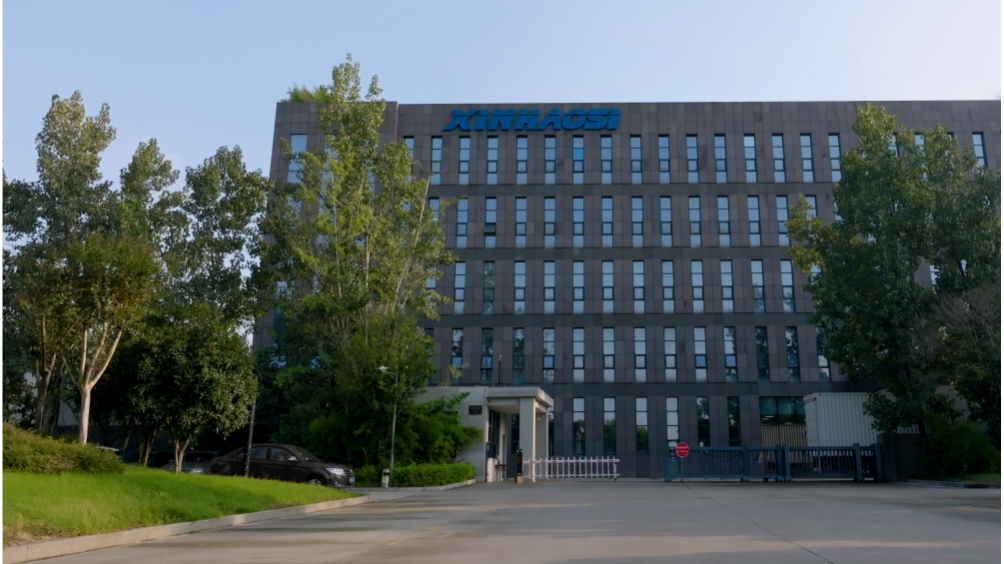

Founded in 2003, Xinhaosi is one of the most influential and trusted brands in the global gas safety industry. Over the past two decades, we have steadily built a robust and comprehensive production and service system, which integrates cutting-edge R&D, intelligent manufacturing with advanced automation equipment, digital marketing across global channels, professional after-sales support with an experienced technician team, flexible OEM/ODM services, as well as CNAS-Accredited laboratory calibration services that meet international standards.
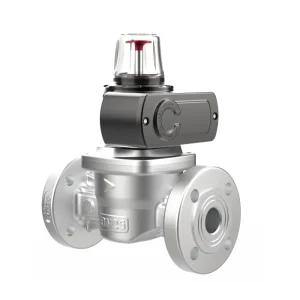
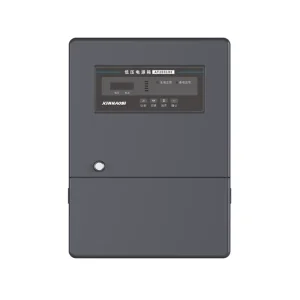
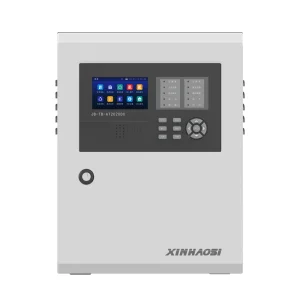
Our diversified product portfolio covers industrial & residential gas detection & alarm systems, industrial & household gas solenoid valves, and urban gas pipeline network monitoring systems—all engineered to adapt to complex working environments and strict safety requirements. We produce and sell tens of millions of units annually, catering to a wide range of industries that demand reliable gas detection solutions, including oil & gas exploration and production, petrochemicals, urban gas distribution, automotive manufacturing, pharmaceuticals, new energy, steel production, and beverage processing.
Guided by the core mission of "Making Gas Safety Accessible Everywhere," we consistently deliver high-performance, reliable products and customized solutions tailored to each client's unique needs. Every item we manufacture undergoes rigorous quality control tests, and every service we provide is backed by our professional technical team, fully embodying our unwavering commitment to safeguarding gas safety across both industrial workplaces and residential environments, and striving to build a safer world with sustainable gas safety technologies.
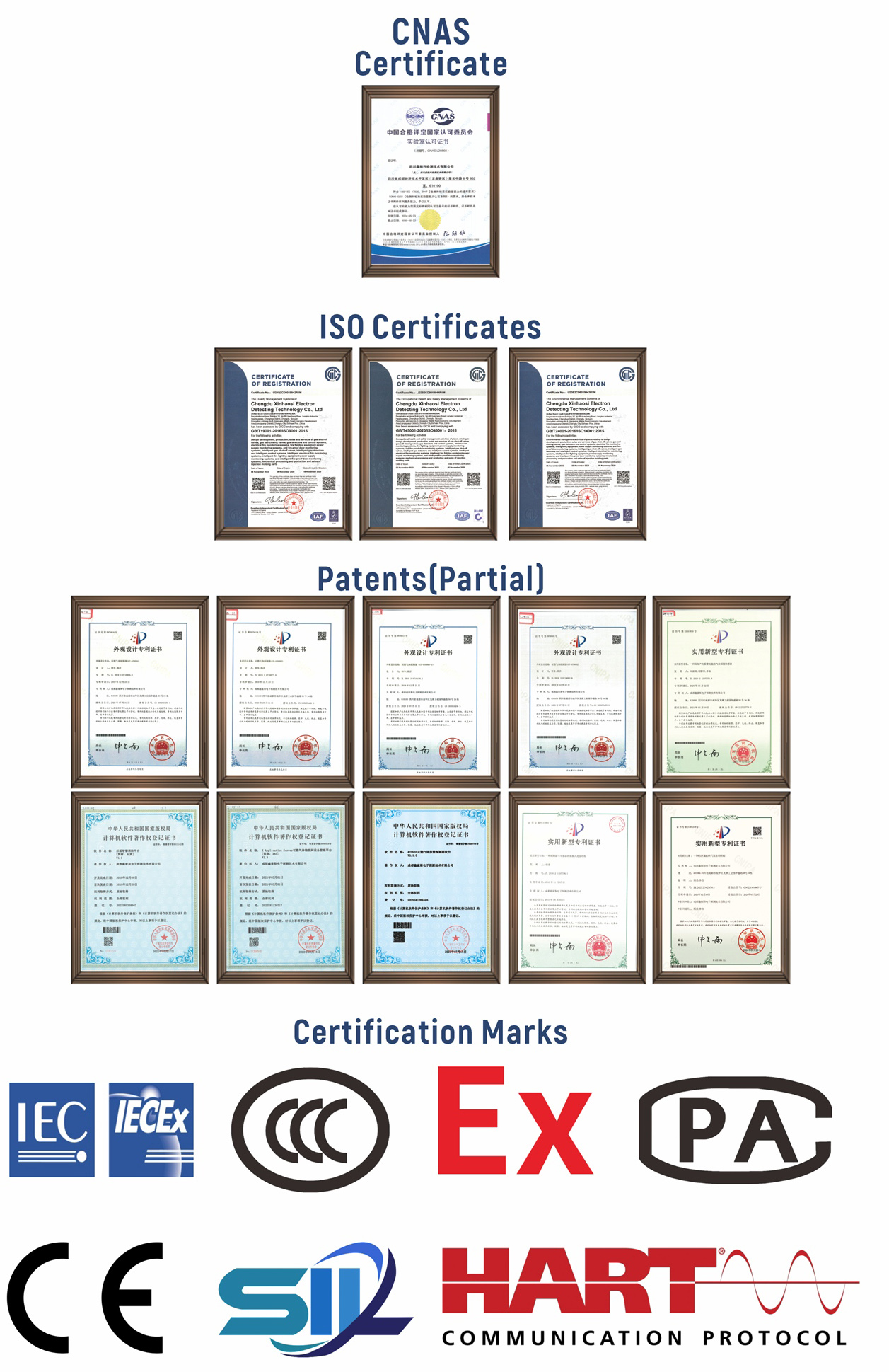
Adhering to ISO9001 quality management system standards, Xinhaosi's core products have obtained a full range of authoritative certifications, including national compulsory Products Certification, explosion-proof certification, fire product certification, CPA measurement instrument type approval certificate, and international approvals such as CE and SIL. Additionally, Xinhaosi holds honors such as "National Quality Integrity Benchmark Enterprise" and "National Quality Leading Enterprise in the Gas Alarm Industry," member of the China Fire Protection Association, and is the main drafting organization for the national standard of solenoid valves, further confirming its industry influence and reputation.
In the field of intellectual property, Xinhaosi has built a robust innovation system with over 50 patents and software copyrights. These patents cover core technological areas, including a graphical monitoring system for gas detection and alarm, which enables predictive maintenance based on historical data to reduce equipment failure rates by over 30%, and a solenoid valve with flow monitoring functionality that integrates flow detection and alarm capabilities. The company also pioneered China's first networked bus-type gas leakage monitoring system and the only maximum-point gas leakage monitoring system certified by the Ministry of Public Security, demonstrating its leading position in cutting-edge technological research.
Our in-house laboratory is accredited by the China National Accreditation Service for Conformity Assessment (CNAS), recognized both domestically and internationally under the ILAC-MRA framework. It operates in accordance with ISO/IEC 17025, the international standard for testing and calibration laboratories. It provides reliable and traceable testing services for gas detection and alarm products, solenoid valves, and related safety equipment. Test reports issued by the CNAS-accredited laboratory are widely accepted by regulatory authorities, certification bodies, and customers in China and overseas, helping to ensure product quality, safety compliance, and market access.
Ensures that every carbon monoxide alarm replacement unit is calibrated with standard-reference test gas, guaranteeing precision response times under extreme climatic conditions.
Approved for safety integrity level requirements, enabling reliable implementation in critical commercial infrastructure and high-density multi-family properties.
Proprietary integration allows co-alarm systems to automatically trigger shut-off mechanisms via the gas pipeline network if hazardous levels of CO are logged.
Carbon Monoxide alarms cannot be deployed in a uniform configuration globally. Distinct building architectures, local fuel profiles, and regional regulations require specialized setups.
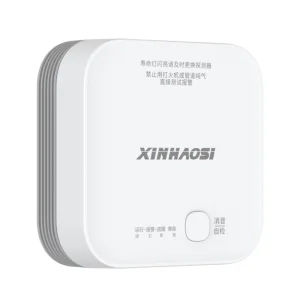
Compliant with UL 2034 standards, replacement detectors require exact mounting near sleeping areas and on each floor level. Modern replacements feature 10-year sealed tamper-proof lithium batteries to satisfy state and provincial laws, reducing maintenance overheads for multi-family property managers.
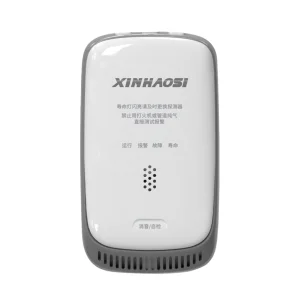
Governed by EN 50291 standards, European domestic environments demand specific sensor performance during prolonged exposure to low CO levels. In nations like the UK, landlords must replace non-functioning alarms immediately. Our designs fit common backplate configurations for rapid deployment.
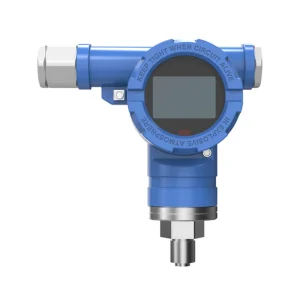
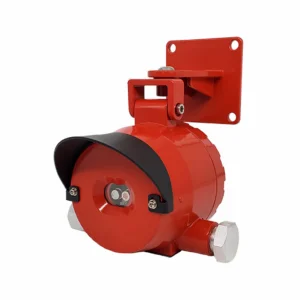
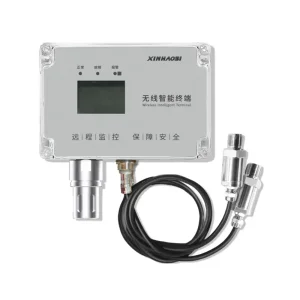
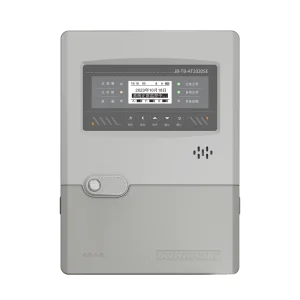
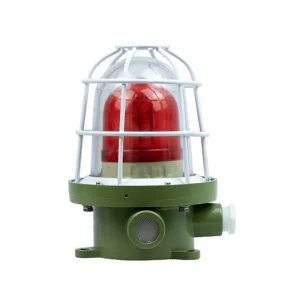
In mechanical plants, boiler rooms, and chemical processing facilities, CO risks are elevated. Replacement modules must include explosion-proof enclosures (ATEX/IECEx compliant) and Modbus/4-20mA analog interfaces to integrate into central DCS networks, allowing shut-offs via automated valve terminals.
Safety systems are rapidly evolving from isolated local sounders to integrated, intelligent building nodes. Our engineering roadmap outlines this technological transition.
Integrating wireless protocols like NB-IoT, LoRaWAN, and Zigbee allows replacement alarms to broadcast status, battery level, and CO concentrations in real-time. Facilities can monitor multiple locations from a unified remote dashboard.
By utilizing solid polymer electrolytes rather than traditional liquid acids, our next-generation sensors reduce electrolyte evaporation. This extends the operational service lifetime of replacement units up to 12 years under standard conditions.
Combining methane (natural gas) and carbon monoxide detection into a single physical unit optimizes space and cuts maintenance costs. Smart microcontrollers run advanced filtering algorithms to eliminate nuisance false alarms from cooking fumes.
As a vertically integrated manufacturer based in Chengdu and Deyang, Sichuan, Xinhaosi utilizes regional industrial ecosystems to deliver reliable, cost-effective safety products. Our local supply network covers all stages of production, from raw plastic compounding and precision injection molding to PCB SMT assembly, automated calibration, and packaging.
This integration enables complete control over quality and timelines, insulating our production schedules from global shipping volatility. Through robotic testing benches and automated gas chamber calibrations, we maintain high production yields and reliable output quality. For international distributors and OEM brands, this ensures short lead times, stable unit costs, and scalable production to meet peak volume demands.
In-house SMT production lines ensure all PCB assemblies for detector motherboards are produced and tested under strict temperature and ESD parameters.
Detectors pass through continuous gas environmental tunnels, calibrating sensor responses against exact parts-per-million (PPM) concentrations.
Direct rail and marine shipping routes connect Chengdu to European and North American ports, ensuring predictable transit times.
Electrochemical CO sensors detect carbon monoxide through an oxidation reaction on a working electrode. Over time, the electrolyte dries out and the catalyst surfaces become contaminated by airborne VOCs, household chemicals, and humidity cycles. This leads to sensor drift, reducing detection accuracy. After 7 to 10 years, these sensors can no longer be calibrated reliably, necessitating a complete alarm replacement.
UL 2034 (primarily North American) and EN 50291 (primarily European) specify different alarm response thresholds for CO exposure over time. For example, UL 2034 prohibits alarms from triggering for low CO levels (such as 30 ppm for up to 30 days) to prevent nuisance alarms, but requires rapid activation at higher levels (like 400 ppm within 4 to 15 minutes). EN 50291 has slightly different activation curves and requires specific testing for low-level exposure over extended periods. Our factory designs specialized units for each of these regulatory standards.
Our CNAS-accredited laboratory (operating under ISO/IEC 17025) uses computerized calibration chambers to test detectors against certified gas standards. Each unit's response curve is logged under controlled temperature and humidity profiles. This ensures that every replacement alarm shipped matches the required PPM-response curves.
Yes. Xinhaosi is a primary standard-drafting organization for gas solenoid valves in China. Our replacement carbon monoxide detectors can link to household and industrial safety valves via wired relays or wireless protocols. In the event of a CO leak, the alarm triggers the solenoid valve to isolate the gas supply line, preventing further hazard accumulation.
We provide full OEM and ODM services. This includes customizing enclosure shapes, applying brand logos, developing custom firmware with specific wireless protocols (LoRaWAN, NB-IoT, Wi-Fi, Zigbee), and designing custom backplates for retrofitting existing installations.