
Specifically calibrated to deliver rapid response, solar blind operation, and resilience to Oman's high ambient light and temperatures.
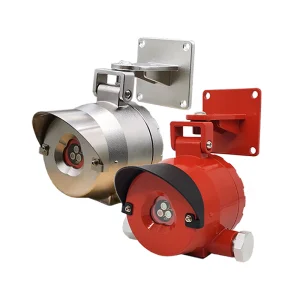
Dual & Triple IR sensor technology with premium optical filters.
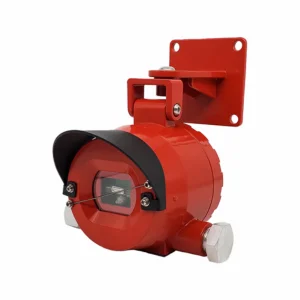
Intelligent processing with enhanced false alarm immunity.
Industrial grade enclosure. Optimized for fuel gas and chemical fire risks.
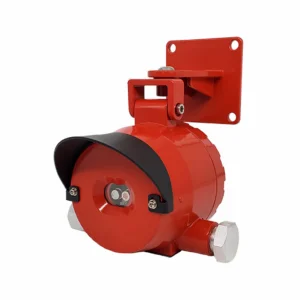
High sensitivity solar-blind UV sensor for rapid detection of clear fires.
Oman is undergoing structural expansions in civil infrastructure, commercial hospitality, and petrochemical refining. The rapid growth of Special Economic Zones like Duqm (SEZAD), alongside industrial clusters in Sohar and Salalah, has intensified the demand for sophisticated safety instrumentation. Gas leaks and localized fires present major hazards to both human life and assets in these critical development areas.
In accordance with the Oman Civil Defence and Ambulance Authority (CDAA) regulations, domestic, commercial, and industrial structures must implement accredited hazard monitoring networks. The Sultanate’s unique meteorological profile—characterized by ambient summer temperatures exceeding 50°C, maritime humidity, and dust-laden winds—requires gas and flame detection hardware designed to withstand environmental stress while maintaining low alarm-drift levels.
Under harsh desert conditions, standard indoor-rated gas and flame detection devices degrade quickly. High-performance units must feature IP66/IP67 ingress ratings, robust temperature compensation algorithms, and explosion-proof enclosures certified to global standards like ATEX and IECEx.
A comprehensive analysis of sensor physics, compliance parameters, and localization processes for critical protection networks.
Domestic safety units, such as the JT-AT3068 and JT-AT2008 series, target hydrocarbon gases like Methane (Natural Gas) and Liquefied Petroleum Gas (LPG/Propane). Our designs utilize premium catalytic bead and non-dispersive infrared (NDIR) sensors:
Industrial facilities such as refineries, gas bottling plants, and storage facilities require high false-alarm immunity. Optical detection systems target specific spectral bands:
Our safety solutions are built to align with Omani and regional Middle Eastern regulatory structures, ensuring compliance and performance:


Established in 2003, Xinhaosi has become an influential and trusted brand in the international gas safety sector. Over the past two decades, we have developed a comprehensive production and service system. This infrastructure integrates advanced research and development, automated manufacturing facilities, global digital marketing channels, experienced technical support teams, OEM/ODM services, and CNAS-accredited calibration laboratories.
Our production capabilities span industrial and residential gas leak alarms, industrial/domestic gas solenoid safety valves, and smart municipal pipeline network monitoring equipment. Annual production capacity reaches millions of units, serving oil and gas extraction, petrochemical plants, municipal gas grids, automotive manufacturing, pharmaceutical processing, clean energy stations, metallurgy, and food & beverage production globally.
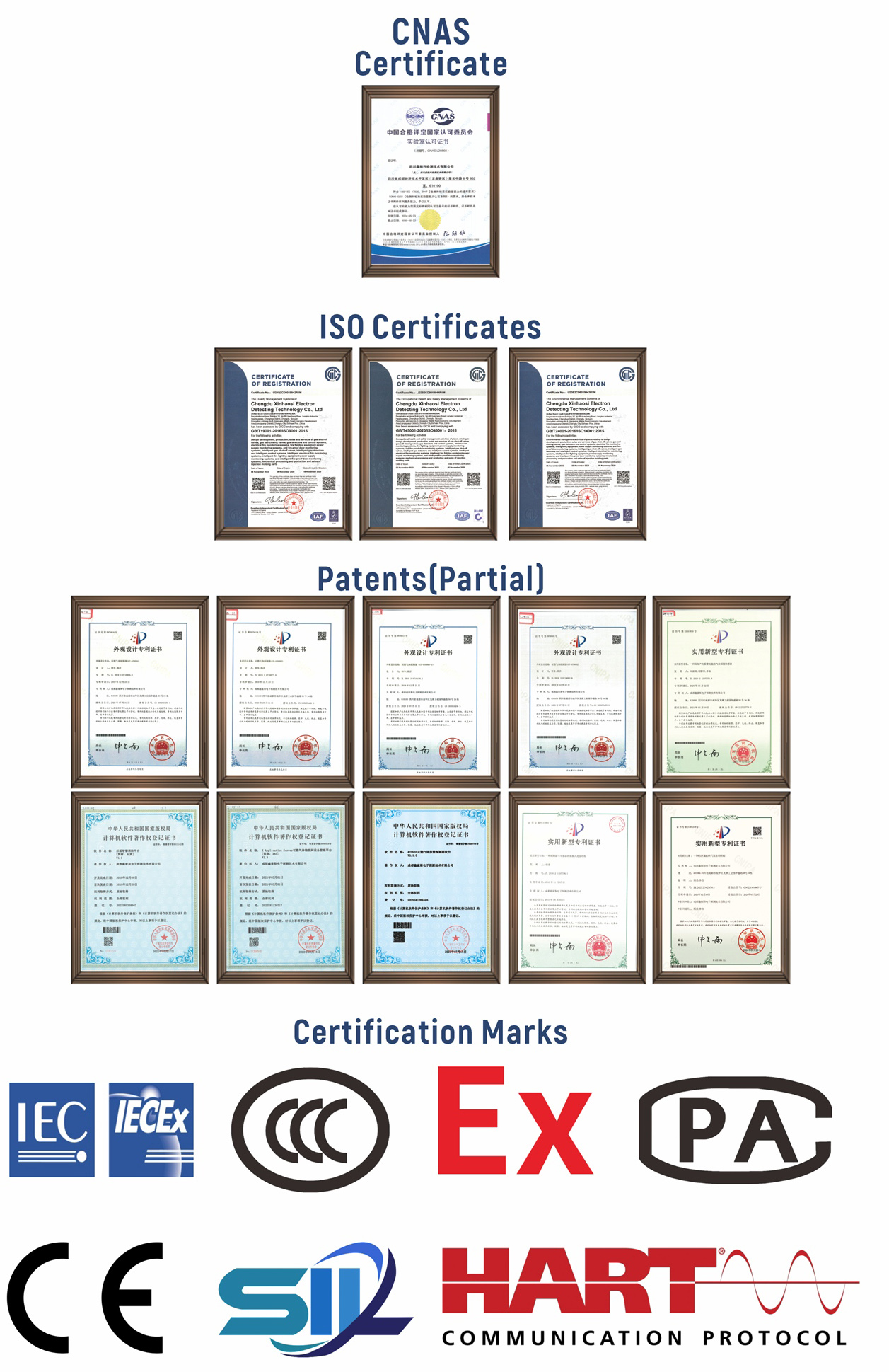
Every manufactured unit undergoes strict quality control and functional calibration. Our CNAS-accredited laboratory operates under the ISO/IEC 17025 standard, offering traceable testing that meets key regulatory approvals.
A history of innovation and growth, developing robust protection technologies for hazardous environments worldwide.
Understanding deployment contexts in Oman’s commercial and industrial landscapes.
Modern residential high-rises in Muscat and commercial complexes in Salalah require integrated gas safety networks. The JT-AT3068 combustible gas detector integrates with centralized building management systems (BMS). Upon detecting LEL threshold breaches, the system automatically triggers acoustic-optic alarms and closes the solenoid valve, shutting down LPG distribution risers to prevent accumulation in duct structures.
In LNG export terminals, chemical hubs, and refining units across Sohar and Duqm, flame detection is critical. The FD1020 Triple IR Flame Detector and IFD2020 Dual IR-UV Flame Detector are deployed in turbine enclosures, fuel manifold rooms, and pump areas. Their high speed of response and false-alarm immunity protect assets from combustible hydrocarbon fires.
Underground utilities and municipal pressure reducing stations require remote monitoring. Wireless smart pressure transmitters (e.g., AT0635 series) and portable multi-gas detectors (e.g., XM314 and XP3000) provide mobile and fixed monitoring of pressure conditions and toxic leaks (such as H2S and CO). This data is transmitted back to operators via LoraWAN or cellular links.
Technical guidance and compliance advice for safety professionals in Oman and the GCC region.
Open-air industrial zones in Oman, such as refineries or fuel storage yards, experience high ambient solar radiation. For these areas, the Triple Infrared (3IR) Flame Detector (like the FD1020) is highly recommended. It tracks three specific bands within the infrared spectrum to identify the unique flicker frequency of hydrocarbon flames. This allows it to ignore false alarm sources like direct sunlight, hot surfaces, and arc welding, which can trigger simpler UV or single-channel IR systems.
Equipment deployed in Oman must align with Oman Civil Defence (CDAA) standards. Industrial devices should carry global certifications such as ATEX/IECEx for explosion-proof safety, SIL 2 (Safety Integrity Level), and CE compliance. Residential and commercial hardware should comply with standard safety benchmarks (such as EN 50194 for combustible gas alarms). Xinhaosi products are supported by comprehensive testing reports from our ISO/IEC 17025 accredited laboratory to aid approval processes.
High heat and coastal humidity can cause sensor drift in standard catalytic bead sensors, leading to false alarms or delayed response. Xinhaosi detectors address this using intelligent temperature-humidity compensation algorithms within the microcontroller. In addition, the circuit boards feature conformal coatings to resist moisture damage, maintaining consistent calibration across seasonal shifts.
Combining a gas leak detector (like the JT-AT3068) with an emergency shut-off solenoid valve (controlled via an interlock box like the JB-MK-AT2041X) creates an active protection loop. Upon detecting gas levels above safety thresholds, the control box alerts occupants and automatically cuts off the gas supply, containing the leak at the source before an ignition source can trigger an explosion.
Engineered for high reliability, certified compliance, and integration with modern building and plant monitoring networks.
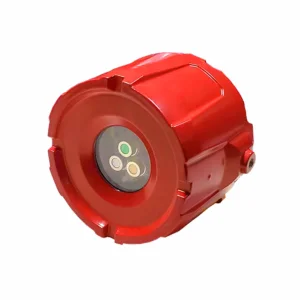
Industrial grade IR-UV spectrum analyzer with quick-response relays.
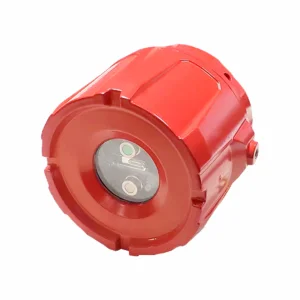
Features an explosion-proof metal housing, designed for hazardous Zone 1 & 2 locations.
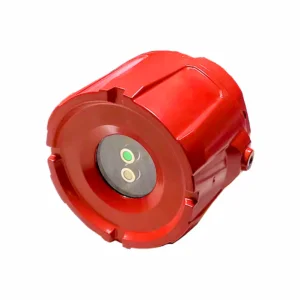
Dual IR sensor design with tailored bandpass filtering for fire detection.
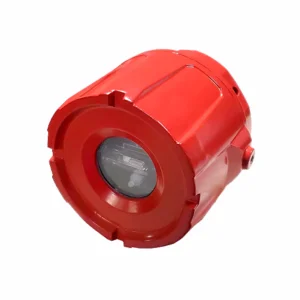
Fast detection for hydrogen, ammonia, and clean hydrocarbon flames.
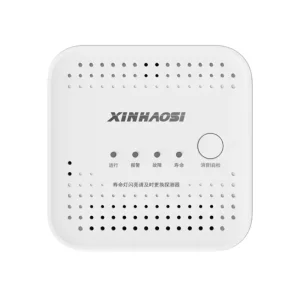
LPG/Natural Gas monitoring with clear digital display and alarm relay output.
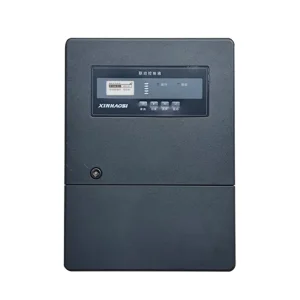
Multi-channel monitoring logic controller for automated valve shut-off systems.
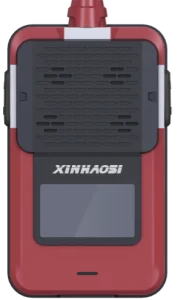
Handheld multi-gas detector for industrial inspections and confined space access.
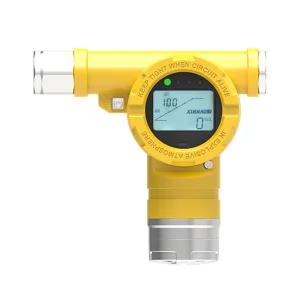
Designed for VOCs, oxygen levels, and toxic gases in chemical facilities.
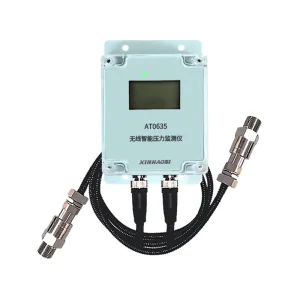
IoT-enabled pressure monitor for pipeline pressure monitoring networks.
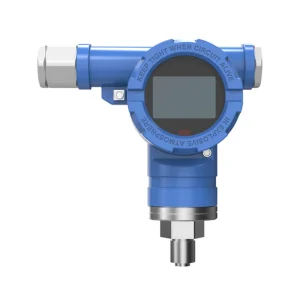
High-precision industrial pressure transmitter for fluid systems.

Wall-mounted design for home and kitchen safety monitoring.
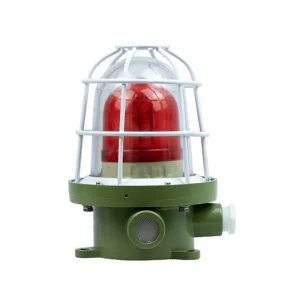
Heavy-duty notification device for petrochemical facilities.
From high-volume residential OEM/ODM supply to specialized multi-spectrum flame and pressure monitoring systems in Oman, our technical team offers support throughout project planning and installation.
Request Technical Specifications & Quote