
Engineered for immediate fire detection in high-hazard hazardous zones across Luxembourg’s metallurgical and heavy industry sectors.
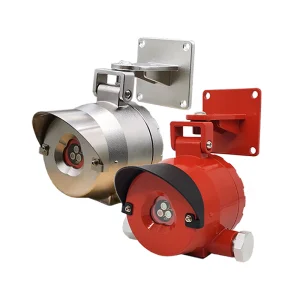
High performance triple-spectrum IR sensor suited for heavy soot fires & hydrocarbons.
Learn More →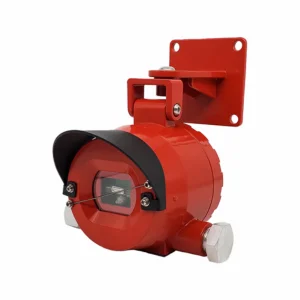
Explosion-proof optical flame detection with extreme resilience to solar radiation false-alarms.
Learn More →
Precision dual IR sensor configured for localized gas flame risk areas and machine monitoring.
Learn More →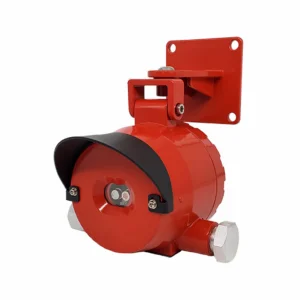
Ultrafast response spectrum targeting clean burns, hydrogen, and volatile chemical fires.
Learn More →Industrial facilities within the Grand Duchy of Luxembourg require highly reliable safety infrastructure. Whether dealing with high-heat blast furnaces, chemical depots, logistics terminals, or energy storage grids, the danger of combustion demands preventative and reactive measures. Traditional fire detection technologies, such as heat and smoke detectors, lack the capability to secure expansive open spaces or react quickly enough to flash fires. This is where advanced optical flame detectors become necessary.
Leveraging multi-spectral optical science—specifically combining Triple Infrared (3IR) and Dual Ultraviolet/Infrared (UV/IR) sensing arrays—our systems monitor hazardous environments in real-time. By tracking the specific combustion signatures of carbon dioxide emissions, water vapor, and hydrogen radicals, these flame detectors differentiate between actual fire hazards and standard industrial operations, such as arc welding or artificial lighting. Our products comply with European directives, including ATEX and EN 54-10, providing dependable protection for Luxembourg’s key industrial sites.
All Xinhaosi flame detectors under the FD1020 and IFD2020 series are engineered and validated to meet these benchmarks, offering reliable performance under harsh operational conditions.
Understanding regional industrial density and the shift toward proactive hazard containment systems.
Luxembourg’s industrial base, centered around steel production, chemical refining, logistics, and data centers, operates under strict safety and regulatory demands. Zones like Esch-Belval and Differdange, with their long-standing steelmaking history, rely on Electric Arc Furnaces (EAFs) and hot rolling mills. These facilities require flame detection systems that can function in high-dust and high-EMI (electromagnetic interference) environments without false-triggering.
Additionally, Luxembourg's role as a European logistics hub, including the air cargo terminals at Findel Airport, requires flame detection systems with long optical ranges and wide fields of view to protect large warehouse spaces. The country’s growing hydrogen fuel infrastructure and focus on green energy projects also require specialized UV and multi-IR detectors, as hydrogen fires burn invisibly in daylight and cannot be identified by standard thermal or single-spectrum sensors.
Globally, the flame detector market is shifting away from reactive temperature sensing toward smart, optical multi-spectrum systems. Industrial safety regulations, such as OSHA, European CEN standards, and ATEX directives, demand fast response times (typically under 5 seconds) to prevent incidents from escalating. This is driving adoption in petrochemical refineries, LNG processing plants, offshore platforms, and manufacturing sites.
The integration of Internet of Things (IoT) connectivity, RS485 Modbus, and HART protocols is transforming standard flame detectors into nodes within larger plant-wide control systems. Predictive maintenance algorithms can track detector optics cleanliness, sensor drift, and local temperatures, allowing operators to clean lenses and run self-tests remotely, reducing downtime in challenging operating environments.
Xinhaosi’s vision for the future of industrial safety, combining multi-sensor arrays, edge computing, and zero-false-alarm filters.
Integrating Narrowband Infrared sensors (centered at 4.4 microns for CO2 emissions) with Ultraviolet sensors to detect both hydrocarbon and non-hydrocarbon (e.g., Hydrogen, Ammonia) fires, while ignoring background radiation from hot machinery.
Embedding digital signal processing (DSP) algorithms directly on the detector's internal controller to analyze flame flicker frequency (typically 1 to 20 Hz), preventing false alarms caused by moving parts, flashlights, or reflection.
Connecting flame detectors via industrial fieldbuses (RS485/Modbus, HART) to centralized gas detection controllers, solenoid shutoff valves, and sound-light alarms for a synchronized emergency response.
Safety engineered for Luxembourg's key economic sectors.
Founded in 2003, Xinhaosi is one of the most influential and trusted brands in the global gas safety industry. Over the past two decades, we have steadily built a robust and comprehensive production and service system, which integrates cutting-edge R&D, intelligent manufacturing with advanced automation equipment, digital marketing across global channels, professional after-sales support with an experienced technician team, flexible OEM/ODM services, as well as CNAS-Accredited laboratory calibration services that meet international standards.
Our diversified product portfolio covers industrial & residential gas detection & alarm systems, industrial & household gas solenoid valves, and urban gas pipeline network monitoring systems—all engineered to adapt to complex working environments and strict safety requirements. We produce and sell tens of millions of units annually, catering to a wide range of industries that demand reliable gas detection solutions, including oil & gas exploration and production, petrochemicals, urban gas distribution, automotive manufacturing, pharmaceuticals, new energy, steel production, and beverage processing.

Chengdu Factory & Office

Deyang Factory
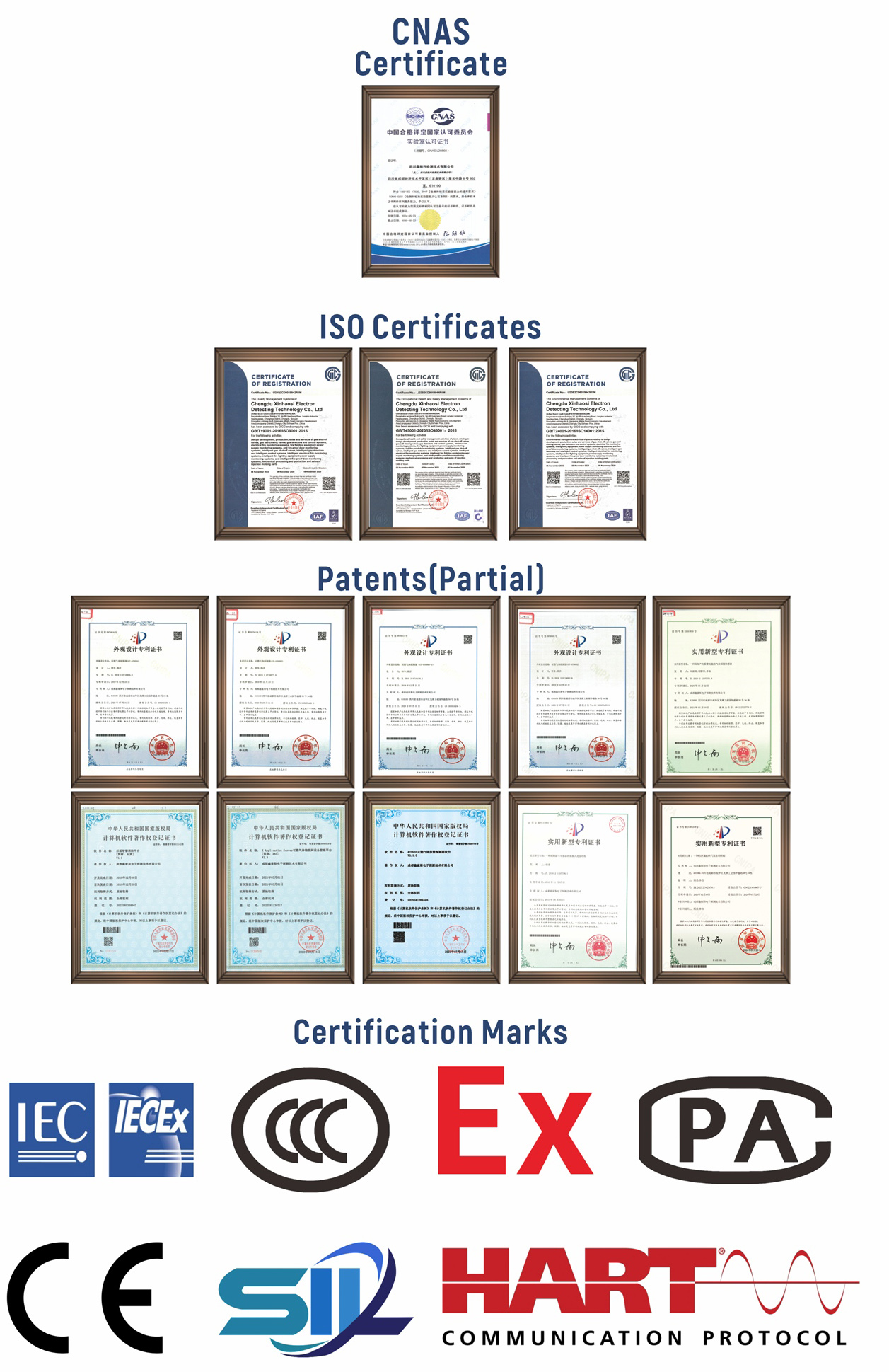
Adhering to ISO9001 quality management system standards, Xinhaosi's core products have obtained a full range of authoritative certifications, including national compulsory Products Certification, explosion-proof certification, fire product certification, CPA measurement instrument type approval certificate, and international approvals as CE, SIL. Additionally, Xinhaosi holds honors such as "National Quality Integrity Benchmark Enterprise" , "National Quality Leading Enterprise in the Gas Alarm Industry," member of the China Fire Protection Association, and the main drafting organization for the national standard of solenoid valves, further confirming its industry influence and reputation.
In the field of intellectual property, Xinhaosi has built a robust innovation system with over 50 patents and software copyrights. These patents cover core technological areas, including a graphical monitoring system for gas detection and alarm, which enables predictive maintenance based on historical data to reduce equipment failure rates by over 30%, and a solenoid valve with flow monitoring functionality that integrates flow detection and alarm capabilities. The company also pioneered the first networked bus-type gas leakage monitoring system and the maximum-point gas leakage monitoring system certified by the Ministry of Public Security, demonstrating its position in technological research.
Our in-house laboratory is accredited by the China National Accreditation Service for Conformity Assessment (CNAS), recognized both domestically and internationally under the ILAC-MRA framework. It operates in accordance with ISO/IEC 17025, the international standard for testing and calibration laboratories. It provides reliable and traceable testing services for gas detection and alarm products, solenoid valves, and related safety equipment. Test reports issued by the CNAS-accredited laboratory are widely accepted by regulatory authorities, certification bodies, and customers in China and overseas, helping to ensure product quality, safety compliance, and market access.
Over two decades of dedicated development, industrial safety manufacturing, and global expansion.
● Established on April 17th, 2003, focusing on foundational safety instruments.
● Developed and launched the first-generation gas leak alarm and fire fighting systems.
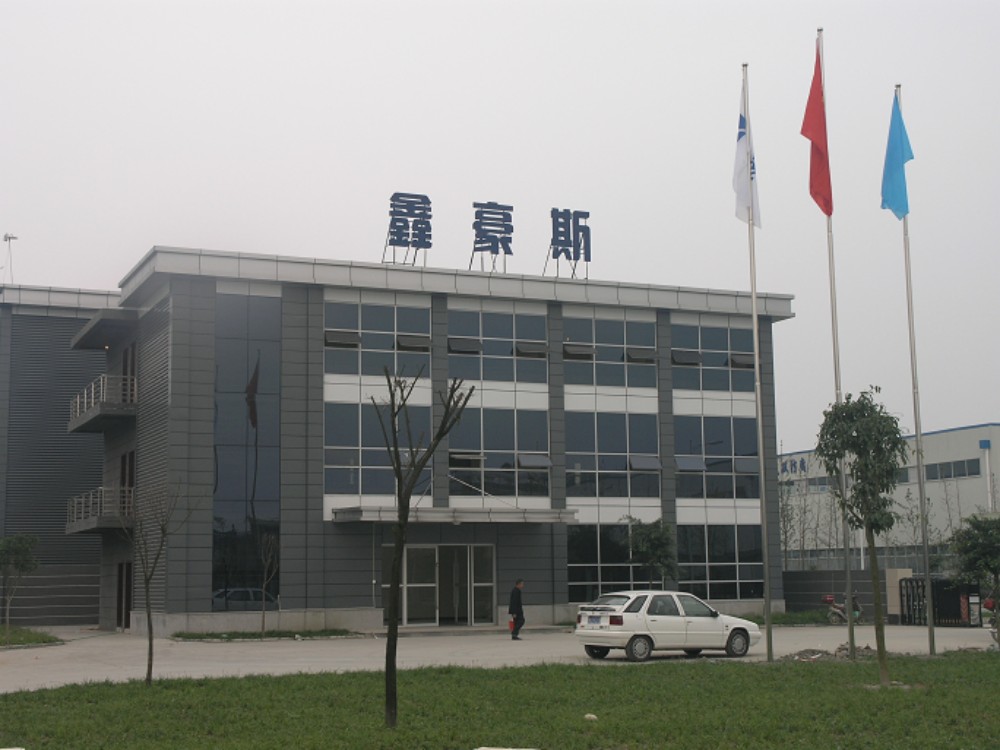
● Commenced official in-house production of gas safety valves and actuators.
● Expanded global OEM businesses, serving leading safety brands worldwide.
● Relocated HQ to the Longtan Industrial Park office facility to meet demand.

● Reached a milestone of 10 million units sold in gas detection and alarm components.
● Relocated manufacturing base to the modern, custom-designed Chengdu facility.
● Launched integrated fire power monitoring and industrial automation systems.
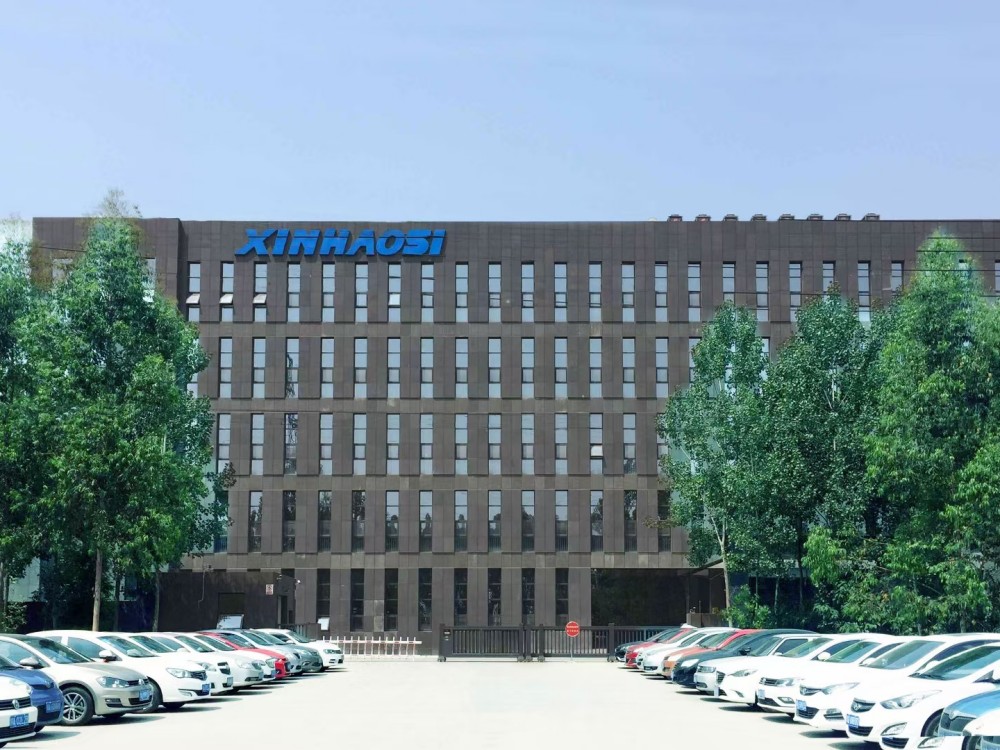
● Developed and deployed our proprietary cloud-based Safety IoT Monitoring Platform.
● Awarded official high-tech enterprise certification.
● Qualified as the official system vendor for China's top five major energy conglomerates.
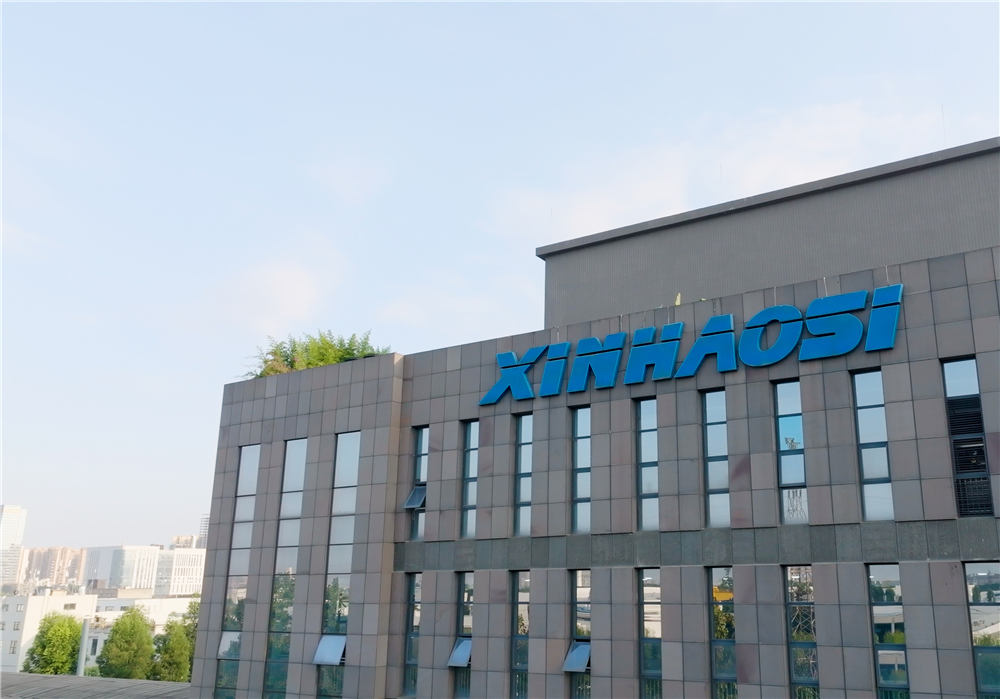
● Commenced construction of the advanced Deyang intelligent production factory.
● Established dedicated Petrochemical & International Business Divisions.
● Awarded the title of Sichuan Provincial Technology Center.
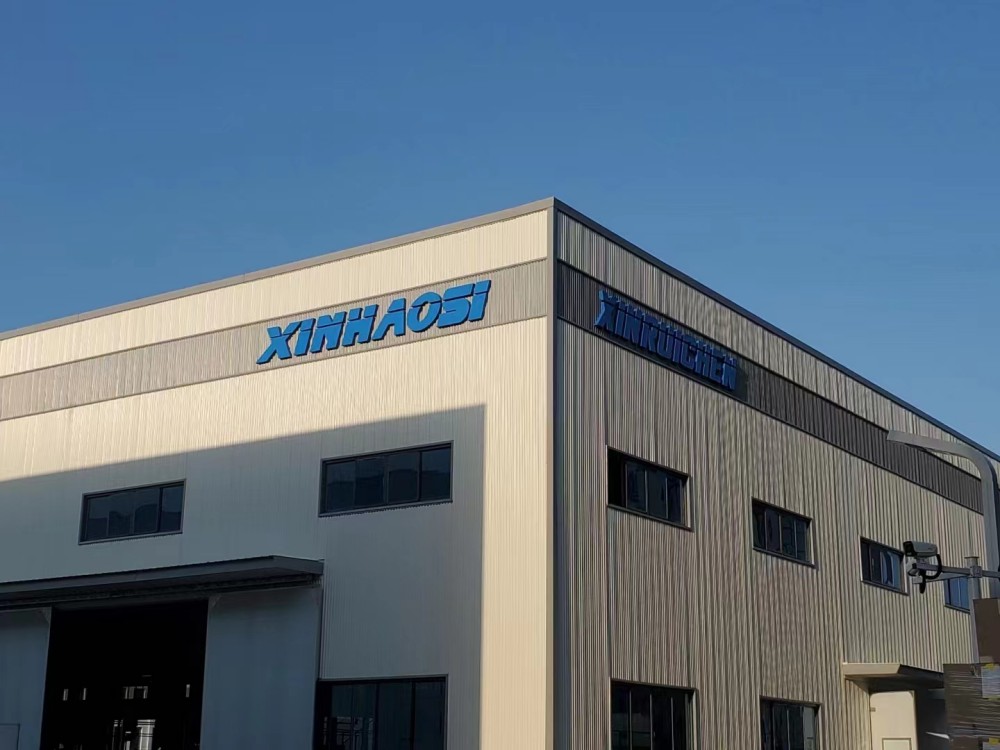
● Completed Deyang manufacturing facility, moving into full production capacity.
● Rolled out intelligent urban pipeline network monitors and low-power wireless detectors.
● Launched AI-enabled, self-diagnosing safety valve products for industrial deployment.
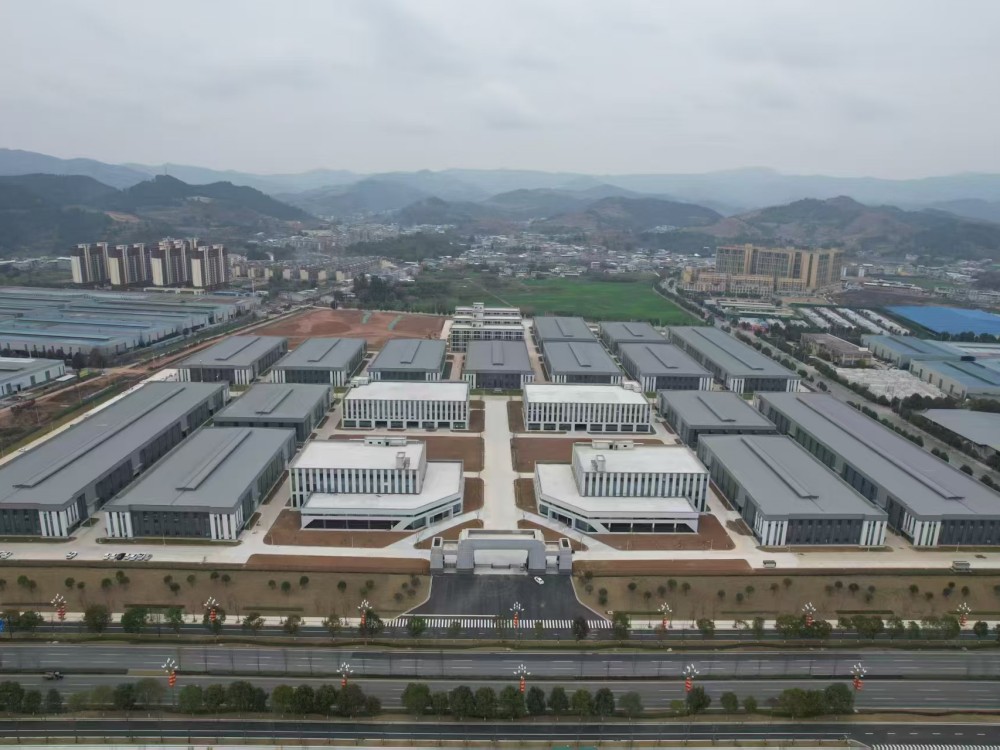
Comprehensive fire and gas safety monitoring instrumentation for commercial, infrastructure, and heavy industrial facilities.
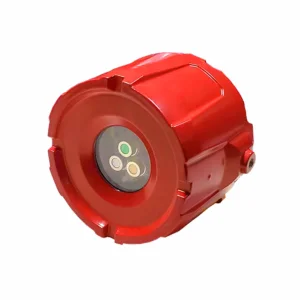
High-durability optical housing for industrial locations requiring EN 54-10 compliance.
Request Quote →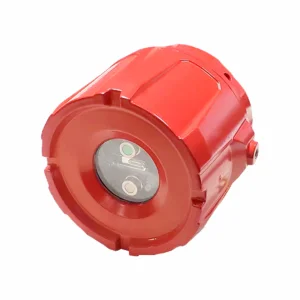
Multi-band UV/IR spectrum integration for hydrogen refueling and solvent processing plants.
Request Quote →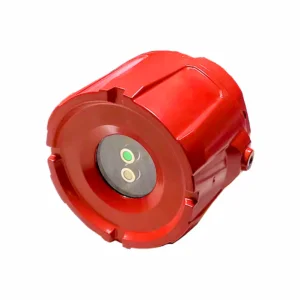
Advanced optical filter design minimizing false triggers from arc welding and lighting.
Request Quote →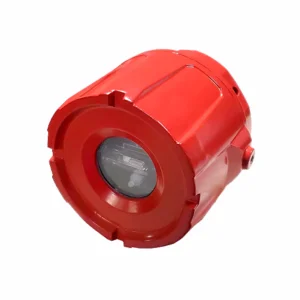
Fast response times for clean-burning chemical flame scenarios.
Request Quote →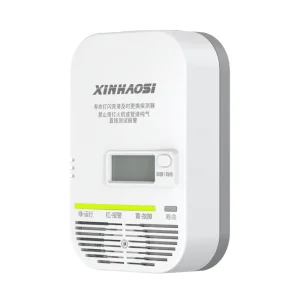
Smart residential methane and LPG gas leak detection with integrated local buzzer alarm.
Request Quote →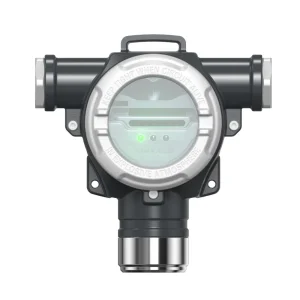
Rugged industrial transmitter designed for harsh atmospheres in petrochemical facilities.
Request Quote →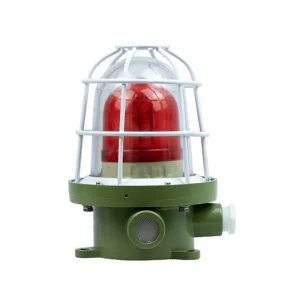
High-decibel, high-intensity visual strobes certified for explosive environments.
Request Quote →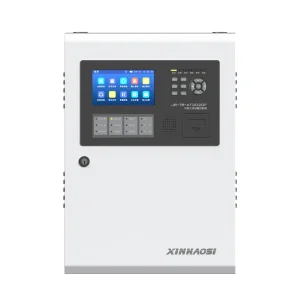
Multi-channel central controller interfacing sensors, relays, and emergency shutdowns.
Request Quote →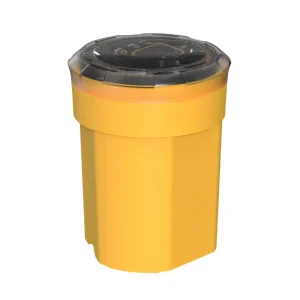
Specialized environmental gas monitoring for underground shafts and tunnels.
Request Quote →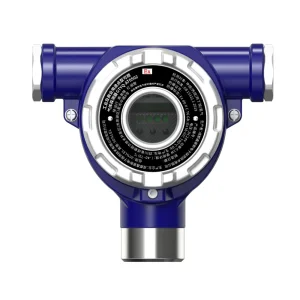
ATEX-certified diffusion-style gas detector for industrial safety assurance.
Request Quote →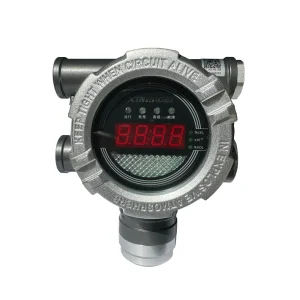
High-performance sensor head offering long-term stability and minimal drift.
Request Quote →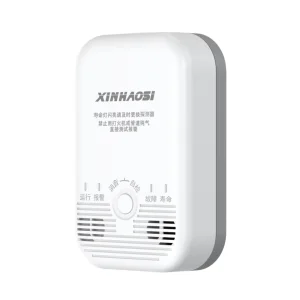
Residential gas alarm featuring high selectivity to gas, preventing kitchen false alarms.
Request Quote →Answers to engineering and regulatory questions regarding flame and gas detection systems.
Triple IR (3IR) detectors monitor three narrow bandpasses within the infrared spectrum (typically around 4.4 microns for CO2 emissions, with reference bands for background radiation). This allows them to identify hydrocarbon fires through heavy smoke, soot, and dust while minimizing false alarms from welding, hot machinery, and sunlight. Dual UV/IR detectors combine an ultraviolet phototube sensor with an infrared sensor. This design is highly sensitive and responsive (often < 1 second) and is capable of detecting non-hydrocarbon fires (such as Hydrogen, Metals, or Ammonia) that do not emit CO2, making it suitable for clean fuel and hydrogen storage facilities.
EN 54-10 is the European standard that defines performance requirements and testing methods for point flame detectors. It classifies detectors into three classes based on sensitivity: Class 1 (highest sensitivity, detecting a standard test fire up to 25 meters), Class 2 (up to 17 meters), and Class 3 (up to 12 meters). When designing fire safety systems for industrial facilities in Luxembourg, engineers must reference these classes to determine detector positioning, ensuring proper line-of-sight coverage and calculating coverage angles (field of view) to avoid unmonitored blind spots.
Safety Integrity Level (SIL) standards require regular diagnostic checks to maintain system reliability. For optical flame detectors, this includes checking optical lens cleanliness (which can be monitored automatically by the detector's internal optics check), verifying alignment, and performing functional test fires using specialized test lamps. Gas detectors must undergo routine bump tests and span calibrations using certified calibration gases (typically every 3 to 6 months depending on environmental conditions) to correct for sensor drift and ensure accurate readings.
In environments where flammable gases or dust are present (such as chemical processing, fuel depots, or painting booths), the safety equipment itself must not act as a source of ignition. ATEX-certified explosion-proof housings are engineered to contain any internal electrical spark or explosion, preventing it from escaping and igniting the surrounding hazardous atmosphere. This classification determines where equipment can be safely installed (e.g., Zone 1 vs. Zone 2) based on the frequency and duration of potential explosive atmospheres.
Consult with our system application engineers to design a comprehensive, compliant flame and gas detection system tailored to your facility's requirements.