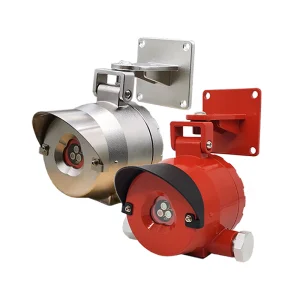
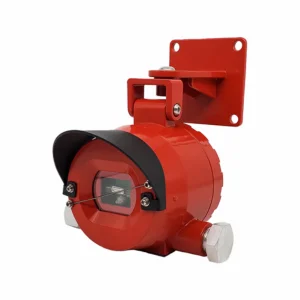
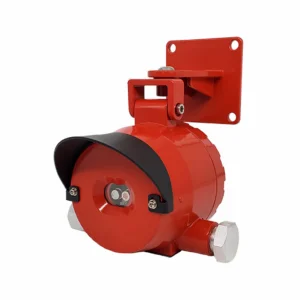
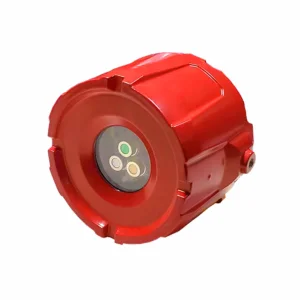
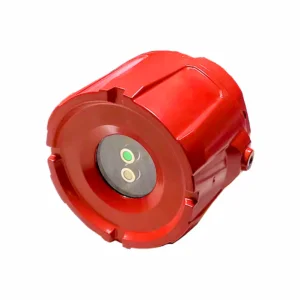
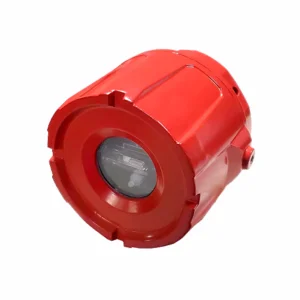
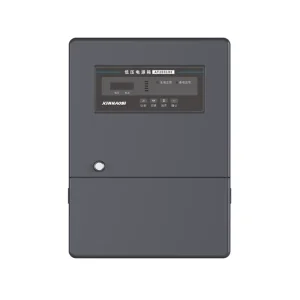
High-sensitivity industrial flame detectors engineered to withstand sub-zero temperatures, harsh atmospheric conditions, and intense solar background radiation.
Why Northern economies demand specialized, heavy-duty optical sensors with deep environmental resilience and false alarm prevention.
In Canada’s northern territories, oil sands, and offshore platforms—ranging from Fort McMurray, Alberta to the Hibernia platform off Newfoundland—temperatures routinely drop below -40°C. Standard commercial flame detectors fail under these freeze cycles, suffering from housing contraction, optical fogging, and internal electronic component failures.
Our industrial line of triple infrared (IR3) and dual IR/UV flame detectors are engineered with integrated internal optical window heaters. These low-wattage heating elements prevent ice buildup, heavy frost condensation, and snow accumulation on the sapphire viewport, ensuring uninterrupted optical paths in northern blizzards.
Industrial fire safety in Canada requires rigorous alignment with local regulations, including CSA C22.2 No. 60079 series for explosive gas atmospheres, CAN/ULC-S524 (Standard for Installation of Fire Alarm Systems), and individual provincial building codes which mandate SIL 2/3 functional safety ratings in petrochemical and pipeline installations.
How modern multi-spectral optical flame detection suppresses false alarms while delivering millisecond response times in high-risk zones.
Optical flame detection relies on analyzing spectral signatures emitted by a flame. For carbon-based combustion (natural gas, diesel, gasoline, wood), carbon dioxide is a major combustion product. When excited by flame temperatures, CO2 molecules emit intense radiant energy at the 4.2 to 4.4 micron wavelength band. A Triple Infrared (IR3) detector uses three narrow-band infrared sensors; one centered at 4.4 microns to detect the active fire signature, and two guard sensors centered at adjacent reference bands (e.g., 3.8 and 4.8 microns) to monitor blackbody radiation from hot pipes, sunlight, or industrial machinery. The onboard microprocessor compares the ratio of these bands and detects typical flame flicker frequencies (1 to 20 Hz) using digital signal processing (DSP) and neural-network based algorithms.
Conversely, for non-carbonaceous flames such as Hydrogen, ammonia, or metals, UV/IR detectors or specialized Multi-spectrum IR systems are deployed. The UV sensor operates in the "solar blind" spectrum (185 to 260 nanometers), ensuring that atmospheric ozone filters out solar UV radiation, preventing false alarms from outdoor sunlight exposure.
Over two decades of experience in R&D, advanced automation, global compliance, and specialized industrial safety solutions.

Chengdu R&D Headquarters

Deyang Manufacturing Hub
Founded in 2003, Xinhaosi is one of the most influential and trusted brands in the global gas safety and flame detection industry. Over the past two decades, we have steadily built a robust and comprehensive production and service system, which integrates cutting-edge R&D, intelligent manufacturing with advanced automation equipment, digital marketing across global channels, professional after-sales support with an experienced technician team, flexible OEM/ODM services, as well as CNAS-Accredited laboratory calibration services that meet international standards.
Our diversified product portfolio covers industrial & residential gas detection & alarm systems, flame detectors, industrial & household gas solenoid valves, and urban gas pipeline network monitoring systems—all engineered to adapt to complex working environments and strict safety requirements. We produce and sell tens of millions of units annually, catering to a wide range of industries that demand reliable safety solutions, including oil & gas exploration, petrochemicals, urban gas distribution, automotive manufacturing, pharmaceuticals, new energy, steel production, and beverage processing.
Guided by the core mission of “Making Gas Safety Accessible Everywhere,” we consistently deliver high-performance, reliable products and customized solutions tailored to each client’s unique needs. Every item we manufacture undergoes rigorous quality control tests, and every service we provide is backed by our professional technical team, fully embodying our unwavering commitment to safeguarding industrial workplaces and residential environments.
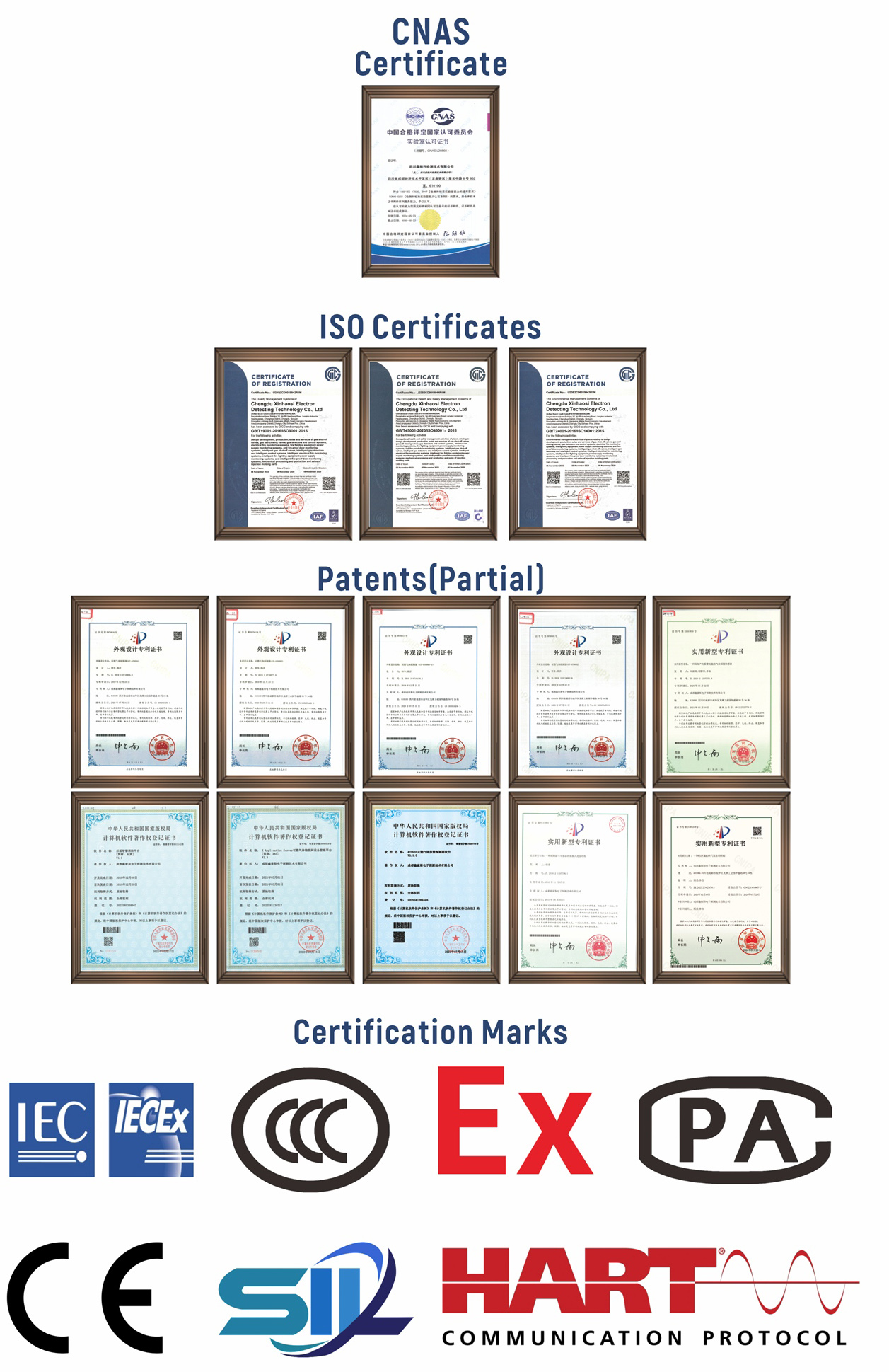
Adhering to ISO9001 quality management system standards, Xinhaosi's core products have obtained a full range of authoritative certifications, including national compulsory Products Certification, explosion-proof certification, fire product certification, CPA measurement instrument type approval certificate, and international approvals such as CE and SIL. Additionally, Xinhaosi holds honors such as "National Quality Integrity Benchmark Enterprise", "National Quality Leading Enterprise in the Gas Alarm Industry," member of the China Fire Protection Association, and the main drafting organization for the national standard of solenoid valves, further confirming its industry influence and reputation.
In the field of intellectual property, Xinhaosi has built a robust innovation system with over 50 patents and software copyrights. These patents cover core technological areas, including a graphical monitoring system for gas detection and alarm, which enables predictive maintenance based on historical data to reduce equipment failure rates by over 30%, and a solenoid valve with flow monitoring functionality that integrates flow detection and alarm capabilities.
Our in-house laboratory is accredited by the China National Accreditation Service for Conformity Assessment (CNAS), recognized both domestically and internationally under the ILAC-MRA framework. It operates in accordance with ISO/IEC 17025, the international standard for testing and calibration laboratories. It provides reliable and traceable testing services for gas detection and alarm products, solenoid valves, and related safety equipment. Test reports issued by the CNAS-accredited laboratory are widely accepted by regulatory authorities, certification bodies, and customers in China and overseas, helping to ensure product quality, safety compliance, and market access.
How Xinhaosi leverages automated production line scalability and regional redundancy to deliver stable component pricing and zero-delay global distribution.
Our operations are split between two major manufacturing centers: the Chengdu HQ facility and the newly operationalized Deyang industrial factory complex. By maintaining two separate, highly integrated production sites, Xinhaosi provides unparalleled supply risk mitigation. If local industrial zone adjustments or utility outages occur at one site, the other can immediately absorb the production load, ensuring no downtime for global OEM shipments.
Unlike regional suppliers who source sensors, PCB boards, and explosion-proof enclosures from multiple sub-vendors, Xinhaosi runs completely vertical production pipelines. From CNC precision machining of stainless steel and aluminum explosion-proof housings, to automated surface mount technology (SMT) for mainboards, and final laser calibration, every step happens in-house. This direct quality oversight reduces middleman margins and ensures lower acquisition costs for Canadian industrial clients.
Located in the heart of western China's logistics hub, Chengdu offers direct intercontinental rail transit to Europe and rapid container transport routes through marine gateways. Flame detectors, controllers, and low-voltage accessories destined for Canadian distributors are shipped with comprehensive customs documentation, standard packaging designed for maritime and air transport, and instant end-to-end cargo tracking.
Our journey of expansion, R&D breakthroughs, and strategic milestones, paving the way for the future of smart industrial protection.
Browse our integrated safety solutions, ranging from multi-sensor optical detectors to network controllers and explosion-proof perimeter systems.
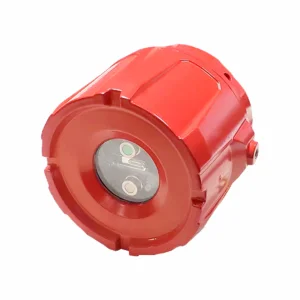
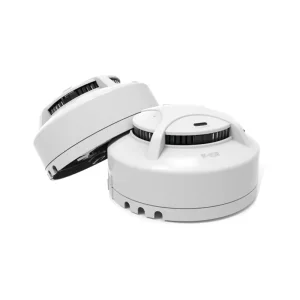
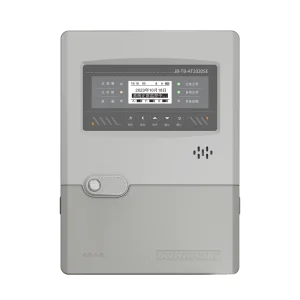
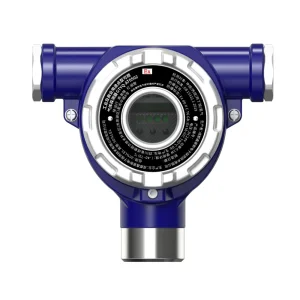
Technical guidance for architects, plant design engineers, and systems integrators deploying optical flame detectors in Canada.
Our engineering team designs turnkey optical fire and combustible gas safety monitoring configurations tailored to your local site parameters, extreme climate issues, and hazardous zoning.