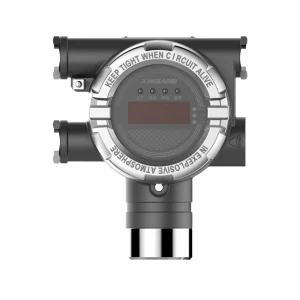
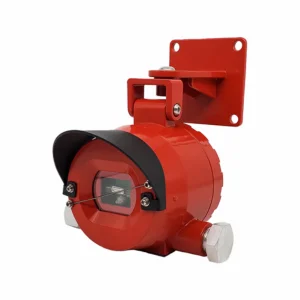
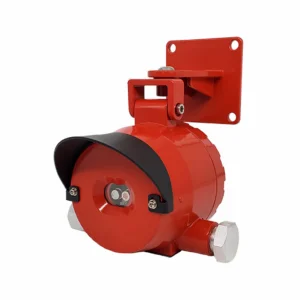
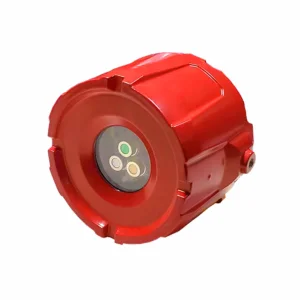
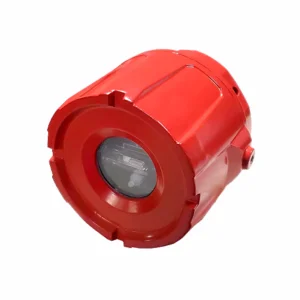
High-performance electro-optical detection systems optimized for New Zealand's unique environmental conditions and industrial safety standards.
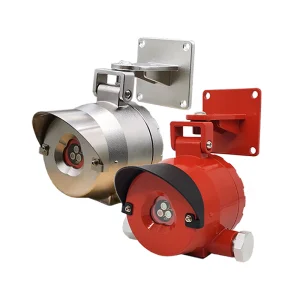
Understanding risk mitigation under the Health and Safety at Work Act (HSWA) 2015 and local environmental hazards.
In New Zealand, industrial process safety is governed by strict regulatory compliance frameworks administered by WorkSafe New Zealand. The cornerstone legislation, the Health and Safety at Work Act 2015 (HSWA), dictates that operators of major hazard facilities (MHFs)—such as petroleum storage sites, gas processing plants, and large dairy spray dryers—must demonstrate risks are minimized As Low As Reasonably Practicable (ALARP). Within this context, optical flame detectors play a critical role in early hazard mitigation.
New Zealand's commercial and industrial landscape presents distinct challenges that demand specialized flame detection strategies:
New Zealand's low atmospheric ozone density leads to high ultraviolet index levels during summer. Legacy single-wavelength UV flame detectors are prone to false triggering from sunlight reflections. Advanced multispectral infrared (IR) and Triple IR (3IR) technologies are essential to filter out solar radiation while maintaining rapid response times.
From the petrochemical hubs in the Taranaki region to the geothermal power generation zones in Wairakei and Te Mihi, atmospheric hydrogen sulfide (H₂S) and saline sea sprays create highly corrosive environments. Flame detector enclosures must utilize marine-grade, copper-free aluminum or 316L stainless steel with IP66/IP67 ingress ratings.
As the world's largest dairy exporter, New Zealand operates massive milk powder drying plants (such as Fonterra's Darfield and Edendale sites). Spray dryers create organic dust environments susceptible to rapid deflagration. Optical sensors must be certified for Zone 21 or 22 dust hazards, incorporating air purge collars to keep viewing windows clear.

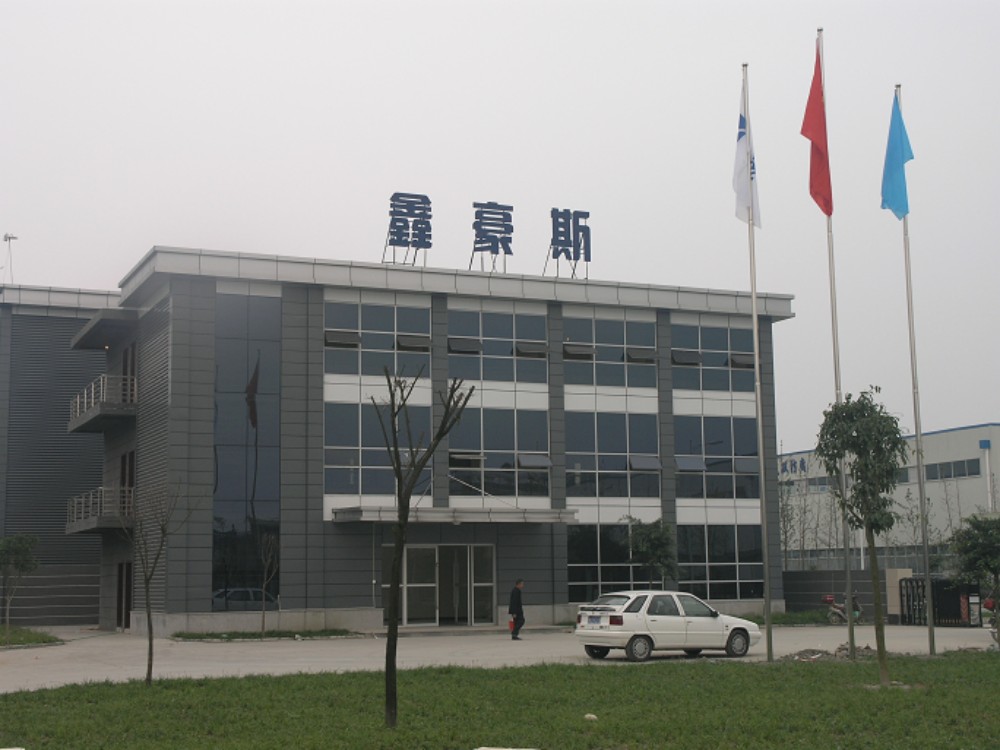
Chengdu Factory & Office

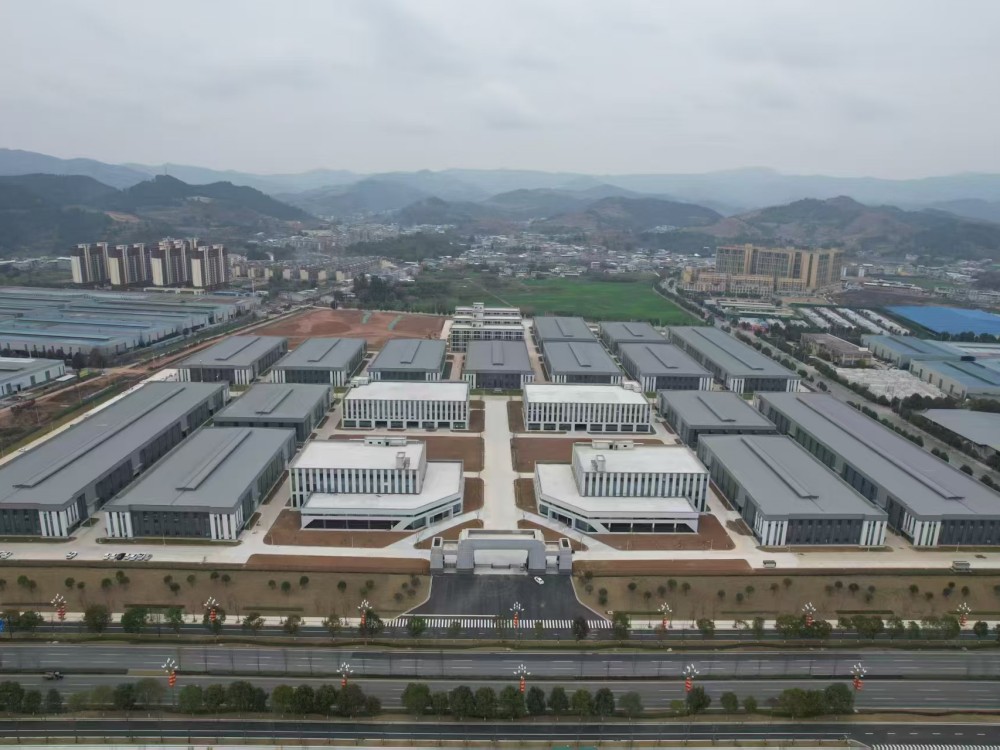
Deyang Factory
Founded in 2003, Xinhaosi is one of the most influential and trusted brands in the global gas safety industry. Over the past two decades, we have steadily built a robust and comprehensive production and service system, which integrates cutting-edge R&D, intelligent manufacturing with advanced automation equipment, digital marketing across global channels, professional after-sales support with an experienced technician team, flexible OEM/ODM services, as well as CNAS-Accredited laboratory calibration services that meet international standards.
Our diversified product portfolio covers industrial & residential gas detection & alarm systems, industrial & household gas solenoid valves, and urban gas pipeline network monitoring systems—all engineered to adapt to complex working environments and strict safety requirements. We produce and sell tens of millions of units annually, catering to a wide range of industries that demand reliable gas detection solutions, including oil & gas exploration and production, petrochemicals, urban gas distribution, automotive manufacturing, pharmaceuticals, new energy, steel production, and beverage processing.
Guided by the core mission of “Making Gas Safety Accessible Everywhere,” we consistently deliver high-performance, reliable products and customized solutions tailored to each client’s unique needs. Every item we manufacture undergoes rigorous quality control tests, and every service we provide is backed by our professional technical team, fully embodying our unwavering commitment to safeguarding gas safety across both industrial workplaces and residential environments, and striving to build a safer world with sustainable gas safety technologies.
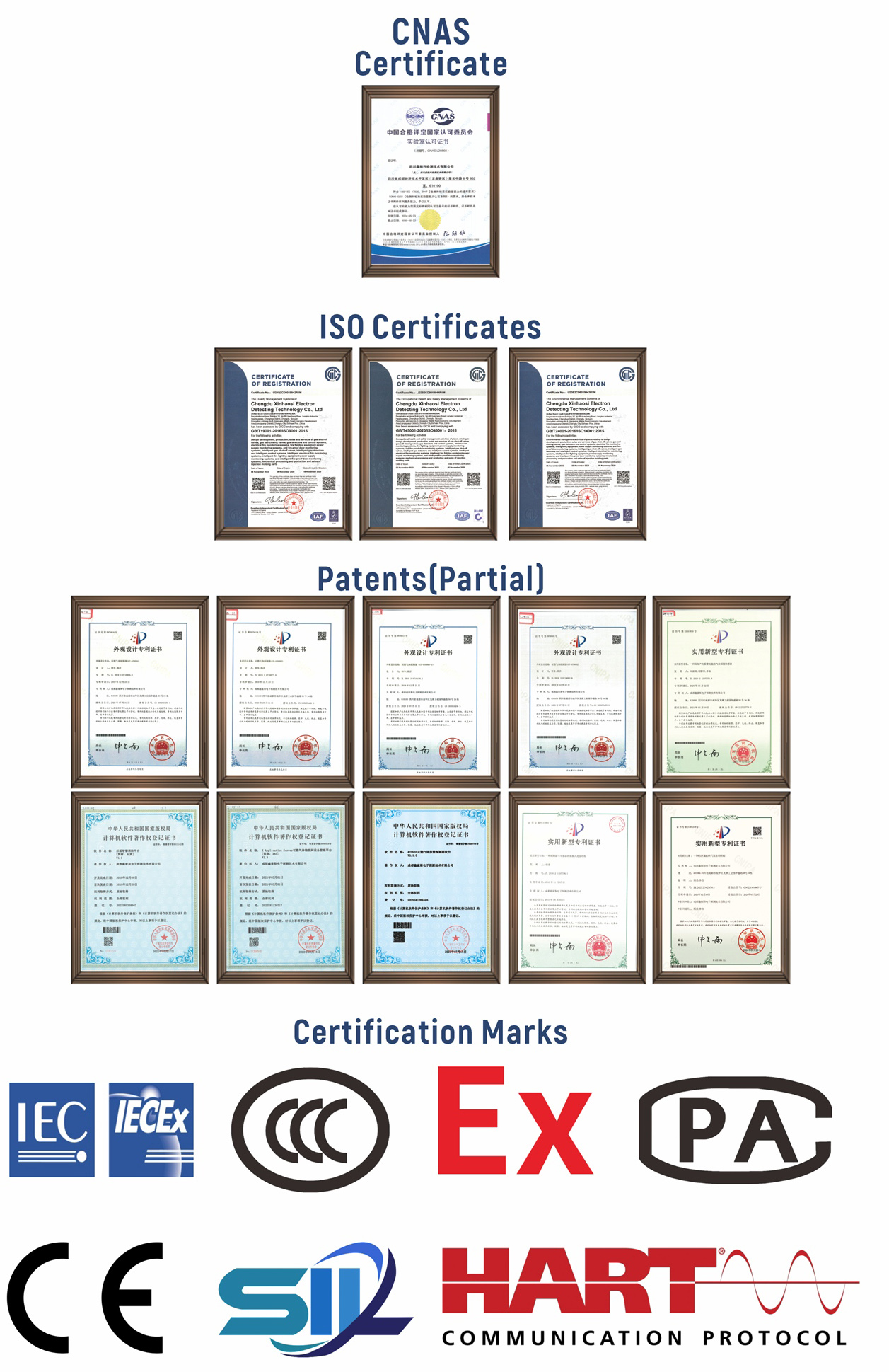
Adhering to ISO9001 quality management system standards, Xinhaosi's core products have obtained a full range of authoritative certifications, including national compulsory Products Certification, explosion-proof certification, fire product certification, CPA measurement instrument type approval certificate, and international approvals such as CE and SIL. Additionally, Xinhaosi holds honors such as "National Quality Integrity Benchmark Enterprise" and "National Quality Leading Enterprise in the Gas Alarm Industry," member of the China Fire Protection Association, and the main drafting organization for the national standard of solenoid valves, further confirming its industry influence and reputation.
In the field of intellectual property, Xinhaosi has built a robust innovation system with over 50 patents and software copyrights. These patents cover core technological areas, including a graphical monitoring system for gas detection and alarm, which enables predictive maintenance based on historical data to reduce equipment failure rates by over 30%, and a solenoid valve with flow monitoring functionality that integrates flow detection and alarm capabilities. The company also pioneered China's first networked bus-type gas leakage monitoring system and the only maximum-point gas leakage monitoring system certified by the Ministry of Public Security, demonstrating its leading position in cutting-edge technological research.
Our in-house laboratory is accredited by the China National Accreditation Service for Conformity Assessment (CNAS), recognized both domestically and internationally under the ILAC-MRA framework. It operates in accordance with ISO/IEC 17025, the international standard for testing and calibration laboratories. It provides reliable and traceable testing services for gas detection and alarm products, solenoid valves, and related safety equipment. Test reports issued by the CNAS-accredited laboratory are widely accepted by regulatory authorities, certification bodies, and customers in China and overseas, helping to ensure product quality, safety compliance, and market access.
Years of R&D Excellence
Patents & Software Copyrights
Reduced Equipment Failure Rate
ISO/IEC 17025 Laboratory
Deciding on the correct electro-optical spectrum for safety integration inside hazardous locations.
Choosing the correct flame sensor for a safety installation involves analyzing the source fuel and environmental interferents. The table below represents standard industrial comparison metrics utilized when evaluating safety systems for New Zealand projects:
| Detection Technology | Spectral Bands | Key Advantages | Interference Sensitivities |
|---|---|---|---|
| Single UV | 185 to 260 nm | High sensitivity to metal/hydrogen fires; extremely fast response (<100ms). | Arc welding, lightning, high-voltage X-ray, solar radiation. |
| Dual IR/UV | 185nm & 4.4µm | Dual logical verification minimizes false alarms from non-fire IR/UV sources. | Thick smoke blocks UV sensor; heavy rain/fog dims optical paths. |
| Triple IR (3IR) | Three bands (3-5µm range) | Highly immune to false alarms; penetrates heavy smoke, steam, dust, and water mist. | Requires carbonaceous fuel (CO₂ generation); not suitable for pure Hydrogen. |
As New Zealand advances its National Hydrogen Roadmap, green hydrogen production facilities present a unique flame safety puzzle. Since pure hydrogen ($H_2$) burns without generating carbon dioxide ($CO_2$), traditional 3IR detectors targeting the 4.4-micron band cannot detect hydrogen fires. In these applications, specialized dual-spectrum UV/IR detectors (which observe the 185-260nm UV range alongside water-vapor emission bands at 2.7 microns) must be deployed to ensure critical plant shutdown capabilities.
Over two decades of engineering reliable safety technologies and scaling global supply pipelines.
● Established in Apr. 17th, 2003.
● Launched the 1st generation of gas leak alarm & fire fighting products.
● Started gas safety valve production.
● Expanding on OEM business.
● Moved to the office building in Longtan industrial park.

● 10 millions pcs gas detector sales achieved.
● Moved into Chengdu factory building.
● Completed sales & service network across China.
● Launched the fire power monitoring system products.
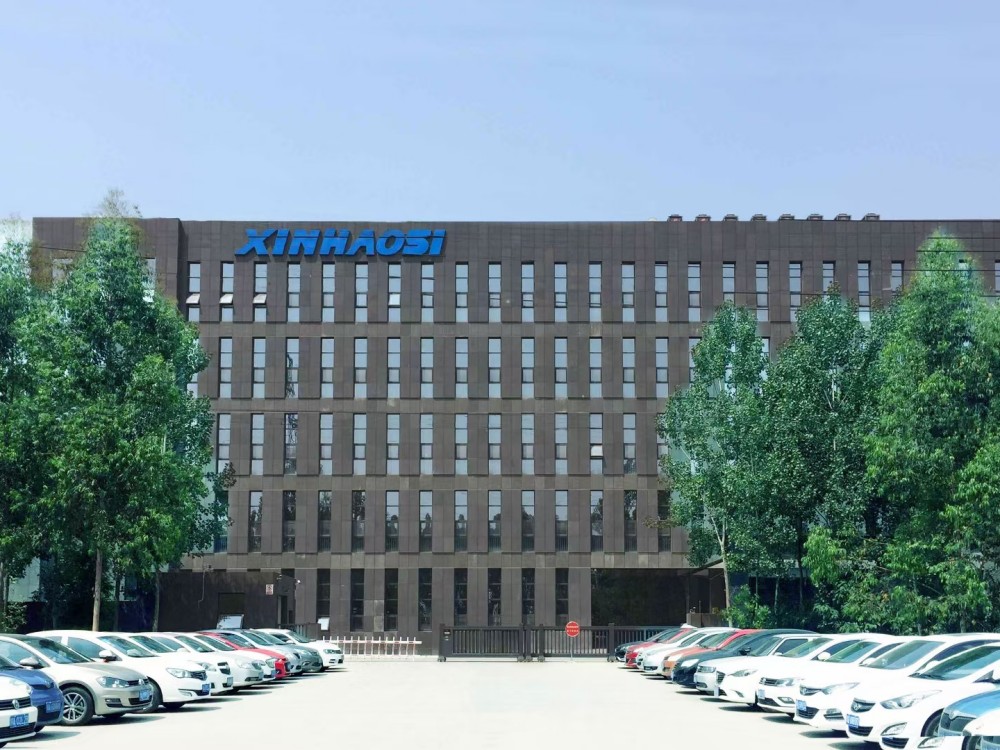
● Self-developed IoT platform launched.
● Launched fire automatic alarm, emergency lighting, and evacuation systems.
● Obtained high-tech enterprise certificate.
● Qualified official supplier of China’s top 5 gas suppliers.
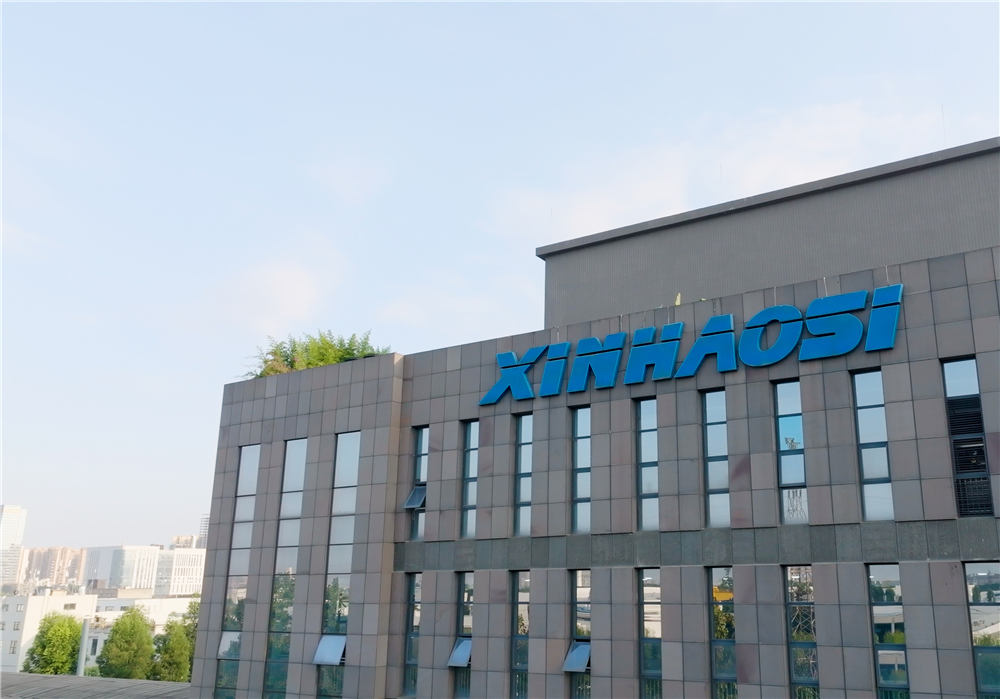
● Started Deyang factory construction.
● Established the Petrochemical & International business Division.
● Awarded the title of Sichuan Provincial Technology Center.
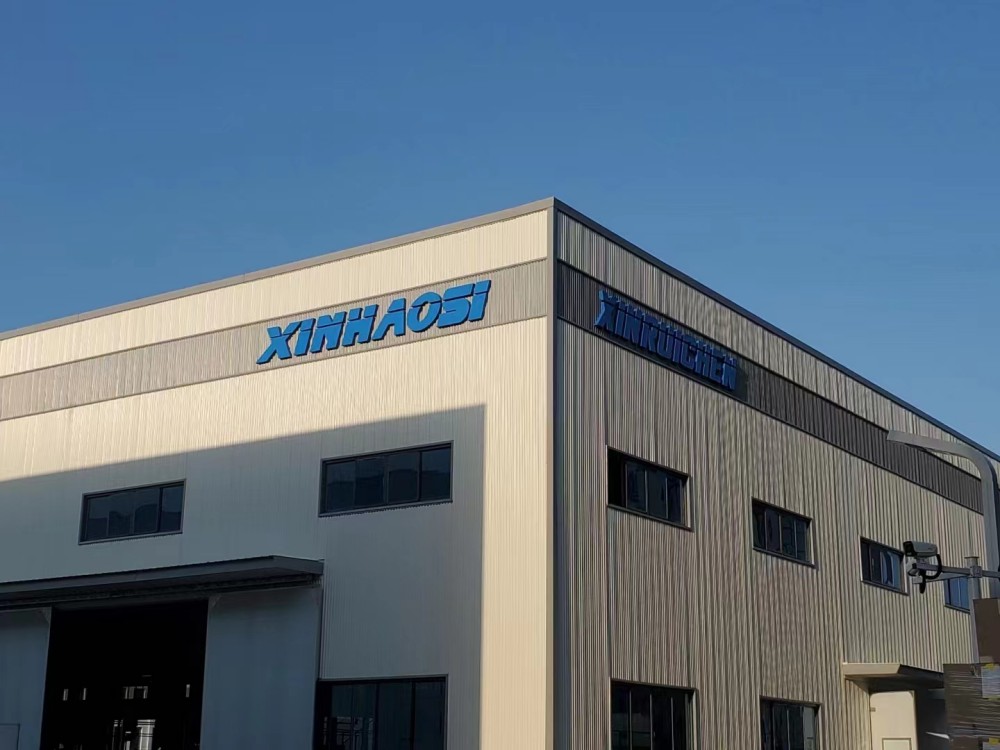
● Deyang factory construction completed and operation started.
● Launched urban gas pipeline network monitoring products.
● Launched wireless detection products.
● Launched AI safety valve products.
A unified system layout designed to mitigate fire hazards, protect infrastructure, and meet WorkSafe NZ standards.
Modern industrial safety requires flame detection to interface seamlessly with ventilation, gas isolation, and fire suppression systems. The integrated layout below illustrates our unified approach to hazard management:
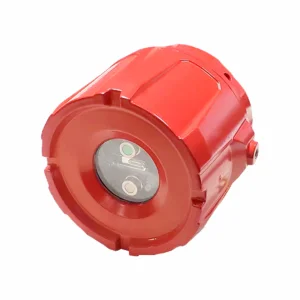
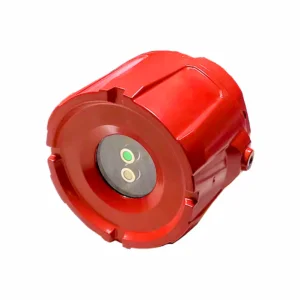
1. Primary Detection (The Optical Front-Line): Flame sensors (like the FD1020 Triple IR or IFD2020 IR/UV) continuously scan high-risk zones, such as chemical storages or fuel manifolds.
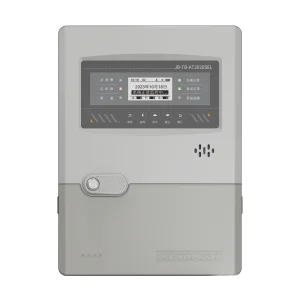
2. Control Loop Integration (The Brain): Real-time field signals route directly to our central controllers (such as the JB-TB-AT2020SEL controller), linking with local plant DCS/SCADA networks via MODBUS or 4-20mA loops.
3. Automated Safeguard Actions (Emergency Isolation): Upon verification of flame or combustible gas leaks, controllers initiate emergency shutdown protocols—automatically closing heavy solenoid valves to shut down fuel lines and prevent escalation.
Technical guidance, regulatory compliance, and best practices for commercial safety engineers in New Zealand.
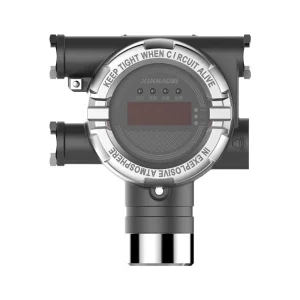
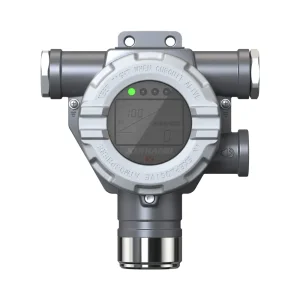
Browse our complete selection of explosion-proof transmitters, industrial controllers, and solenoid valves.
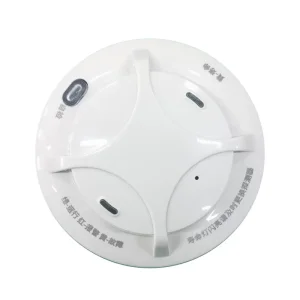
OEM JT-AT2004BII Household Bus-type Combustible Gas Detector Suppliers, Manufacturer
Bus-Type Residential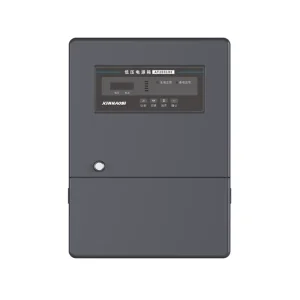
OEM AT2031XE Low Voltage Power Box Supplier, Manufacturer
Power Accessories
High-Quality JB-TB-AT2020SEL Gas Detector Controller Supplier, Suppliers
Central Safety Hub