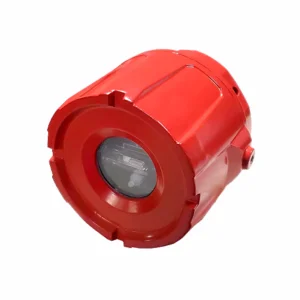
Explore our high-performance industrial optical fire sensing technologies optimized for the high-temperature and high-humidity environments of Thailand.
The Bangkok metropolitan area, coupled with the neighboring Eastern Economic Corridor (EEC) provinces, serves as the industrial heartland of Thailand. Heavy industries ranging from petrochemical refining in Map Ta Phut, chemical manufacturing in Samut Prakan, to vast automotive assembly plants in Chonburi require high-level automated fire safety structures. Industrial fires in these high-value zones represent catastrophic risks: losing equipment worth billions of Baht, suffering extended production downtime, and risking worker safety.
Traditional thermal and smoke detection technologies are often insufficient for these environments. High roof clearances in industrial hangars delay smoke detection, while dust, vapor, and fluctuating environmental factors trigger frequent false alarms. As a result, the demand for optical flame detectors—particularly multi-spectrum Triple Infrared (IR3) and Ultraviolet/Infrared (UV/IR) systems—has grown rapidly in Thailand's industrial fire protection sector.
Our company specializes in delivering optical detectors designed to mitigate local challenges. Bangkok's tropical climate features extreme relative humidity (often exceeding 80%) and high ambient temperatures, which can lead to condensation on optical lenses. Our premium line of flame detectors is engineered with internal heating elements to prevent fogging, maintaining optimal sensitivity and continuous monitoring in demanding tropical industrial sites.


Founded in 2003, Xinhaosi is one of the most influential and trusted brands in the global gas and fire safety industry. Over the past two decades, we have steadily built a robust and comprehensive production and service system, which integrates cutting-edge R&D, intelligent manufacturing with advanced automation equipment, digital marketing across global channels, professional after-sales support with an experienced technician team, flexible OEM/ODM services, as well as CNAS-Accredited laboratory calibration services that meet international standards.
Our diversified product portfolio covers industrial & residential gas detection & alarm systems, industrial & household gas solenoid valves, and urban gas pipeline network monitoring systems—all engineered to adapt to complex working environments and strict safety requirements. We produce and sell tens of millions of units annually, catering to a wide range of industries that demand reliable safety solutions, including oil & gas exploration and production, petrochemicals, urban gas distribution, automotive manufacturing, pharmaceuticals, new energy, steel production, and beverage processing.
Guided by the core mission of "Making Gas Safety Accessible Everywhere," we consistently deliver high-performance, reliable products and customized solutions tailored to each client's unique needs. Every item we manufacture undergoes rigorous quality control tests, and every service we provide is backed by our professional technical team, fully embodying our unwavering commitment to safeguarding gas and fire safety across both industrial workplaces and residential environments, and striving to build a safer world with sustainable safety technologies.
Optimized systems for rapid recognition of organic, inorganic, and hydrogen fires, designed for integration with automated industrial safety controllers.
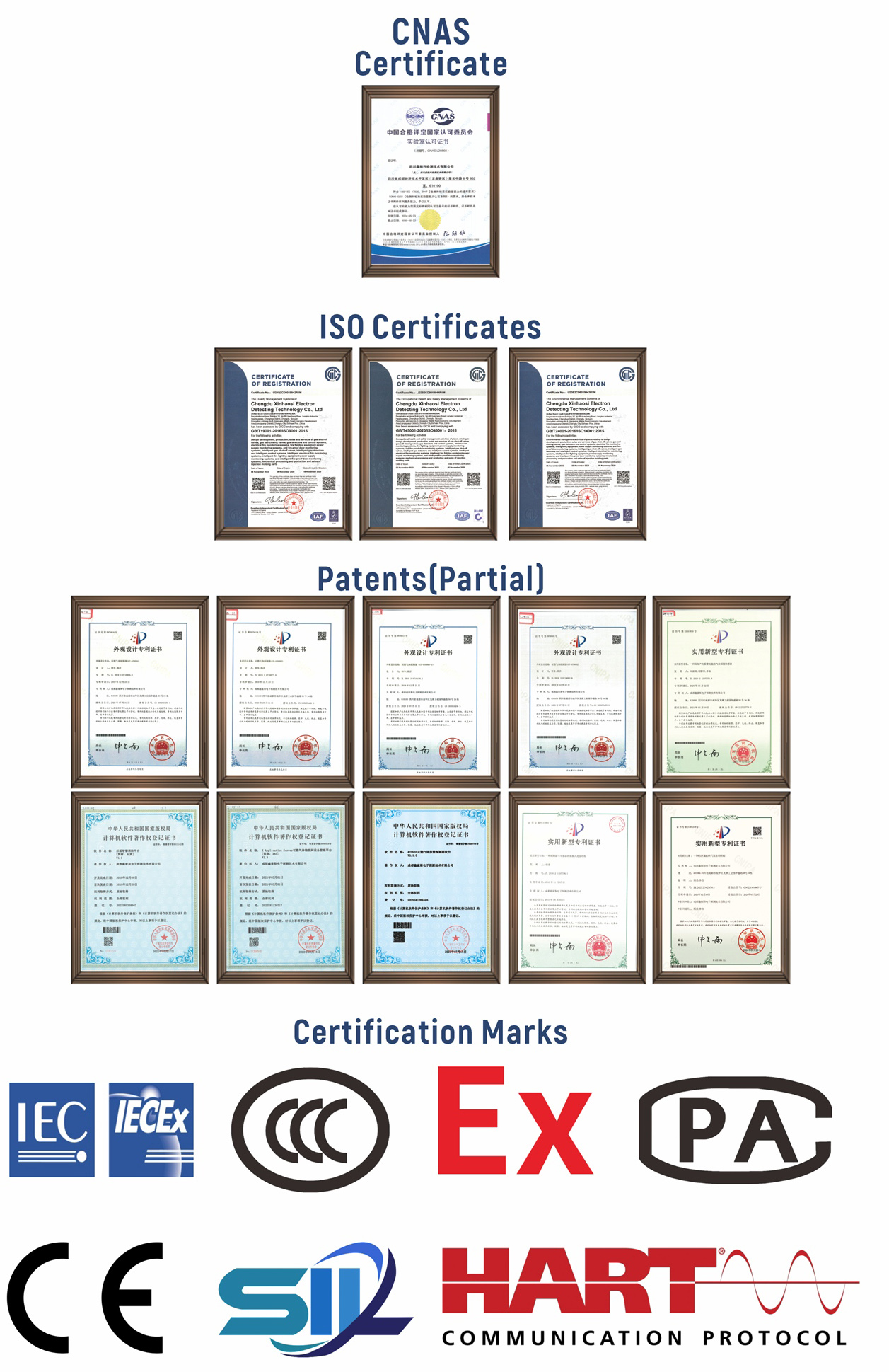
Adhering to ISO9001 quality management system standards, Xinhaosi's core products have obtained a full range of authoritative certifications, including national compulsory Products Certification, explosion-proof certification, fire product certification, CPA measurement instrument type approval certificate, and international approvals as CE and SIL. Additionally, Xinhaosi holds honors such as "National Quality Integrity Benchmark Enterprise" , "National Quality Leading Enterprise in the Gas Alarm Industry," member of the China Fire Protection Association, and the main drafting organization for the national standard of solenoid valves, further confirming its industry influence and reputation.
In the field of intellectual property, Xinhaosi has built a robust innovation system with over 50 patents and software copyrights. These patents cover core technological areas, including a graphical monitoring system for gas detection and alarm, which enables predictive maintenance based on historical data to reduce equipment failure rates by over 30%, and a solenoid valve with flow monitoring functionality that integrates flow detection and alarm capabilities. The company also pioneered networked bus-type gas leakage monitoring systems and maximum-point gas leakage monitoring systems certified by safety authorities, demonstrating its leading position in cutting-edge technological research.
Our in-house laboratory is accredited by the China National Accreditation Service for Conformity Assessment (CNAS), recognized both domestically and internationally under the ILAC-MRA framework. It operates in accordance with ISO/IEC 17025, the international standard for testing and calibration laboratories. It provides reliable and traceable testing services for gas detection and alarm products, solenoid valves, and related safety equipment. Test reports issued by the CNAS-accredited laboratory are widely accepted by regulatory authorities, certification bodies, and customers in China and overseas, helping to ensure product quality, safety compliance, and market access.
Understanding optical flame detection technologies is essential for choosing the right safety solution for your facility.
Optical flame detectors operate by detecting electromagnetic radiation emitted by fire. The choice of sensor type (Infrared, Ultraviolet, or a combination) is determined by the fuel type, hazardous zone classification, and local environmental interference factors. In Bangkok's heavy industrial sectors, where welding, lighting, and heavy diesel combustion are common, false alarm rejection is critical.
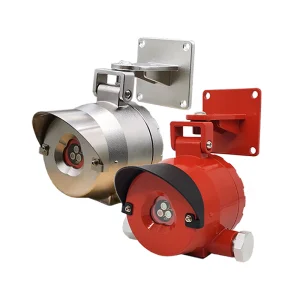
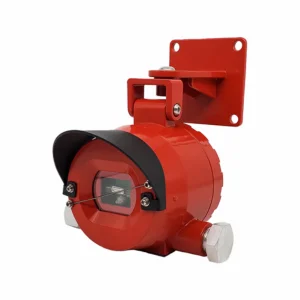
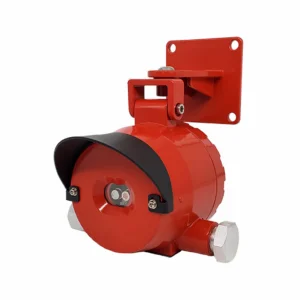
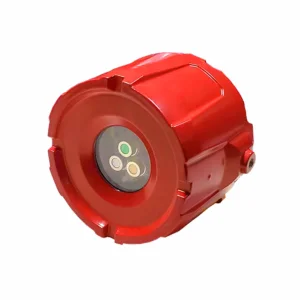
Our FD1020 Triple Infrared Flame Detector monitors three distinct wavelengths in the infrared spectral range (typically around 4.4 micrometers for the central carbon dioxide emission peak, along with sidebands to monitor background radiation). By comparing the signals of these three channels using fuzzy logic algorithms, the detector can distinguish the flickering signature of a real hydrocarbon fire from non-fire IR sources, such as hot piping, solar radiation, or halogen illumination.
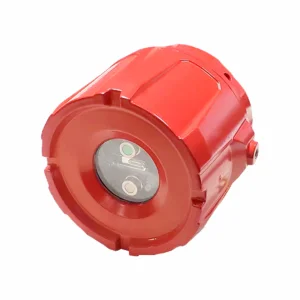
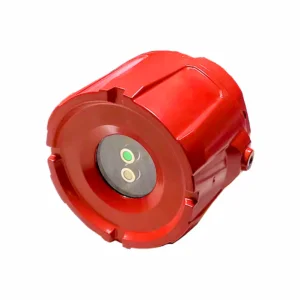
The IFD2020 Dual IR-UV Flame Detector combines a solar-blind UV sensor with a narrow-band IR sensor. The UV sensor responds to the short wavelength radiation emitted by flames, while the IR sensor tracks the combustion heat signature. Since both sensors must detect a signal simultaneously to trigger an alarm, this design offers high resistance to false alarms from arcs or hot surfaces.
Deploying flame detectors in Southeast Asia requires addressing specific local challenges:
A twenty-year track record of driving innovation in global fire and gas safety technology.
Startup & Foundation
Scale Expansion
Rapid Market Growth
IoT Innovation
Sichuan Provincial Tech Center
Smart Solutions & AI Integration
Technical guidance for safety engineers, procurement managers, and system integrators in Thailand's industrial sectors.
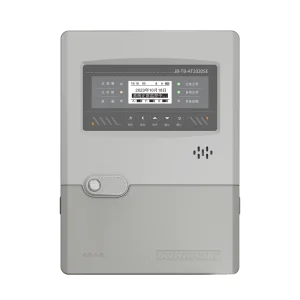
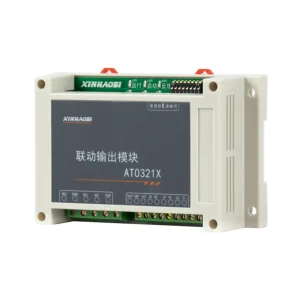
Integrate our optical flame detectors with explosion-proof gas detection units, multi-channel system controllers, and emergency shutoff devices to establish a unified safety barrier.