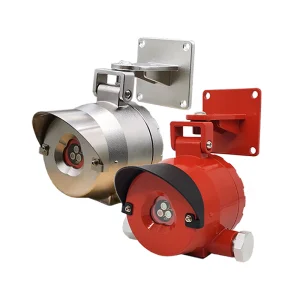
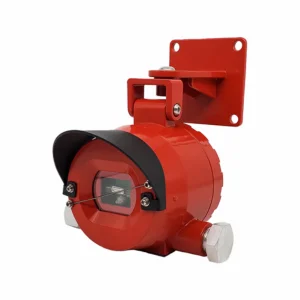
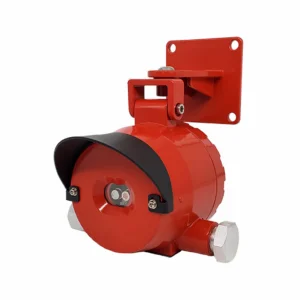
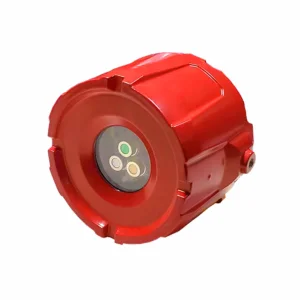
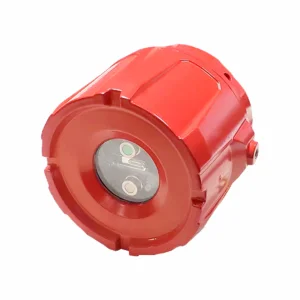
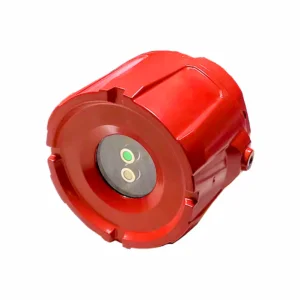
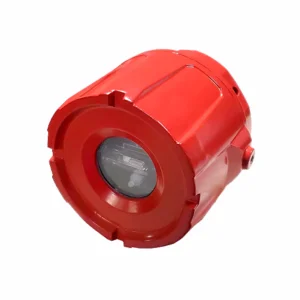
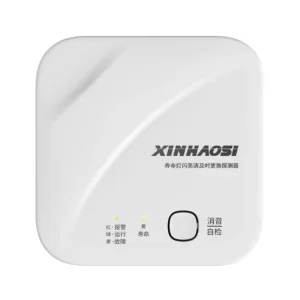
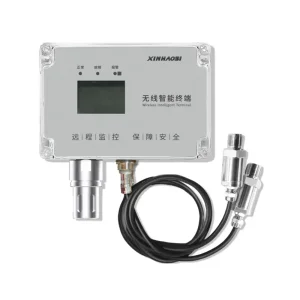
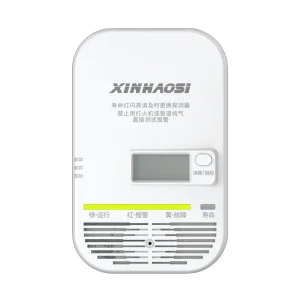
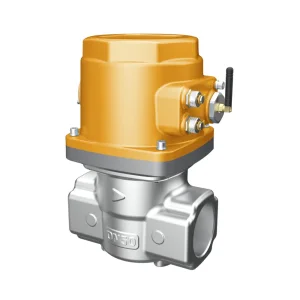
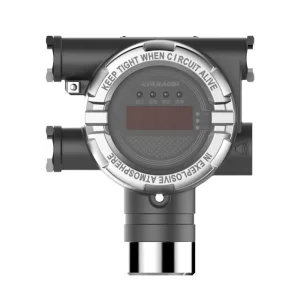
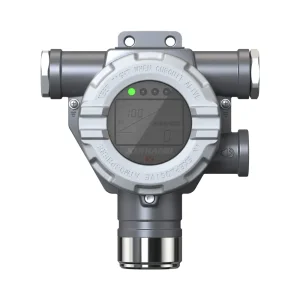
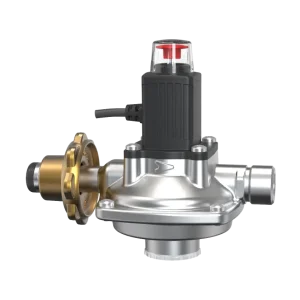
Explore our core explosion-proof and highly accurate optical detectors, engineered to minimize false alarms in complex architectural and harsh climatic marine conditions across the UK.
The industrial and commercial sectors in the United Kingdom demand exceptional resilience from active safety devices. Following the transposition of safety guidelines post-Brexit, facilities within the UK must navigate strict alignments with the UKCA (UK Conformity Assessed) system, alongside traditional european directives like ATEX (Directive 2014/34/EU) and DSEAR 2002 (Dangerous Substances and Explosive Atmospheres Regulations).
Flame detectors implemented in locations such as the North Sea offshore oil fields, coastal LNG storage facilities, petrochemical corridors in Teesside and Grangemouth, and newer lithium-battery gigafactories must meet the BS EN 54-10 functional testing criteria. Furthermore, clean energies like Hydrogen (H2) fuel grids demand immediate optical sensors, as hydrogen combustion emits minimal smoke or visible light, leaving traditional heat/smoke alarms practically useless.
Under DSEAR, UK operators are required to minimize risks of gas ignition and sudden flash fires. Standard optical sensors suffer from false alarms due to solar reflection or hot carbonaceous bodies. Advanced multi-spectral Triple IR (IR3) and UV/IR instruments eliminate these downtime-inducing triggers by validating specific molecular emission spectra.
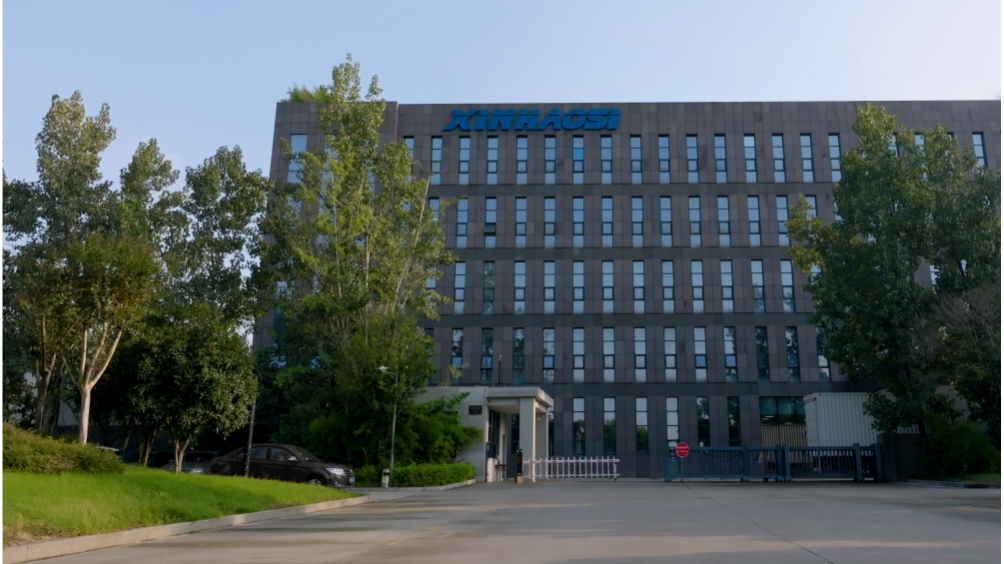
Xinhaosi's Chengdu & Deyang Intelligent Production Facilities
Global logistics and component shortages present significant operational hurdles for system integrators across Europe and the UK. With our massive dual facilities in Chengdu and Deyang, Xinhaosi has instituted an advanced Factory 4.0 paradigm, optimizing lead times, batch consistency, and component tracking.
By automating the high-precision SMT (Surface Mount Technology) processes, optical calibration, and housing CNC machining, we guarantee that every single flame detector and explosion-proof gas safety transmitter matches the strict mechanical tolerances required for IP66 and IP67 protection ratings. Furthermore, our internal supply line control ensures that critical optical filters and sensors are buffered against volatile raw-material markets.
Our CNAS-accredited laboratory executes rigorous environmental stress screening (ESS), including temperature cycling from -40°C to +85°C, high-humidity trials, and intense vibration simulations. This is vital for offshore platforms in the North Sea, where salty maritime moisture, sub-zero winds, and persistent wave vibrations degrade low-tier industrial sensors.
Founded in 2003, Xinhaosi is one of the most influential and trusted brands in the global gas safety and flame detection industry. Over the past two decades, we have steadily built a robust and comprehensive production and service system, which integrates cutting-edge R&D, intelligent manufacturing with advanced automation equipment, digital marketing across global channels, and professional after-sales support with an experienced technician team.
We produce and sell tens of millions of units annually, catering to a wide range of industries that demand reliable safety monitoring solutions, including oil & gas exploration and production, petrochemicals, urban gas distribution, automotive manufacturing, pharmaceuticals, new energy, steel production, and beverage processing.
Guided by the core mission of "Making Gas Safety Accessible Everywhere," we consistently deliver high-performance, reliable products and customized solutions tailored to each client's unique needs, fully embodying our unwavering commitment to safeguarding workplaces across the UK and the rest of the world.

A history of innovation, expansion, and technological leadership in industrial protection.
Established on April 17th, 2003. Launched our first generation of gas leak alarm and fire fighting products, laying the foundation for core sensing algorithms.
Expanded production to include industrial gas safety valves. Scaled our OEM capabilities and relocated our headquarter office to the Longtan Industrial Park.
Achieved the milestone of 10 million units in cumulative sales. Established a nation-wide sales and service network. Relocated to our primary Chengdu factory.
Launched self-developed safety IoT platform alongside intelligent emergency evacuation systems. Qualified as a supplier for Top 5 global energy gas enterprises.
Established the dedicated Petrochemical & International Business Division. Awarded the title of Sichuan Provincial Technology Center. Initiated construction of the Deyang smart facility.
The modern Deyang facility begins full operation. Launched wireless safety sensors and AI-powered gas safety valves, pushing the envelope of autonomous accident prevention.
A technical guide for project managers designing safety systems in the United Kingdom.
Monitors three distinct narrow bands of infrared radiation (typically around 4.4µm for carbon dioxide emission). Analyzes flicker rates to verify organic hydrocarbon fires.
Combines an ultraviolet (UV) sensor with an infrared (IR) sensor. Correlates the signal from both spectra before triggering an alarm, reducing false triggers.
Utilizes a highly sensitive phototube operating in the solar-blind spectral region (185-260 nm). Triggers immediately upon registering UV photons.
From the North Sea to the Midlands, our systems secure high-risk infrastructure.
Coastal terminals face severe salty winds, dense sea mists, and aggressive rain. Standard detectors suffer rapid optical fogging and housing corrosion. Our explosion-proof 316 Stainless Steel housed detectors are specifically deployed to counter high salinity, operating optimally in marine environments.
As the UK steps up its net-zero hydrogen transition (utilizing green hydrogen for local gas networks), safety monitoring needs to undergo drastic changes. Since hydrogen combustion does not produce CO or CO2, traditional IR detectors fail to register the flame. Our dual UV/IR models with custom narrow band-passes are ideal for hydrogen monitoring.
Biomass combustion chambers and waste shredding zones produce substantial volumes of airborne dust, smoke, and localized heat anomalies. The IR3's dynamic multi-frequency analysis ensures that dust clouds and background thermal heat signatures do not trigger false alarms, preventing plant downtime.
With large-scale battery storage facilities appearing across the UK power grid, thermal runaway events require immediate monitoring. Combining ultra-fast optical UV detectors with combustible gas transmitters provides a dual-layer warning system, enabling gas ventilation before a fire propagates.
Addressing the complex technical and regulatory questions asked by safety engineers.
Contact our specialized engineering desk to review your DSEAR compliance sheets, system integration layout drawings, or custom OEM requirements.
Send Inquiry NowExplore our complete range of certified flame sensors, toxic gas detectors, and safety shut-off systems serving UK and international markets.