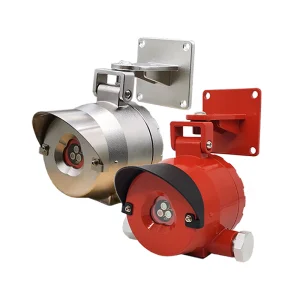
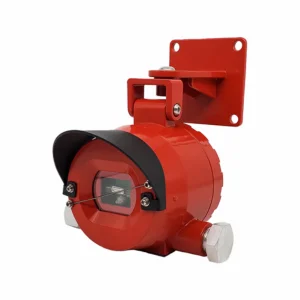
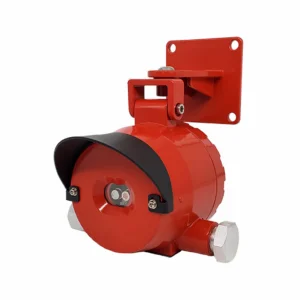
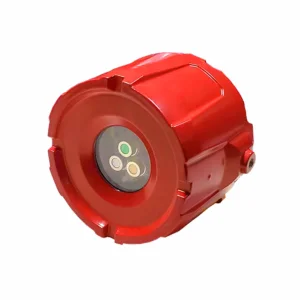
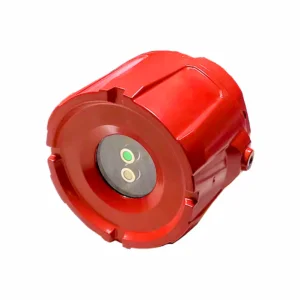
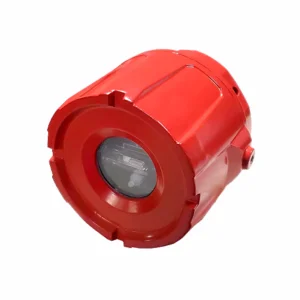
Engineered for high performance, maximum reliability, and fast detection speeds. These essential components integrate seamlessly with local safety standards and DCS infrastructures.
Australia boasts some of the world's most remote, extreme, and hazardous industrial sites. From the iron ore giants of the Pilbara region in Western Australia to LNG export terminals in Gladstone, Queensland, and complex chemical hubs in Victoria, safeguarding capital assets and human lives against fire hazards is of paramount national concern.
Traditional fire safety equipment often falls short in these harsh conditions. Factors such as extreme solar radiation, heavy dust particles in open-cut mining, and fluctuating ambient temperatures demand advanced optical flame detection (OFD) technologies that reject false alarms while maintaining lightning-fast reaction speeds. Safety engineers and procurement managers must source solutions that conform strictly to AS/NZS 60079 standards for explosive atmospheres and meet SIL 2/3 (Safety Integrity Level) functional requirements.
Australian operating regulations demand that flame detectors function with zero solar interference, even under direct Southern Hemisphere sunlight. This requires precise dual and triple-spectrum infrared/ultraviolet analysis algorithms configured for local industrial realities.
Choosing the right detection method determines the efficiency of your hazard containment systems. Here is an overview of standard technologies engineered for rugged environments.
| Technology Type | Detection Method & Wavelength | Optimal Application Scenarios | Key Advantages | False Alarm Immunity |
|---|---|---|---|---|
| Triple IR (IR3) | Analysis of three bands in the infrared spectrum (~4.0 to ~4.8 microns) to monitor CO2 emission lines. | Hydrocarbon fires, fuel refineries, offshore oil platforms, large open mining hangars. | Longest detection range (up to 65+ meters), excellent dust/smoke penetration. | Ultra-High (resists arc welding, hot body radiation, and sunlight). |
| Dual IR/UV | Combines solar-blind ultraviolet sensor with specialized infrared sensor bands. | Hydrogen generation facilities, petrochemical labs, clean manufacturing plants. | Dual-spectral verification offers rapid response time and detects clean-burning fires. | High (uses cross-correlation of UV and IR spectral inputs). |
| Single UV | Utilizes photo-cathode tubes sensitive to solar-blind UV spectrum (185-260 nm). | Indoor gas pipelines, internal turbine enclosures, battery storage units. | Instantaneous reaction (milliseconds), compact and cost-effective layout. | Moderate (requires shielding from lightning and high-voltage corona). |
Our flame detectors and control platforms are customized for critical sectors throughout Australia's industrial infrastructure.
In WA and QLD, haul truck maintenance hangars, processing crushers, and conveyor transfers generate heavy dust. Triple IR (IR3) detectors bypass dust clouds and identify diesel fires before they spread.
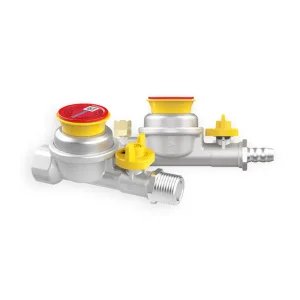
Offshore operations demand explosion-proof, SIL 2 certified dual-spectrum IR/UV sensors. These devices interface with industrial gas detection loops and shut-off valves to handle methane and condensate risks.
As Australia transitions toward hydrogen, traditional detection fails because hydrogen fires emit zero CO2. Our UV/IR flame detectors monitor non-hydrocarbon fires to protect clean energy storage.
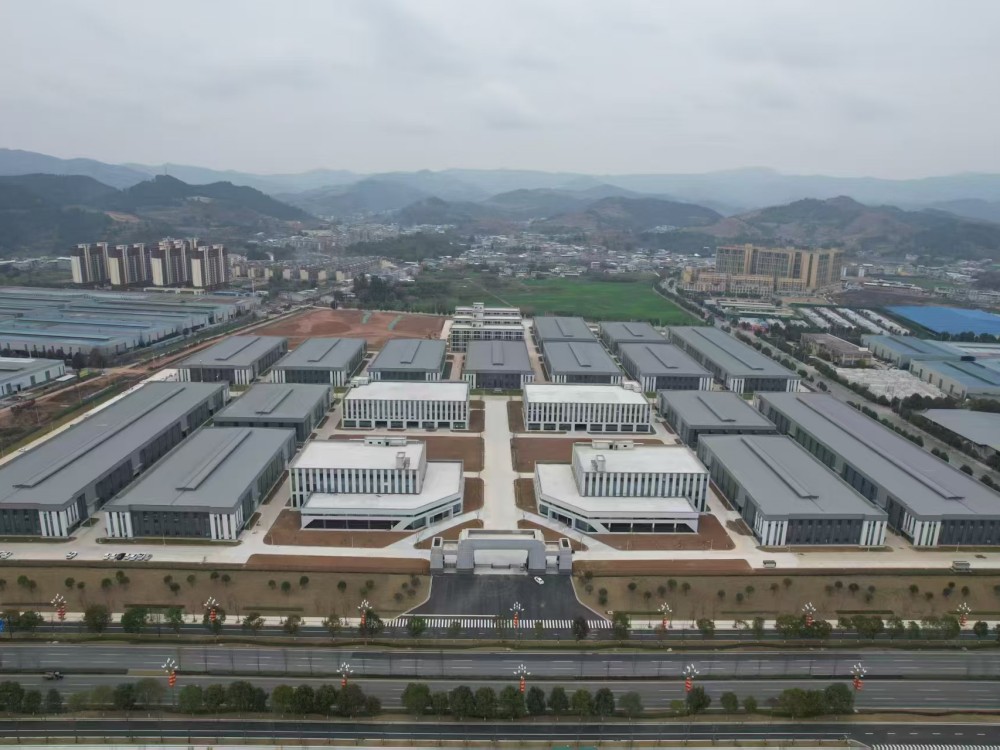
Operating out of modern facilities in Chengdu and Deyang, Xinhaosi manages end-to-end production. This includes CNAS-accredited calibration laboratories, automated surface mount technology (SMT) lines, and computerized optical calibration rigs.
By bypassing mid-tier white-label agents, we provide direct OEM/ODM capabilities. This ensures cost-efficiency and direct access to technical support for custom safety engineering projects.
For Australian engineering procurement firms, sourcing flame detectors from Xinhaosi offers a balance of cost-efficiency and high performance. We control the supply chain from component assembly to calibration, ensuring stable delivery times and consistent product quality.
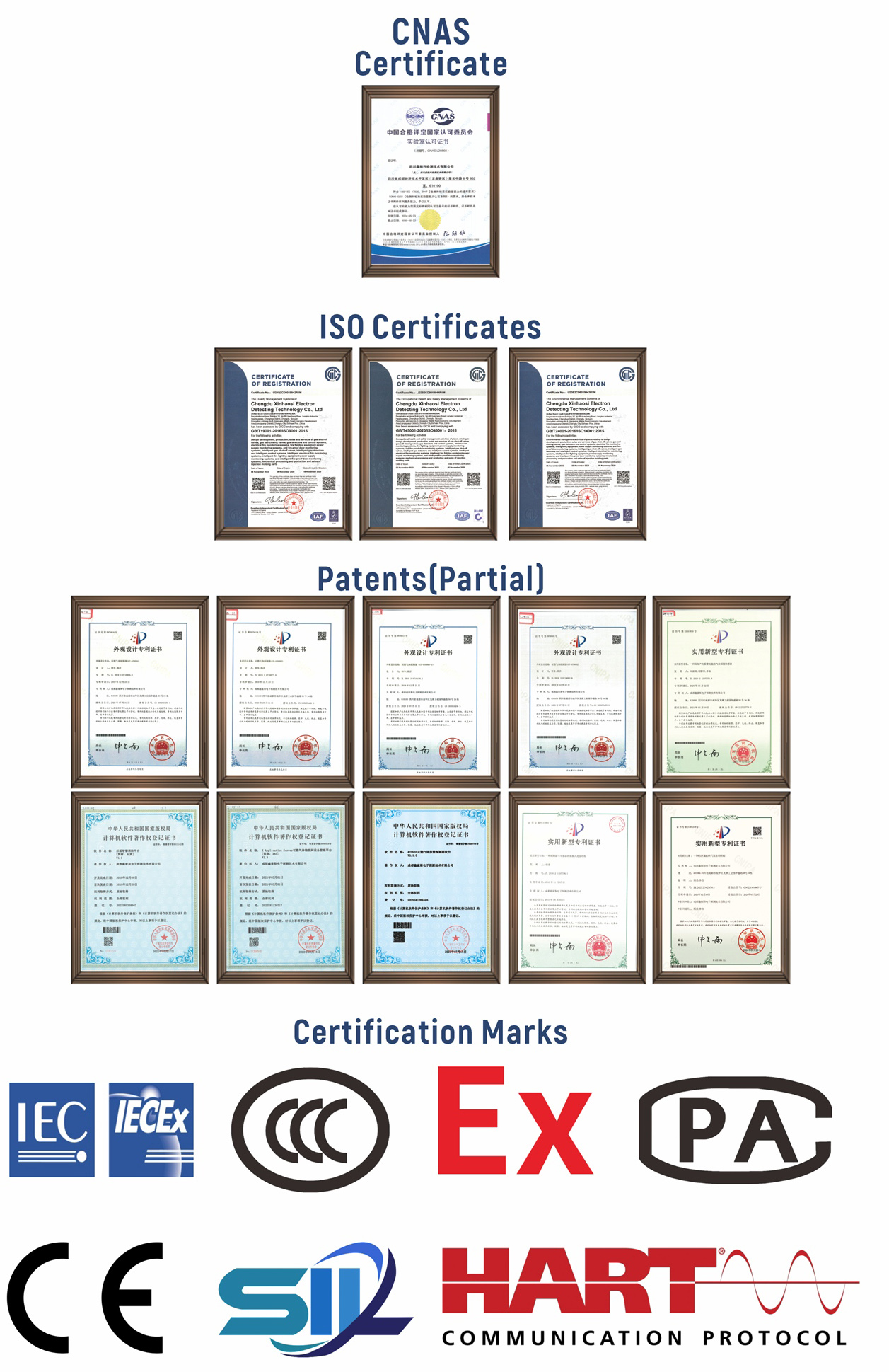
Our industrial production capabilities meet global testing benchmarks. Our products are certified under international explosive protection schemes (IECEx / ATEX) and functional safety frameworks (SIL). Australian partners benefit from hardware designed for heavy-duty environments, backed by reliable production capacity.
Integrating 20+ years of industrial safety innovations with advanced global engineering and testing compliance.
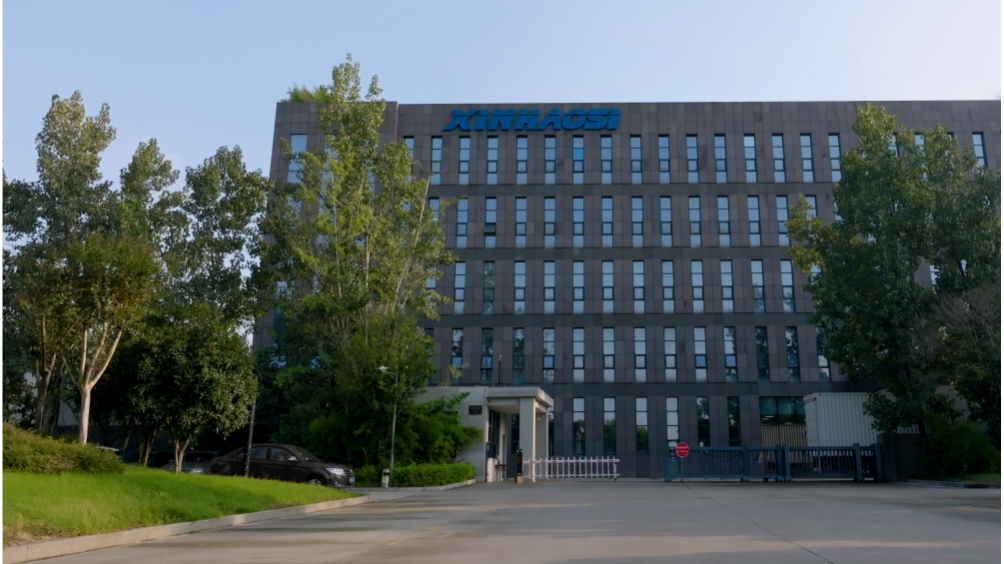
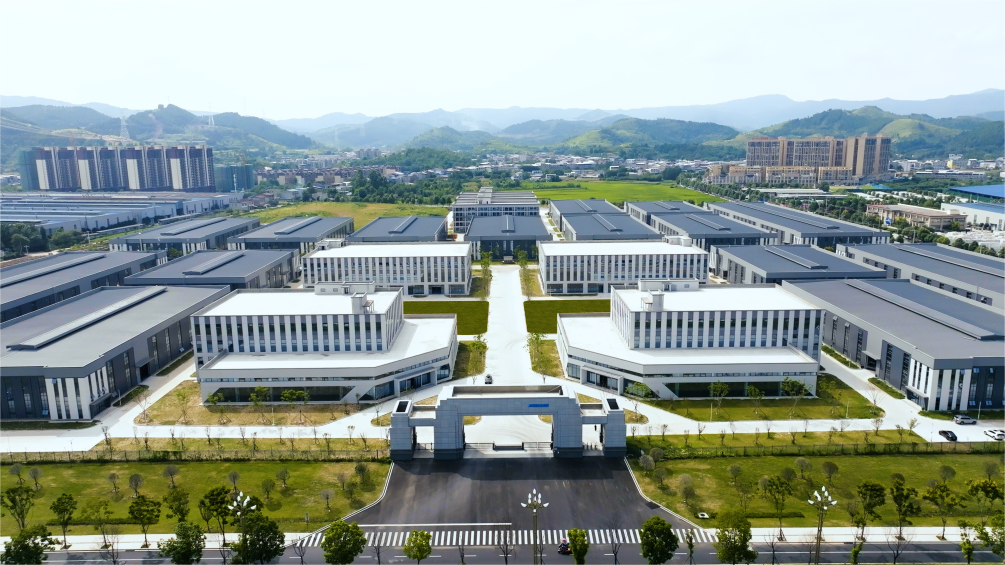
Founded in 2003, Xinhaosi is an established brand in the global gas safety and flame detection industry. Over the past two decades, we have built a comprehensive production and service system that integrates R&D, automated manufacturing, global channel logistics, and technical after-sales support.
Our product portfolio includes industrial gas detection systems, industrial solenoid valves, and municipal pipeline safety equipment designed for complex working environments. We ship millions of units annually to customers in petro-chemical processing, pharmaceutical labs, heavy metallurgy, and clean energy storage.
Adhering to ISO9001 quality management systems, Xinhaosi's core products hold explosion-proof certifications, fire product type approvals, and international safety approvals like CE and SIL. We are a member of the China Fire Protection Association and have contributed to national standardizations for safety solenoid valves.
Xinhaosi holds over 50 patents and software copyrights. Our graphical monitoring platform enables predictive maintenance based on historical data trends, helping operators reduce equipment downtime. Our in-house calibration laboratories are accredited by CNAS under ISO/IEC 17025, ensuring test reports are traceable and recognized internationally under the ILAC-MRA framework.
A history of engineering developments, scaling production, and advancing safety technology.
2003-2008: Founded in April 2003. Launched our first-generation gas leak alarms and fire protection equipment.
2009-2012: Began production of gas safety valves and expanded OEM partnerships. Relocated to the Longtan Industrial Park office building.
2013-2016: Achieved sales milestones for gas detectors, opened our dedicated Chengdu factory, and launched fire power monitoring systems.
2017-2020: Launched our IoT safety platform, advanced automatic fire alarms, and became an official supplier to major energy operators.
2021-2023: Began construction on the Deyang factory, established the Petrochemical & International Business Division, and received provincial technology center designation.
2024 & Beyond: The Deyang factory is operational. Expanding wireless detection equipment, smart safety valves, and industrial-grade triple IR flame detectors.
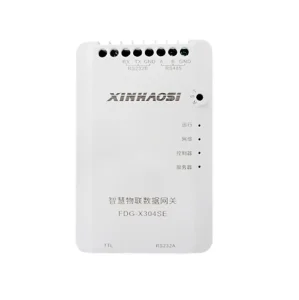
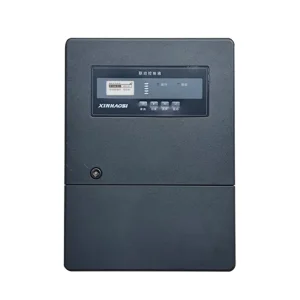
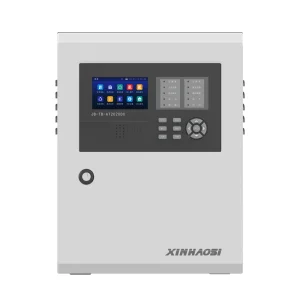
Complete safety systems require more than sensors. Our data gateways, controllers, and output modules connect flame detectors to your site's emergency shutdown systems.
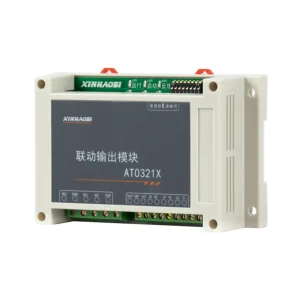
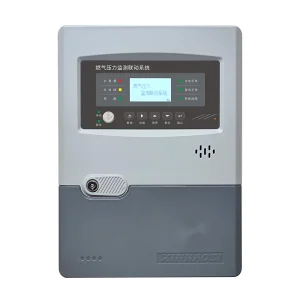
For engineering, procurement, and construction (EPC) contractors managing major projects in New South Wales, Queensland, and Western Australia, selecting safety instrumentation is a critical step in risk management. Equipment selection affects insurance premiums, regulatory approvals, and functional safety reviews.
Key considerations for optical flame detection in Australian applications include:
Ensure your supplier can provide CNAS or ISO/IEC 17025 accredited calibration certs, comprehensive firmware customization options, and Modbus/HART register maps prior to shipment.
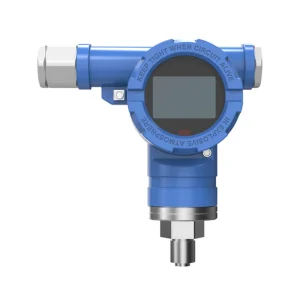
Explore our complete range of certified flame sensors, gas monitoring transmitters, and automated safety shutdown valves.
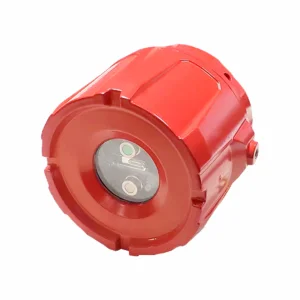
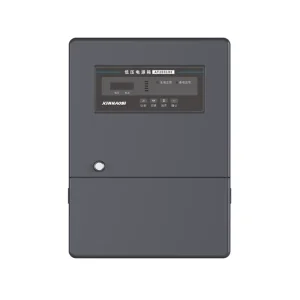
Answers to common technical and commercial questions regarding flame detector applications, compliance, and operation.
Discuss your project specifications with our application engineers. We provide technical consultation, product datasheets, and custom integration quotes for projects across Australia.
Send Inquiry Now