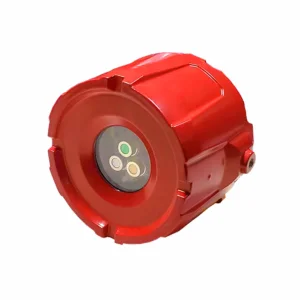
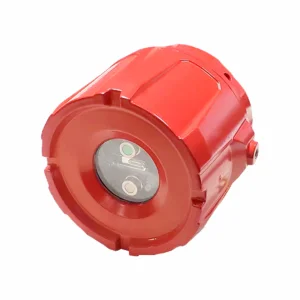
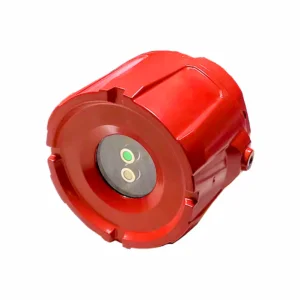
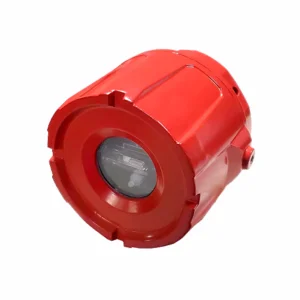
High-performance systems certified to withstand extreme climate and process variables in South American energy and manufacturing hubs.
Demanding environmental conditions require sophisticated flame detection methodologies.
Brazil represents one of the most dynamic yet challenging industrial landscapes globally. As the largest sugarcane ethanol producer in the world and a major force in offshore deepwater oil extraction (Pre-Salt fields in the Santos and Campos Basins), the country's energy infrastructure requires rugged safety apparatuses. Flame detectors operating in these territories must cope with extreme heat, high relative humidity, airborne dust, and highly flammable chemical processes.
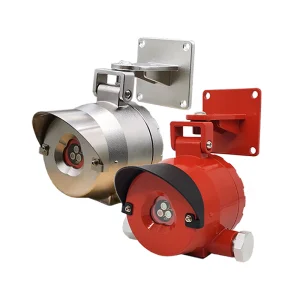
1. Sugarcane Ethanol Distilleries (São Paulo & Central-West Regions): Ethanol fires present a major risk because they burn with a nearly invisible flame in daylight. Traditional UV detectors can be blinded by ambient sunlight and dust, while single-spectrum IR detectors fail to register the unique chemical signature of clean-burning alcohol. Our dual-spectrum IR/UV and multi-spectrum IR3 detectors use narrow-band infrared sensors tuned to the 4.3–4.5 micron CO2 emission peak combined with ultra-violet sensors, guaranteeing rapid detection of ethanol fires even under direct, high-intensity sunlight.
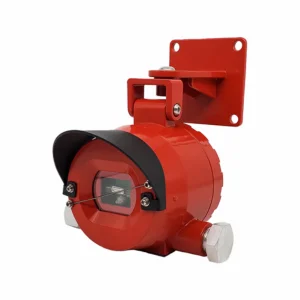
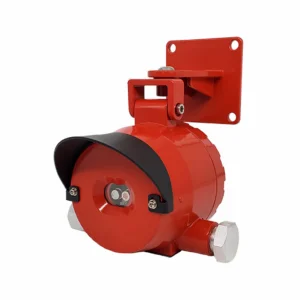
2. Pre-salt Offshore Platforms & FPSOs: Located hundreds of miles off the coast of Rio de Janeiro, offshore vessels operate under continuous saline spray, heavy vibrations, and potential gas cloud releases. Any fire here must be stopped within milliseconds. Explosion-proof Ex d IIC enclosures with IP66/67 ingress protection, combined with optical self-test windows, ensure that our flame detectors maintain peak performance despite salt buildup and mechanical stress.
3. Pulp & Paper Mills (Klabin, Suzano): Fast-moving fires on high-speed paper machinery and massive woodchip conveyors require immediate intervention. Dust storms generated during material handling can blind standard optical detectors. Our detectors utilize multi-frequency band analysis and optimized signal algorithms to distinguish between real flames and dust cloud reflections, preventing costly false alarms and unnecessary production line shutdowns.
Founded in 2003, Xinhaosi is one of the most influential and trusted brands in the global gas safety and flame detection industry. Over the past two decades, we have built a robust and comprehensive production and service system, integrating cutting-edge R&D, intelligent manufacturing with advanced automation equipment, digital marketing across global channels, and professional after-sales support with an experienced technician team.
Our diversified product portfolio covers industrial & residential gas detection & alarm systems, industrial & household gas solenoid valves, and urban gas pipeline network monitoring systems—all engineered to adapt to complex working environments and strict safety requirements. We produce and sell tens of millions of units annually, catering to a wide range of industries that demand reliable safety solutions, including oil & gas exploration and production, petrochemicals, urban gas distribution, automotive manufacturing, pharmaceuticals, new energy, steel production, and beverage processing.
Guided by our core mission, "Making Gas Safety Accessible Everywhere," we consistently deliver high-performance, reliable products and customized solutions tailored to each client's unique needs. Every item we manufacture undergoes rigorous quality control tests, fully embodying our commitment to safeguarding life and property across both industrial and residential environments.
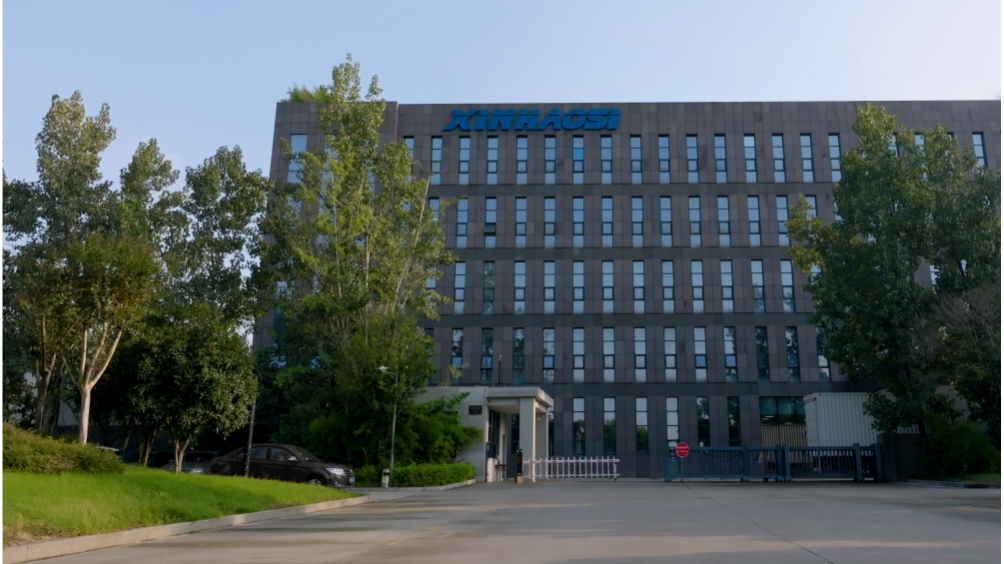
Xinhaosi State-of-the-Art Office and Manufacturing Complex
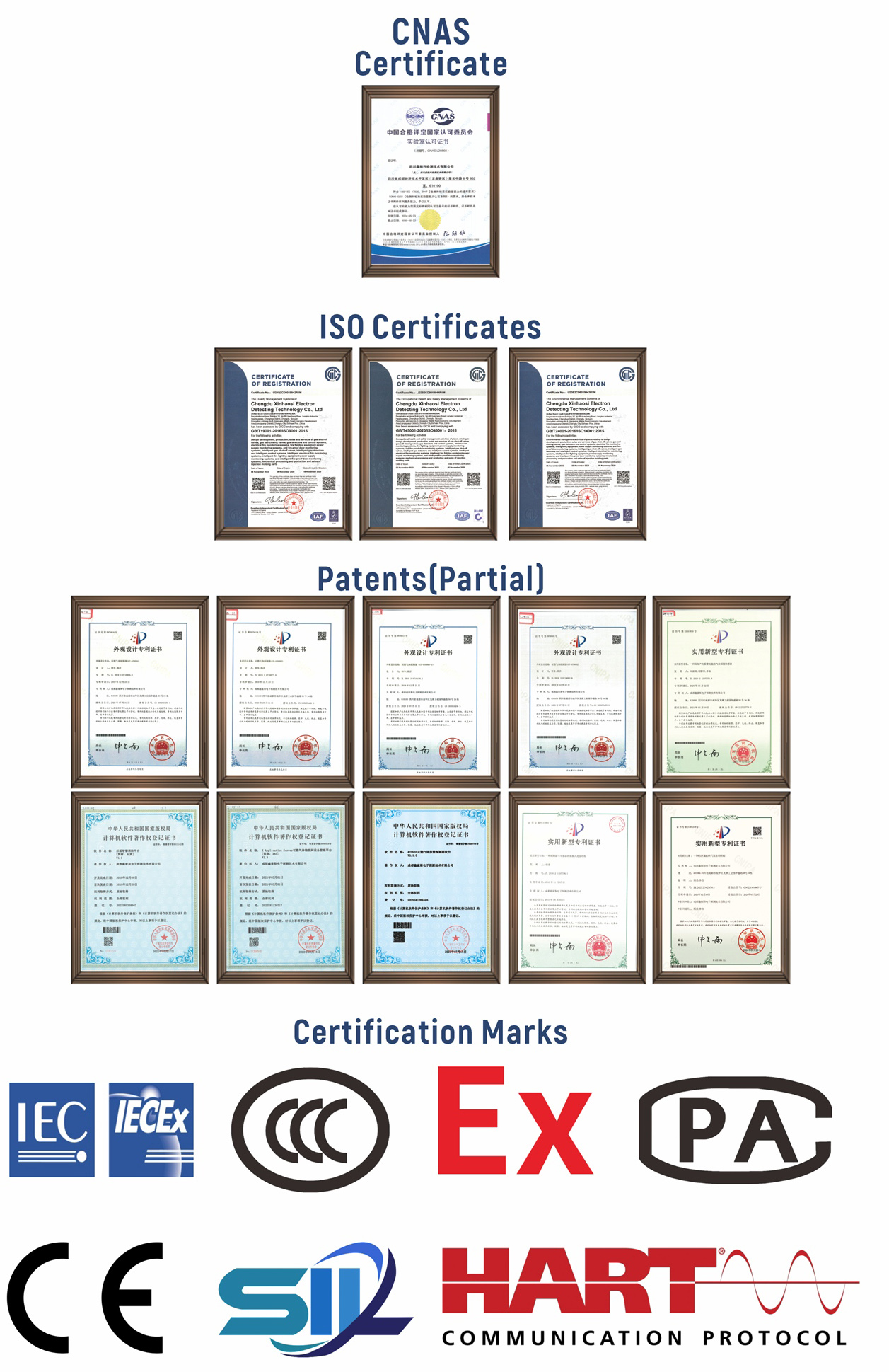
CNAS-Accredited Performance Testing Laboratory
Adhering to ISO9001 quality management system standards, Xinhaosi's core products have obtained a full range of authoritative certifications, including national compulsory Products Certification, explosion-proof certification, fire product certification, CPA measurement instrument type approval certificate, and international approvals such as CE and SIL. Additionally, Xinhaosi holds honors such as "National Quality Integrity Benchmark Enterprise" and "National Quality Leading Enterprise in the Gas Alarm Industry," and is a member of the China Fire Protection Association.
In the field of intellectual property, Xinhaosi has built a robust innovation system with over 50 patents and software copyrights. These patents cover core technological areas, including a graphical monitoring system for gas detection and alarm, which enables predictive maintenance based on historical data to reduce equipment failure rates by over 30%, and a solenoid valve with flow monitoring functionality that integrates flow detection and alarm capabilities. The company also pioneered networked bus-type safety systems, demonstrating its leading position in cutting-edge technological research.
Our in-house laboratory is accredited by the China National Accreditation Service for Conformity Assessment (CNAS), recognized both domestically and internationally under the ILAC-MRA framework. It operates in accordance with ISO/IEC 17025, the international standard for testing and calibration laboratories. It provides reliable and traceable testing services for gas detection, flame detection, and solenoid valves, ensuring seamless compliance for export to international markets including South America.
Why direct manufacturing partnership delivers critical reliability and economic benefits for Brazilian distributors.
In the global flame detector supply chain, consistency and production speed are critical factors. Local assembly operations in South America frequently suffer from parts shortages, high component tariffs, and long engineering lead times. Xinhaosi overcomes these issues by concentrating core manufacturing in our high-capacity Deyang and Chengdu factories. By managing the process from PCB surface-mount technology (SMT) to enclosure casting and optical calibration in-house, we eliminate reliance on third-party suppliers.
Optical flame sensors require precise calibration to prevent false alarms from ambient interference (like solar radiation, welding arcs, or artificial light). Every single detector that rolls off our production line undergoes rigorous automated optical calibration in specialized dark chambers. This is followed by 72-hour thermal cycling and environmental chamber stress testing. This rigorous QA system reduces failure rates in the field to less than 0.05%, making it one of the most reliable options for high-risk offshore and onshore infrastructure in Brazil.
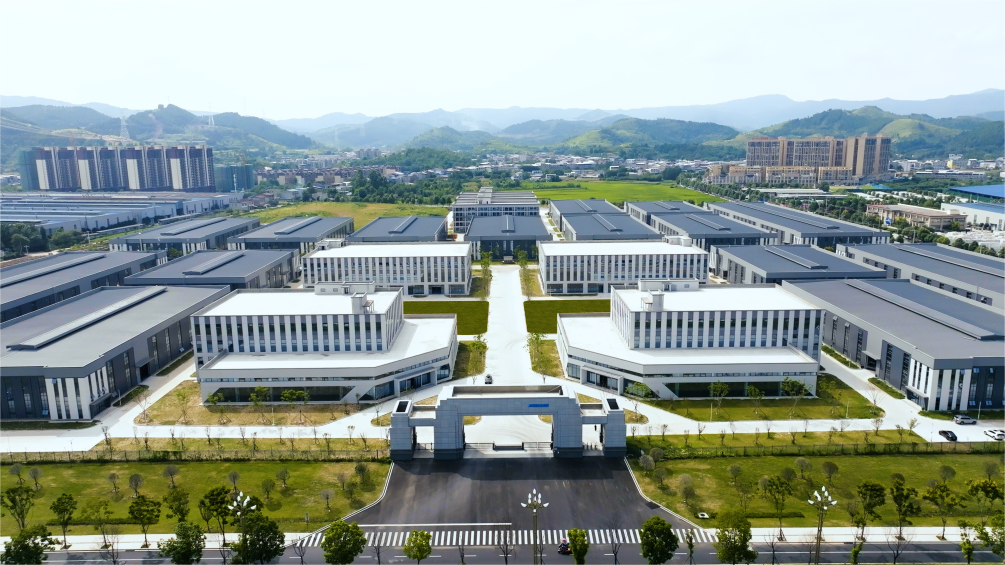
Deyang Advanced Manufacturing Center
Our global supply chain guarantees delivery times to major Brazilian ports (such as Santos and Paranaguá) in under 6 weeks, which is significantly faster than typical industrial equipment timelines. We offer complete OEM and ODM customization services, enabling Brazilian system integrators to customize housing colors, branding, output configurations, and language protocols.
The evolution of optical flame detection, moving from analog sensors to integrated Edge AI networks.
Combining ultraviolet sensors with a single infrared channel to eliminate basic false alarms from lightning and sparks. Excellent for simple, indoor applications with controlled background noise.
Using three separate narrow-band infrared sensors monitoring distinct wavelengths. This configuration filters out the effects of hot gases, blackbody radiation, and welding arcs, making it the industry standard for hydrocarbon fires.
Integrating microprocessors directly on the detector's PCB. These processors analyze raw optical wave data using artificial neural networks (ANN) to instantly differentiate real fire profiles from non-hazardous flickers.
Low-power wireless flame detectors designed for expansive industrial yards. They offer long battery life and mesh-network communication, eliminating expensive conduit installation costs in historic or complex industrial plants.
Two decades of rapid development, scaling from a local safety firm to a global manufacturer.
Established on April 17, 2003. Launched our first-generation gas leak alarm and fire protection devices, lay the groundwork for our optical research.
Began gas safety valve production and rapidly expanded OEM business lines. Relocated to the Longtan Industrial Park office facility to accommodate growing engineering teams.
Achieved 10 million units in cumulative safety detector sales. Moved into our Chengdu factory and completed a sales and service network covering major industrial centers.
Launched our self-developed IoT platform alongside automatic alarm, emergency lighting, and evacuation systems. Certified as a national High-Tech Enterprise.
Began construction of the Deyang factory and established our dedicated Petrochemical & International Business Division. Awarded the title of Provincial Technology Center.
Completed the Deyang factory expansion, boosting production capacity. Launched urban pipeline monitoring networks, wireless safety systems, and AI-enabled control valves.
Technical answers regarding Brazilian industrial fire regulations, detector installation, and factory options.
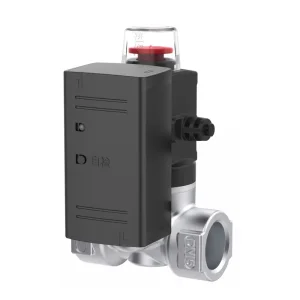
Reliable safety components engineered to integrate with flame detection systems in chemical, underground mining, and distribution networks.