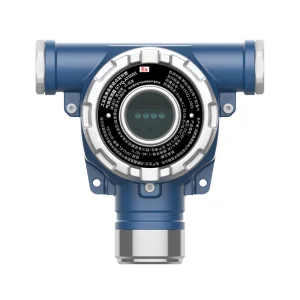
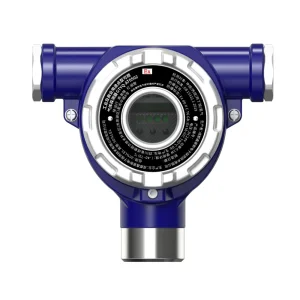
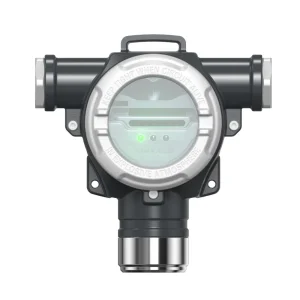
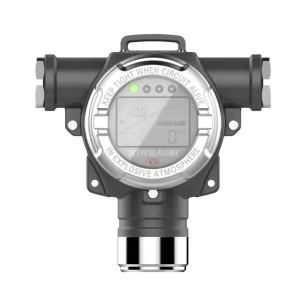
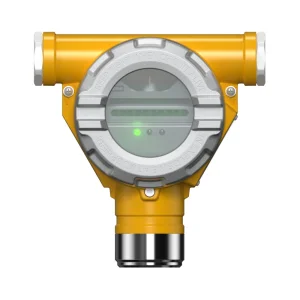
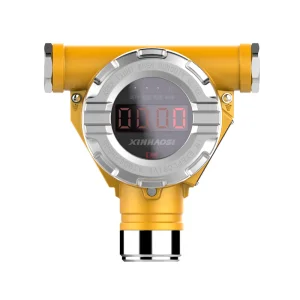
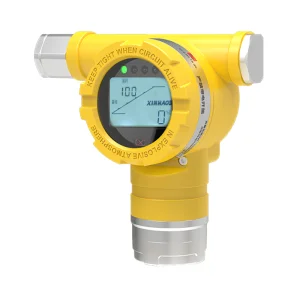
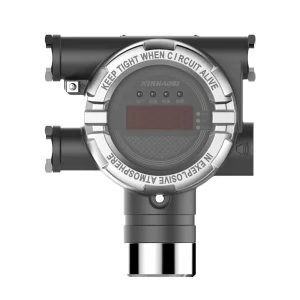
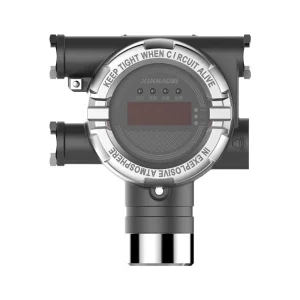
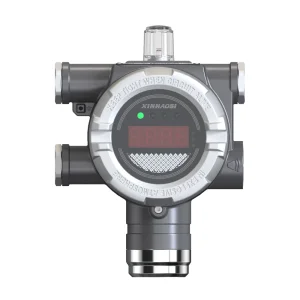
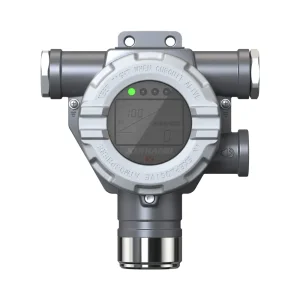
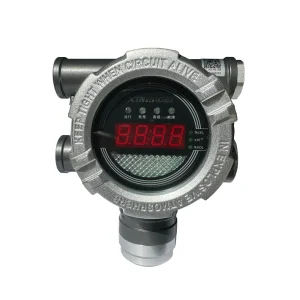
High-performance fixed gas detection transmitters optimized for immediate deployment across Sri Lanka's marine hubs and processing plants.
Understanding local commercial operations, regulatory frameworks, and environmental challenges in South Asia.
As Sri Lanka emerges as a critical maritime and logistical node in the Indian Ocean, industrial developments around the Colombo Port City, Hambantota Deep Water Port, and the Kerawalapitiya Industrial Zone demand strict compliance with international gas safety standards. The transition from light manufacturing to complex logistics, oil and gas bunkering, power generation, and advanced chemical warehousing necessitates high-reliability, fixed-type gas detection systems. These systems protect workers and capital assets from volatile organic compounds (VOCs), combustible gases, and toxic emissions.
Colombo and Hambantota ports manage millions of metric tons of marine fuel oil, liquefied petroleum gas (LPG), and chemical cargoes annually. Our explosion-proof fixed gas detectors provide round-the-clock monitoring of hydrocarbon vapors in pump rooms, storage tanks, and loading manifolds, mitigating risks of flash fires.
Sri Lanka's power grid relies on thermal power plants and expanding biomass initiatives. Monitoring toxic carbon monoxide (CO), sulfur dioxide (SO2), and methane (CH4) leaks is paramount to preventing structural damage and ensuring worker safety during plant operations and maintenance cycles.
The processing of Ceylon tea, coconut derivatives, and rubber requires controlled atmospheres and processing units. Ammonia (NH3) leaks in refrigeration systems for agricultural exports and VOC emissions from processing solvents are mitigated via targeted, electrochemical fixed detector arrays.
Operating in Sri Lanka requires equipment capable of withstanding constant ambient temperatures above 30°C and relative humidity levels exceeding 85% near coastal zones. Standard industrial electronics often suffer drift or sensor degradation in these conditions. Xinhaosi’s fixed gas detectors are engineered with IP66/IP67 enclosures, corrosion-resistant marine coatings, and temperature-compensated sensor modules. This ensures stable baselines and prevents false alarms, preserving operational continuity for Sri Lankan factories.
Modern gas safety is no longer just about sounding a local siren. It involves seamless integration into distributed control systems (DCS), emergency shutdown (ESD) networks, and industrial IoT (IIoT) platforms. As global regulatory landscapes tighten under OSHA, ATEX, and IECEx frameworks, factories in developing economies like Sri Lanka are aligning local health and safety protocols with international standards.
Our research and development initiatives focus on three primary pillars of modern sensor evolution:
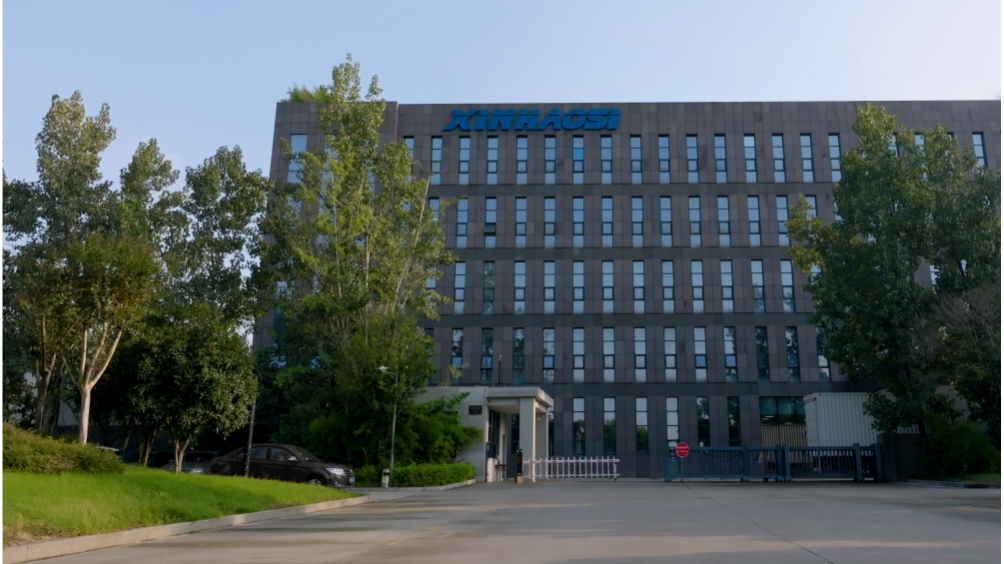
Xinhaosi Headquarters and Core R&D Facility in Chengdu, China
Over two decades of engineering reliable safety systems validated by international testing authorities.
Founded in 2003, Xinhaosi has spent more than twenty years building a comprehensive system that integrates cutting-edge R&D, automated manufacturing, and rigorous quality testing. Operating under ISO9001 quality management systems, our gas detectors are backed by extensive certifications including CPA (Pattern Requisition Certificate for Measuring Instruments), Explosion-Proof (Ex d IIC T6 Gb), China Fire Product Certification, and CE/SIL2 international safety marks. This ensures our products meet the technical requirements of multinational engineering firms operating within Sri Lanka.
Our testing laboratory is certified by the China National Accreditation Service for Conformity Assessment (CNAS), operating under the international ILAC-MRA mutual recognition framework. Every gas detector we ship to the Sri Lanka market undergoes rigorous testing: temperature/humidity chamber cycling, vibration simulations, and automated gas mixture calibration. This ensures that every unit functions reliably in challenging industrial environments.
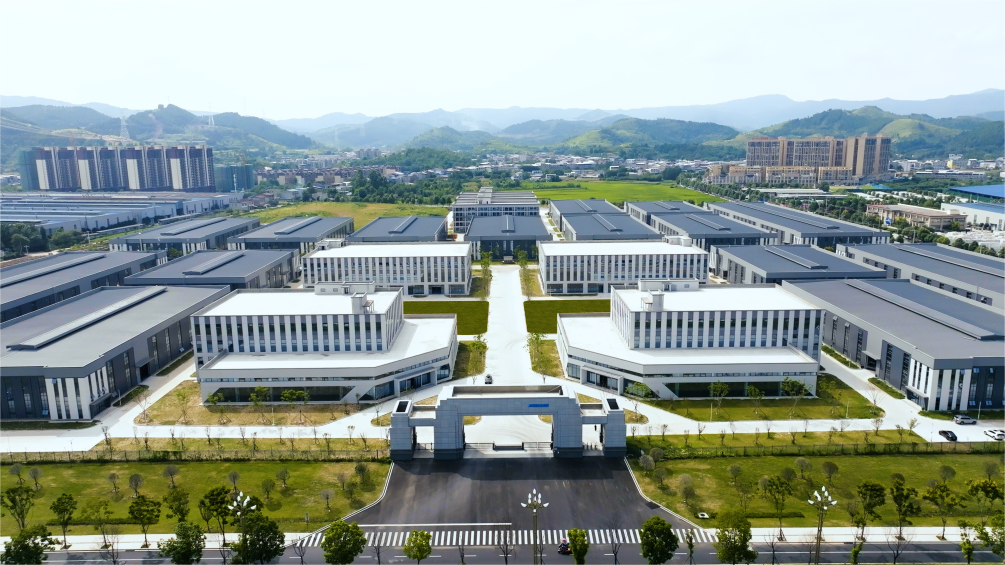
Automated Deyang Factory specializing in large-scale production runs.
By leveraging China's advanced electronics and machinery manufacturing ecosystems, Xinhaosi provides a reliable and cost-effective supply chain. Our factories in Chengdu and Deyang feature automated surface mount technology (SMT) lines, computerized calibration systems, and vertical integration. This setup allows us to keep lead times short, even for customized OEM/ODM projects.
For procurement managers and EPC contractors in Sri Lanka, sourcing from Xinhaosi offers distinct operational advantages:
Where safety engineering meets smart infrastructure for predictive industrial management.
Our wireless (LoRaWAN/NB-IoT) gas transmitters upload ambient concentration data to centralized cloud dashboards, enabling remote safety audits across multiple geographical sites in Sri Lanka from a single central office in Colombo.
Integrating intelligent solenoid shut-off valves directly with fixed gas detector loops allows automatic, software-driven isolation of gas flow the moment a leak threshold is breached, preventing catastrophic gas buildup.
Built-in algorithms track sensor degradation curves, alerting maintenance teams of the exact date calibration or sensor cell replacement is required, reducing downtime by up to 30%.
Tracing the path of Xinhaosi from a regional safety pioneer to a globally trusted manufacturer.
Our complete range of certified fixed detection transmitters, built to perform in harsh, corrosive, and explosive atmospheres.
Technical answers regarding installation, calibration, and compliance in South Asian environments.