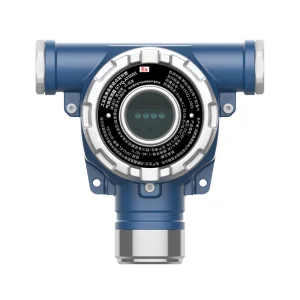
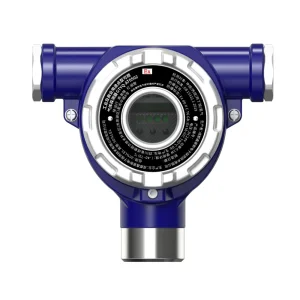
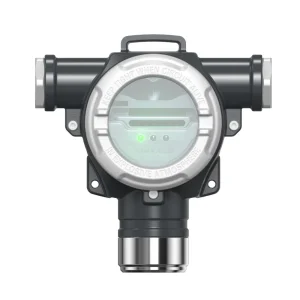
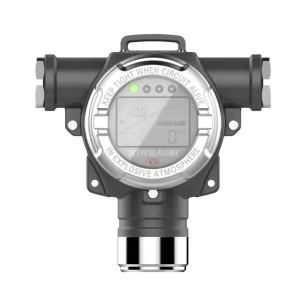
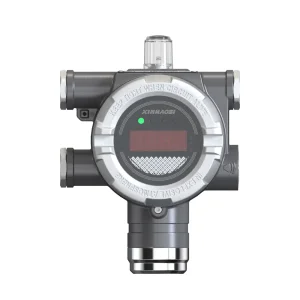
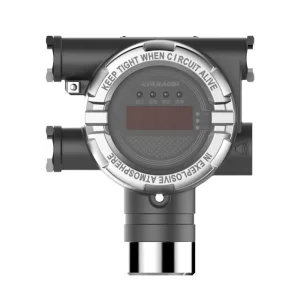
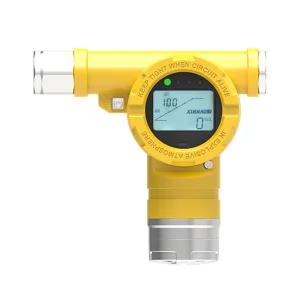
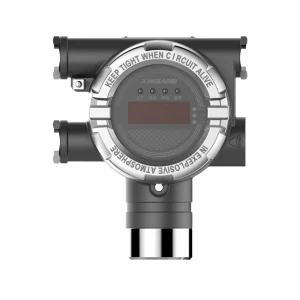
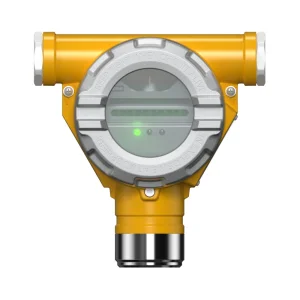
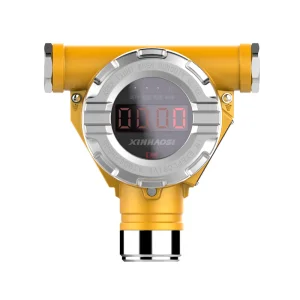
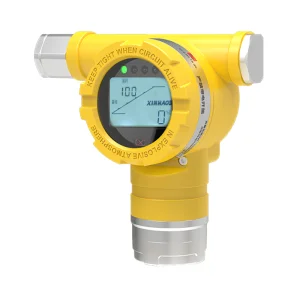
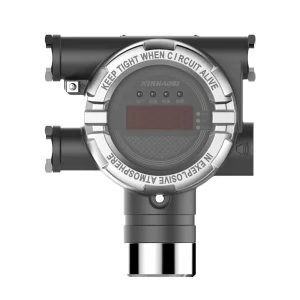
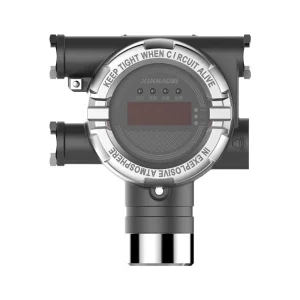
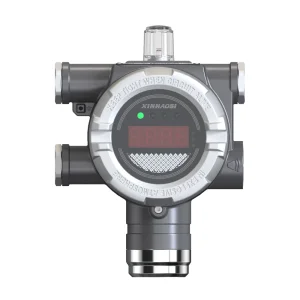
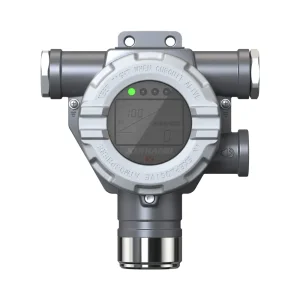
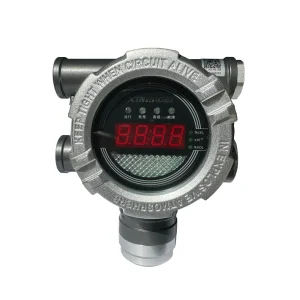
Deploying robust safety infrastructure for metropolitan Seoul. Immediate industrial grade combustible gas monitoring solutions.
The Seoul Metropolitan Area is a globally recognized hub for technology, electronics manufacturing, R&D centers, and urban infrastructure developments. From the tech parks of Magok and Gasan Digital Complex to the large-scale semiconductor and display manufacturing hubs situated in the neighboring Gyeonggi Province (such as Giheung, Hwaseong, and Pyeongtaek), maintaining ultra-safe work environments is paramount. Advanced, fixed-type gas detection networks form the primary line of defense in these high-stakes facilities.
Recent regulatory updates in South Korea under the Occupational Safety and Health Act and the High-Pressure Gas Safety Control Act demand strict compliance and highly integrated safety mechanisms. Industrial installations must monitor toxic, combustible, and volatile organic compound (VOC) leaks with reliable sensing platforms that offer minimal drift and high sensitivity. Chengdu Xinhaosi delivers the precise technical answer to these strict expectations, combining Chinese manufacturing efficiency with global standards certification.
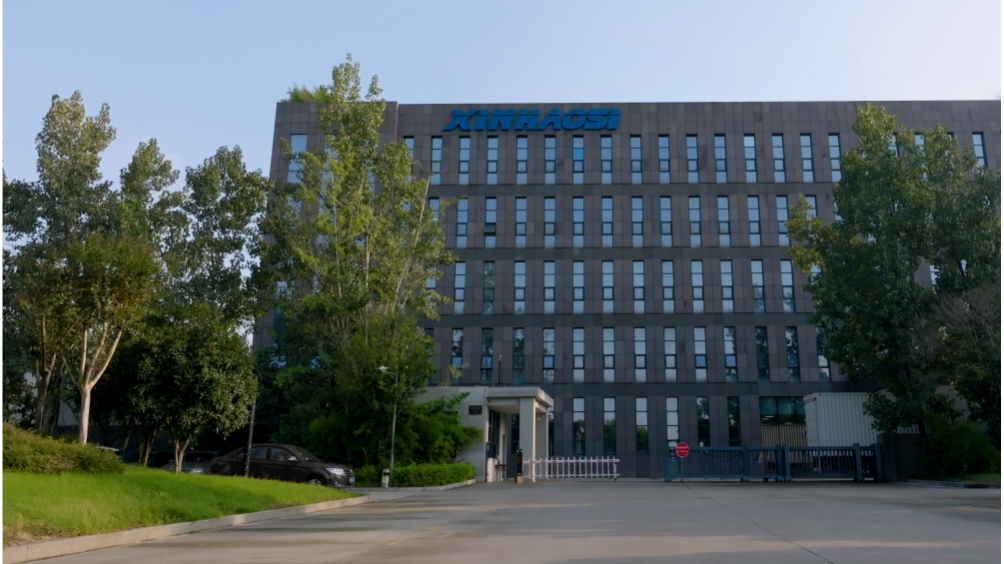
Chengdu Factory & Office - Production Center
Semiconductor manufacturing facilities in the greater Seoul Capital Area operate with toxic gases, pyrophoric compounds, and specialized VOCs. High-precision fixed gas detectors are critical in sub-fab spaces, gas cabinets, and return air plenums to identify ppm-level leaks immediately and initiate auto-shutoff protocols.
Seoul relies heavily on vast networks of underground multi-purpose utility tunnels carrying power lines, water mains, and gas ducts. Reliable monitoring of methane (CH4) leaks using our explosion-proof catalytic combustion and infrared detectors ensures protection against catastrophic subway and underground utility incidents.
The hospitality, shopping, and high-rise commercial office sectors in Gangnam and Yeouido utilize high-pressure LPG/LNG systems. Integrating fixed-type detectors with gas solenoid shut-off valves ensures immediate mechanical cutoff, protecting millions of citizens and building assets.
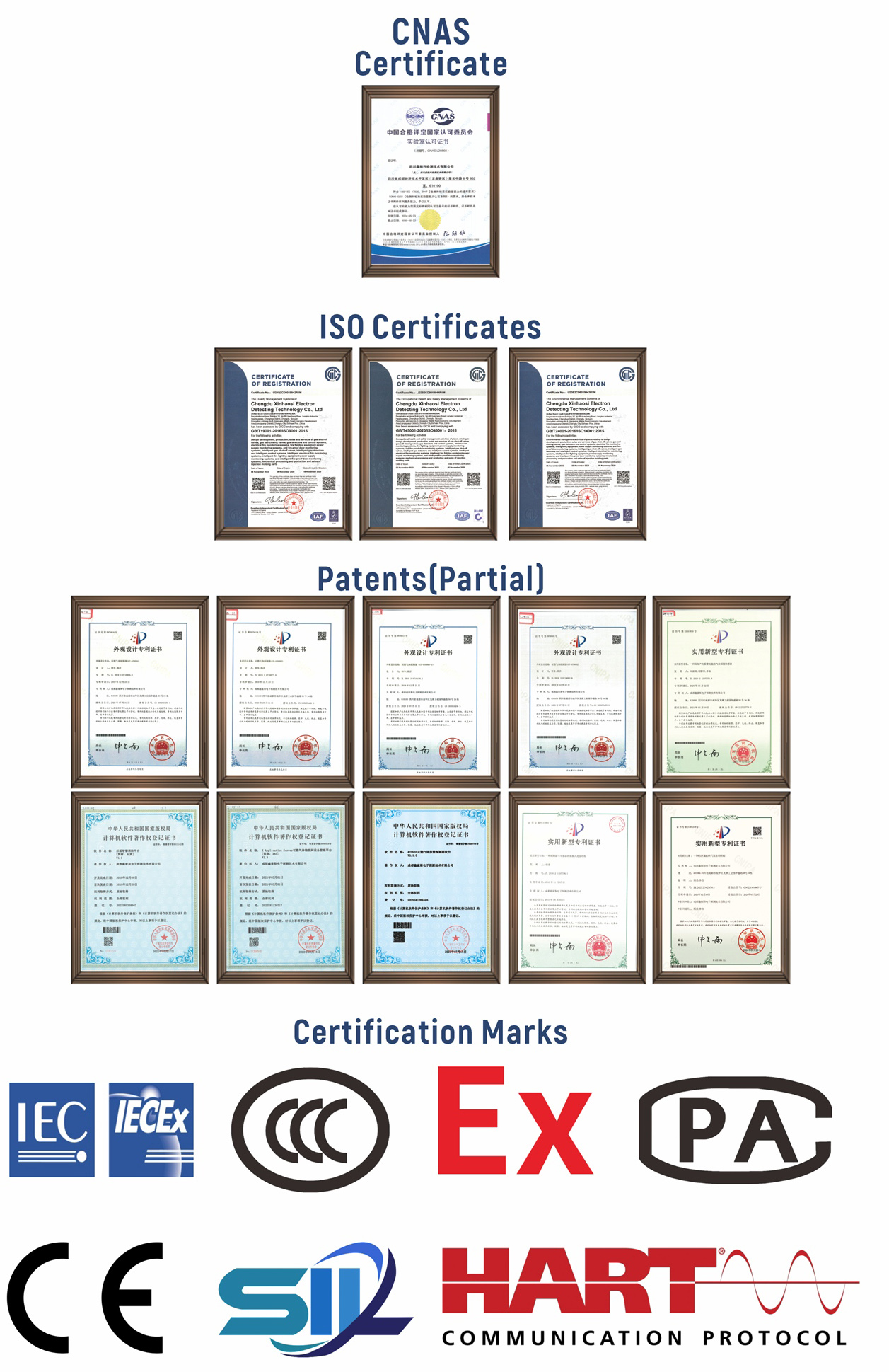
Operating under the ISO9001 quality management framework, Xinhaosi has developed a rigorous product testing paradigm. Our fixed-type gas detectors possess national compulsory Products Certification, explosion-proof approvals, and international safety credentials such as CE and SIL-2 (Safety Integrity Level) ratings.
Importantly, our products are built with high reliability to streamline local certification processes within South Korea, including testing procedures aligned with KCs (Korea Occupational Safety and Health Agency) explosion-proof requirements and KFI (Korea Fire Institute) guidelines. We support local distributors and EPC contractors with complete technical schematics, calibration files, and certificates to ensure hassle-free regulatory approvals.
Our in-house calibration and testing laboratory is accredited by CNAS, operating strictly in accordance with ISO/IEC 17025. This ensures all measurement outputs, sensor sensitivity curves, and calibration steps are fully traceable internationally under the ILAC-MRA framework, giving Seoul engineers absolute peace of mind.
Over two decades of engineering excellence, pioneering networked monitoring systems and smart gas safety platforms.
Established on April 17, 2003. Launched our first-generation gas leak alarm and fire fighting products, targeting early-stage commercial infrastructure safety.
Initiated specialized production lines for gas safety solenoid valves. Expanded global and regional OEM services. Relocated to the Longtan Industrial Park office building.
Achieved sales of over 10 million gas detectors. Relocated to our core Chengdu production facility. Completed an extensive sales and technical service network across key hubs.
Launched a proprietary Cloud-based IoT gas monitoring platform. Achieved National High-Tech Enterprise certification. Qualified as an official supplier to China's top 5 gas groups.
Began construction of the Deyang manufacturing facility. Established the Petrochemical and International Business Division. Awarded the title of Sichuan Provincial Technology Center.
Deyang factory fully operational. Launched advanced urban gas pipeline monitoring systems, wireless industrial detection instruments, and AI-enabled safety shut-off valves.
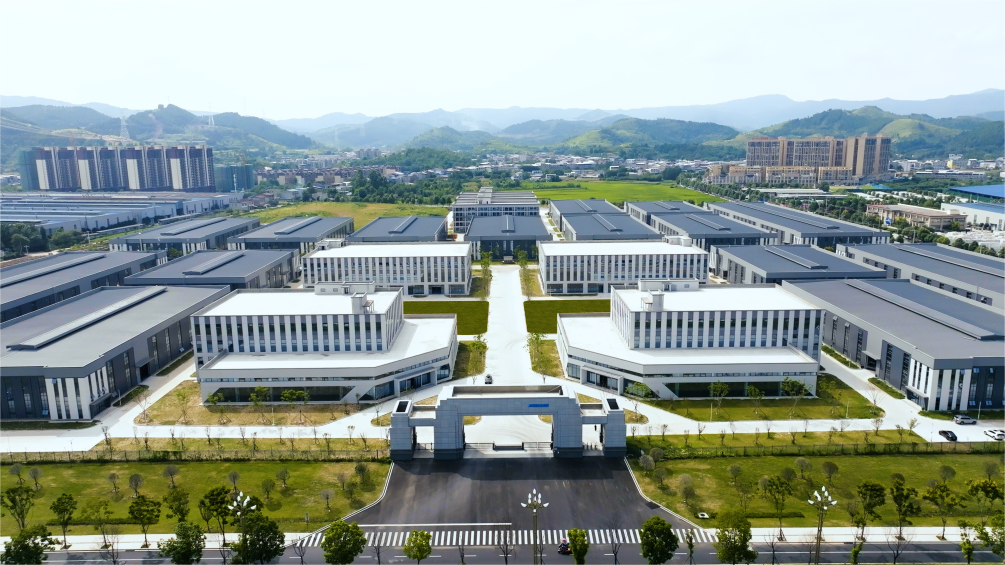
Deyang Intelligent Production Base
For procurement professionals in Seoul, importing directly from Xinhaosi's state-of-the-art facilities in Chengdu and Deyang provides a strategic advantage. Our industrial setup enables robust manufacturing throughput and short turnaround times for custom OEM/ODM designs. Through established shipping channels, container shipments regularly move from central logistics hubs in China to the Port of Incheon within days, keeping project timelines secure.
By bypassing multiple layers of regional trading agents, South Korean EPC and system integration firms receive direct factory pricing. Crucially, our engineers work alongside your local installation teams, providing CAD drawings, wiring guides (supporting 4-20mA, Modbus RS485, and wireless protocols), and firmware adjustment capabilities for swift onsite commissioning.
Get Factory Price QuoteEnsuring complete safety for chemical research, medical facilities, and high-performance cleanroom manufacturing environments.
Deep-dive technical answers based on engineering experience and global regulatory compliance.
Deploying high-reliability sensors across Seoul's industrial logistics, pipeline networks, and heavy manufacturing hubs.
Whether you require OEM customization, large-scale EPC supplies, or localization support for South Korean safety certifications, we offer the technical expertise you need.
Send Inquiry Now