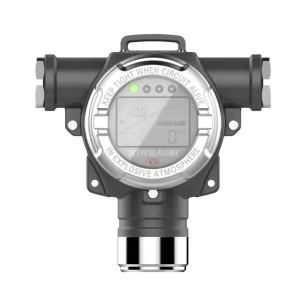
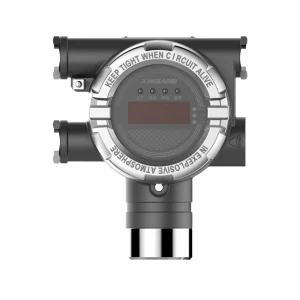
Engineered to comply with AS/NZS hazardous zone classifications, these fixed gas detection units offer real-time monitoring and explosion-proof structural integrity.
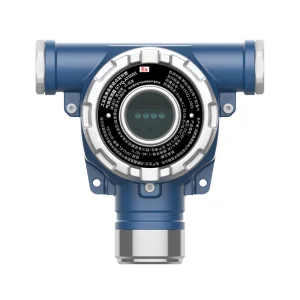
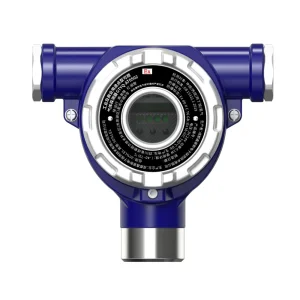
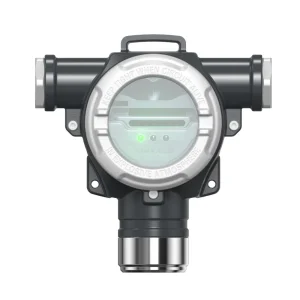
Melbourne stands as Australia’s hub of manufacturing, petrochemical refining, and complex shipping logistics. From the heavy industrial clusters of Altona, Dandenong South, and Campbellfield to the bustling distribution networks of the Port of Melbourne, the mitigation of hazardous gas risks is a paramount operational directive. Industrial facility operators must maintain compliance with WorkSafe Victoria regulations and rigorous Australian Standards including AS/NZS 60079.10.1 (Classification of areas where flammable gas hazards exist) and AS/NZS 60079.29.2 for the selection, installation, use, and maintenance of detectors for flammable gases.
Fixed-type gas detectors form the foundational safety barrier in these environments. Unlike portable personal monitors, fixed systems provide continuous, 24/7 spatial monitoring, automatically triggering ventilation overrides, isolation valves, and emergency alert systems at the first sign of combustible gas leakage, oxygen depletion, or toxic chemical vapors. Partnering with a reliable, ISO-certified manufacturer guarantees that your gas detection grid functions flawlessly under challenging climatic and industrial environments typical of southern Victoria.
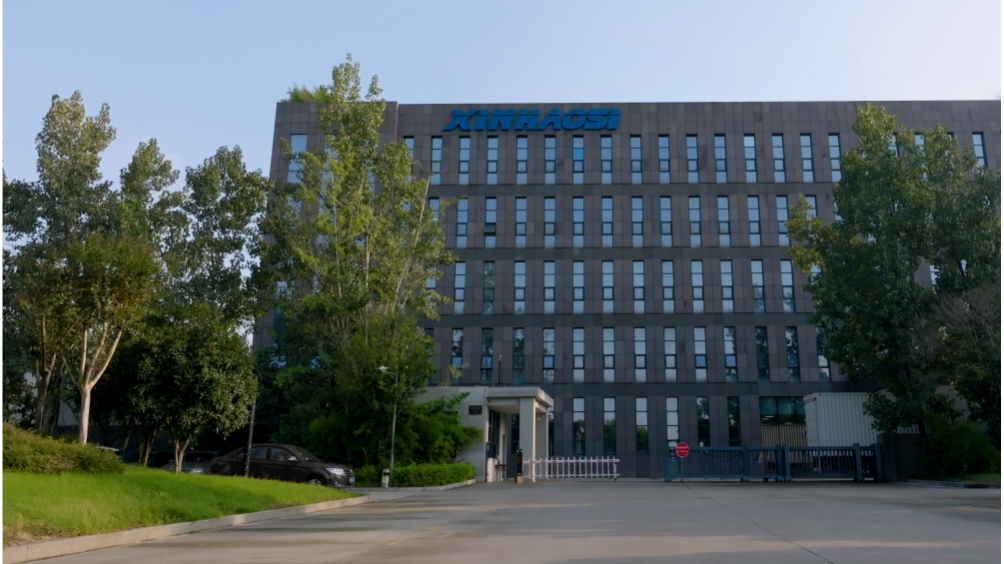
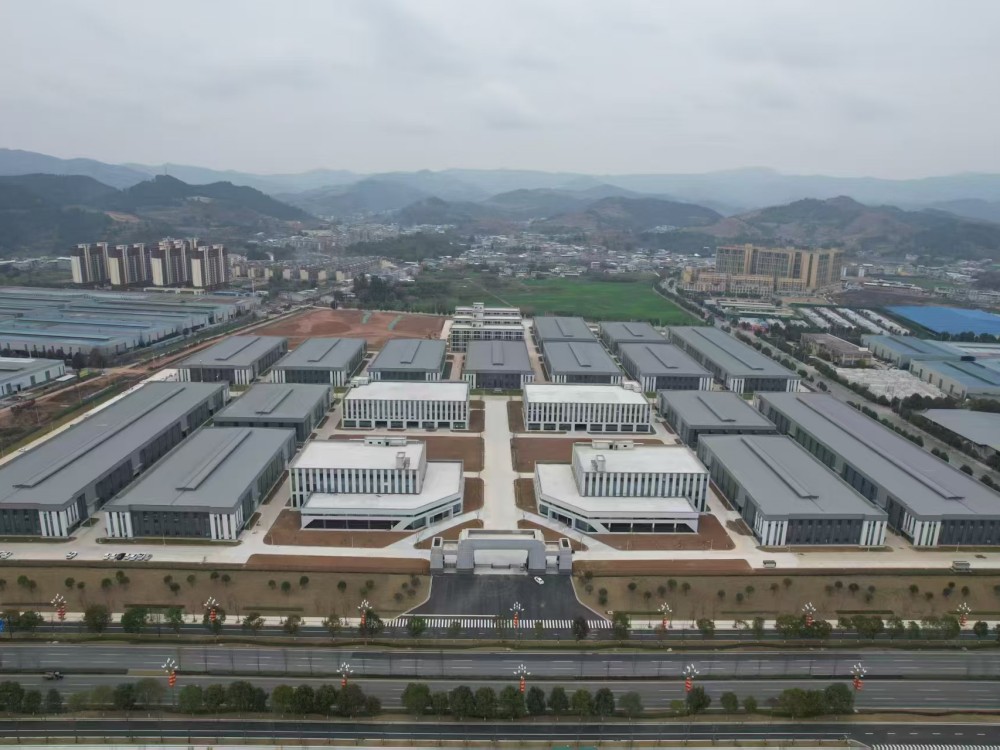
Chengdu R&D Center & Smart Manufacturing Facility
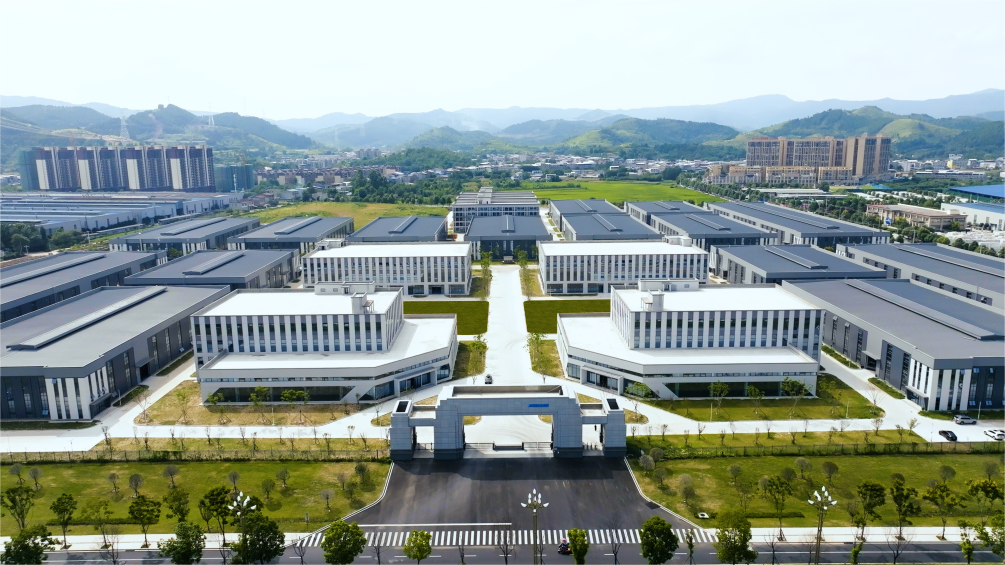
Deyang Advanced Assembly & Logistical Hub
Founded in 2003, Xinhaosi stands as one of the most influential, technologically advanced, and trusted brands in the global gas safety and environmental monitoring sector. Over the past 20 years, we have systematically engineered a robust, vertically integrated operational framework. This ecosystem encompasses pioneering R&D labs, fully automated smart manufacturing assembly lines, global supply chain networks, flexible OEM/ODM services, and a dedicated post-installation engineering support framework.
Our specialized product portfolio spans industrial fixed gas detection platforms, heavy-duty gas solenoid shut-off valves, and smart urban gas distribution pipeline monitoring systems. Operating with a relentless commitment to safety, Xinhaosi manufactures and delivers tens of millions of active safety instruments annually. Our products are deployed across highly regulated industries worldwide, including offshore oil & gas platforms, petrochemical refining plants, automotive paint lines, municipal wastewater systems, large-scale commercial refrigeration plants, and modern lithium battery gigafactories.
Driven by our corporate mission—“Making Gas Safety Accessible Everywhere”—we supply high-precision, customized safety answers for every client's spatial hazards. Backed by international standards, every component that leaves our factories is subjected to rigorous multi-gas cross-sensitisation testing, high-temperature aging chambers, and environmental calibration, ensuring it performs flawlessly under extreme conditions.
Why global EPC contractors, systems integrators, and Melbourne asset managers partner with our factories for fixed-type gas safety networks.
From silicon-level sensor assembly to explosion-proof enclosure casting, machining, and final calibration, we control the entire assembly pipeline. This limits supply chain bottlenecks, ensures superior build consistency, and lowers unit manufacturing costs.
Our engineering centers output advanced, rapid ODM redesigns. Whether your Melbourne project demands specialized Modbus addresses, alternative housing alloys (such as 316 Stainless Steel), or specific alarm relay logic, we transition from concept to product rapidly.
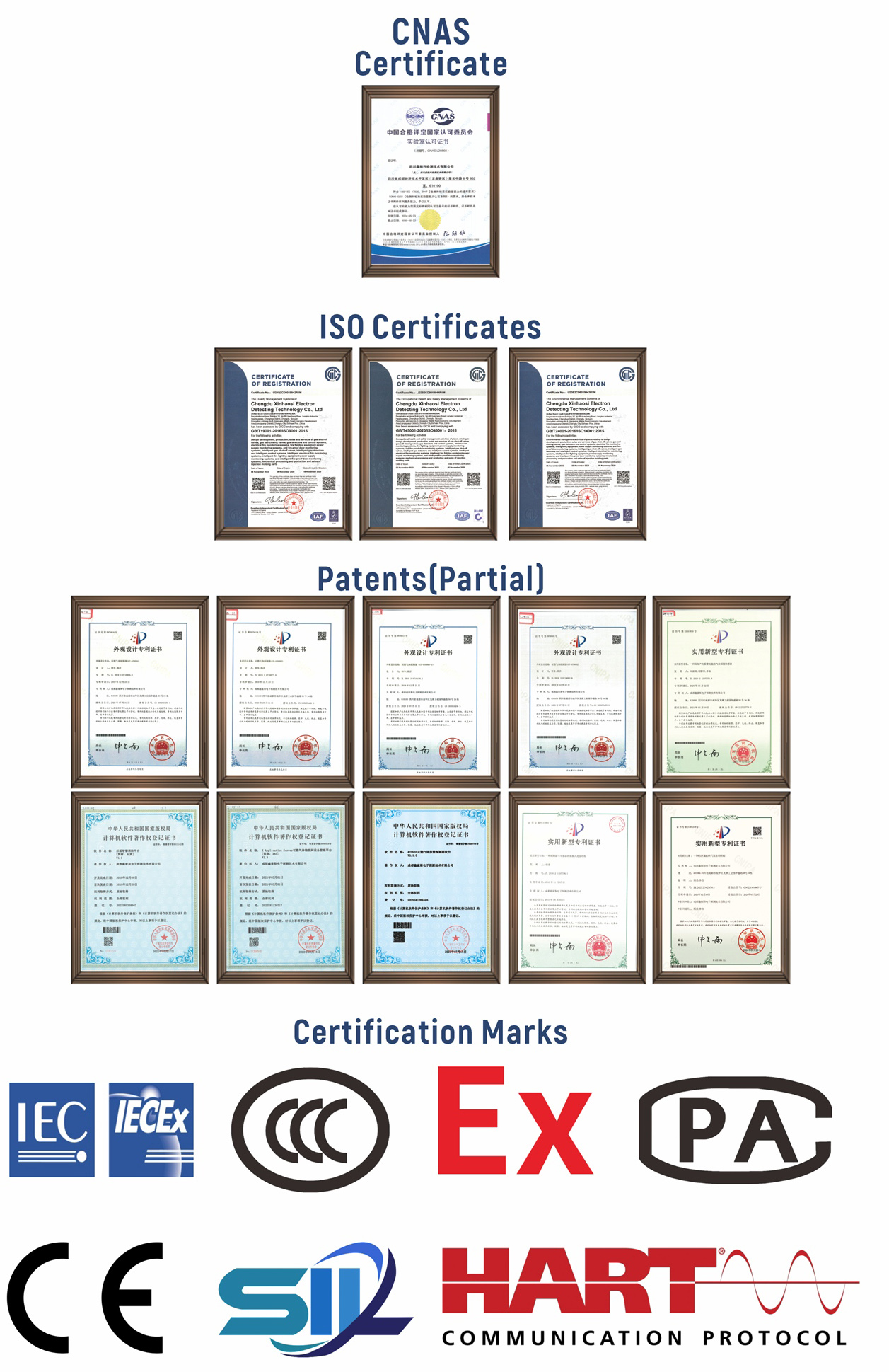
Our central calibration facilities are accredited by the CNAS in accordance with ISO/IEC 17025. Test reports are widely recognized internationally, facilitating smooth cross-border safety approvals and local plant safety sign-offs.
Xinhaosi operates in strict alignment with the ISO 9001:2015 quality management standard. Our core fixed gas detection platforms and emergency shut-off solenoid valves are validated through prestigious safety schemes, achieving explosion-proof ratings (Ex d IIC T6 Gb), Safety Integrity Level certification (SIL2 / SIL3), CE conformity, and national metrology type approvals.
With a comprehensive intellectual property portfolio containing over 50 active utility patents and software copyrights, Xinhaosi driving technological milestones in gas safety management:
Our continuous development path towards automated, smart, and AI-enabled gas safety technologies.
Established in April 2003. Launched our first-generation commercial gas alarms and fire-fighting auxiliary products. Laid down key calibration protocols.
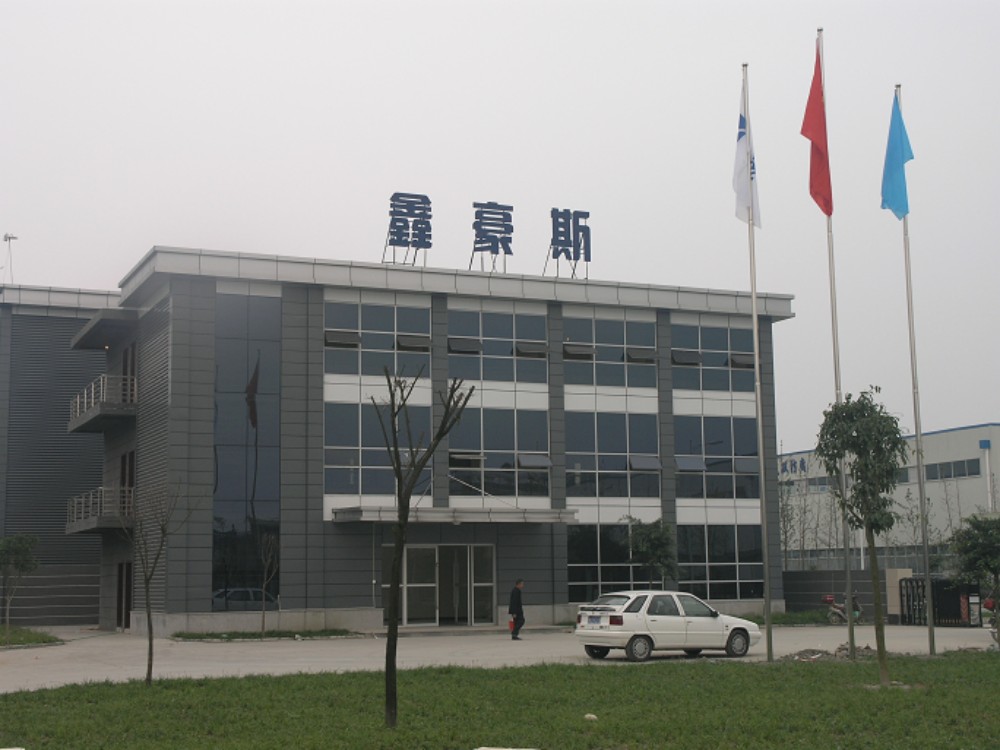
Initiated in-house industrial solenoid valve manufacturing. Established reliable OEM services for global safety brands. Relocated to Longtan Industrial Park.

Surpassed 10 million units cumulative sales. Moved into our dedicated Chengdu factory complex. Built out a comprehensive sales and support network.
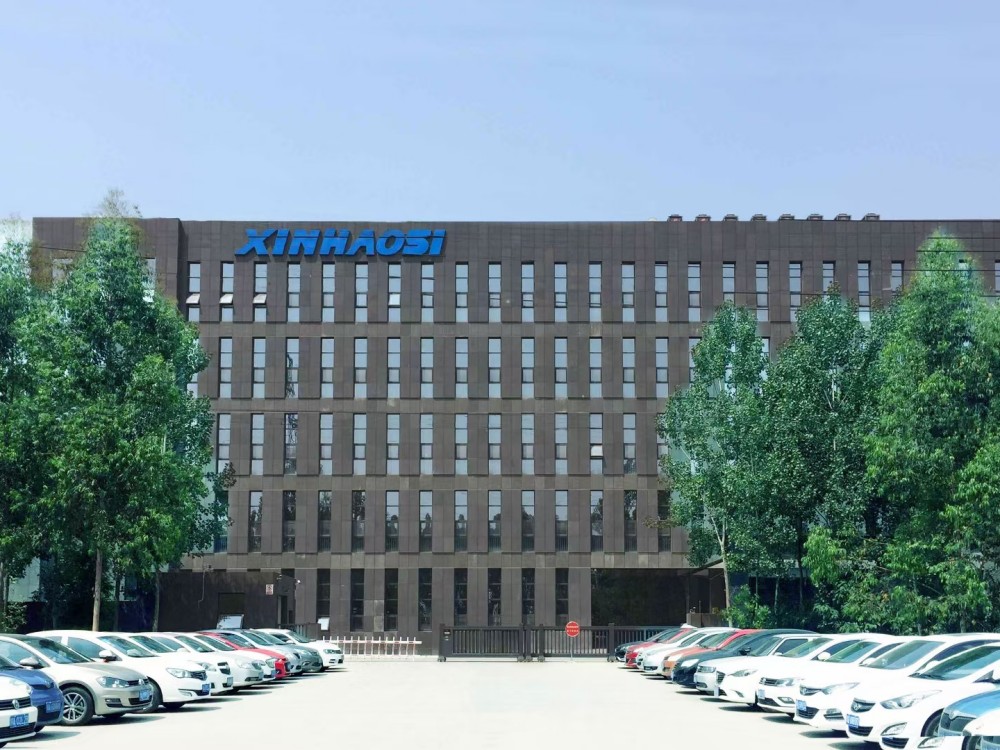
Developed and launched our self-proprietary gas IoT cloud monitoring platform. Qualified as an official supplier to China’s top-five natural gas corporations.
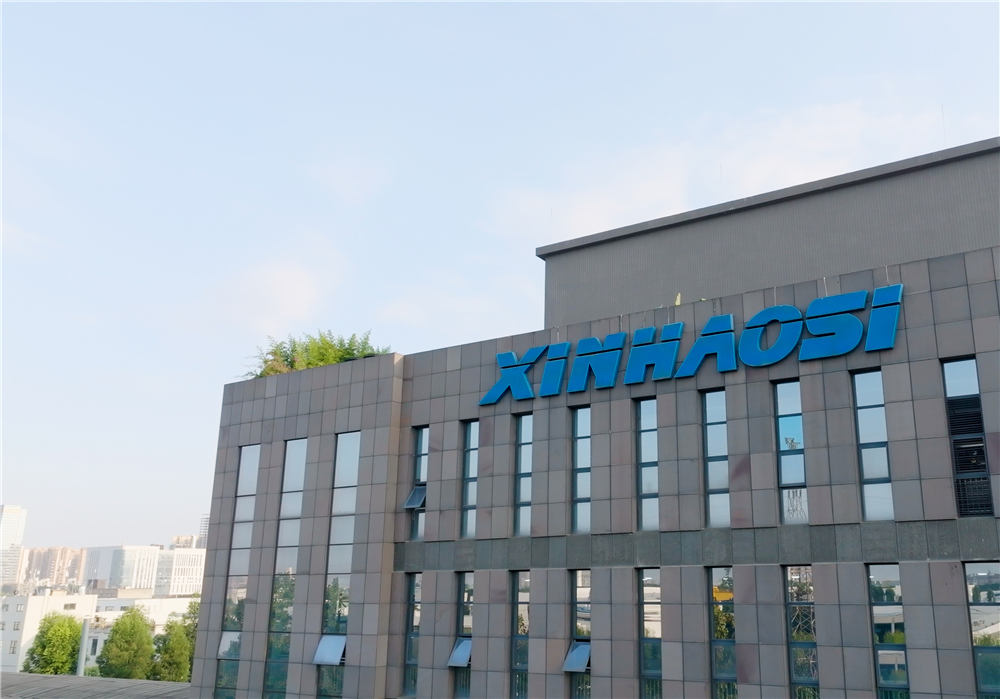
Began construction of the Deyang smart manufacturing center. Created the Petrochemical & International Projects Division to serve overseas markets.
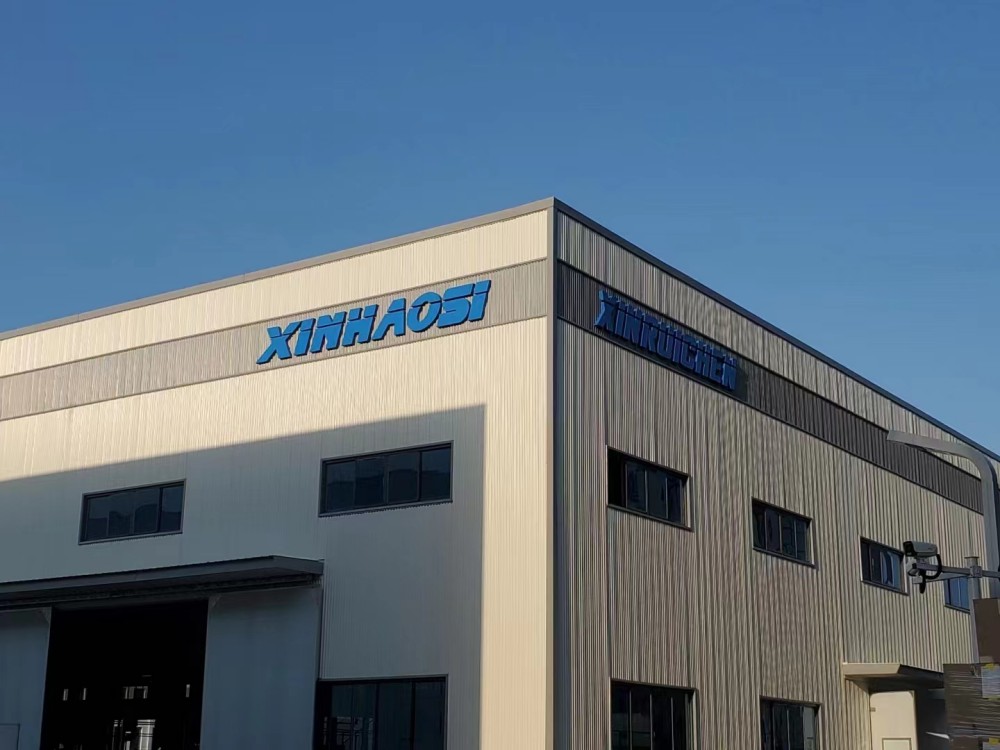
Commenced Deyang smart factory operations. Rolled out advanced AI safety valve lines, LoRaWAN/NB-IoT wireless gas detectors, and municipal pipeline safety modules.
Customized system configurations designed to address critical environmental and hazards challenges unique to Victoria's infrastructure.
Melbourne Water networks face high concentrations of corrosive Hydrogen Sulfide (H2S), explosive Methane (CH4), and Oxygen (O2) depletion. Our AT0602 electrochemical and infrared transmitters are designed with anti-corrosion housings and hydrophobic filters to ensure continuous protection in wet wells, sludge digesters, and aerated basins.
With major food processing and beverage packing hubs across Melbourne's outer-east, ammonia (NH3) and carbon dioxide (CO2) monitoring is critical for worker safety. Xinhaosi fixed transmitters utilize advanced NDIR (Non-Dispersive Infrared) sensors to trace small gas leaks in cold storage evaporators without high-drift errors typical in low-temperature zones.
As Victoria transitions toward hydrogen-blended networks and commercial hydrogen fueling terminals, detecting leakages of highly volatile H2 requires ultra-fast T90 response times. Our catalytic bead and thermal conductivity detectors are optimized to identify micro-leaks of hydrogen in high-airflow areas.
For global engineering, procurement, and construction (EPC) contractors executing capital projects in Melbourne, sourcing gas detection hardware requires a careful balance of cost efficiency, build quality, and regulatory compliance. Sub-standard gas detection equipment risks project sign-off delays, insurance premium escalations, and catastrophic plant safety hazards.
Xinhaosi supports global procurement workflows by offering fully transparent technical documentation, material batch traceability certificates, and standardized shipping. By choosing direct factory supply, you bypass layers of distributor markups while securing dedicated engineering project support from our international business division.
Whether you require unique gas calibration mixtures, localized private labeling, custom mounting brackets, or Modbus register adaptations, our engineering division is ready to assist.
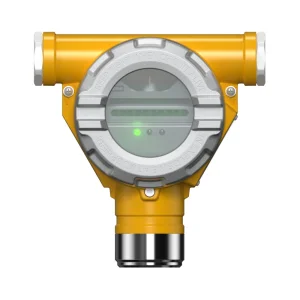
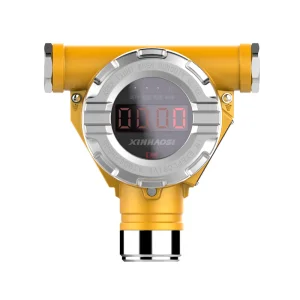
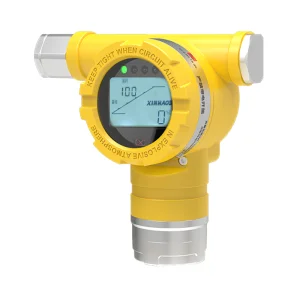
Request Technical ConsultationOur comprehensive portfolio of fixed-type toxic, combustible, oxygen, and VOC detectors certified for industrial integration across Melbourne.
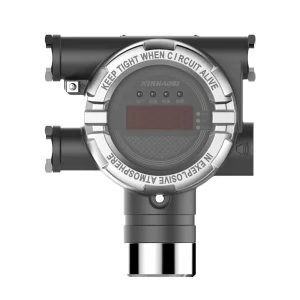
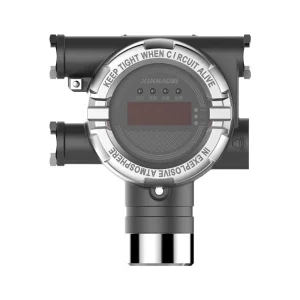
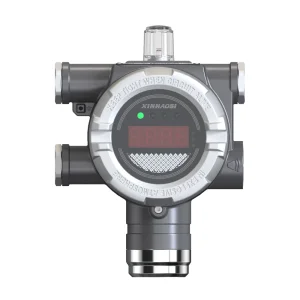
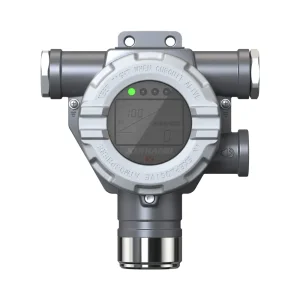
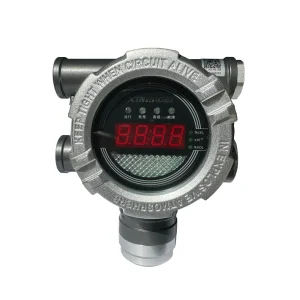
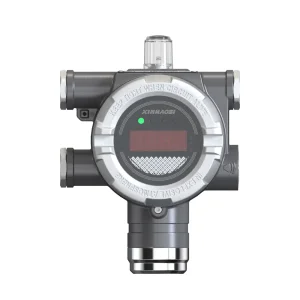
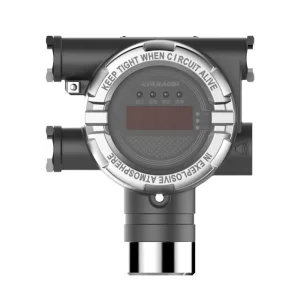
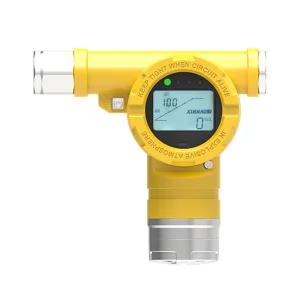
Essential insights regarding installation, standards compliance, calibration, and sensor longevity for Victorian industrial gas safety installations.
Our fixed-type gas detectors are manufactured with flameproof Ex d IIC T6 Gb and intrinsically safe configurations. While they are certified under international CE, SIL, and CNAS systems, we supply our products to Australian project engineers who perform localized registration and approval processes. Ensure your installation adheres to AS/NZS 60079.14.
Under general guidelines matching AS/NZS 60079.29.2, fixed combustible and toxic gas detectors should undergo calibration checks at least every 6 months. However, in aggressive environments—such as marine exposure near the Port of Melbourne or chemical processing zones in Altona—quarterly checks are highly recommended to monitor sensor drift.
Yes. Xinhaosi detectors feature integrated dry contact relay outputs (alarm and fault). These can be wired directly to our emergency gas solenoid valves. If a pre-configured LEL threshold is crossed, the detector directly trips the valve to shut off the gas flow, bypasses secondary control systems, and provides hardware-level fail-safe protection.
Electrochemical sensor cells (used for Oxygen depletion, Carbon Monoxide, and Hydrogen Sulfide) generally offer a lifespan of 2 to 3 years. Catalytic combustion sensors for flammable gases typically last 3 to 5 years, whereas NDIR infrared sensors for CO2 or Hydrocarbons can run for up to 5 to 8 years depending on concentration exposure.
We provide deep support, including specialized enclosure rebranding, customized PCB firmware configurations for protocol compliance, custom packaging design, and full access to our CNAS test reports. Our global business managers assist engineering agencies at every project stage.