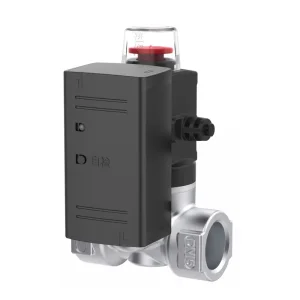
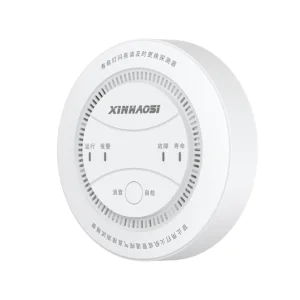
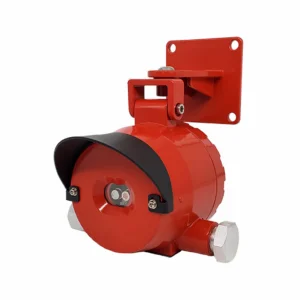
Engineered to withstand extreme environments, offering multi-spectral analysis to eliminate false alarms caused by welding operations, hot lightning, or industrial machinery emissions.
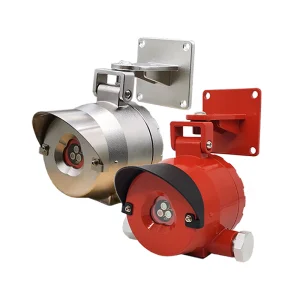
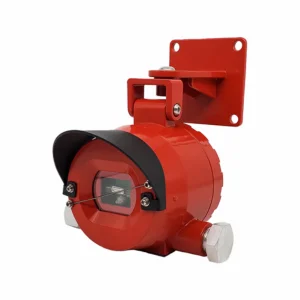
The Chicago metropolitan area, encompassing the Calumet Industrial Corridor, major chemical processing plants along the Illinois Waterway, massive cold-storage facilities, and municipal wastewater infrastructures like the Metropolitan Water Reclamation District (MWRD) of Greater Chicago, demands rigorous gas safety compliance. From combustible methane threats in bio-gas operations to volatile organic compounds (VOCs) and toxic gases in paint and automotive manufacturing, standard safety gear is insufficient.
Federal regulations enforced by OSHA, coupled with Illinois state fire marshal guidelines, mandate the installation of explosion-proof fixed-type gas detectors and optical flame monitoring systems. These installations must meet strict National Electrical Code (NEC) criteria for Class I, Division 1, and Division 2 hazardous locations. Our mission is to supply Chicago system integrators, distributors, and safety managers with dependable hardware designed to mitigate risks without generating costly false alarms.
In the safety industry, reliability and compliance are non-negotiable. As a direct manufacturer operating world-class production hubs in Chengdu and Deyang, we provide Chicago buyers with high-precision engineering paired with cost efficiencies that domestic US distributors cannot match.
Our in-house laboratories are certified by the China National Accreditation Service (CNAS) under the ILAC-MRA framework, guaranteeing that every gas controller and solenoid valve complies with international standards, including ISO/IEC 17025.
From networked bus-type monitoring systems to advanced flow-monitoring solenoid valves, our proprietary technologies reduce equipment failure rates by up to 30% and ensure long-term stability in rugged conditions.
With an annual output of tens of millions of units, we offer flexible branding options, custom casing, modified sensitivity levels, and bespoke communication outputs (HART, Modbus, 4-20mA) tailored for US system integrators.
Founded in 2003, Xinhaosi has developed into one of the safety sector's most trusted manufacturers. Over two decades, we have established a robust and comprehensive production ecosystem that integrates cutting-edge R&D with automated manufacturing, digital testing channels, and technical OEM/ODM services.
Our operations span modern production campuses in Chengdu and Deyang, designed to meet the strict quality management standards of ISO9001. We maintain a CNAS-accredited laboratory, ensuring that our gas safety valves, fixed-type gas detectors, and control systems satisfy strict regulatory requirements across North America, Europe, and Asia.
Driven by our core mission, "Making Gas Safety Accessible Everywhere," we support demanding industries worldwide, including petrochemical refining, steel mills, pharmaceutical labs, urban gas utilities, and new energy storage complexes.
Our core hardware lineup features national explosion-proof certs, CPA measurement approvals, CE, and SIL standard compliances. We are a key drafting organization for national industrial gas valve safety codes in China, affirming our status as an industry innovator.
A history of scaling production, securing patents, and delivering robust safety hardware worldwide.
Startup Phase: Established April 17, 2003. Launched our first-generation gas leakage detectors and fire protection accessories.
Scale Expansion: Initiated production of specialized safety shut-off solenoid valves and grew our global OEM services.
Rapid Growth: Delivered over 10 million cumulative gas detectors. Moved to our modern Chengdu facility and introduced multi-zone power monitoring systems.
IoT Innovation: Developed and launched our smart IoT cloud platform. Awarded High-Tech Enterprise status and became a qualified supplier to Top-5 energy groups.
Refinery Standard Focus: Broke ground on the Deyang Factory Campus. Established a specialized Petrochemical & International Business Division to target high-end global certifications.
Next-Gen Automation: The Deyang Factory is fully operational. Released our latest wireless detectors, urban gas network monitors, and AI-enabled safety solenoid systems.
We supply complete, interconnected protection systems engineered for Chicago's most demanding applications, combining detection, control, and automated shut-off.
Explore our industrial controllers, emergency shut-off valves, and high-precision flame detectors designed for dependable hazard mitigation.
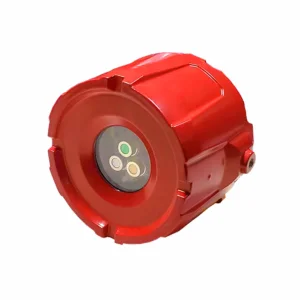
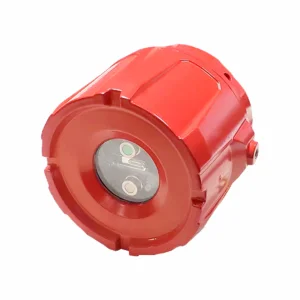
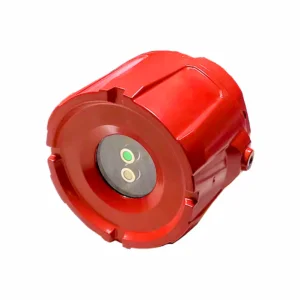
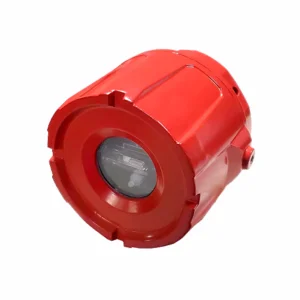
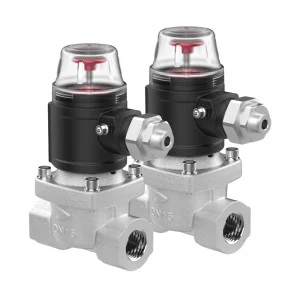
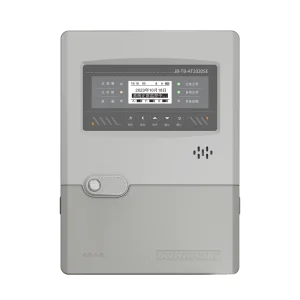
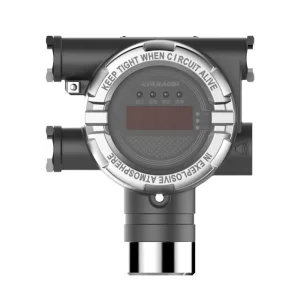
When selecting fixed gas detection systems and flame sensors, Chicago engineering firms and global EPC contractors focus on several key performance metrics to guarantee reliability in hazardous zones:
We recognize that every facility has unique requirements. A chemical processing plant along the Des Plaines River needs different settings and housing than a food processing hub in the Chicago Loop. That is why our OEM/ODM services are designed to adapt.
We offer customized detector configurations, ranging from robust stainless steel casings for marine environments to aluminum alloy enclosures for standard factory settings. Our engineering team assists with system configuration, zone setups, and integration with emergency shutdown valves to ensure your facility meets local and national safety standards.
Technical guidance on selection, standards compliance, and installation best practices for industrial environments.
Triple IR (IR3) detectors monitor three distinct spectral bands within the infrared spectrum (typically around 4.0 to 5.0 microns) to detect the hot carbon dioxide emissions produced by hydrocarbon fires. This design offers excellent false-alarm immunity, allowing the sensor to ignore common interference like arc welding, sunlight, and hot machinery. UV/IR detectors combine an ultraviolet sensor with an infrared sensor to detect fires. They are highly responsive but can be susceptible to UV attenuation from thick smoke, oil film, or airborne dust, making them better suited for clean environments, whereas IR3 is preferred for outdoor or dusty industrial applications.
These classifications designate the likelihood of flammable gases or vapors being present in explosive concentrations. Division 1 areas expect these hazards during normal operations, requiring flameproof/explosion-proof enclosures (such as cast aluminum or stainless steel) that contain any internal explosion to prevent ignition of the surrounding atmosphere. Division 2 areas only expect hazards during abnormal operations or system failures, allowing for non-incendive designs. Our industrial detectors (e.g., the AT0602 series) feature explosion-proof enclosures rated for Class I Division 1 environments, ensuring safety in both zones.
SIL certification (conforming to IEC 61508) quantifies a safety system's probability of failure on demand. A SIL2-certified gas detector offers higher diagnostic coverage and lower risk of failing to alert staff during a critical leak than a non-certified unit. For high-hazard facilities like chemical refineries, safety engineers require SIL2 or SIL3 ratings to verify compliance with safety loop requirements.
Calibration intervals depend on the target gas, sensor type, and environmental conditions. Electrochemical sensors for toxic gases and catalytic bead sensors for combustibles typically require calibration every 3 to 6 months to correct for sensor drift and ensure accuracy. Infrared sensors are more stable and can often operate with 6-to-12-month calibration cycles. Regular bump testing is recommended between calibrations to verify sensor responsiveness.
Yes. Our industrial controllers and detectors support standard industrial communication protocols, including 3-wire 4-20mA analog loops, Modbus RTU over RS485, and dry contact relays. This allows for seamless integration into common US PLC and SCADA platforms, including systems from Rockwell Automation (Allen-Bradley), Honeywell, and Emerson.
Our CNAS accreditation (ISO/IEC 17025) ensures that our testing and calibration services are traceable and held to strict international standards. For OEM partners, this means that product evaluations, temperature testing, and sensor calibrations are documented in reports recognized by international regulatory bodies, streamlining the certification and compliance process in destination markets.
Need detailed specifications, certificates, or a quotation for your Chicago project?
Get in Touch with Our Engineers