High-integrity systems engineered to control, distribute, and protect critical processes in Boston’s research facilities and smart factories.
Boston and the greater New England region have transitioned from legacy textile and heavy metal manufacturing into a high-technology powerhouse. Driven by world-class academic institutions, the local landscape thrives on biotechnology labs, pharmaceutical cleanrooms, robotic engineering hubs, and advanced semiconductor packaging facilities. These high-precision workspaces demand robust fail-safe frameworks to monitor combustible gases, automate emergency isolation, and maintain absolute structural control.
Deploying smart auxiliary safety systems, such as advanced interlock control panels, network-capable data gateways, and explosion-proof signal indicators, is no longer optional. Modern local regulations, including Massachusetts Building Code amendments and Massachusetts State Fire Codes, demand strict compliance with international standards. In these explosive or critical-gas micro-environments, equipment reliability directly translates to asset protection, process integrity, and personnel safety.
On a global scale, the industrial safety sector is experiencing a paradigm shift towards connected safety systems. Moving away from isolated analog monitoring loops, contemporary systems leverage high-speed digital fieldbuses and IoT-enabled gateways to provide real-time status updates directly to central SCADA engines. This transition supports predictive diagnostics and remote telemetry, optimizing safety operations and minimizing plant downtime.
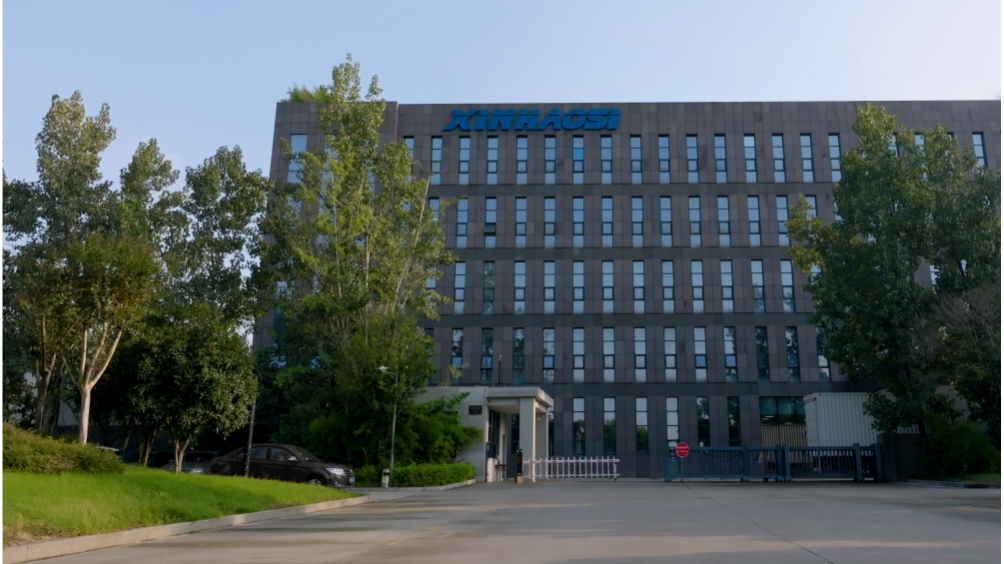

How our global manufacturing footprint delivers localized high-tier solutions to New England.
Founded in 2003, Xinhaosi is one of the most influential and trusted brands in the global gas safety industry. Over the past two decades, we have steadily built a robust and comprehensive production and service system, which integrates cutting-edge R&D, intelligent manufacturing with advanced automation equipment, digital marketing across global channels, professional after-sales support with an experienced technician team, flexible OEM/ODM services, as well as CNAS-Accredited laboratory calibration services that meet international standards.
Our diversified product portfolio covers industrial & residential gas detection & alarm systems, industrial & household gas solenoid valves, and urban gas pipeline network monitoring systems—all engineered to adapt to complex working environments and strict safety requirements. We produce and sell tens of millions of units annually, catering to a wide range of industries that demand reliable gas detection solutions, including oil & gas exploration and production, petrochemicals, urban gas distribution, automotive manufacturing, pharmaceuticals, new energy, steel production, and beverage processing.
Guided by the core mission of “Making Gas Safety Accessible Everywhere,” we consistently deliver high-performance, reliable products and customized solutions tailored to each client’s unique needs. Every item we manufacture undergoes rigorous quality control tests, and every service we provide is backed by our professional technical team, fully embodying our unwavering commitment to safeguarding gas safety across both industrial workplaces and residential environments, and striving to build a safer world with sustainable gas safety technologies.
Industrial-grade protocol converters and interlocking control architectures for safe automation loops.
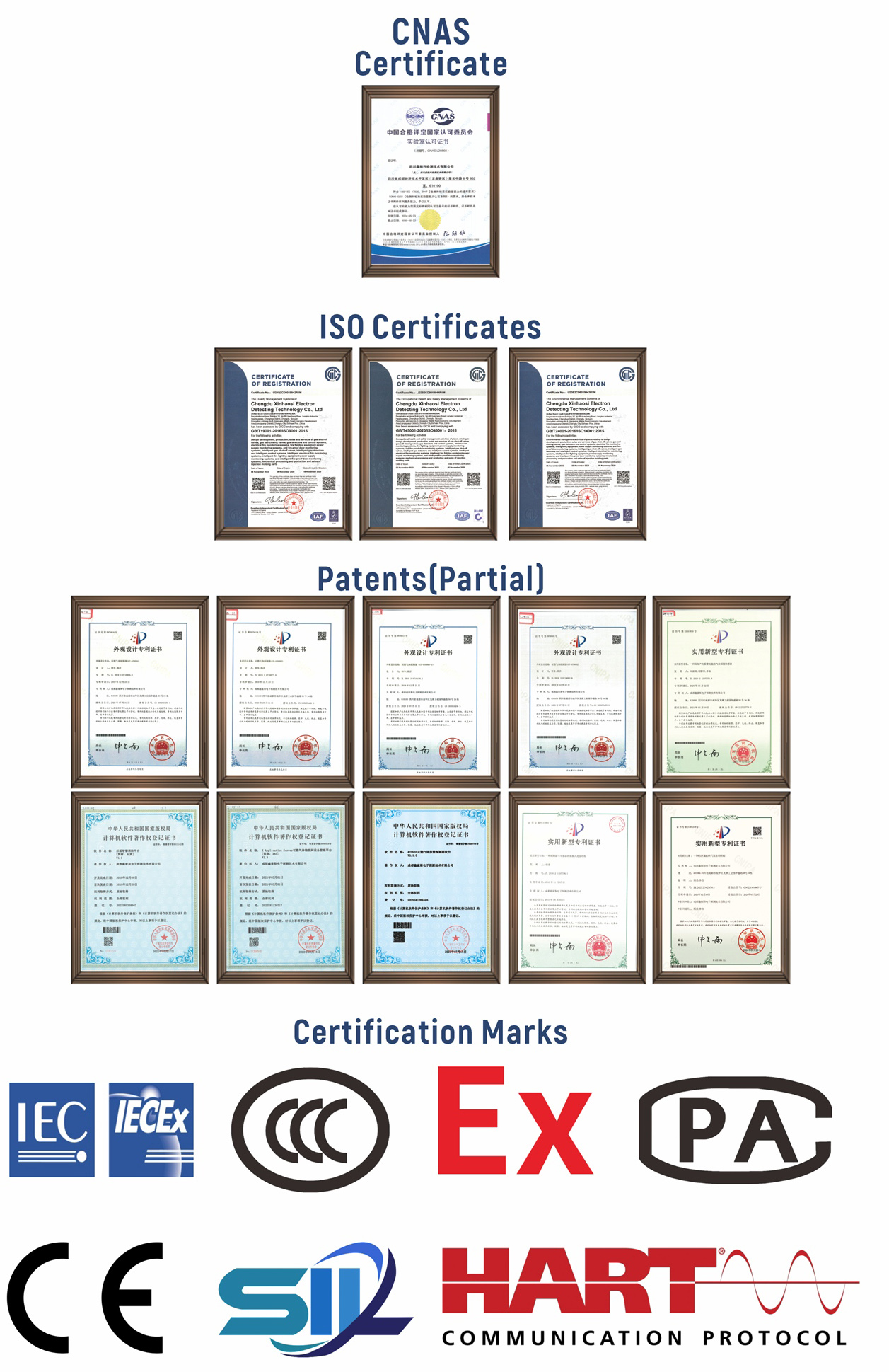
Operating in high-stakes fields requires traceable calibration. Adhering to ISO9001 quality management system standards, Xinhaosi's core products have obtained a full range of authoritative certifications, including national compulsory Products Certification, explosion-proof certification, fire product certification, CPA measurement instrument type approval certificate, and international approvals such as CE and SIL.
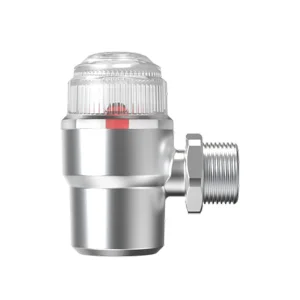
Additionally, Xinhaosi has built a robust innovation system with over 50 patents and software copyrights. These patents cover core technological areas, including a graphical monitoring system for gas detection and alarm, which enables predictive maintenance based on historical data to reduce equipment failure rates by over 30%, and a solenoid valve with flow monitoring functionality that integrates flow detection and alarm capabilities. The company also pioneered networked bus-type gas leakage monitoring systems and maximum-point gas leakage monitoring systems certified by national authorities, demonstrating its leading position in cutting-edge technological research.
Our in-house laboratory is accredited by the China National Accreditation Service for Conformity Assessment (CNAS), recognized both domestically and internationally under the ILAC-MRA framework. It operates in accordance with ISO/IEC 17025, the international standard for testing and calibration laboratories. It provides reliable and traceable testing services for gas detection and alarm products, solenoid valves, and related safety equipment, helping to ensure global compliance and fast market access.
Adapting advanced auxiliary safety components to meet regional industrial requirements.
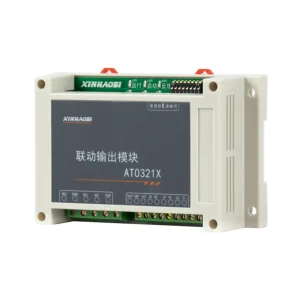
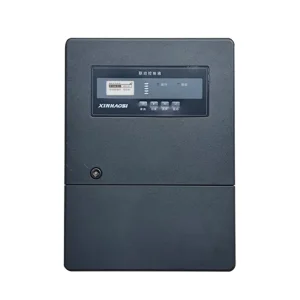
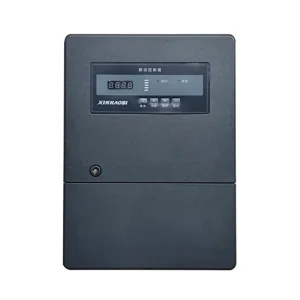
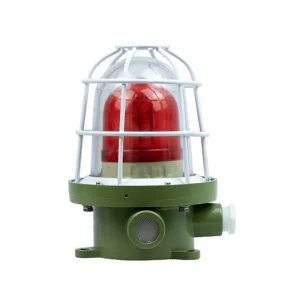
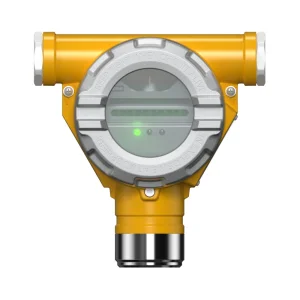
In Boston's biotechnology corridor, maintaining trace-gas isolation is crucial. Our interlock control systems pair directly with explosion-proof alarms to manage ventilation and initiate fast shut-off protocols if volatile organic compound (VOC) thresholds are breached.
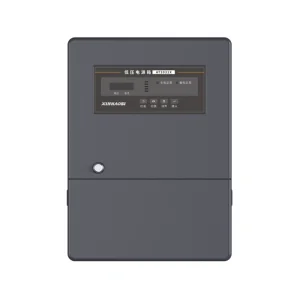
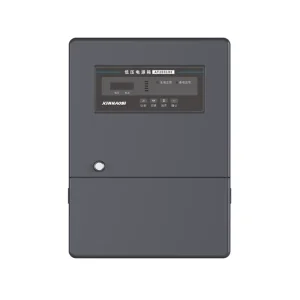
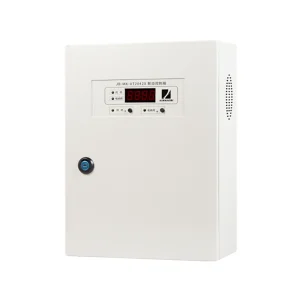
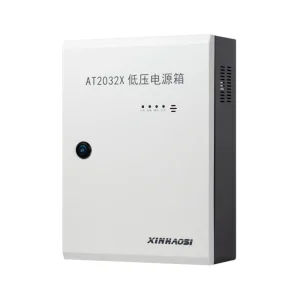
Our low-voltage power boxes supply clean, stable power to critical field monitoring stations. This isolation prevents power surges from triggering false alarms, complying with New England's electrical and occupational safety standards.
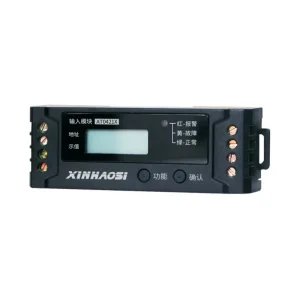
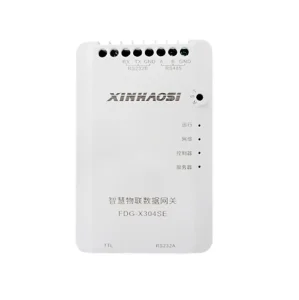
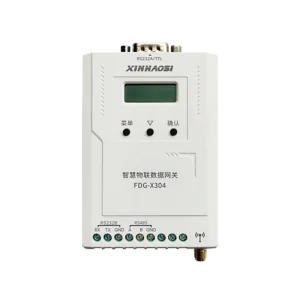
Our intelligent data gateways enable communication between safety instruments and building management systems (BMS). Using Modbus or BACnet, they export diagnostic data, helping facility managers monitor safety matrices in real time.
Tracing our expansion from a local component manufacturer to an international safety systems provider.
Established in Apr. 17th, 2003. Launched the first generation of gas leak alarms and fire-fighting products, establishing core competency in safety sensor instrumentation.
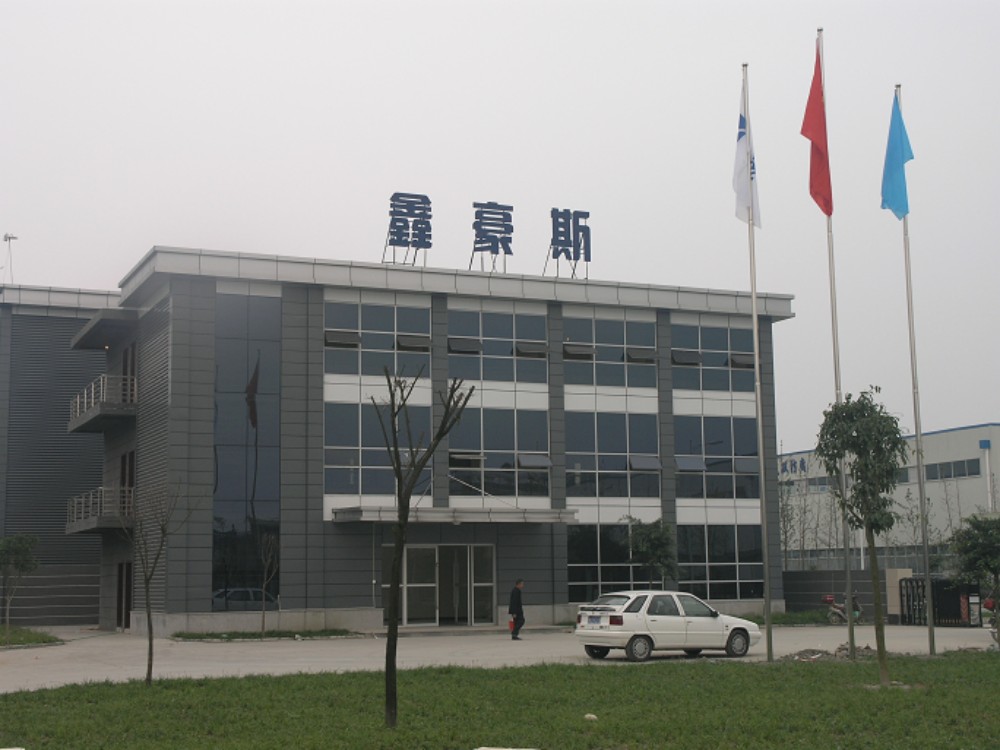
Expanded into gas safety valve production, laying the groundwork for integrated gas shut-off systems. Moved to the Longtan industrial park office building to support our growing OEM customer base.

Reached 10 million units in gas detector sales. Moved to our primary Chengdu manufacturing plant and expanded our national service network. Launched specialized fire power monitoring systems.
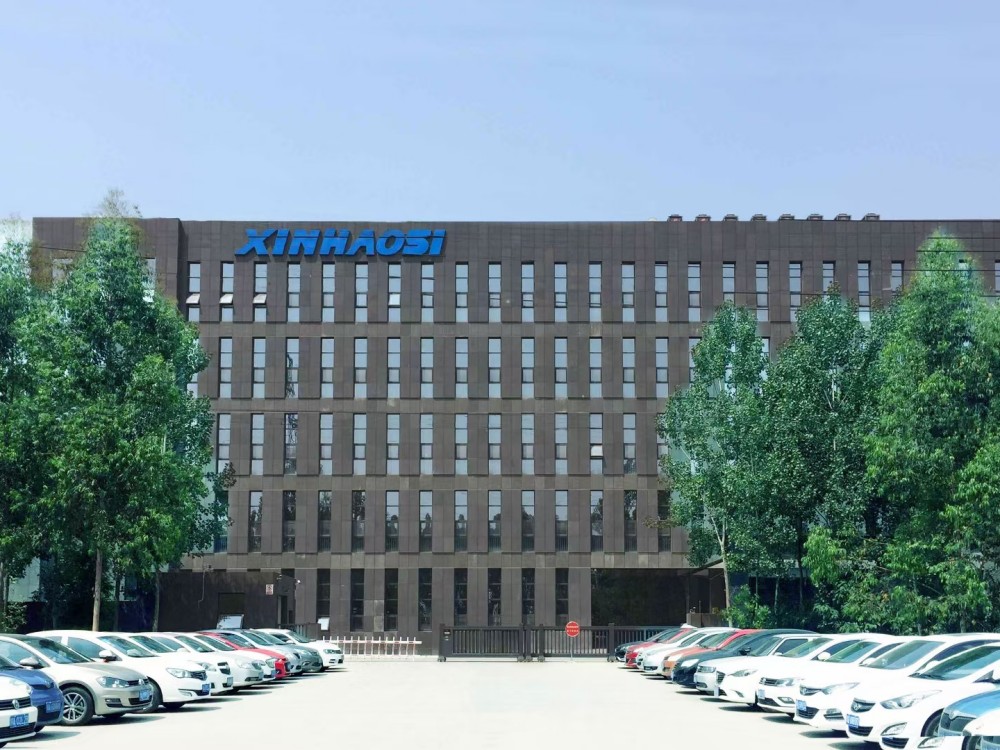
Launched our self-developed IoT platform. Expanded our product line with automatic fire alarms, emergency lighting, and evacuation systems. Certified as a national high-tech enterprise.
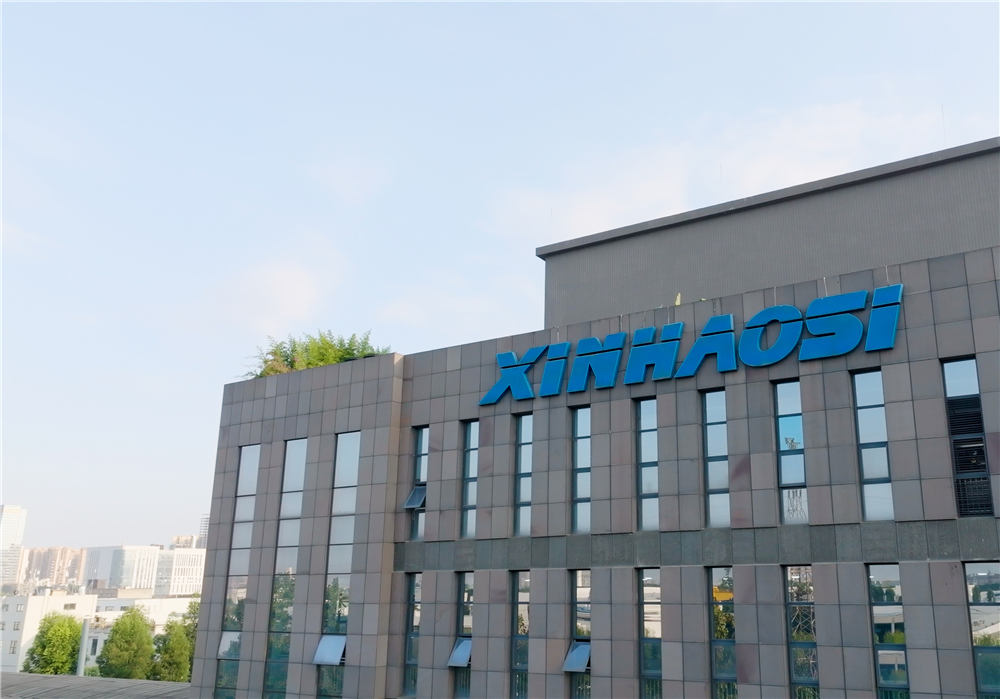
Began construction on our new Deyang manufacturing facility. Established our specialized Petrochemical & International Business Division to meet global safety standards, including UL, CE, and SIL.
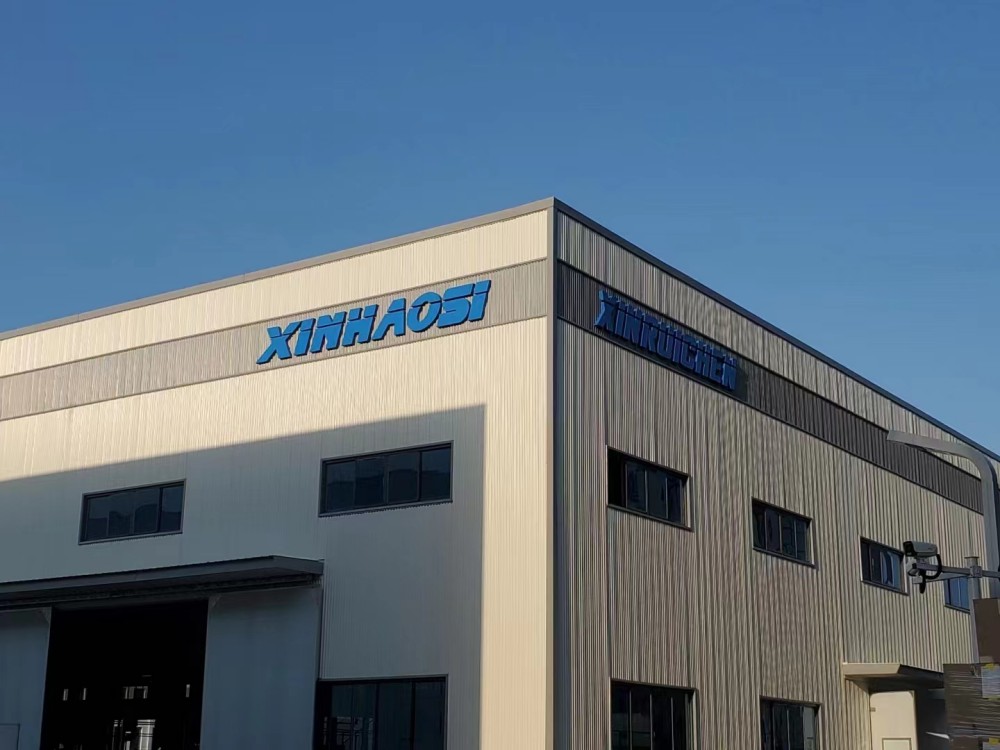
Deyang factory operations commenced. Launched our urban gas pipeline network monitoring systems, wireless detection arrays, and smart AI safety valve products to support global net-zero goals.
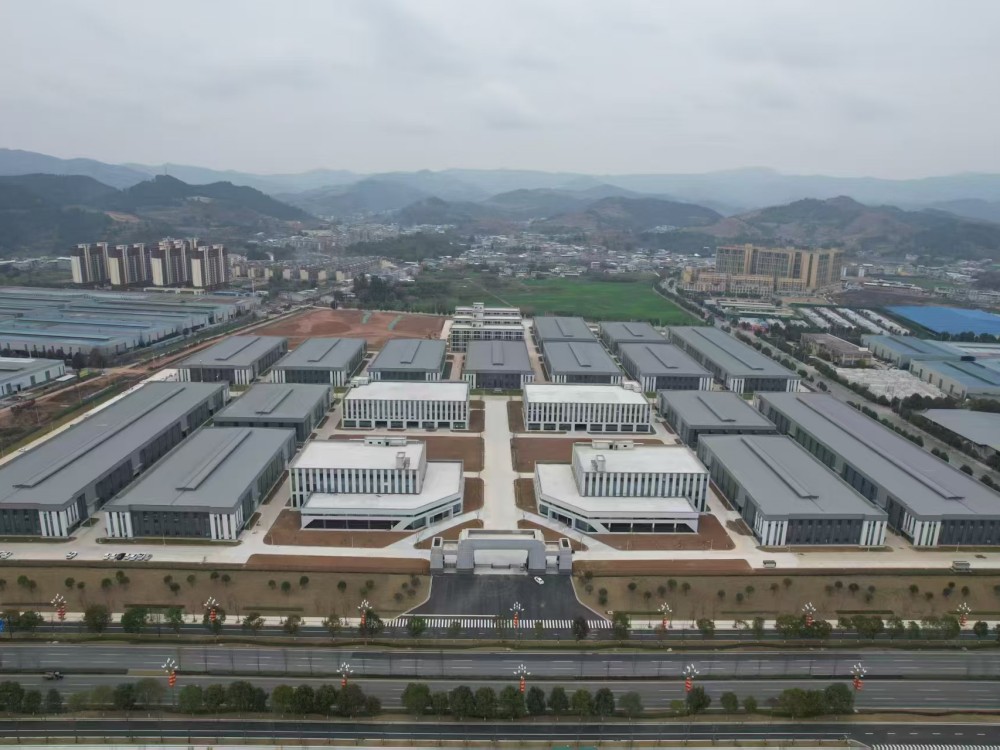
An engineering overview of next-generation auxiliary systems.
In modern industrial facilities, auxiliary interlock control boxes act as localized decision engines. When a gas sensor detects concentrations above defined safety thresholds (such as 10% LEL for combustibles), it signals the interlock control box. The box processes this input and triggers shut-off valves, exhaust fans, and visual alarms within milliseconds, isolating hazardous areas before ignition occurs.
Reliable gas safety networks depend on stable power. Auxiliary power distribution units convert main AC supply into low-voltage DC (typically 24VDC), using advanced EMI filtering and transient voltage surge suppression (TVSS) to deliver clean power. This clean power supply prevents signal drift in electrochemical and catalytic sensors, reducing false alarms and maintaining system reliability.
Modern plants require integration across different systems. Intelligent data gateways convert local bus protocols (such as RS-485 Modbus RTU) into network protocols (such as BACnet/IP, Ethernet/IP, or MQTT). This integration allows facility operators to monitor gas safety metrics, system voltages, and solenoid valve status from a unified dashboard, enabling faster, more informed responses.
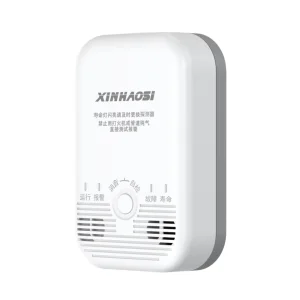
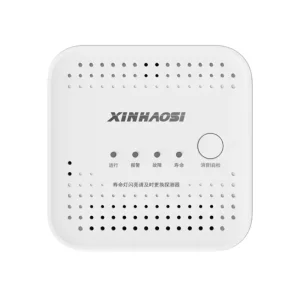
Our core product line of certified monitoring, alerting, and management equipment.
Common inquiries regarding gas safety, power distribution, and system integration.
A: Class I Division 1 and 2 environments (often found in chemical processing, oil refineries, and biotech laboratories) require explosion-proof safety equipment. Common global standards include ATEX/IECEx certifications, and UL or CSA approvals in North America. These standards ensure that safety devices cannot release enough electrical or thermal energy to ignite ambient flammable gases or vapors.
A: Intelligent data gateways act as central communication hubs. By aggregating data from local gas detectors, interlocks, and power boxes via Modbus or other protocols, they transmit real-time telemetry to centralized SCADA or Cloud monitoring systems. This centralization enables predictive diagnostics, quicker response times, and automated shut-off sequences in hazardous events.
A: Sensor lifetime varies by type: electrochemical sensors typically last 2 to 3 years, catalytic bead sensors 3 to 5 years, and infrared sensors up to 10 years. In accordance with safety regulations and ISO/IEC 17025 standards, calibration should be performed at least every 6 months to adjust for sensor drift and verify responsive operation.
A: When gas concentrations exceed safety limits, the interlock control box acts as a system circuit breaker. It interrupts the power loop to solenoid valves, shutting off the gas supply at the source. At the same time, it can activate local extraction fans and visual alarms, preventing gas from reaching explosive concentrations.
From custom OEM design to complete turnkey systems, Xinhaosi delivers certified, reliable solutions for industrial, commercial, and residential projects. Contact our technical team today.
Send Inquiry Now