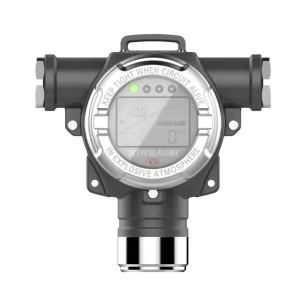
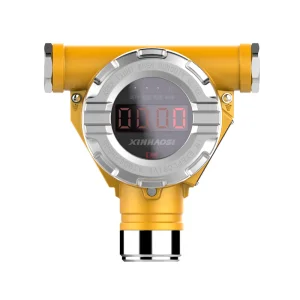
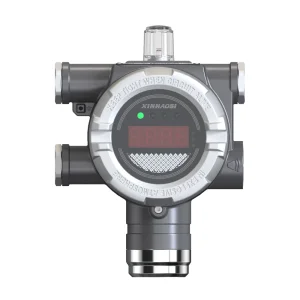
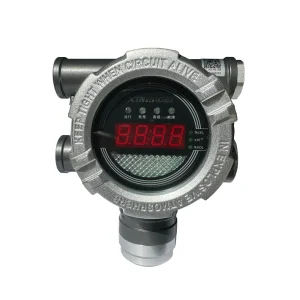
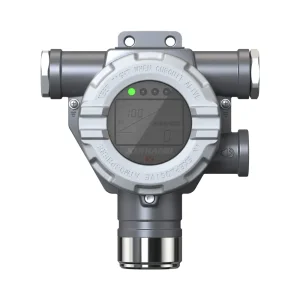
Engineered to comply with local laws and strict commercial building codes, these high-performance explosion-proof detectors provide real-time monitoring under harsh environmental conditions.
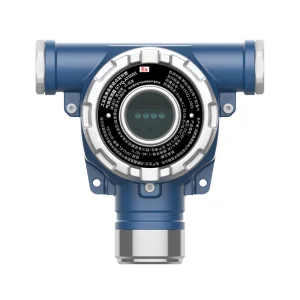
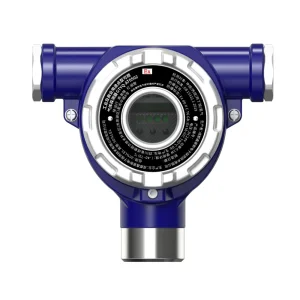
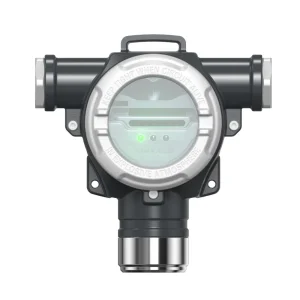
An analytical overview of fixed-type gas detection requirements under NYC construction codes, local environmental hazards, and global hardware developments.
In dense metropolitan centers like New York City and its surrounding industrial corridors, monitoring toxic, flammable, and explosive gases is not simply a matter of corporate policy—it is a strict legal mandate. The integration of fixed gas detectors in utility networks, wastewater treatment facilities, commercial high-rise HVAC systems, and manufacturing sites is governed by a network of local codes (such as New York City Local Law 152, FDNY fire codes, and the NYC Fuel Gas Code) and national guidelines including OSHA, NFPA 72, and NEC Article 500. This whitepaper analyzes the current commercial realities, technical parameters, and strategic solutions required for implementing reliable, fixed-type explosion-proof gas detection infrastructure in urban and industrial zones.
New York’s industrial blueprint is uniquely complex. It is characterized by legacy steam pipeline networks, high-density residential properties built above commercial basements, extensive maritime shipping ports, and advanced chemical and pharmaceutical facilities in the broader metropolitan area. Key drivers for localized gas monitoring include:
On a global scale, the gas detection market is undergoing rapid evolution. Industrial safety standards are shifting from reactive systems (alerting after a leak occurs) to predictive models powered by the Industrial Internet of Things (IIoT) and machine learning. In major manufacturing hubs across Europe and Asia, safety regulations dictate the use of Safety Integrity Level (SIL-2/SIL-3) rated components, guaranteeing low probability of failure on demand (PFD). Our Chengdu and Deyang factories utilize high-precision automation manufacturing equipment to meet these strict global standards, supplying millions of certified gas detectors and automated safety shut-off solenoid valves annually to global industrial enterprises.
Founded in 2003, Xinhaosi is one of the most influential and trusted brands in the global gas safety industry. Over the past two decades, we have built a robust and comprehensive production and service system. This integrates cutting-edge R&D, intelligent manufacturing with advanced automation equipment, digital marketing across global channels, and professional after-sales support with an experienced technician team. We also offer flexible OEM/ODM services, as well as CNAS-Accredited laboratory calibration services that meet international standards.
Our diversified product portfolio covers industrial & residential gas detection & alarm systems, industrial & household gas solenoid valves, and urban gas pipeline network monitoring systems—all engineered to adapt to complex working environments and strict safety requirements. We produce and sell tens of millions of units annually, catering to a wide range of industries that demand reliable gas detection solutions, including oil & gas exploration and production, petrochemicals, urban gas distribution, automotive manufacturing, pharmaceuticals, new energy, steel production, and beverage processing.

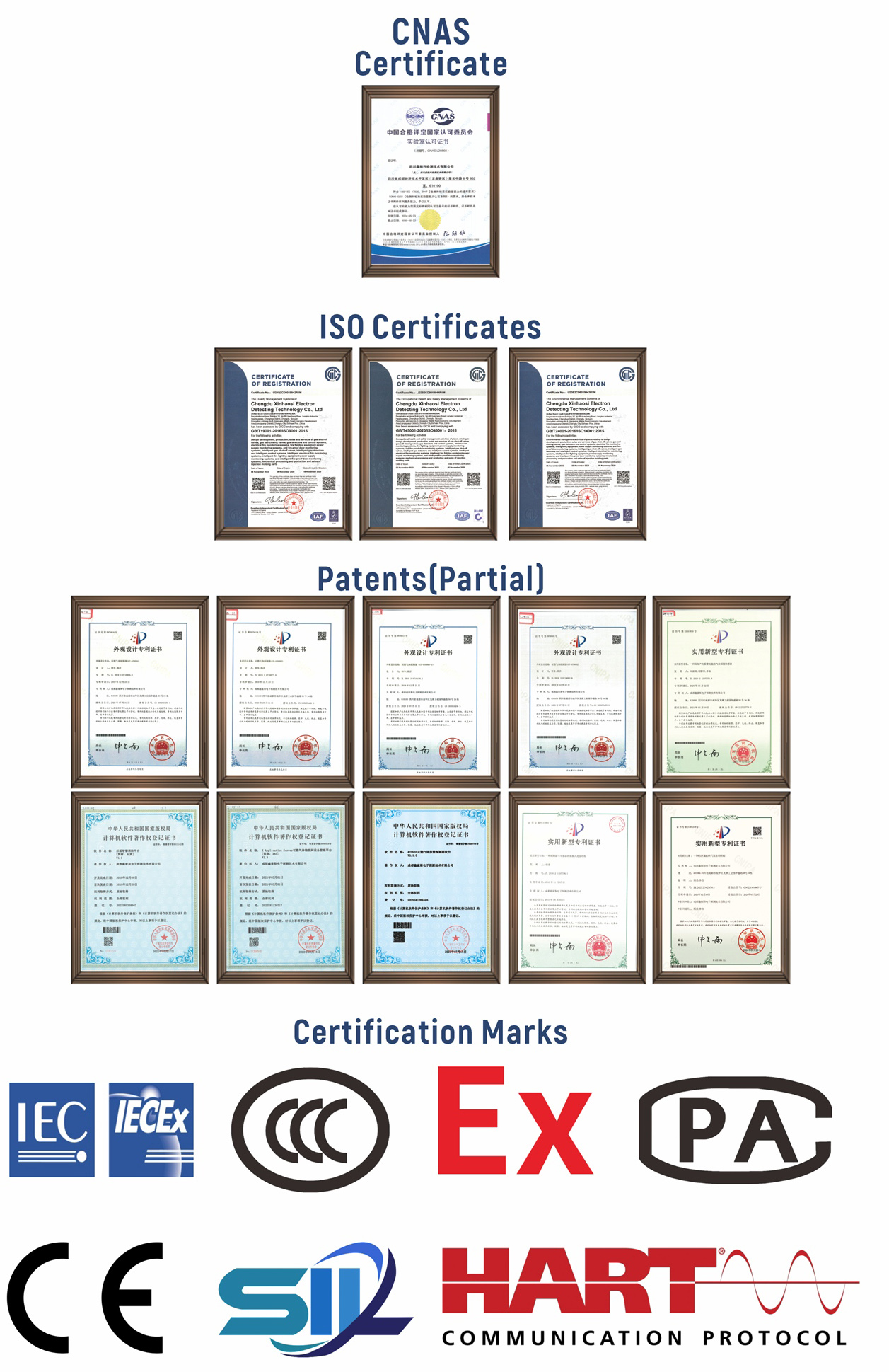
Adhering to ISO9001 quality management system standards, Xinhaosi's core products have obtained a full range of authoritative certifications, including national compulsory Products Certification, explosion-proof certification, fire product certification, CPA measurement instrument type approval certificate, and international approvals such as CE and SIL-2. Additionally, Xinhaosi holds honors such as "National Quality Integrity Benchmark Enterprise" and "National Quality Leading Enterprise in the Gas Alarm Industry," and serves as the main drafting organization for national standards on solenoid valves.
In the field of intellectual property, Xinhaosi has built a robust innovation system with over 50 patents and software copyrights. These patents cover core technological areas, including a graphical monitoring system for gas detection and alarm. This system enables predictive maintenance based on historical data to reduce equipment failure rates by over 30%, and a solenoid valve with flow monitoring functionality that integrates flow detection and alarm capabilities. The company also pioneered a networked bus-type gas leakage monitoring system and a high-capacity gas leakage monitoring system certified by the Ministry of Public Security, demonstrating its leading position in cutting-edge technological research.
Bridging the gap between legacy sensor technology and modern industrial automation through intelligent networks.
Modern commercial requirements demand sensor components tailored specifically to target gases. Our product range utilizes three primary sensing technologies:
We provide comprehensive system designs combining fixed gas transmitters with fast-acting solenoid safety shut-off valves:
Two decades of steady growth, technical milestones, and industrial product validation.
Established on April 17th, 2003. Launched our first generation of gas leak alarm and fire fighting products, establishing basic safety parameters.
Began local manufacture of gas safety solenoid valves. Expanded global OEM/ODM offerings, moving into specialized facilities in Longtan Industrial Park.
Reached a milestone of 10 million gas detectors sold. Established a comprehensive service network and launched fire power monitoring systems.
Developed and launched our in-house IoT safety platform. Recognized as a national High-Tech Enterprise and qualified as a tier-1 supplier for major global gas providers.
Initiated Deyang factory construction. Established the Petrochemical and International Business divisions to meet overseas certification standards. Awarded Sichuan Provincial Technology Center status.
Began operations at the new Deyang facility. Rolled out advanced urban pipeline network monitoring systems, smart wireless detection arrays, and AI-enabled safety shutoff valves.
Critical engineering and compliance questions answered by Xinhaosi’s senior engineering panel.
Local Law 152 requires periodic inspections of gas piping systems in all buildings except R-3 occupancies. Implementing fixed-type combustible gas detectors in boiler rooms, gas meter spaces, and distribution areas provides continuous, 24/7 monitoring. These systems can trigger emergency safety shut-off valves (like Xinhaosi's solenoid range) and integrate directly with building management systems (BMS) to alert maintenance personnel instantly of pressure drops or gas leaks, ensuring ongoing compliance between inspection intervals.
Under typical industrial operating parameters, we recommend calibration every six months. In harsh settings with exposure to high moisture or sulfur, a three-month calibration cycle may be required. Our CNAS-accredited calibration laboratory tests systems to ISO/IEC 17025 standards. This confirms sensor responsiveness, checks zero drift, and verifies the response time (T90) is well within safety tolerances.
Methane is lighter than air (density of approx. 0.55 relative to air). Therefore, methane detectors must be installed 0.3 to 1.0 meters below the ceiling, close to potential leak points. In contrast, propane is heavier than air (density of approx. 1.5). Propane detectors must be positioned close to the floor (within 0.3 meters of ground level) to ensure early detection of accumulating gas pockets.
Safety Integrity Level 2 (SIL-2) guarantees that a safety system has a probability of failure on demand (PFD) between 0.01 and 0.001. In high-risk chemical facilities, refineries, and dense municipal distribution plants in New York, SIL-2 certified components are required by safety underwriters and local regulators. This ensures that the system will successfully execute its emergency shut-down routine when a gas leak occurs.
Upon sensing gas concentrations exceeding the pre-set alarm thresholds (typically 10% LEL for level 1 and 25% LEL for level 2), the control panel outputs a signal (typically a 24VDC pulse) to the solenoid valve. The valve initiates an immediate, mechanical close of the line. The valve must be manually reset, ensuring that gas flow cannot be resumed until the leak has been resolved and the area is safe.
Explore our full line of explosion-proof transmitters for combustible, toxic, and oxygen deficiency hazards in New York industrial and commercial sectors.
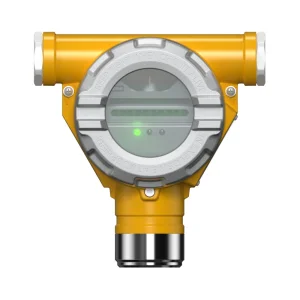
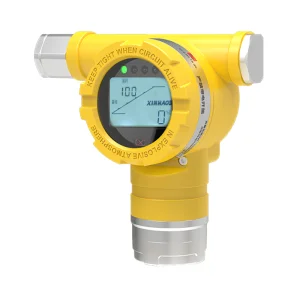
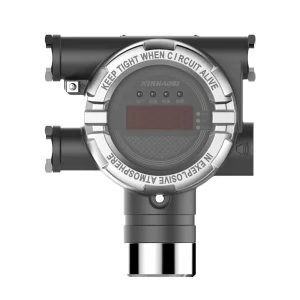
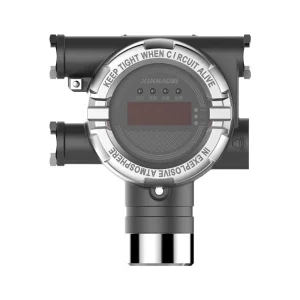
Get in touch with our system engineers today to design, specify, or order custom explosion-proof gas detection equipment and safety valves.
Send Inquiry Now