
High-performance low-voltage power networks and signal routing devices customized for harsh environmental tolerances.
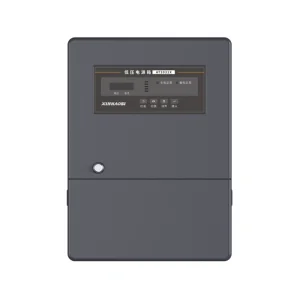
Designed for the Indian sub-continent distribution systems, providing stable, filtered low-voltage power supply to remote sensor arrays.
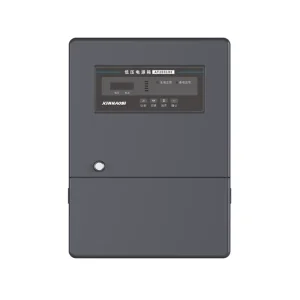
Rugged, weather-proof enclosures compliant with localized ingress protections, optimized for chemical production plants across Gujarat.
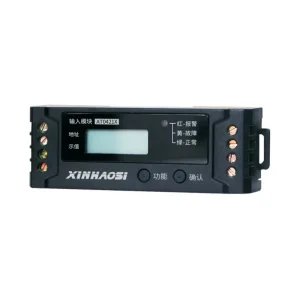
Multi-channel input modules enabling seamless analog/digital signal convergence for complex industrial safety monitoring.
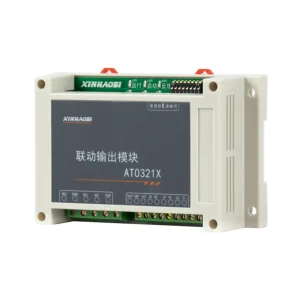
Robust switching output controllers engineered to trigger emergency shut-down valves in hazardous zone environments.
As India positions itself as a dominant global manufacturing hub under the "Make in India" initiative, heavy manufacturing sectors such as petrochemicals, pharmaceuticals, chemical refinement, and automotive plants are experiencing unprecedented expansion. Rapid industrialization, however, runs parallel to strict requirements for occupational health, safety, and operational reliability. Compliance with Indian safety frameworks—governed by bodies like the Petroleum and Explosives Safety Organisation (PESO) and the Oil Industry Safety Directorate (OISD)—has moved from a simple audit check to a core operational mandate.
In hazardous industrial workspaces, auxiliary gas safety equipment, low-voltage power boxes, and interlock controllers act as critical infrastructure. These systems bridge the gap between primary detection sensors and local alarm/shut-off controls. In regions like the chemical corridor of Gujarat (Bharuch, Ankleshwar), the manufacturing clusters of Tamil Nadu, and the heavy refinery belts of Maharashtra, standard electronics fail due to extreme humidity, ambient dust, and voltage spikes. Sourcing robust auxiliary units that withstand local operating parameters is vital for zero-downtime safety operations.
For Indian procurement managers and industrial EPC contractors, sourcing auxiliary safety components directly from Chinese factories provides a strategic balance of cost efficiency, technical quality, and supply chain scalability. Key advantages include:
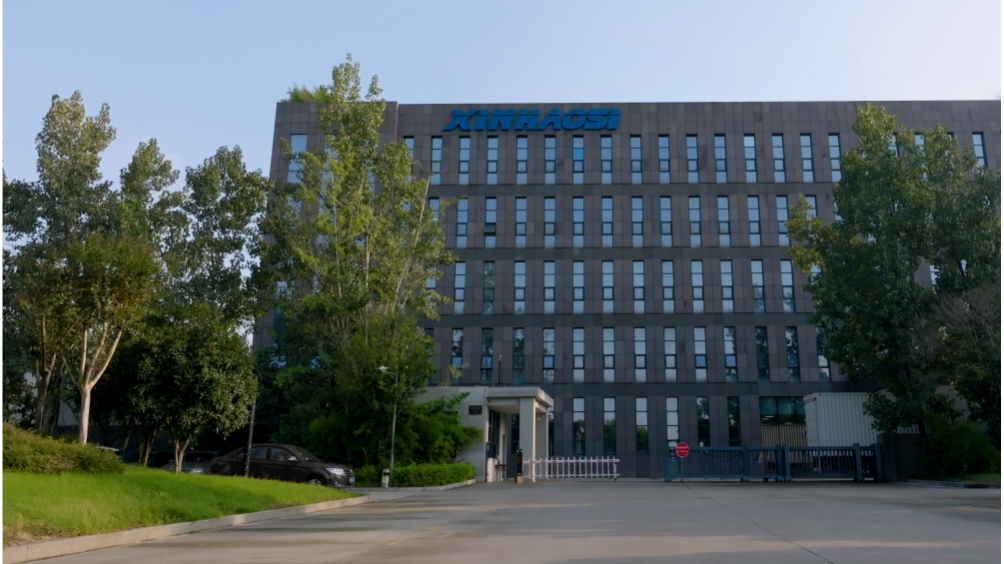
Chengdu Factory & Office

Deyang Factory
Founded in 2003, Xinhaosi is one of the most influential and trusted brands in the global gas safety industry. Over the past two decades, we have steadily built a robust and comprehensive production and service system, which integrates cutting-edge R&D, intelligent manufacturing with advanced automation equipment, digital marketing across global channels, professional after-sales support with an experienced technician team, flexible OEM/ODM services, as well as CNAS-Accredited laboratory calibration services that meet international standards.
Our diversified product portfolio covers industrial & residential gas detection & alarm systems, industrial & household gas solenoid valves, and urban gas pipeline network monitoring systems—all engineered to adapt to complex working environments and strict safety requirements. We produce and sell tens of millions of units annually, catering to a wide range of industries that demand reliable gas detection solutions, including oil & gas exploration and production, petrochemicals, urban gas distribution, automotive manufacturing, pharmaceuticals, new energy, steel production, and beverage processing.
Guided by the core mission of “Making Gas Safety Accessible Everywhere,” we consistently deliver high-performance, reliable products and customized solutions tailored to each client’s unique needs. Every item we manufacture undergoes rigorous quality control tests, and every service we provide is backed by our professional technical team, fully embodying our unwavering commitment to safeguarding gas safety across both industrial workplaces and residential environments, and striving to build a safer world with sustainable gas safety technologies.
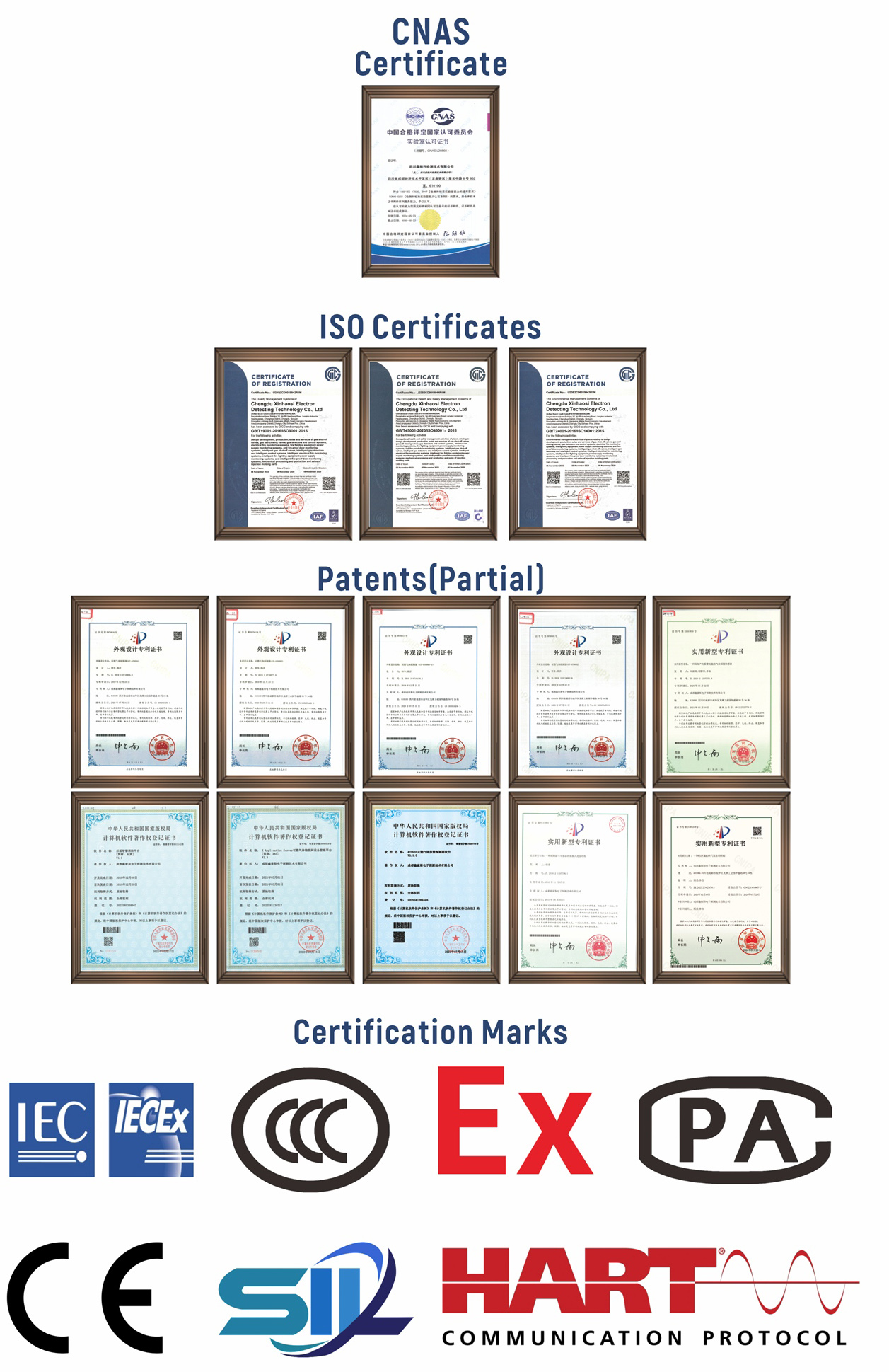
Adhering to ISO9001 quality management system standards, Xinhaosi's core products have obtained a full range of authoritative certifications, including national compulsory Products Certification, explosion-proof certification, fire product certification, CPA measurement instrument type approval certificate, and international approvals such as CE and SIL. Additionally, Xinhaosi holds honors such as "National Quality Integrity Benchmark Enterprise" , "National Quality Leading Enterprise in the Gas Alarm Industry," member of the China Fire Protection Association, and the main drafting organization for the national standard of solenoid valves, further confirming its industry influence and reputation.
In the field of intellectual property, Xinhaosi has built a robust innovation system with over 50 patents and software copyrights . These patents cover core technological areas, including a graphical monitoring system for gas detection and alarm, which enables predictive maintenance based on historical data to reduce equipment failure rates by over 30%, and a solenoid valve with flow monitoring functionality that integrates flow detection and alarm capabilities. The company also pioneered China's first networked bus-type gas leakage monitoring system and the only maximum-point gas leakage monitoring system certified by the Ministry of Public Security, demonstrating its leading position in cutting-edge technological research.
Our in-house laboratory is accredited by the China National Accreditation Service for Conformity Assessment (CNAS), recognized both domestically and internationally under the ILAC-MRA framework. It operates in accordance with ISO/IEC 17025, the international standard for testing and calibration laboratories. It provides reliable and traceable testing services for gas detection and alarm products, solenoid valves, and related safety equipment. Test reports issued by the CNAS-accredited laboratory are widely accepted by regulatory authorities, certification bodies, and customers in China and overseas, helping to ensure product quality, safety compliance, and market access.
Deployable control modules, gateways, and safety alarms built for seamless system communications and real-time monitoring.
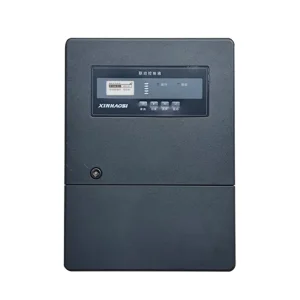
Engineered for automated safety control systems, integrating multiple sensor feeds to coordinate valve shutdowns and exhaust fans.
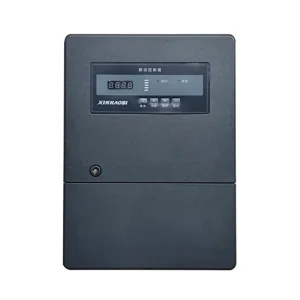
Built-in 4G LTE communication protocols to support remote monitoring in hard-to-access oil fields and gas terminals.
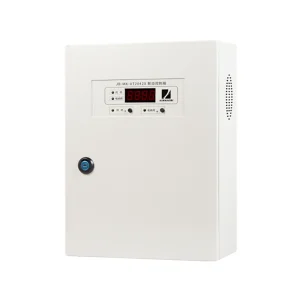
Enhanced interlock unit featuring high-speed relays and visual indicator lights for hazardous zone operations.
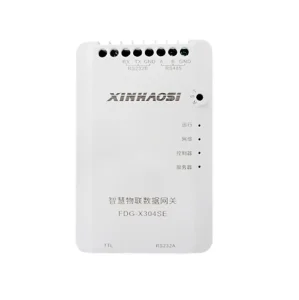
Connects field sensors to DCS systems, converting local Modbus signals to secure Ethernet feeds.
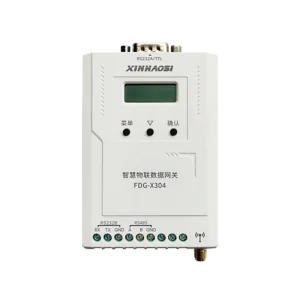
High-speed data processing units serving as central communication hubs for multi-point industrial safety networks.
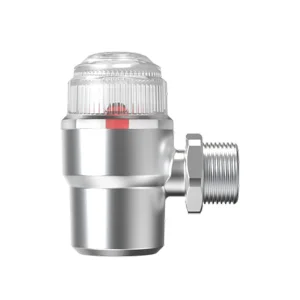
High-decibel, high-intensity visual signaling device certified for safe operations in Zone 1 & 2 explosive atmospheres.
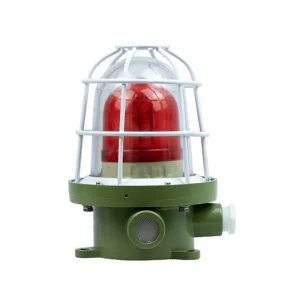
Features weather-resistant die-cast housings suitable for offshore platforms and high-humidity coastal refineries.
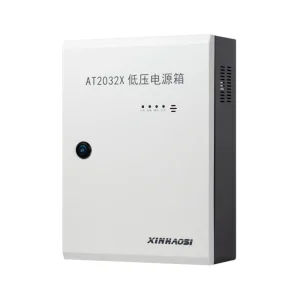
Dual-circuit power backup supply box engineered to keep gas safety monitors online during main grid failures.
Tracing our evolution from a regional manufacturing pioneer to a global supplier of industrial gas safety components.
Flame sensors and high-pressure solenoid gas valves designed for rapid shut-off response in refinery hazard sectors.
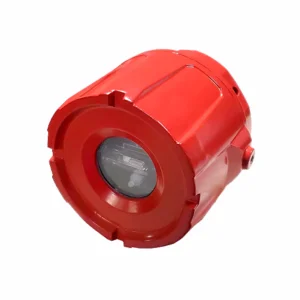
High-speed ultraviolet light sensor engineered to detect hydrogen, hydrocarbon, and metal fires in milliseconds.
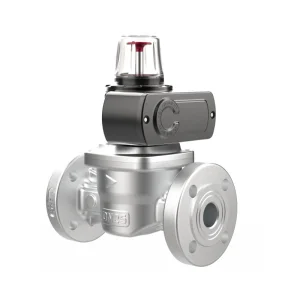
Drafting standard-setting design featuring cast-alloy housings to cut off fuel supply instantly upon receiving alarm signals.
Fully customizable multi-channel interface box optimized for industrial safety protocols in high-risk zones.
Integrated industrial-grade interlock safety systems ensuring failure-free machinery shut-downs in production hubs.
In heavy industrial processing, the reliability of a safety mechanism depends on its weakest connection. A highly sensitive gas detector is useless if the signal cannot reach the emergency shutdown valve due to electromagnetic interference or local power loss. Deploying robust auxiliary systems like low-voltage power boxes and specialized gateways is essential to ensure long-term stability.
Industrial sensor networks often cover large geographic layouts—extending across oil pipelines, massive manufacturing bays, and multi-level distilleries. Over these long runs, signal line voltage drops are common. The AT2031X and AT2032X series act as localized power hubs. They isolate field devices from industrial grid noise and deliver clean, consistent low-voltage power directly to sensors. By housing sensitive electrical terminals in weather-proof enclosures, these units prevent water ingress and ground faults, minimizing device failures by over 30% in high-humidity zones like Mumbai and Chennai.
Modern plants rely on data integration. The FDG-X304SE Intelligent Data Gateway collects signals from local sensors and maps them to protocols like Modbus RTU or TCP/IP. This allows data to flow directly to central SCADA systems or Distributed Control Systems (DCS). Operating as an edge computer, this gateway can process local parameters and trigger immediate local actions even if the connection to the main control center is lost. This level of communication redundancy is crucial for managing remote gas pipelines and petrochemical facilities.
When an alarm is triggered, immediate isolation is required. The CT-XF5 series solenoid valves act as the mechanical executors of the safety system. Operating via electrical pulse triggers, these valves shut down gas flow in milliseconds. Using robust sealing mechanisms, they prevent further gas buildup, containing the hazard and protecting personnel and surrounding infrastructure.
An overview of standard testing protocols, material selections, and compliance certifications required for industrial procurement.
Safety equipment must be certified for the correct operating environment. Zone 1 requires flameproof or intrinsically safe designs, while Zone 2 allows increased safety designs. Enclosures must feature explosion-proof cast aluminum or stainless steel housings to isolate internal electrical arcs from ambient hazardous vapors.
Monsoon seasons, high humidity, and coastal salt spray can corrode field components. Enclosures must carry at least an IP65 or IP66 rating to prevent water ingress. Materials like marine-grade 316 stainless steel or epoxy-coated cast aluminum are recommended to ensure long-term durability in coastal zones.
Safety instrumented systems (SIS) require components that meet SIL-2 or SIL-3 standards. Choosing certified components ensures a predictable Probability of Failure on Demand (PFD), which is essential for risk analysis and obtaining local regulatory approvals.
Technical clarifications on compliance, voltage tolerances, and interface customizability for industrial projects.
Contact our engineering team to request detailed technical drawings, specifications, or a custom quote tailored to your local industrial requirements.
Send Inquiry Now