Engineered for critical environments. Direct access to our primary manufacturing line of detectors, controllers, shut-off safety valves, and gateways.
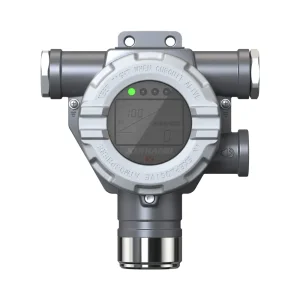
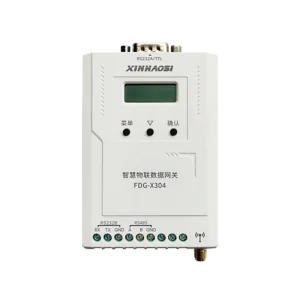
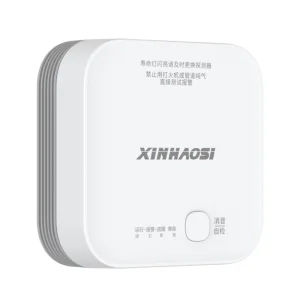
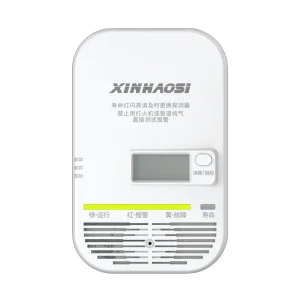
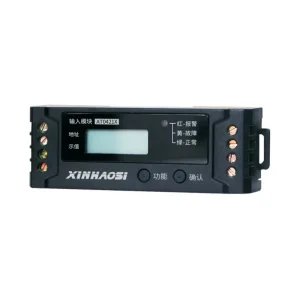
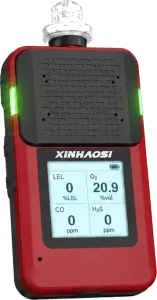
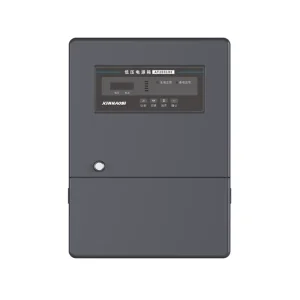
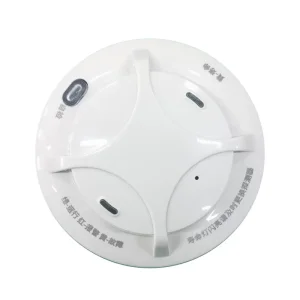
Navigating toxic gas safety, environmental compliance, and OEM system integration at scale.
Global procurement teams prioritize adherence to strict regional limits like OSHA PEL, NIOSH REL, and European Union COSHH guidelines. Acquiring certified equipment certified with SIL 2, CE, ATEX, and UL is essential for mitigating operational liabilities and ensuring site compliance.
Industrial operations require customized, integrated safety instrumentation. Original Equipment Manufacturer (OEM) partners must offer scalable adaptations: bespoke sensor arrays, multi-protocol communication layers (Modbus RTU, BACnet, wireless LoRaWAN), and custom enclosure form factors.
Successful procurement structures examine the long-term lifetime of the toxic gas monitor. Key performance matrices rely heavily on minimizing calibration drift, reducing field failures, simplifying target gas swap-outs, and maximizing functional lifespan of electrochemical and PID sensor blocks.
In heavy industrial ecosystems, gas monitoring is not an isolated component but a primary layer of functional safety. Integrated gas safety architectures require synchronized operation between field detection devices, localized data collection hubs, and immediate shutdown devices.
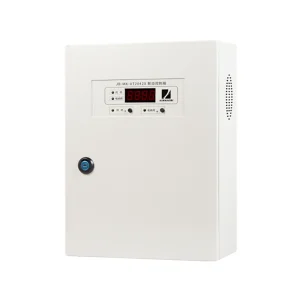
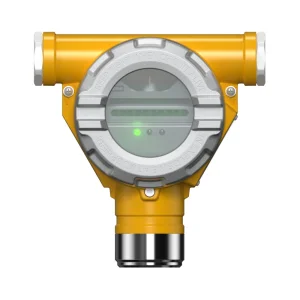
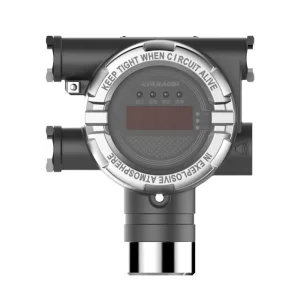
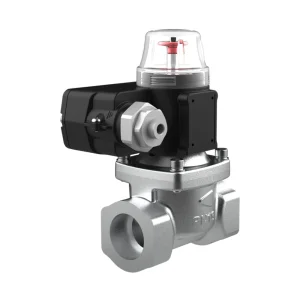
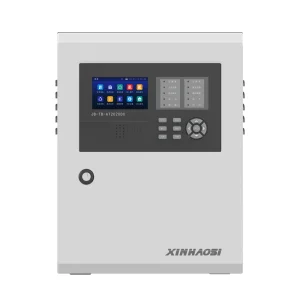
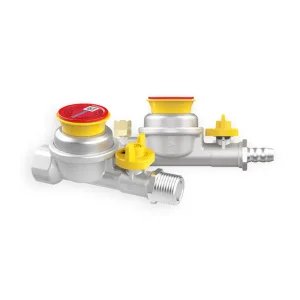
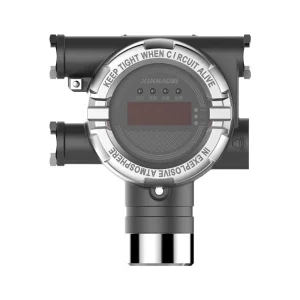
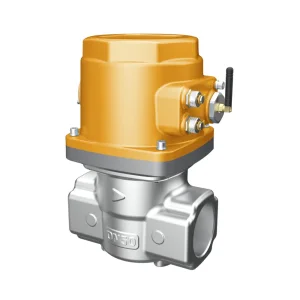
Whether deploying fixed detection grids in chemical manufacturing units, municipal utility lines, or oil and gas refineries, the reliability of the control pathway decides safety outcomes. By linking certified transmitters (such as the GTYQ-AT0601 or the AT0602 oxygen-toxic monitor) to centralized hardware like the JB-TB-AT2020DX controller, plants establish a complete defense mechanism. The controller actively processes sensor inputs and triggers emergency pipeline valves (like our XF5III Solenoid Valves or Pipeline Gas Automatic Shut-off Valves) to isolate areas before toxic concentrations reach critical action levels.
Adding intelligent data gateways like the FDG-X304 to local systems allows plant operations to transition from reactive alarms to predictive, data-driven gas safety management. Real-time telemetry monitoring via cloud or SCADA architectures enables remote diagnostics and predictive sensor maintenance schedules, minimizing hazardous operational downtime.
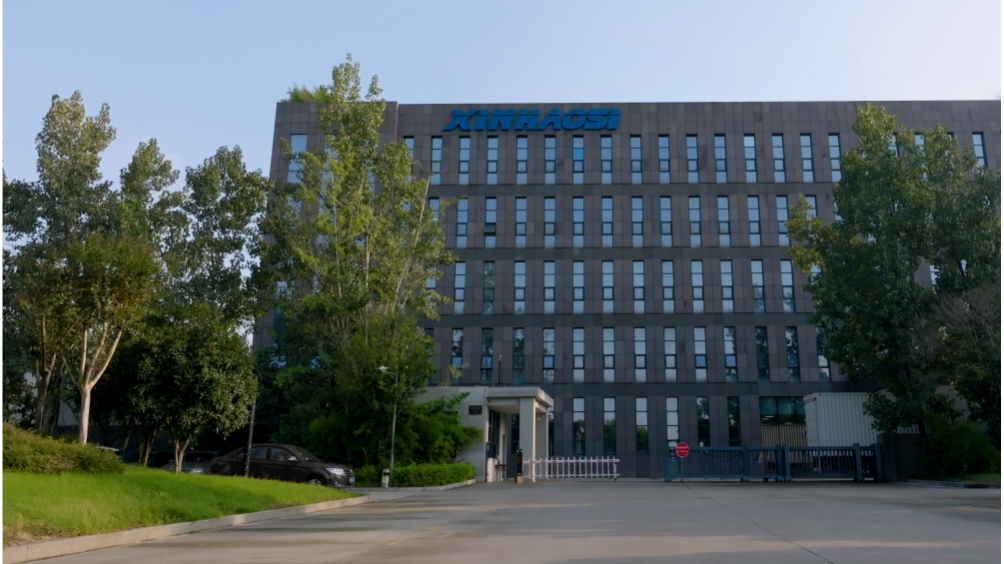
Xinhaosi Chengdu Production Headquarters & Laboratory Office Complex
The architecture of modern toxic gas instrumentation relies on precision R&D and hardware convergence.
Integrating electrochemical cells, infrared (NDIR) sensors, and Photoionization Detectors (PID) onto a single modular core. This mitigates cross-sensitivity errors and extends monitoring range across explosive limits and parts-per-million (PPM) toxic exposures.
Shifting diagnostic workflows to the edge. Gateways process raw sensor curves, analyze temperature drift patterns, and predict sensor depletion rates locally. Safety notifications travel over secure MQTT channels, avoiding system reliance on latency-prone cloud infrastructure.
Direct machine-to-machine loop links where detectors command interlocking control boxes (such as the JB-MK-AT2042X) and gas emergency valves directly. This ensures immediate system response even during primary power grids or network master outages.
Deep technical expertise, advanced production capabilities, and trusted safety products for industrial infrastructures.
Founded in 2003, Xinhaosi is a trusted developer and manufacturer in the global gas safety sector. Over the past two decades, we have established a comprehensive production and service system. This integrates state-of-the-art research and development, smart automated factories, digital international sales pipelines, expert technical post-sale support, and flexible OEM/ODM capabilities.
Our extensive product range includes domestic and industrial gas detection devices, automated safety solenoid valves, and municipal pipeline network management systems. Every product is engineered to operate reliably in harsh, hazardous industrial environments. Our manufacturing facilities produce millions of units annually, supporting critical processes in oil and gas production, petrochemical processing, metallurgy, power generation, chemical synthesis, clean energy, and pharmaceuticals.
Guided by the philosophy of "Making Gas Safety Accessible Everywhere," we operate under strict quality management processes. Our manufacturing workflow is supported by an in-house CNAS-accredited calibration laboratory (accredited under ISO/IEC 17025). This ensures all measurement readings remain fully traceable, providing our international partners with compliant safety solutions.
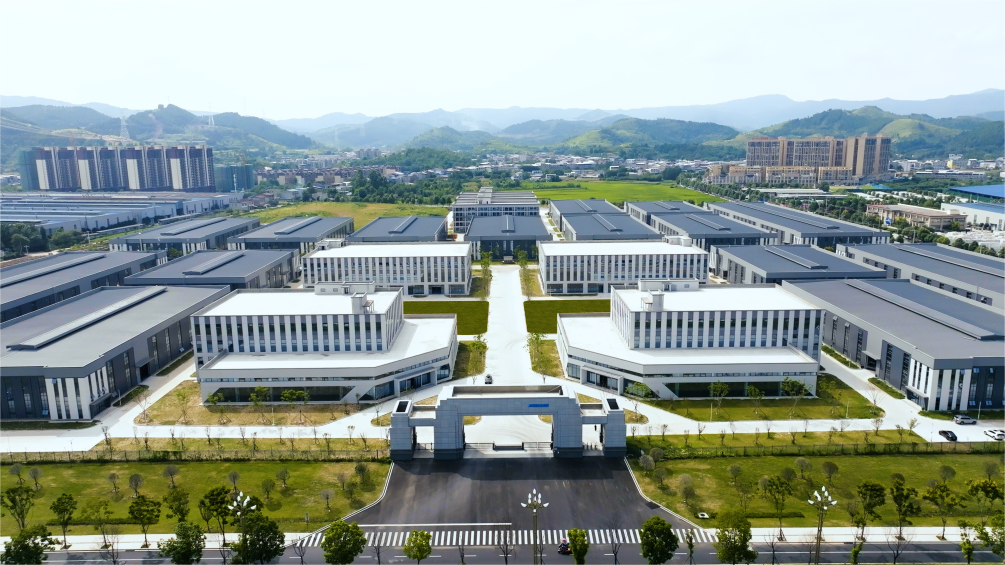
Xinhaosi Intelligent Production Base in Deyang
A timeline showing our path from a safety instrumentation startup to a national standard-setter in safety valves and gas monitoring.
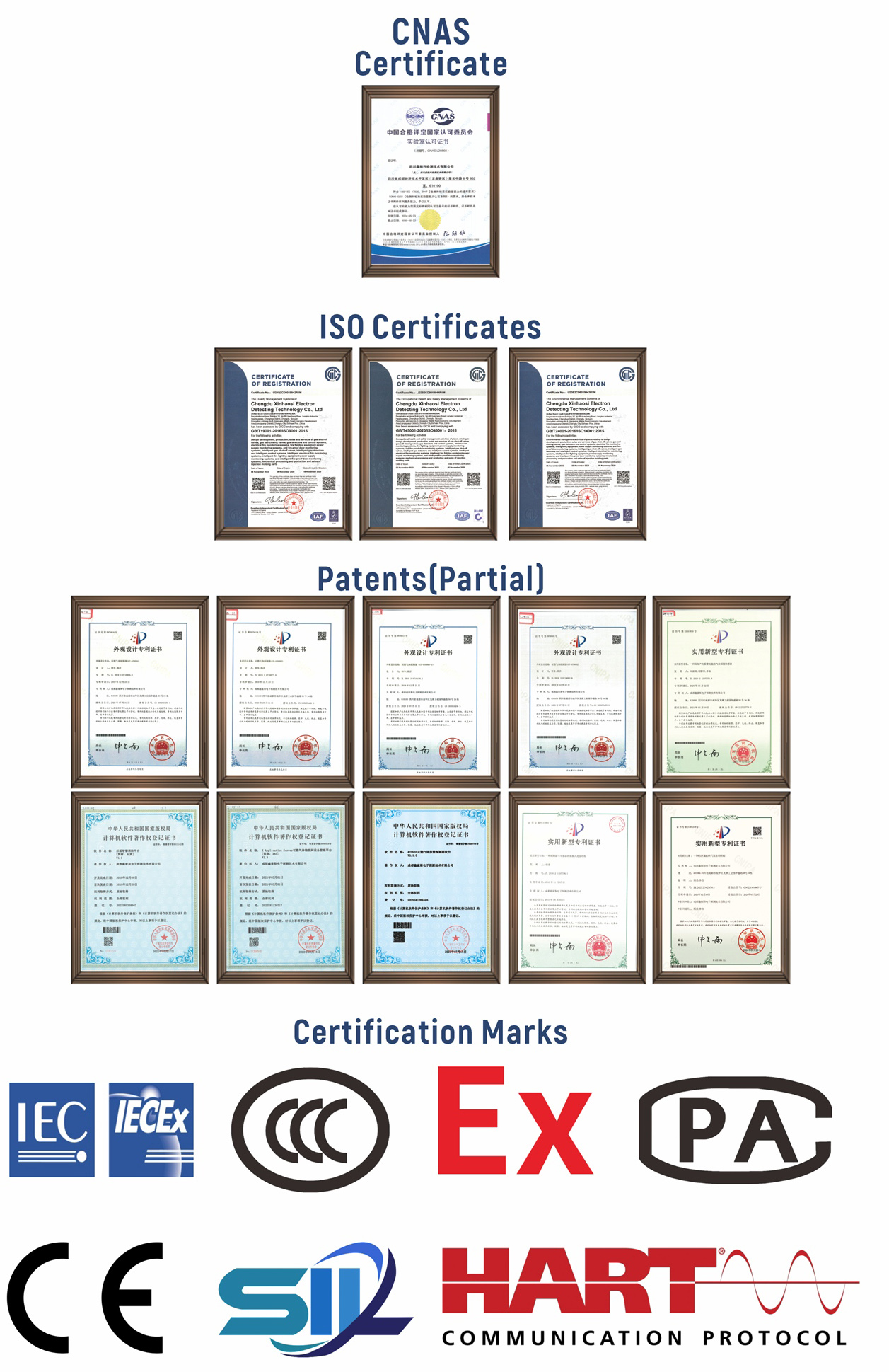
CNAS Accredited Calibration Laboratory & Testing Center
We operate under a strict quality management system aligned with ISO 9001. Our gas monitors and shut-off valves carry essential explosion-proof certifications, fire product safety approvals, CE, SIL, and national Metrological Type Approval (CPA) certificates. Xinhaosi is also a primary drafting organization for the national standards of gas solenoid valves.
Our in-house laboratory is accredited by the China National Accreditation Service for Conformity Assessment (CNAS). This lab is recognized under the ILAC-MRA multilateral agreement, meaning our test reports are accepted globally for regulatory and compliance purposes.
Through these testing capabilities, our calibration reports assist international partners with their local safety audits, custom clearance requirements, and site inspections, simplifying global supply chain integration.
Technical explanations regarding calibration, certifications, sensor life, and OEM customization options.
Complete system integration hardware: control units, specialized input devices, explosion-proof transmitters, and safety shut-off valves.