Premium OEM monitoring gas detectors, explosion-proof light & sound alarms, and smart valve components certified for hazardous environments.
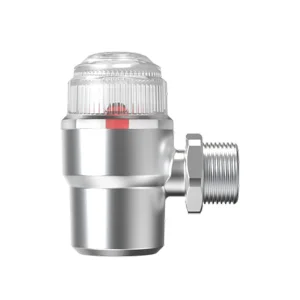
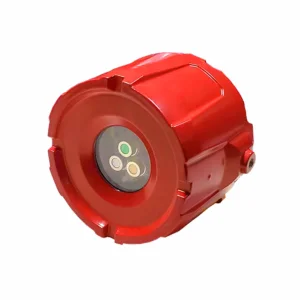
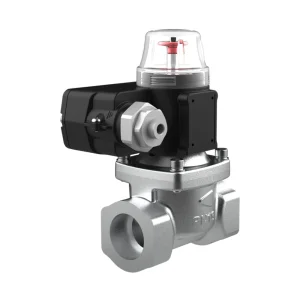
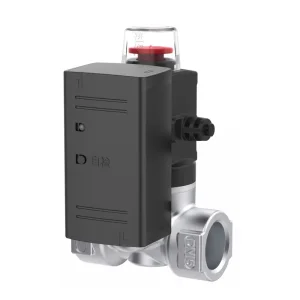
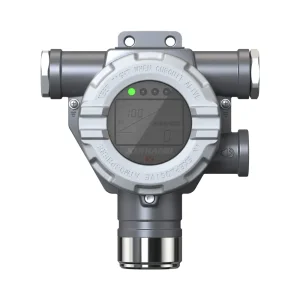
Founded in 2003, Xinhaosi has spent over two decades engineering gas safety architectures for hazardous industrial facilities worldwide. Our core operational strengths reside in an integrated value chain: robust in-house research and development, a state-of-the-art intelligent manufacturing environment, globalized digital marketing channels, highly skilled after-sales technician networks, and tailored OEM/ODM capabilities.
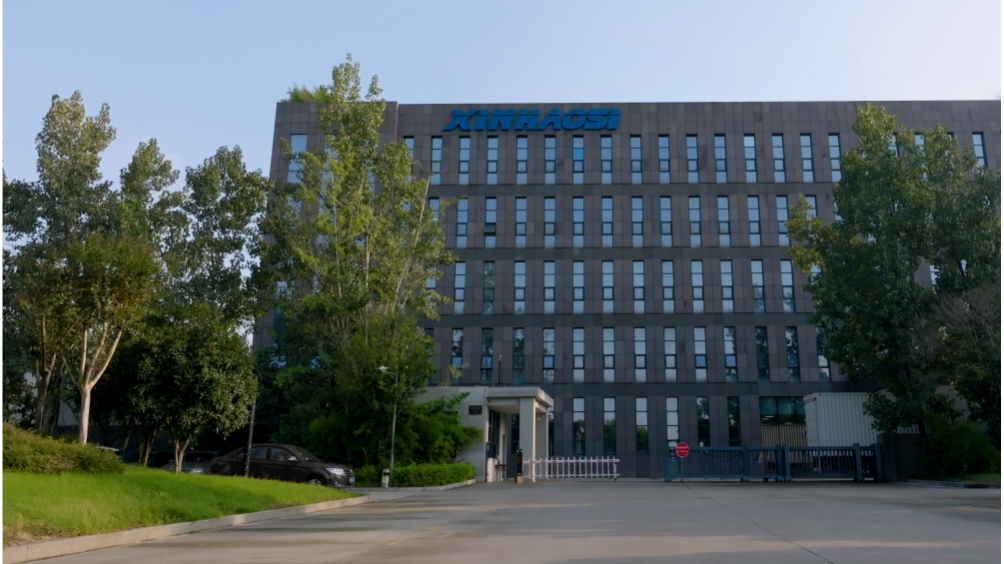
As a foundational developer of industrial safety instrumentation, Xinhaosi operates dedicated production bases, including the advanced Chengdu Factory & Office and the recently commissioned Deyang Factory. By scaling our output to tens of millions of units annually, we supply precision-grade toxic and combustible gas detectors, solenoid shut-off valves, and urban distribution safety networks to critical sectors including petrochemical refining, metallurgy, pharmaceutical manufacturing, and public utilities.
"Ensuring absolute reliability where human lives and capital assets intersect. Our CNAS accredited testing procedures verify that every gas detection system performs flawlessly when it matters most."

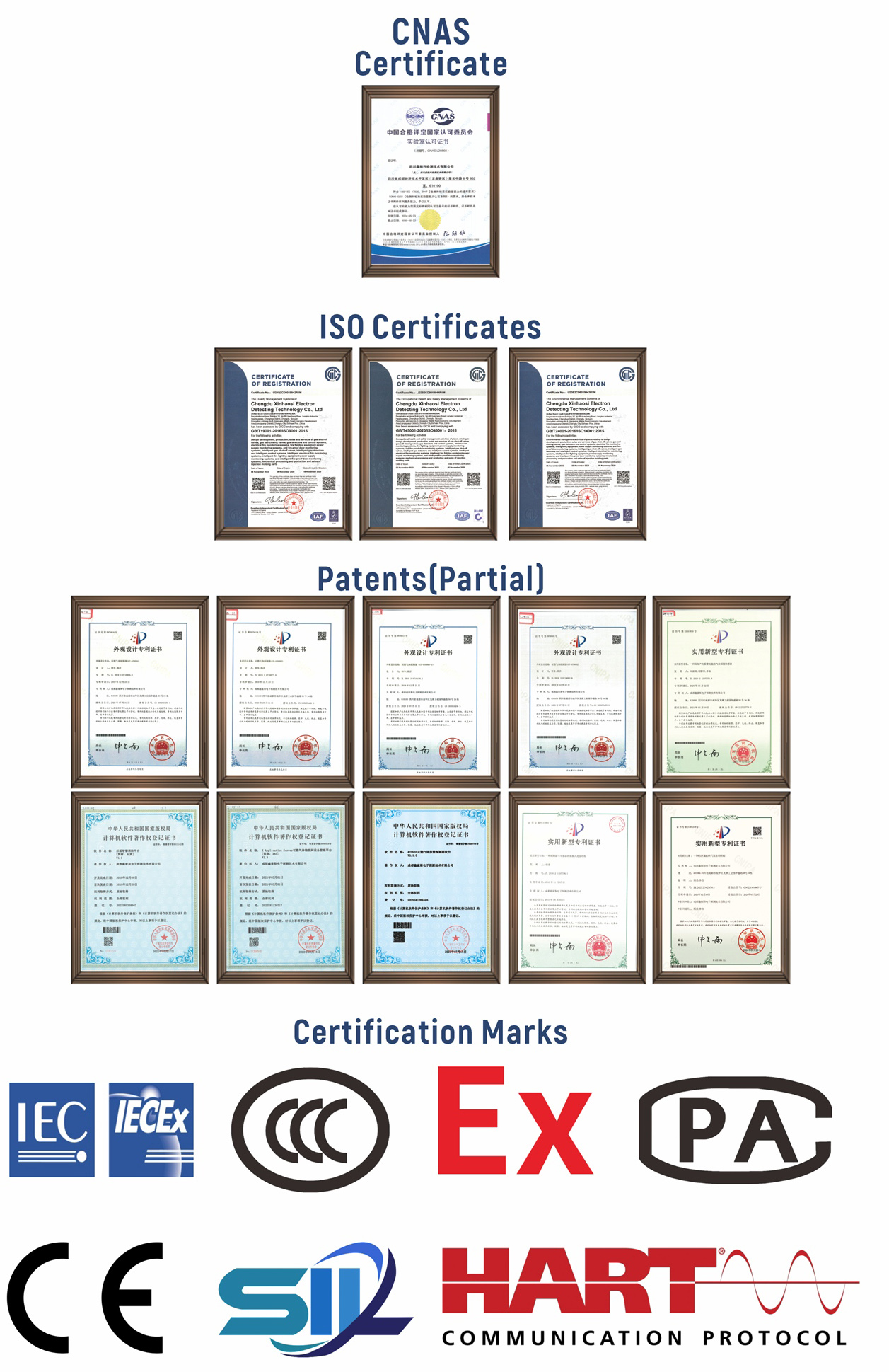
Compliance is the backbone of dangerous gas safety. Operating under strict alignment with ISO9001 Quality Management Standards, Xinhaosi designs and manufactures products certified under national compulsory frameworks, explosion-proof standards, and firefighting approvals. Our products are backed by the CPA (Pattern Approval of Measuring Instruments) certification, CE compliance, and SIL (Safety Integrity Level) safety ratings.
Our key asset is the in-house testing facility accredited by the China National Accreditation Service for Conformity Assessment (CNAS). Functioning under the global ILAC-MRA multilateral recognition framework and in full accordance with the international standard for calibration laboratories, ISO/IEC 17025, Xinhaosi provides traceable testing. For global OEM buyers, this means all test sheets, accuracy reports, and explosion-proof parameters carry international authority, facilitating regulatory acceptance in global markets.
Furthermore, Xinhaosi's technical leadership is proven by our active role as the primary drafting organization for Chinese national standards of gas safety solenoid valves. We currently hold more than 50 patents and software copyrights, including a graphical gas leak monitoring software framework that utilizes historical diagnostic data to reduce equipment failure profiles by over 30%.
Analyzing key shifts in industrial gas safety regulations, sensor technologies, and system integration strategies for global enterprise procurement specialists.
The industrial landscape is moving from standard catalytic beads to specialized Electrochemical (EC), Non-Dispersive Infrared (NDIR), and Photoionization Detectors (PID). This transition minimizes cross-sensitivity issues, prolongs sensor lifespans past 5 years, and helps facilities conform to increasingly tight Permissible Exposure Limits (PEL) for toxic compounds such as Hydrogen Sulfide (H2S), Carbon Monoxide (CO), Chlorine (Cl2), Ammonia (NH3), and Volatile Organic Compounds (VOCs).
Global procurement teams now require SIL-2 (Safety Integrity Level) ratings for toxic gas installations in hazardous locations. SIL-2 certified hardware features internal diagnostic systems that continuously monitor sensor health, signal pathway continuity, and alarm response times. This functional safety focus reduces systematic failures, protects personnel, and minimizes liability exposure in high-risk zones.
Safety isolation is shifting towards integrated digital ecosystems. Modern installations demand compatibility with Modbus RTU, HART, Foundation Fieldbus, and wireless frameworks (LoRaWAN, Industrial Wi-Fi). This connectivity links individual fixed transmitters to centralized DCS/PLC platforms and cloud-based IoT software, enabling real-time remote mapping, predictive drift calibration, and automated shutdown sequences via safety valves.
Custom industrial safety frameworks engineered to safeguard complex environments, mitigate gas exposure risks, and ensure regulatory compliance.
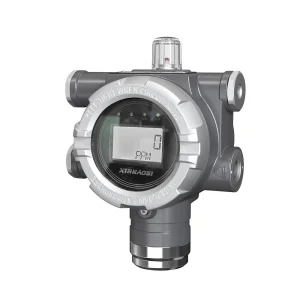
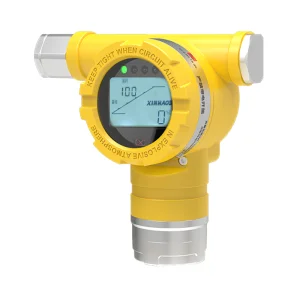
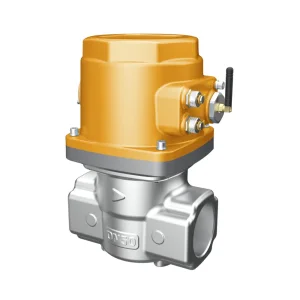
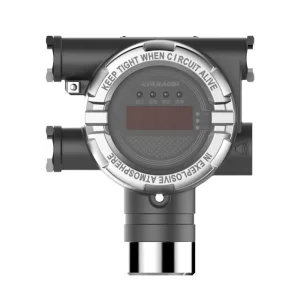
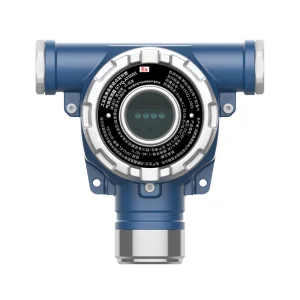
Refining oil and gas releases dangerous amounts of Hydrogen Sulfide (H2S), Sulfur Dioxide (SO2), and combustible hydrocarbons. Our solutions integrate explosion-proof point detectors (such as the XP4000P and AT0602) with high-output light and sound sirens (BJX-24E). This hardware connects directly to robust, normally-open solenoid shutoff valves, allowing control systems to isolate gas lines instantly when leak levels cross designated safety thresholds.
Confined spaces, sewer networks, and underground utilities often accumulate toxic gases like Methane (CH4), Carbon Monoxide (CO), and Hydrogen Sulfide. The GT-AT0617 Series Underground Shaft Combustible Gas Monitoring Device is designed specifically for these conditions, featuring IP66 ingress protection to resist water and dirt while providing continuous monitoring via low-power digital bus arrays.
Accumulating Carbon Monoxide (CO) and Nitrogen Dioxide (NO2) in underground parking garages presents serious health risks. Our dedicated AT2004BIV-CO Car Parks Carbon Monoxide Gas Detector controls ventilation systems based on carbon monoxide concentration curves, maintaining safe air quality levels while reducing facility energy consumption.
Lithium battery manufacturing and pharmaceutical formulation processes involve volatile solvents, toxic reagents, and explosive gases like Hydrogen (H2). Xinhaosi provides specialized electrochemical and PID monitoring transmitters that detect parts-per-million (PPM) concentrations without introducing contaminants into cleanroom environments.
A look at Xinhaosi's technology roadmap, highlighting smart safety valves, predictive maintenance, and IoT integration.
Xinhaosi is expanding its smart valve technology by integrating edge computing. These advanced AI Safety Valves process localized pressure and flow metrics directly at the valve. By monitoring real-time flow signatures against normal operating profiles, the valve can autonomously identify and isolate abnormal leaks before the gas ever reaches the sensor array.
Sensor drift remains a primary challenge in electrochemical sensing. Our future technical roadmap features firmware that monitors atmospheric temperature, relative humidity, and operating hours. By cross-referencing these variables with sensor performance curves, the system predicts calibration schedules, reducing false alarms and manual calibration costs.
To reduce setup costs, we are expanding our low-power wireless toxic gas transmitter family. Operating on battery-powered platforms, these wireless transmitters communicate via secure industrial protocols (like WirelessHART and ISA100.11a), providing reliable, cost-effective monitoring for large industrial sites.
A timeline detailing Xinhaosi's growth from a safety startup to an international industrial supplier.
Established on April 17, 2003. Launched the company's first generation of gas leak alarms and fire safety products, building a strong reputation for reliability in municipal markets.
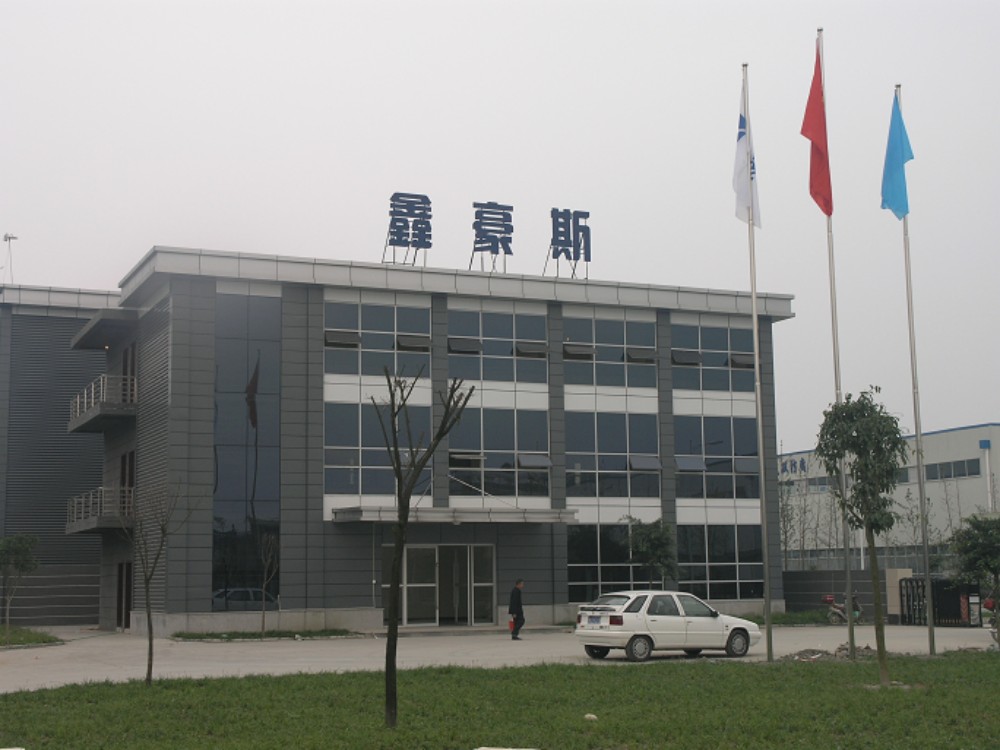
Expanded into gas safety valve production and OEM manufacturing. Relocated our corporate office to Longtan Industrial Park to support rising production volumes.

Achieved 10 million cumulative sales of gas detectors. Relocated to our primary Chengdu factory. Established a comprehensive service network across China and introduced fire power monitoring systems.
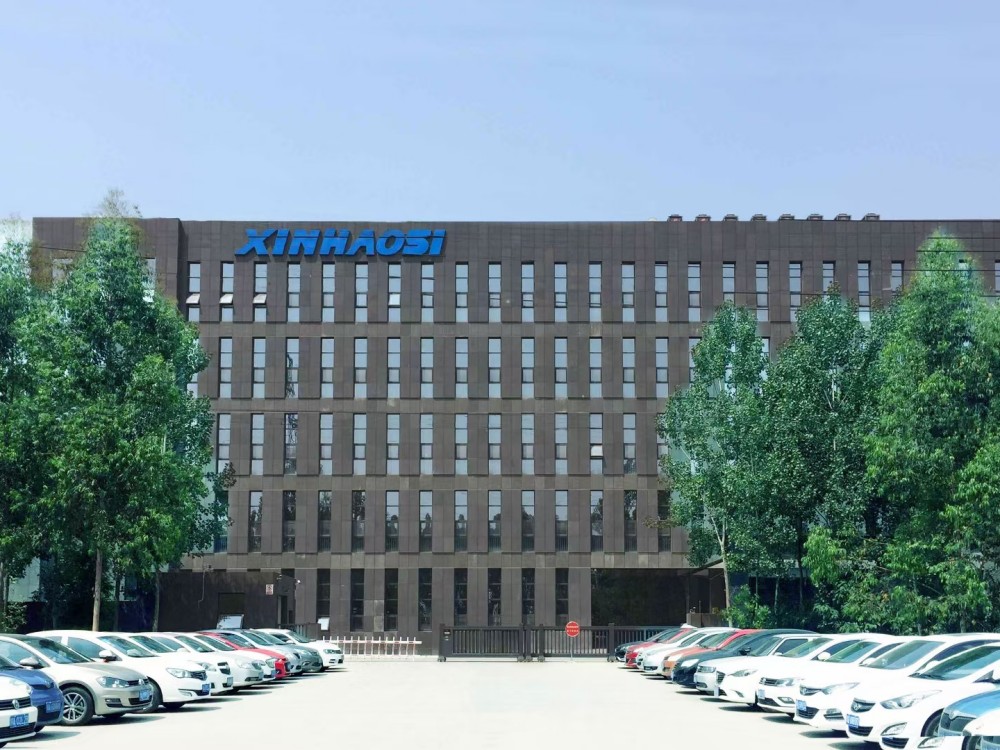
Launched our self-developed IoT platform. Expanded our product line with automated fire alarms and emergency evacuation systems. Certified as an official supplier to China's top five gas providers.
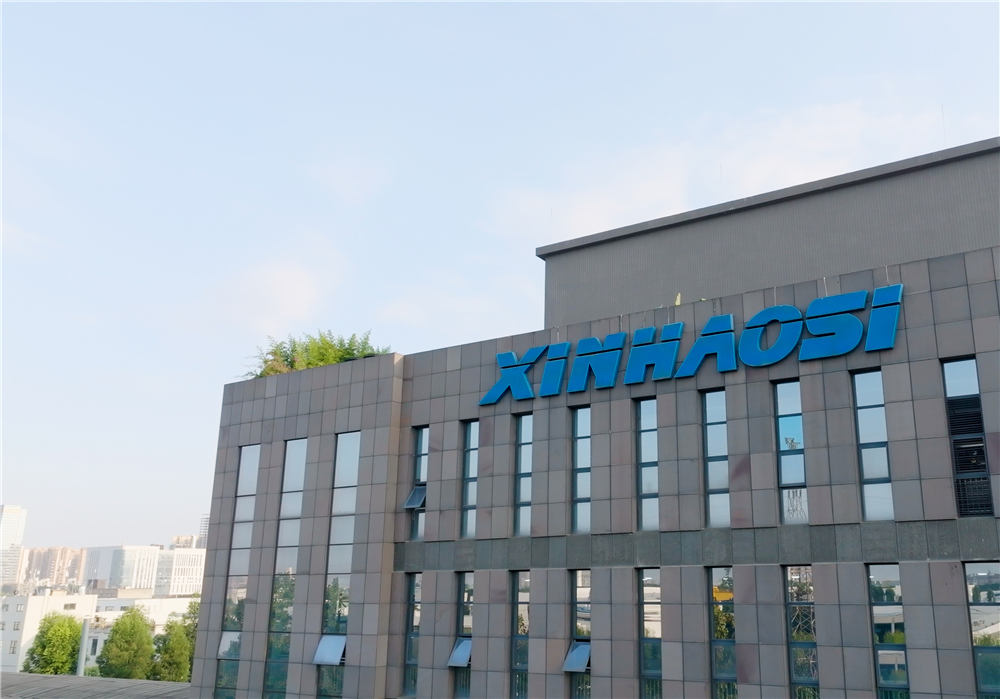
Began construction on the Deyang Factory. Created the specialized Petrochemical & International Business Division, and recognized as the Sichuan Provincial Technology Center.
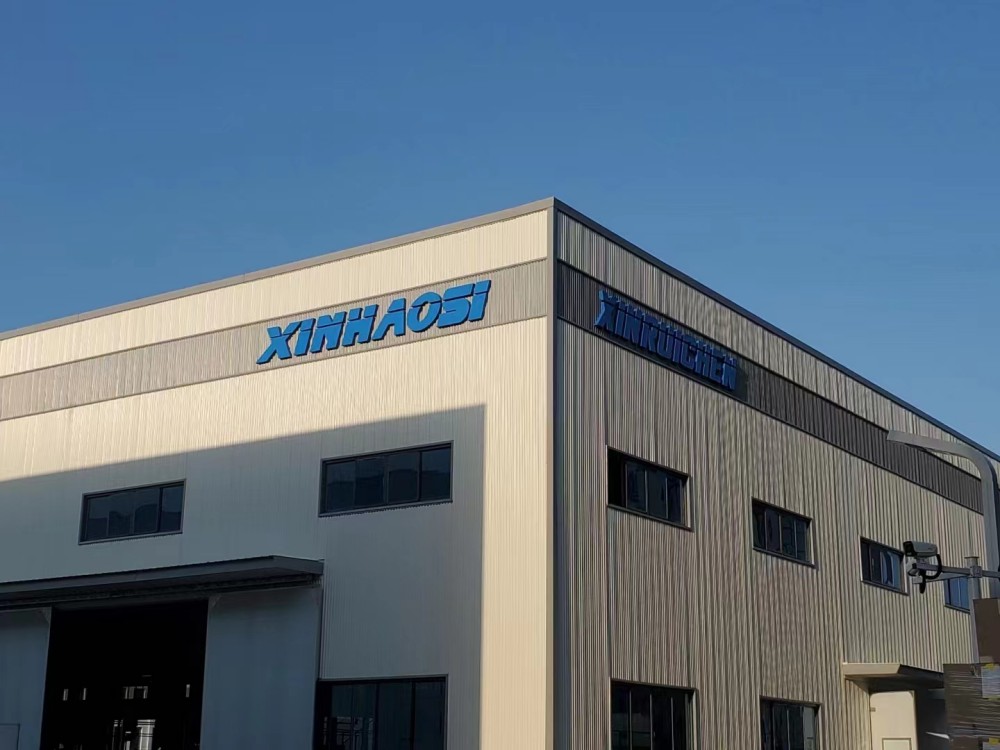
Began full operations at the Deyang Factory. Rolled out new urban gas network monitoring products, wireless transmitters, and smart AI gas safety valves.
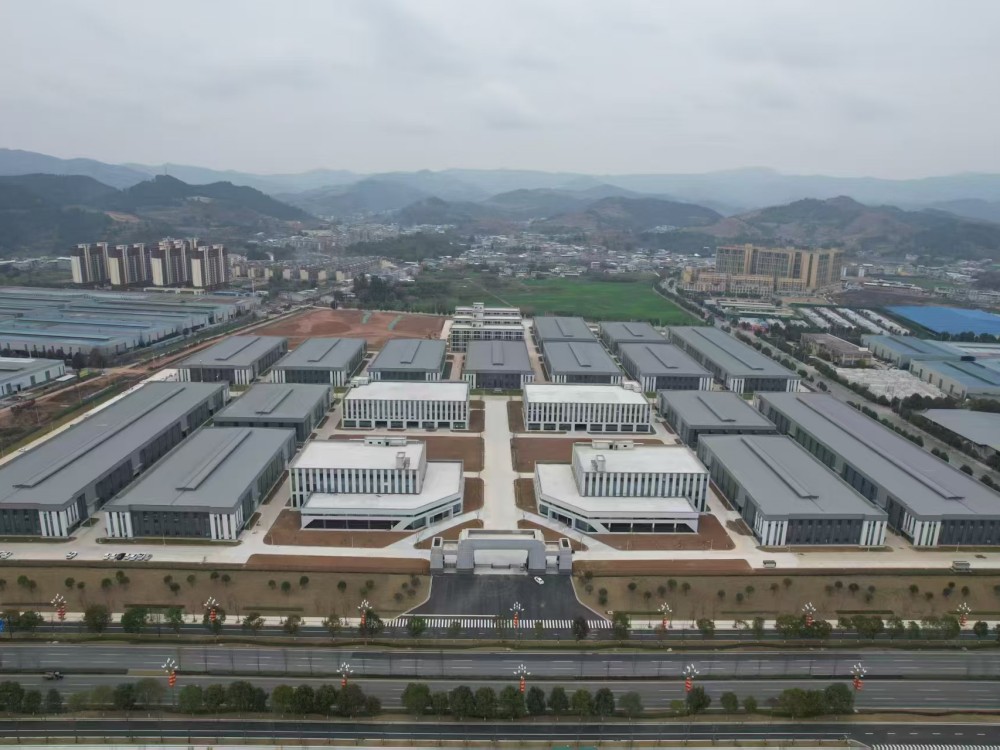
A step-by-step overview of how Xinhaosi converts specific enterprise needs into certified, field-ready safety instrumentation.
Xinhaosi's production facilities offer versatile customization paths for global safety brands, instrumentation distributors, and system integrators. Our OEM pipeline accommodates:
Through our CNAS-accredited calibration laboratory (ISO/IEC 17025), we provide comprehensive validation testing, including environmental chamber runs, vibration testing, and precise multi-point calibration procedures. We supply complete testing documentation with each shipment to verify compliance and simplify local customs clearance.
Additionally, our global logistics support coordinates necessary documentation and certifications (like hazardous area approvals and safety data sheets) to ensure smooth international transport and delivery directly to your distribution centers or field locations.
Get answers to technical questions about sensor calibration, functional safety, and custom OEM manufacturing.
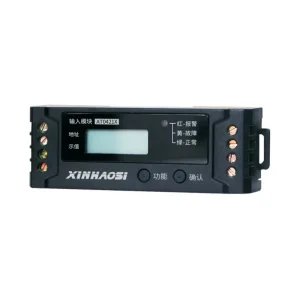
Browse our selection of toxic gas monitors, input devices, and specialized valve actuators designed for hazardous environments.