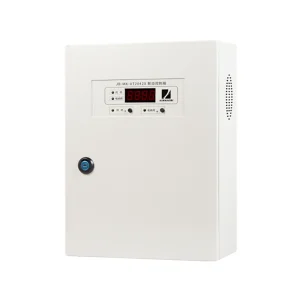

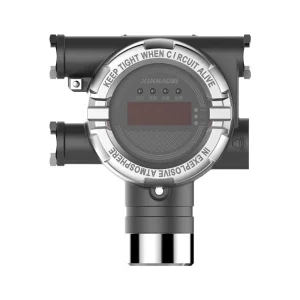

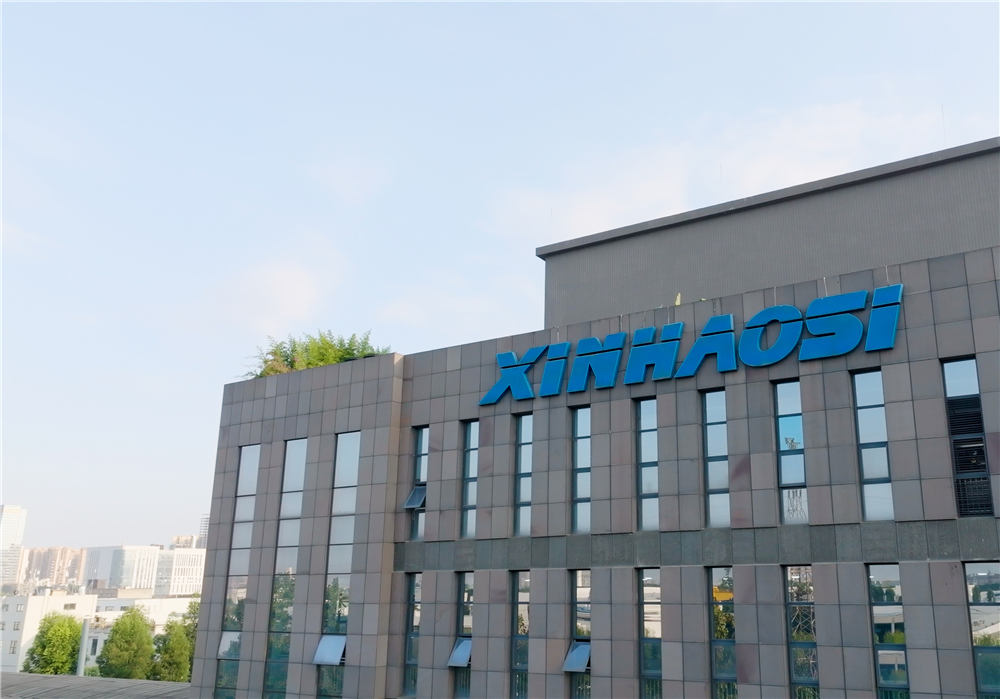
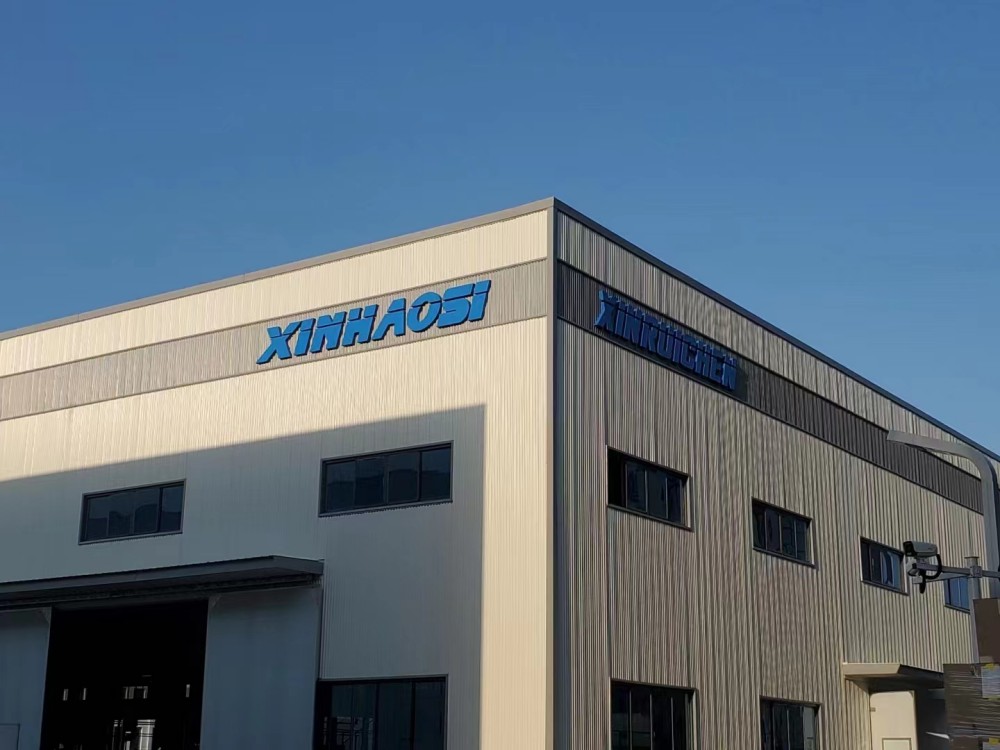
Chengdu Factory & Office

Deyang Factory
Founded in 2003, Xinhaosi is one of the most influential and trusted brands in the global gas safety industry. Over the past two decades, we have steadily built a robust and comprehensive production and service system, which integrates cutting-edge R&D, intelligent manufacturing with advanced automation equipment, digital marketing across global channels, professional after-sales support with an experienced technician team, flexible OEM/ODM services, as well as CNAS-Accredited laboratory calibration services that meet international standards.
Our diversified product portfolio covers industrial & residential gas detection & alarm systems, industrial & household gas solenoid valves, and urban gas pipeline network monitoring systems—all engineered to adapt to complex working environments and strict safety requirements. We produce and sell tens of millions of units annually, catering to a wide range of industries that demand reliable gas detection solutions, including oil & gas exploration and production, petrochemicals, urban gas distribution, automotive manufacturing, pharmaceuticals, new energy, steel production, and beverage processing.
Guided by the core mission of “Making Gas Safety Accessible Everywhere,” we consistently deliver high-performance, reliable products and customized solutions tailored to each client’s unique needs. Every item we manufacture undergoes rigorous quality control tests, and every service we provide is backed by our professional technical team, fully embodying our unwavering commitment to safeguarding gas safety across both industrial workplaces and residential environments, and striving to build a safer world with sustainable gas safety technologies.
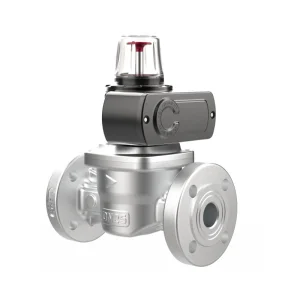
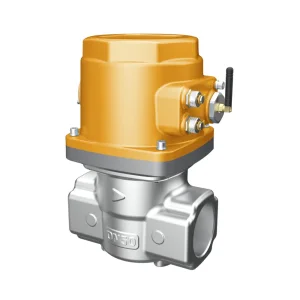
A gas solenoid shut-off valve is an electromechanical device designed to control the flow of gaseous media (such as natural gas, LPG, methane, or hydrogen) by rapidly closing in response to an electrical impulse or control signal. Structurally, it consists of two main components: the solenoid coil (electromagnet) and the valve body containing the orifice, piston, or diaphragm. In safety-critical systems, these valves serve as the final control element, sealing the piping within milliseconds of gas leak detection to prevent catastrophic fires, explosions, or toxic exposure.
In standard operations, solenoid shut-off valves are classified by their default states: Normally Closed (NC) and Normally Open (NO). Normally Closed valves require continuous electrical power to stay open, making them inherently fail-safe; if power is cut or a safety interlock trips, the valve automatically snaps shut via spring tension. Normally Open manual-reset valves, widely utilized in commercial and industrial settings, remain open without power and only shut down when they receive an electrical pulse from a detector or interlock controller. To reopen, they require a manual reset action—a deliberate design safety feature to ensure that gas flow cannot be resumed until technicians inspect the facility and verify the hazard has been cleared.
Key Design Metric: Fast-acting emergency shut-off valves must achieve a bubble-tight shutoff (Class VI sealing) within less than 1.0 second, with premium systems operating at under 100 milliseconds.
Sealing materials play a critical role in chemical compatibility and endurance. Standard gas valves utilize Nitrile Butadiene Rubber (NBR) for general gas lines due to its oil resistance, while Fluorocarbon (FKM/Viton) is selected for high-temperature and aggressive chemical environments. For hydrogen-blended networks, specialized synthetic rubbers are engineered to prevent gas permeation and explosive decompression. Understanding these materials is vital for engineers designing safety-instrumented systems (SIS) in heavy processing industries.
Regulatory frameworks such as ATEX in Europe, NEC in North America, and GB standards in China mandate explosion-proof designs for solenoid coils in hazardous zones. Industrial processes must verify safety integrity levels (SIL 2 or SIL 3) for safety loops, which heavily rely on highly reliable solenoid valves to mitigate systemic risks.
As gas grids globally transition to hydrogen-natural gas blends, solenoid shut-off valves must adapt to handle the unique physical properties of hydrogen. This includes lower molecular weight (higher risk of leakage), fast flame propagation, and metal embrittlement, requiring upgraded metallurgy and high-performance sealing.
Modern factories are upgrading traditional valves to intelligent IoT-enabled safety nodes. These valves feature real-time status feedback, flow monitoring, and coil temperature detection, enabling preventative maintenance and immediate remote intervention during emergency operations.
Rapid urban development places millions of households and commercial facilities close to high-pressure gas distribution networks. Automatic shut-off solenoids installed at gas meters or building entrance points are critical to preventing domestic disasters caused by earthquakes or gas main ruptures.
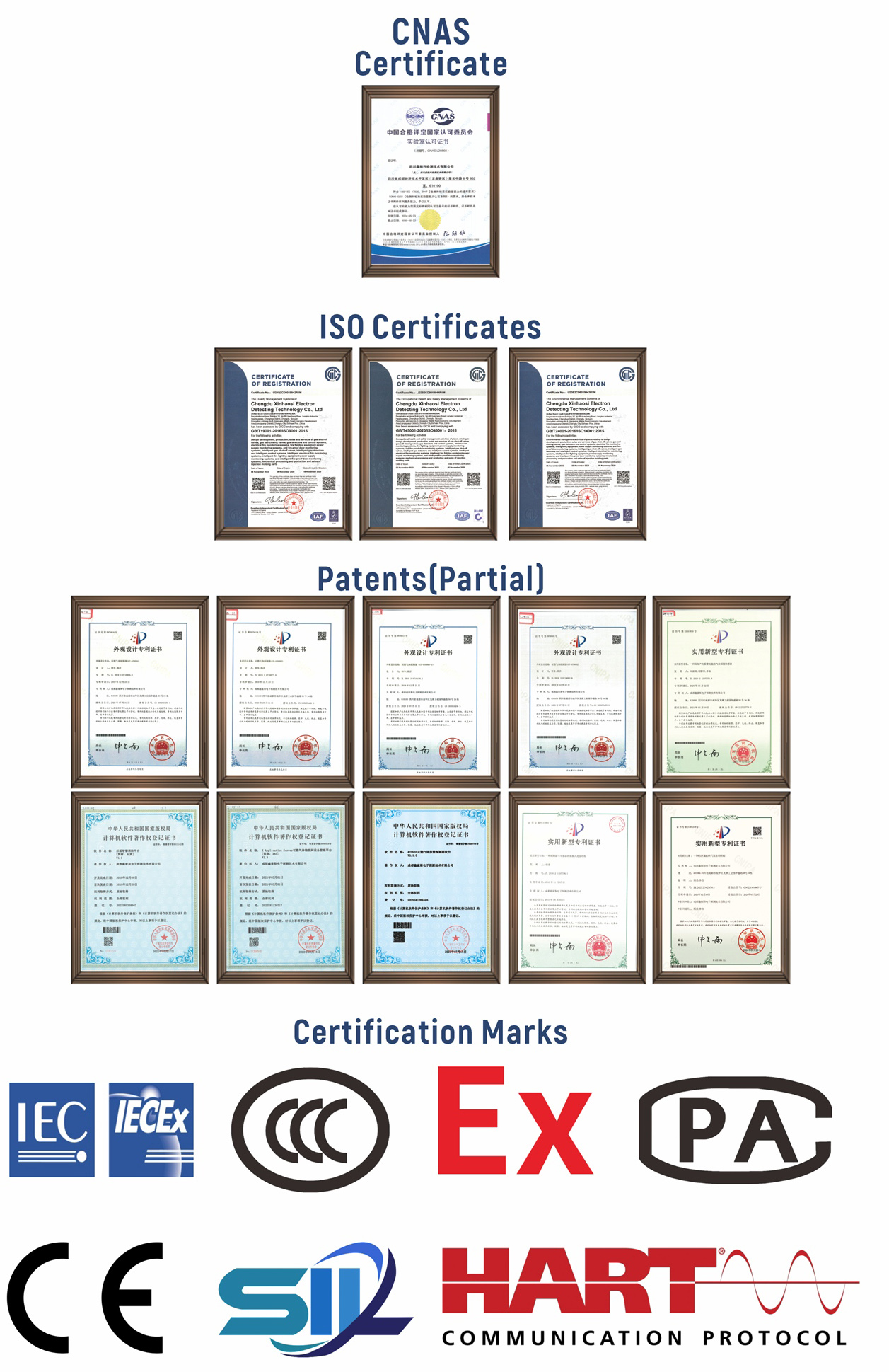
Adhering to ISO9001 quality management system standards, Xinhaosi's core products have obtained a full range of authoritative certifications, including national compulsory Products Certification, explosion-proof certification, fire product certification, CPA measurement instrument type approval certificate, and international approvals as CE, SIL. Additionally, Xinhaosi holds honors such as "National Quality Integrity Benchmark Enterprise" , "National Quality Leading Enterprise in the Gas Alarm Industry," member of the China Fire Protection Association, and the main drafting organization for the national standard of solenoid valves, further confirming its industry influence and reputation.
In the field of intellectual property, Xinhaosi has built a robust innovation system with over 50 patents and software copyrights . These patents cover core technological areas, including a graphical monitoring system for gas detection and alarm, which enables predictive maintenance based on historical data to reduce equipment failure rates by over 30%, and a solenoid valve with flow monitoring functionality that integrates flow detection and alarm capabilities . The company also pioneered China's first networked bus-type gas leakage monitoring system and the only maximum-point gas leakage monitoring system certified by the Ministry of Public Security, demonstrating its leading position in cutting-edge technological research.
Our in-house laboratory is accredited by the China National Accreditation Service for Conformity Assessment (CNAS), recognized both domestically and internationally under the ILAC-MRA framework. It operates in accordance with ISO/IEC 17025, the international standard for testing and calibration laboratories. It provides reliable and traceable testing services for gas detection and alarm products, solenoid valves, and related safety equipment. Test reports issued by the CNAS-accredited laboratory are widely accepted by regulatory authorities, certification bodies, and customers in China and overseas, helping to ensure product quality, safety compliance, and market access.
Chinese OEM solenoid shut-off valve manufacturers have moved beyond simple cost advantages to establish a sophisticated, highly resilient supply chain ecosystem. Sichuan and neighboring regions host extensive industrial clusters that cover raw copper refining, high-precision metal casting, spring steel fabrication, and advanced semiconductor manufacturing for control microchips. This vertical integration allows factories to secure components rapidly, drastically reducing lead times even during global supply line disruptions.
At Xinhaosi's Deyang and Chengdu manufacturing facilities, intelligent manufacturing is the cornerstone of daily operations. Automation lines execute precision winding of copper wire for solenoid coils, guaranteeing uniform electromagnetic performance and eliminating localized heat-up issues. CNC machining centers operate at tolerances measured in microns to craft the valve bodies, ensuring precise seating alignment that prevents leak paths. Additionally, automated optical inspection (AOI) and 100% pneumatic leak testing verify each valve against helium leak rates prior to packaging.
This massive manufacturing scale coupled with flexibility enables Chinese factories to offer unmatched OEM/ODM customization. Whether a client requires an unconventional thread connection (NPT, BSPT, Flanged), specific coil voltages (12VDC, 24VDC, 110VAC, 220VAC), or customized explosion-proof enclosure ratings (Ex d IIC T6 Gb), the engineering team can transition a custom design to mass production within weeks, maintaining strict compliance with international standards.
Installed at city gates, district regulating stations, and commercial complexes, large-bore solenoid shut-off valves act as the primary safety shield. Interlocked with pressure transmitters and seismic sensors, they instantly isolate pipeline segments during geological events or localized pipe bursts, protecting urban populations.
In high-temperature refineries and glass/steel manufacturing furnaces, gas supply lines operate under extreme pressures. High-durability industrial gas solenoid valves manage combustion loops, facilitating rapid safety purging and fuel shut-offs during burner flameouts to prevent explosive vapor accumulation.
For modern smart homes and commercial kitchens, space-saving domestic gas safety valves are coupled directly with methane or CO alarms. The valve is installed on the incoming line; upon detecting a trace leak, the alarm outputs a brief electrical impulse to trigger the shut-off valve, safeguarding the property.
Battery manufacturing plants and automotive paint booths utilize highly explosive volatile compounds. These facilities integrate gas shut-off valves directly into their emergency stop (E-stop) loops, guaranteeing that any process abnormality shuts down gas fuel and solvent feeds instantly.
The next decade of gas safety technology will be defined by digitization and green energy transitions. As a pioneering manufacturer, Xinhaosi has established a forward-looking technological roadmap to address these changing requirements:




Procuring solenoid valves for hazardous gas networks involves addressing complex technical compliance challenges. Xinhaosi ensures seamless integration by providing comprehensive engineering and certification support tailored to localized regulatory requirements worldwide.
Through our CNAS-accredited testing facility (under ILAC-MRA framework, running in full accordance with ISO/IEC 17025), we run complete verification programs for local certification demands. Whether you need documentation for European CE and SIL certifications, Russian EAC declarations, or regional civil defense safety approvals in the Middle East, our team supplies traceable and accredited testing data to expedite your local market access approvals.
Furthermore, our global support is backed by field application engineers ready to assist with sizing calculations (determining flow coefficient Cv values), piping design reviews, and interlock control configuration. This ensures the solenoid shut-off valve works harmoniously with PLC controllers, DCS systems, or localized gas sensors, eliminating unexpected system incompatibilities during commissioning.
Normally Closed (NC) valves require constant electrical power to remain open. In the event of a power outage or safety trip, they automatically return to their closed position, providing fail-safe protection. Normally Open (NO) manual reset valves remain open without consuming power and only close when an electrical pulse is sent from a gas alarm or safety switch. NO valves require a technician to manually pull the reset lever to reopen them, ensuring that gas supply cannot be resumed until the area has been inspected and cleared of safety issues.
SIL certification (IEC 61508) quantifies the reliability of safety-related systems. A SIL 2 or SIL 3 rating guarantees that the solenoid shut-off valve has met strict criteria for probability of failure on demand (PFD) and hardware fault tolerance. This is critical for industrial applications where failure to shut down during gas leaks could result in severe explosions or fires.
Standard solenoid valves are not suitable for high-ratio hydrogen lines due to risk of hydrogen embrittlement in the metal and gas leakage through common elastomeric seals. Valves for hydrogen services must utilize specialized stainless steel or copper alloys and high-density synthetic rubbers tested specifically for hydrogen permeation.
Xinhaosi's laboratory complies with ISO/IEC 17025. We carry out high-precision tests including helium leakage testing, flame-retardant evaluations, high/low-temperature environmental chamber operations, coil endurance testing, and electrical stress analysis. Test reports are widely recognized internationally via the ILAC-MRA network.
We provide full customization, including custom branding, tailored flow coefficients (Cv), custom thread standards (NPT, G, BSPT, Flanged), specific coil voltages (DC12V, DC24V, AC220V), and specialty materials for aggressive environments.