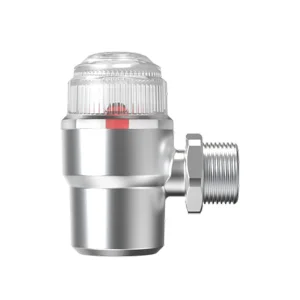
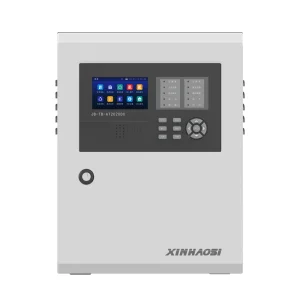
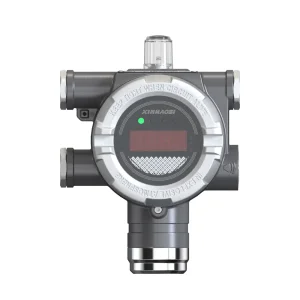
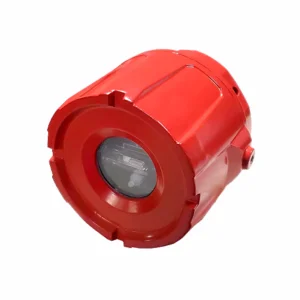
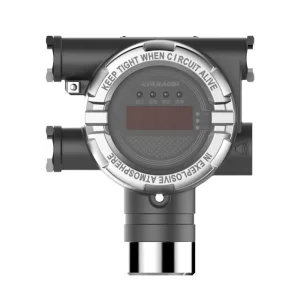
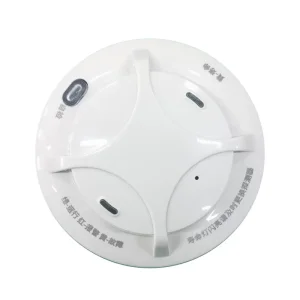
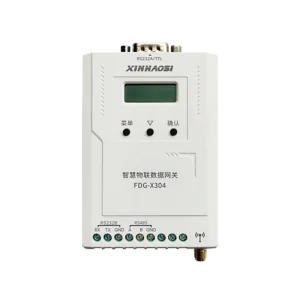
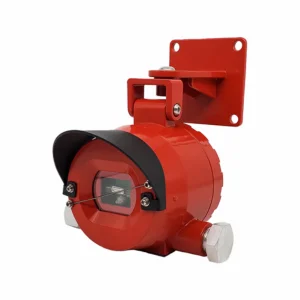
Deploying robust pressure diagnostics and automated shut-off sequences is critical to pipeline integrity. Explore our primary industrial product array:
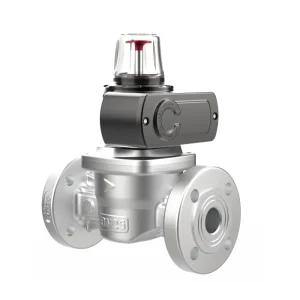
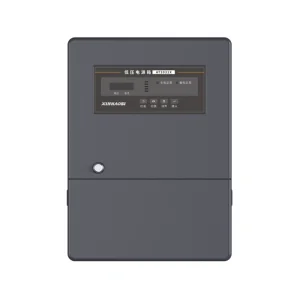

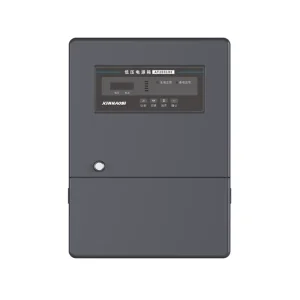

Founded in 2003, Xinhaosi is one of the most influential and trusted brands in the global gas safety industry. Over the past two decades, we have steadily built a robust and comprehensive production and service system, which integrates cutting-edge R&D, intelligent manufacturing with advanced automation equipment, digital marketing across global channels, professional after-sales support with an experienced technician team, flexible OEM/ODM services, as well as CNAS-Accredited laboratory calibration services that meet international standards.
Our diversified product portfolio covers industrial & residential gas detection & alarm systems, industrial & household gas solenoid valves, and urban gas pipeline network monitoring systems—all engineered to adapt to complex working environments and strict safety requirements. We produce and sell tens of millions of units annually, catering to a wide range of industries that demand reliable gas detection and pressure monitoring solutions.
Guided by the core mission of “Making Gas Safety Accessible Everywhere,” we consistently deliver high-performance, reliable products and customized solutions tailored to each client’s unique needs. Every item we manufacture undergoes rigorous quality control tests, and every service we provide is backed by our professional technical team, fully embodying our unwavering commitment to safeguarding gas safety across both industrial workplaces and residential environments.
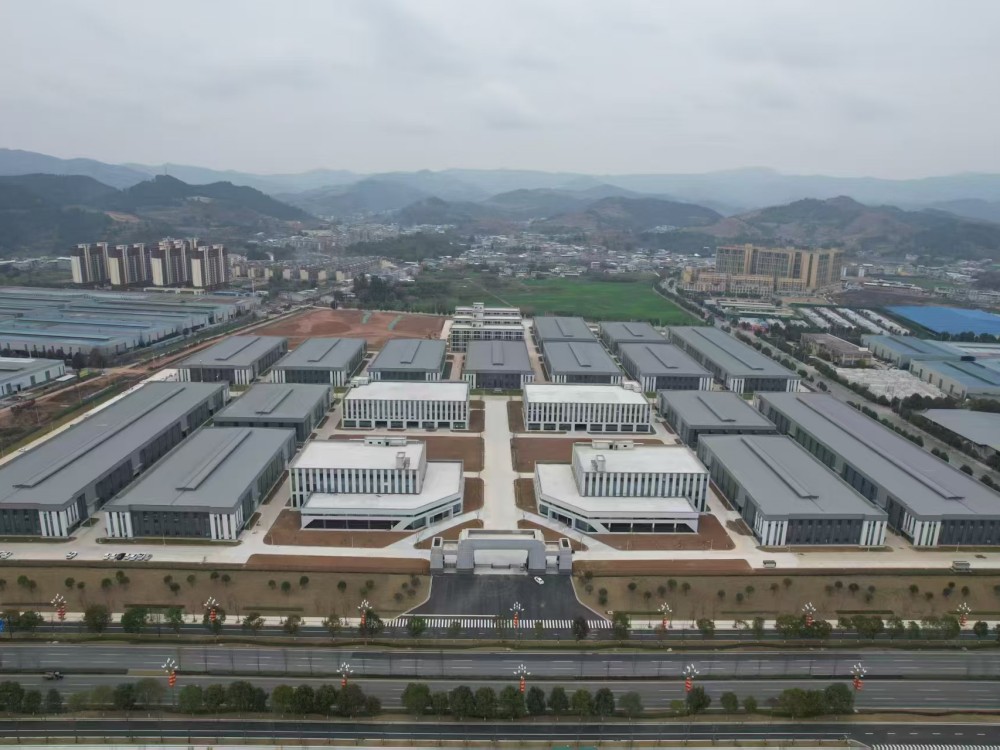
Our advanced operations span multiple high-tech locations, allowing us to maintain direct oversight of quality and production volume:
 Chengdu Headquarter & Office Facility
Centered around R&D innovation, electrical safety system integration, and global distribution management.
 Deyang Precision Valve & Gas Detection Factory
Equipped with high-precision machining centers, automated coil winding lines, and heavy-duty calibration benches.
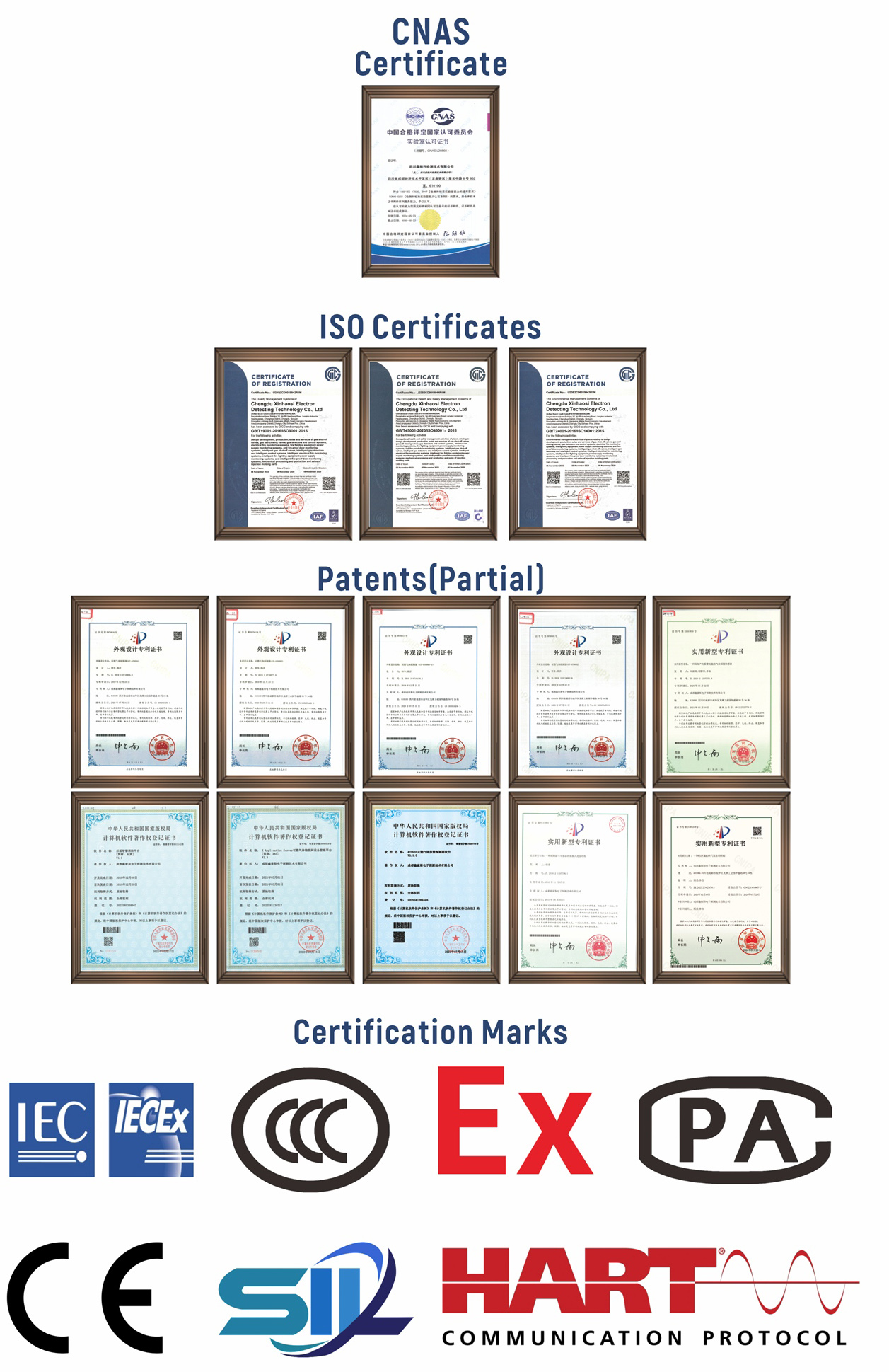
Adhering to ISO9001 quality management system standards, Xinhaosi's core products have obtained a full range of authoritative certifications, including national compulsory Products Certification (3C), explosion-proof certification, fire product certification, CPA measurement instrument type approval certificate, and international approvals such as CE and SIL (Safety Integrity Level). Additionally, Xinhaosi holds honors such as "National Quality Integrity Benchmark Enterprise", "National Quality Leading Enterprise in the Gas Alarm Industry," member of the China Fire Protection Association, and the main drafting organization for the national standard of solenoid valves, further confirming its industry influence and reputation.
In the field of intellectual property, Xinhaosi has built a robust innovation system with over 50 patents and software copyrights. These patents cover core technological areas, including a graphical monitoring system for gas detection and alarm, which enables predictive maintenance based on historical data to reduce equipment failure rates by over 30%, and a solenoid valve with flow monitoring functionality that integrates flow detection and alarm capabilities. The company also pioneered China's first networked bus-type gas leakage monitoring system and the only maximum-point gas leakage monitoring system certified by the Ministry of Public Security.
Our in-house laboratory is accredited by the China National Accreditation Service for Conformity Assessment (CNAS), recognized both domestically and internationally under the ILAC-MRA framework. It operates in accordance with ISO/IEC 17025, the international standard for testing and calibration laboratories. It provides reliable and traceable testing services for gas detection and alarm products, solenoid valves, and related safety equipment. Test reports issued by the CNAS-accredited laboratory are widely accepted by regulatory authorities, certification bodies, and customers in China and overseas, helping to ensure product quality, safety compliance, and market access.
As the lead drafting entity for national solenoid valve safety guidelines, we establish the baseline parameters for leak tightness, response delays, and pressure set-points. Our engineers consult directly with global EPCs to align factory calibrations with local regulatory requirements.
The safety valve industry is transitioning from purely mechanical, reactive overpressure mechanisms to smart, interconnected monitoring networks. By merging mechanical valve design with artificial intelligence, we are shaping the next generation of safe process infrastructure.
Integrating real-time pressure transducers and temperature sensors within the solenoid valve envelope. By feeding data to the edge controllers, our valves predict mechanical fatigue, spring relaxation, or seat corrosion, reducing unplanned down-time by up to 35%.
Our next-generation safety platforms utilize LoRaWAN and NB-IoT protocols. This permits massive distributed monitoring across municipal gas pipelines and remote petrochemical wells without the prohibitive cost of physical field cabling.
To combat greenhouse gas leaks, we are refining bellows-seal safety valves and bubble-tight magnetic solenoid shut-offs. Engineered to provide zero leakage under high static pressures, supporting global Net-Zero initiatives.
Industrial gas safety cannot rely on piecemeal components. It requires complete loop ecosystems that bind gas concentration analysis, low-voltage power distribution, smart gateways, and mechanical relief valves into unified industrial defenses.
In upstream exploration and refining, fluid pressures fluctuate violently. Our explosion-proof transmitter arrays work in parallel with fast-acting solenoid valves to isolate downstream machinery within milliseconds of pressure anomalies. Corrosive media such as H2S demand our NACE-compliant stainless steel materials to combat stress-corrosion cracking.
Urban gas distribution utilizes our bus-type networked gas leak detection monitors. Integrating directly with mechanical cut-off valves installed at city gate stations, the network automatically stops fuel flow when building sensors register concentrations above 5% LEL, preventing catastrophic urban incidents.
Battery manufacturing processes produce VOCs and require inert nitrogen blanketing. Our AT0602 sensors monitor oxygen deprivation and toxic emissions, while localized low-voltage power boxes (AT2031X series) guarantee continuous safety power even during grid drops.
Furnace burner lines require double block-and-bleed configurations with high-temperature solenoid valves and flame detectors. The IFD2020 single UV detector ensures prompt burner ignition validation, instantly shutting the safety solenoids if pilot flames vanish.
Operating two state-of-the-art facilities in Chengdu and Deyang, Xinhaosi implements localized vertical integration. From initial raw brass forge testing to precision copper coil winding and final helium-leak testing, every manufacturing step happens in-house. This prevents critical component delays typical of outsourced models.
By deploying ERP-integrated MES (Manufacturing Execution Systems), our production planning dynamically responds to custom OEM orders. Our Deyang plant focuses on heavy industrial solenoid valve castings and machining, utilizing multi-axis CNC machines to achieve tight geometric tolerances (under 5 microns) on valve seats—the single most critical element for ensuring bubble-tight shut-off.
Our strategic location in Southwest China grants access to high-efficiency supply networks, lowering transport overhead and reducing standard OEM lead times by 20% compared to traditional manufacturers.
For purchasing officers and pipeline engineers looking to source OEM safety pressure valves, verifying the exact technical specs is paramount. Ensure your RFQ includes these criteria:
Clearly define operating, design, and set pressures. Choose appropriate spring ranges to prevent flutter. Specify fluid chemistry (natural gas, H2, biogas) to select matching elastomers (NBR, Viton, EPDM).
Ensure the factory holds local regulatory compliance. Look for CPA (Pattern Approval), CE/PED for European projects, and SIL-2/SIL-3 rating certificates for safety Instrumented Systems (SIS).
For solenoid valves, select voltage (24VDC, 220VAC), connection types (Explosion-proof gland, junction box), and explosion classification requirements (Ex d IIC T6 Gb vs. standard zones).
A timeline tracking our transformation from a regional startup to a national standard-setter.
Established on April 17, 2003. Launched our first generation of gas leak alarms and basic firefighting products.
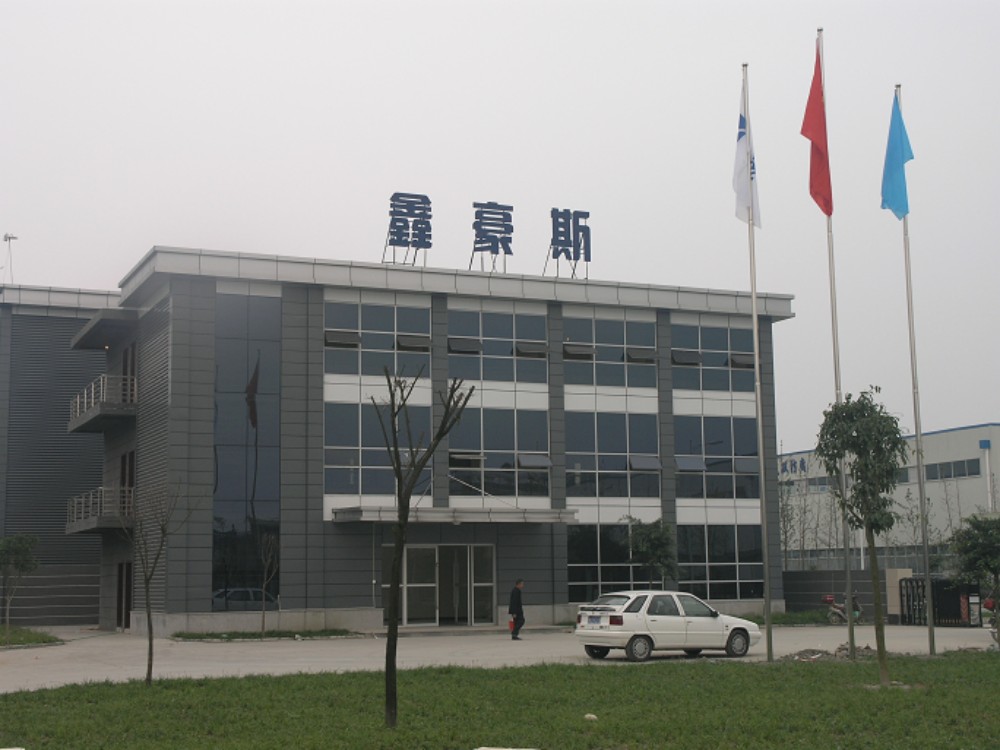
Began gas safety valve production. Expanded our OEM client portfolio and relocated to Longtan Industrial Park.

Reached 10 million cumulative gas detector sales. Moved to Chengdu manufacturing facility. Launched power monitoring systems.
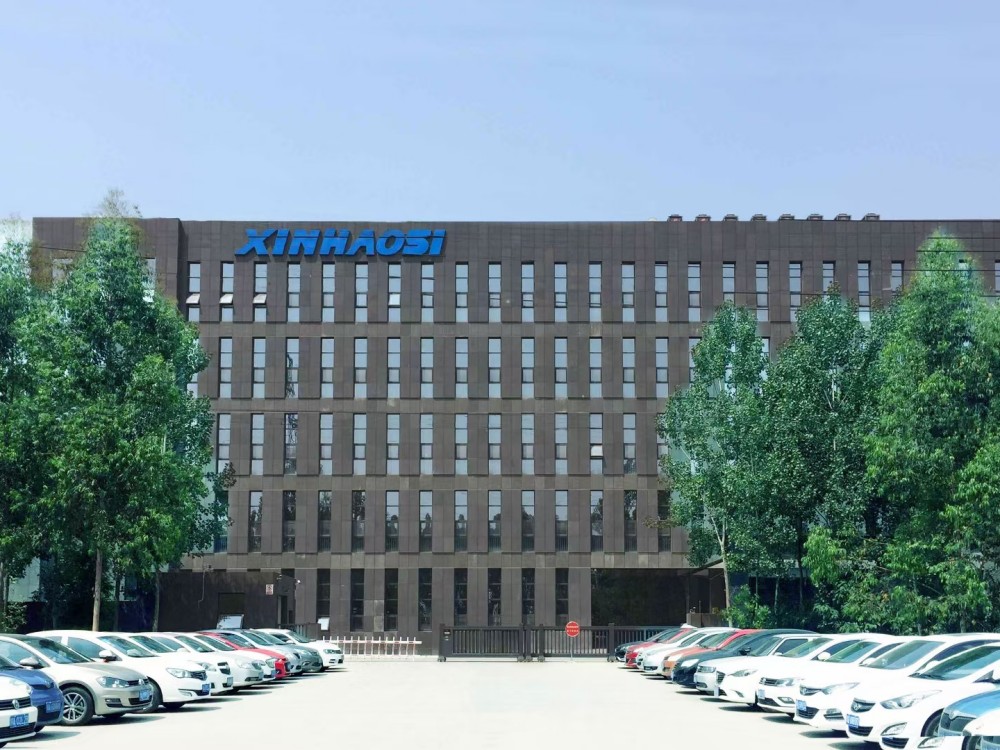
Developed in-house IoT cloud safety platform. Awarded High-Tech Enterprise status. Appointed supplier for China's top-tier gas providers.
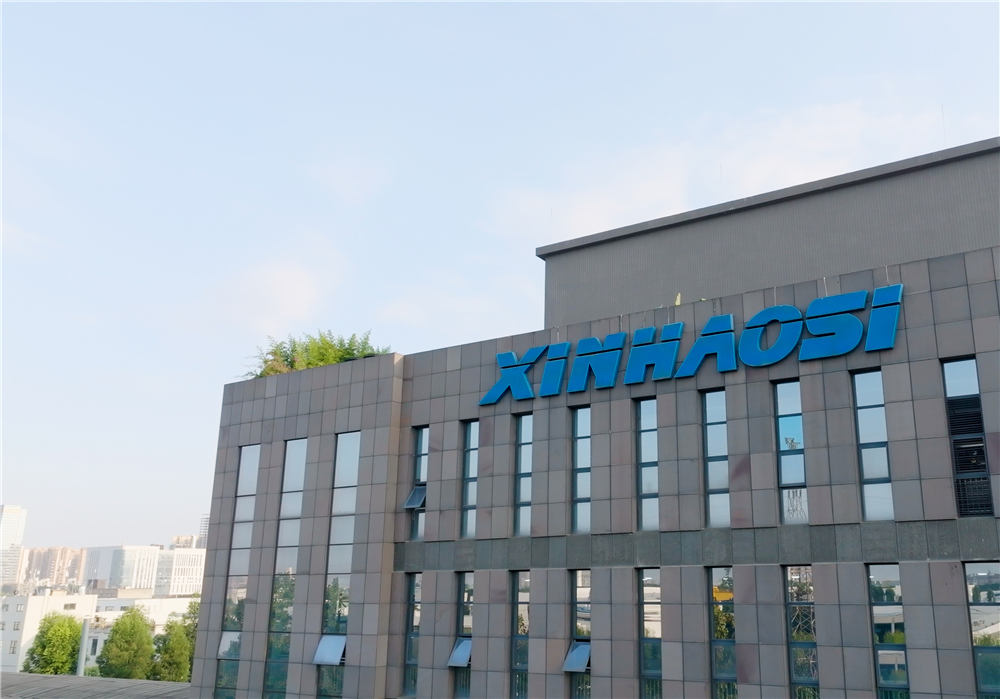
Began construction of the Deyang smart industrial complex. Formed Petrochemical & International Business Division.
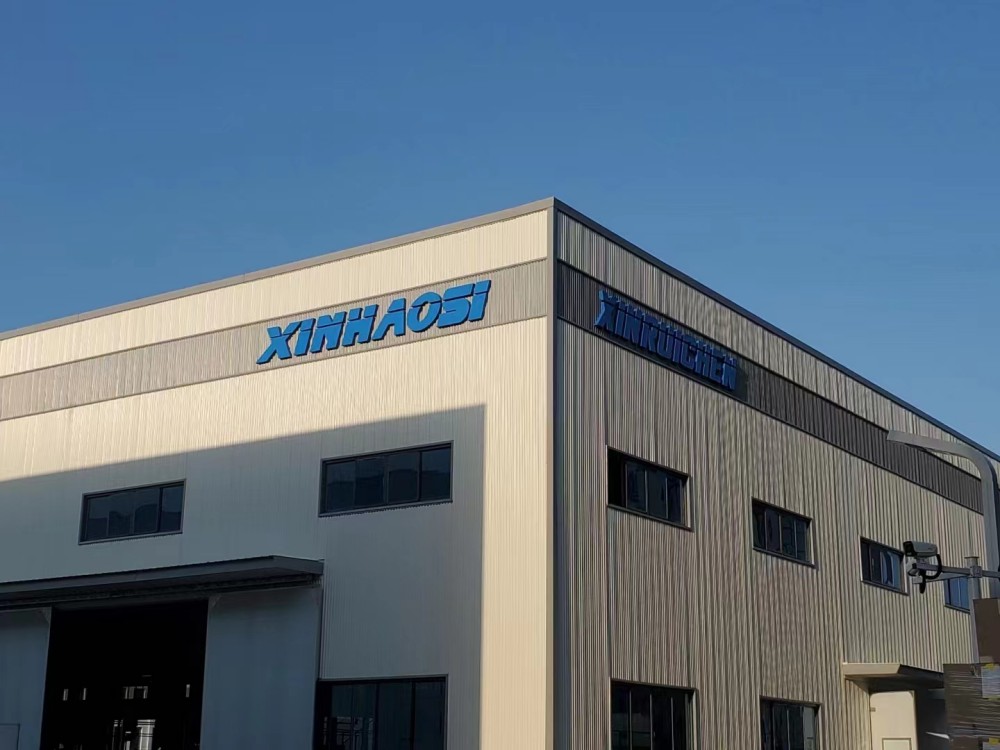
Completed Deyang factory integration. Launched AI safety valve systems and advanced wireless gas detection instruments.
Common technical inquiries regarding valve calibrations, sensor diagnostics, and plant safety systems.
A mechanical pressure relief valve (PRV) operates entirely on fluid dynamics—opening automatically when internal pipeline pressure exceeds the spring resistance. Conversely, a gas safety shut-off solenoid valve (such as the KT-XF5 Series) is an electrical actuation system. It remains open via magnetic hold and trips shut instantly when receiving an electrical signal from gas detectors, fire alarms, or remote emergency stop switches, isolating the system before overpressure or combustion occurs.
CNAS accreditation guarantees that the testing and calibration procedures conform strictly to ISO/IEC 17025. This ensures that every measurement—from spring tension forces to leak rates under helium tests—is traceable to international standards. It reduces calibration errors, ensures global market compliance, and guarantees that the set pressures defined by client specifications match actual valve performance in the field.
By feeding live operational readings (temperature, ambient gas concentrations, and valve cycle frequency) into our proprietary monitoring platform, our software runs diagnostic algorithms on historical degradation curves. The system spots early trends—like minor solenoid coil resistance changes or small sensor drifts—allowing plant managers to schedule proactive maintenance before the device fails completely.
Devices in flame-prone zones must carry robust explosion-proof certifications (such as ATEX, IECEx, or national 3C equivalents). For gas detector controllers and solenoid casings, ratings like "Ex d IIC T6" prove that the electrical housing can withstand internal gas explosions without igniting the surrounding hazardous atmosphere.
Yes. Through our specialized OEM/ODM services, we modify valve body materials and internal seal compositions. For hydrogen mixtures, we utilize high-tensile steels and specialized elastomers to prevent hydrogen embrittlement and micro-leaks, ensuring complete seal integrity.
Integrating signaling systems, dual flame detectors, and IoT smart gateways to provide full-site protection loops: