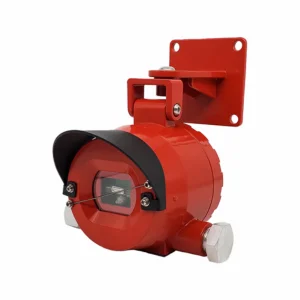

Founded in 2003, Xinhaosi is recognized as a leading global designer, manufacturer, and supplier of advanced fluid control technologies and gas safety monitoring systems. Over the course of more than two decades, we have engineered a state-of-the-art intelligent manufacturing platform. This infrastructure seamlessly integrates precision raw-material casting, automated CNC machining of NPT (National Pipe Thread) connections, digital micro-assembly, and comprehensive quality assurance testing protocols.
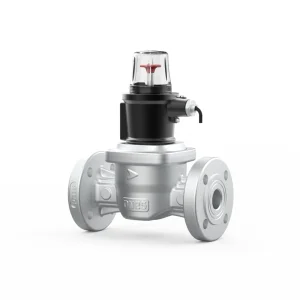
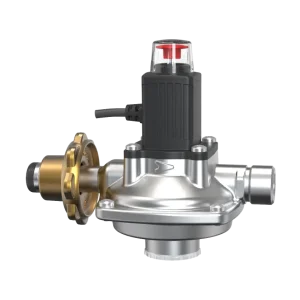
Our OEM NPT valve portfolio represents the pinnacle of high-accuracy threaded connection engineering. We design and manufacture specialized solenoid valves, pressure regulators, and pipeline safety shut-off systems that comply with standard North American and global pressure dynamics. Operating with a core objective of "Making Gas Safety Accessible Everywhere," we deliver highly customized flow control systems that easily withstand the demanding environments found in petrochemical processing plants, automotive facilities, utilities networks, and municipal distribution pipelines.
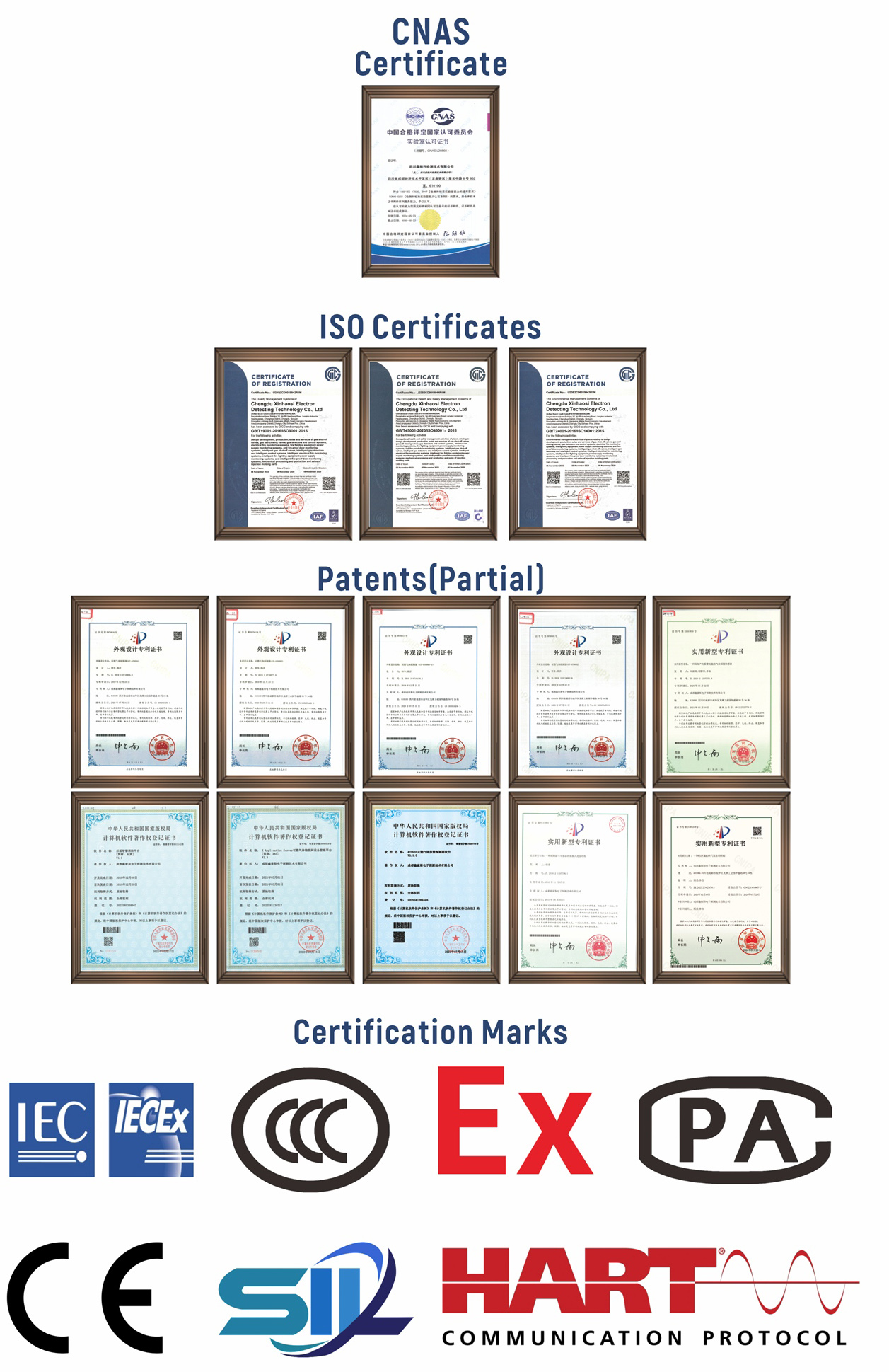
By using CNAS-accredited calibration laboratories and adherence to ISO/IEC 17025 standards, Xinhaosi ensures that every valve conforms to strict international compliance frameworks. We provide our global partners with reliable products certified to CE, SIL, and explosion-proof requirements. This guarantees long-term durability and safety for critical processes.
In standard gas safety, fuel regulation, and high-pressure fluid transfer, the connection's integrity is critical. Our OEM Npt Valve Manufacturer capabilities focus on the ANSI/ASME B1.20.1 standard. This standard requires a tapered thread profile (1 in 16 taper ratio) that establishes a mechanical lock. This configuration creates a reliable metal-to-metal seal by slightly deforming the mating threads during torque application.
To eliminate leak paths in volatile environments, our engineers construct valve bodies using materials like high-grade forged brass, corrosion-resistant 316 stainless steel, and low-copper cast aluminum alloys. We implement strict micro-machining processes to control the pitch, thread depth, and crest-root truncation. This level of control reduces dependence on thread sealants and ensures consistent seal integrity, even during thermal expansion cycles.
Xinhaosi's technical roadmap leads the transition toward digitalized flow ecosystems. Our latest generations of solenoid valves feature integrated flow monitoring and real-time diagnostic systems. These smart assemblies use digital bus communication protocols to report critical performance data back to centralized control units. This enables remote diagnostics and predictive maintenance, reducing overall pipeline down-time by up to 30%.
Our OEM NPT valves are engineered for diverse localized applications globally. In North America, NPT threads are the industry standard for residential gas safety, municipal utility lines, and heavy-duty petrochemical facilities. The tapered thread configuration provides reliable sealing against volatile organic compounds (VOCs) and highly pressurized combustible gases. In automotive manufacturing and pharmaceutical labs, our NPT-compatible gas solenoid valves integrate into gas delivery networks, enabling quick shut-off capabilities during anomalies.
Xinhaosi's manufacturing network is located in the industrial hubs of Chengdu and Deyang. This location provides access to localized supply chains for raw materials and machining tools, allowing us to maintain competitive lead times without sacrificing quality. Our factories feature advanced horizontal CNC centers, automated thread verification instruments, and high-pressure pneumatic test fixtures. This vertical integration allows us to quickly scale production for high-volume OEM projects, ensuring timely delivery for global client schedules.
Operating a CNAS-accredited calibration laboratory allows us to self-certify product performance under extreme scenarios. Our NPT valves undergo rigorous testing for burst pressure, cycle life, thermal endurance, and material composition verification. We design our valves to meet ASME, CE, SIL, and national explosion-proof standards, ensuring they comply with local safety regulations. This technical foundation ensures that our products meet the quality demands of high-risk operating environments.

The valve manufacturing industry is evolving through advancements in automation and digitalization. Xinhaosi's technology roadmap focuses on three core pillars:
By combining physical mechanical reliability with modern digital tools, we help our partners optimize system safety and improve long-term operational efficiency.
Company Foundation & Initial R&D: Established on April 17th, 2003. We developed and launched our first-generation gas leak alarm and fire protection products, establishing our foundation in the gas safety industry.
Expansion of OEM Valve Manufacturing: Initiated production of gas safety valves and expanded our OEM/ODM partnership network. We relocated our operations to the Longtan Industrial Park office facility to accommodate growing production requirements.
Scale & Operational Growth: Reached a production milestone of 10 million gas detector units sold. We relocated to our dedicated Chengdu factory, expanded our sales and service network across China, and launched fire power monitoring systems.
IoT Platform Integration: Launched our proprietary cloud-based IoT gas safety monitoring platform. Introduced automated fire alarm and emergency evacuation systems, secured our national high-tech enterprise certification, and became a qualified supplier to major national gas companies.
Infrastructure Upgrades: Began construction on the Deyang manufacturing facility. Established our specialized Petrochemical & International Business Division to support global projects and received the Sichuan Provincial Technology Center designation.
Next-Generation AI Valves & Systems: Completed construction and began operations at the Deyang factory. Launched our updated urban pipeline monitoring systems, wireless detection networks, and AI-enabled smart safety shut-off valves.