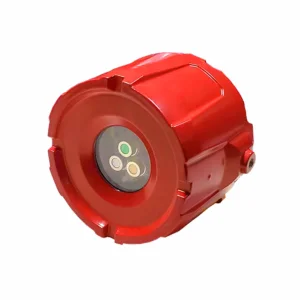
Explore our flagship industrial-grade gas detectors, safety control panels, and automation infrastructure components.
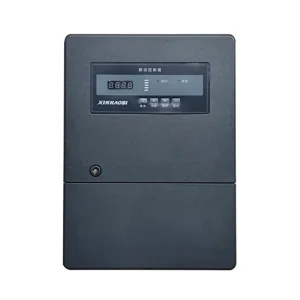
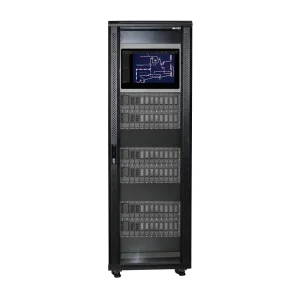
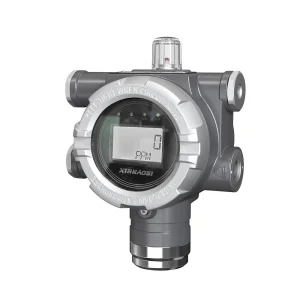
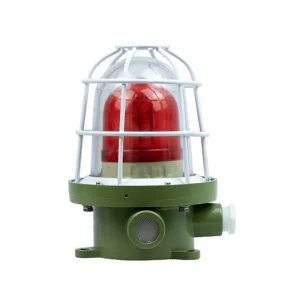
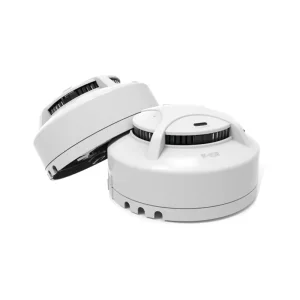
Providing high-performance, precision flow control systems and emergency safety solutions under stringent global standards.
In modern industrial, commercial, and residential energy ecosystems, natural gas remains a cornerstone fuel source. However, the safe storage, transportation, and combustion of gas systems require failsafe safety mechanisms. The natural gas solenoid valve serves as the critical safety gatekeeper across these infrastructures. By converting electrical impulses into mechanical motion, solenoid valves provide rapid automatic shut-off functionality during emergency system leaks, seismic events, or power losses. As a leading global OEM natural gas solenoid supplier & factory, we leverage advanced manufacturing capabilities, CNAS-accredited testing frameworks, and deep compliance expertise to supply high-reliability products to international markets.
Industrial procurement teams worldwide look for three core criteria when evaluating natural gas solenoid valve suppliers: long-term operational durability, complete regional regulatory certification (such as CE, SIL, ATEX), and strict OEM customization capacity. Fluctuations in raw material costs (particularly brass, aluminum alloy, and premium magnetic core steels) require a vertically integrated factory structure that mitigates pricing volatility and controls quality from design through delivery.
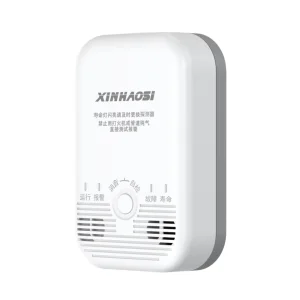
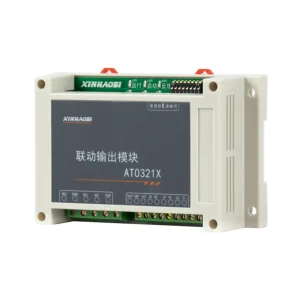
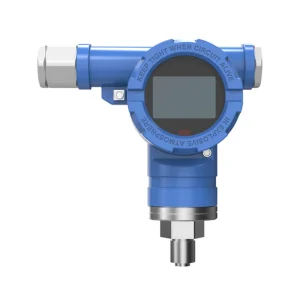
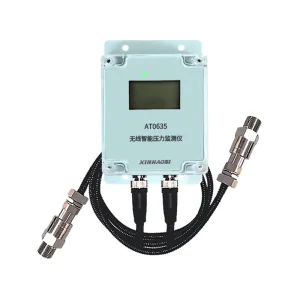
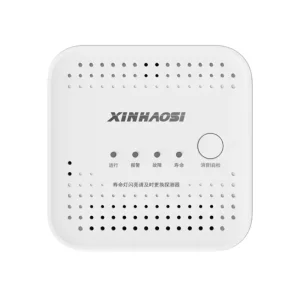
Solenoid valves cannot operate in isolation. The modern internet-of-things (IoT) paradigm requires direct integration with intelligent gas leak detectors, pressure transmitters, and centralized interlock control panels. By engineering these systems in-house, we deliver unified safety packages. When a residential gas detector like the JT-AT3068 or an industrial counterpart like the XP4000P detects a threshold gas concentration, it relays a signal through the JB-MK-AT2041/4G controller to instantly de-energize and close the solenoid valve at the main pipeline intake.
As the global energy sector pivots toward carbon-neutral alternatives, natural gas infrastructure is shifting to handle hydrogen-natural gas blends. Hydrogen molecules are significantly smaller and highly volatile compared to methane, placing severe structural demands on valve seal integrity and elastomer chemistry (demanding specialized FKM or HNBR seals). Our technological roadmap focuses on high-pressure hydrogen-compatible solenoids and digitalized smart valves featuring embedded diagnostics to preemptively alert operators of structural decay.
Combining Chengdu's R&D Center and Deyang's Intelligent Manufacturing Base to deliver unmatched gas safety infrastructure.
Founded in 2003, Xinhaosi is one of the most influential and trusted brands in the global gas safety industry. Over the past two decades, we have steadily built a robust and comprehensive production and service system, which integrates cutting-edge R&D, intelligent manufacturing with advanced automation equipment, digital marketing across global channels, professional after-sales support with an experienced technician team, flexible OEM/ODM services, as well as CNAS-Accredited laboratory calibration services that meet international standards.
Our diversified product portfolio covers industrial & residential gas detection & alarm systems, industrial & household gas solenoid valves, and urban gas pipeline network monitoring systems—all engineered to adapt to complex working environments and strict safety requirements. We produce and sell tens of millions of units annually, catering to a wide range of industries that demand reliable gas safety solutions, including oil & gas exploration and production, petrochemicals, urban gas distribution, automotive manufacturing, pharmaceuticals, new energy, steel production, and beverage processing.
Guided by the core mission of “Making Gas Safety Accessible Everywhere,” we consistently deliver high-performance, reliable products and customized solutions tailored to each client’s unique needs. Every item we manufacture undergoes rigorous quality control tests, and every service we provide is backed by our professional technical team, fully embodying our unwavering commitment to safeguarding gas safety across both industrial workplaces and residential environments, and striving to build a safer world with sustainable gas safety technologies.

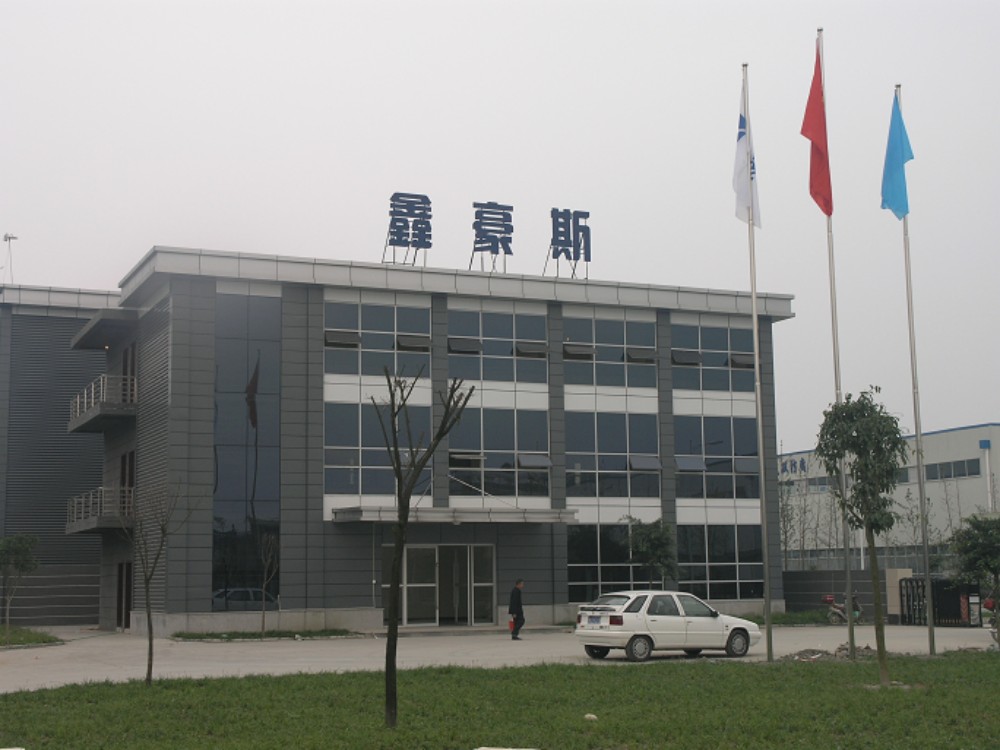
Chengdu Factory & Office

Deyang Factory
A look at our national compulsory certifications, patented gas safety technologies, and CNAS calibration framework.
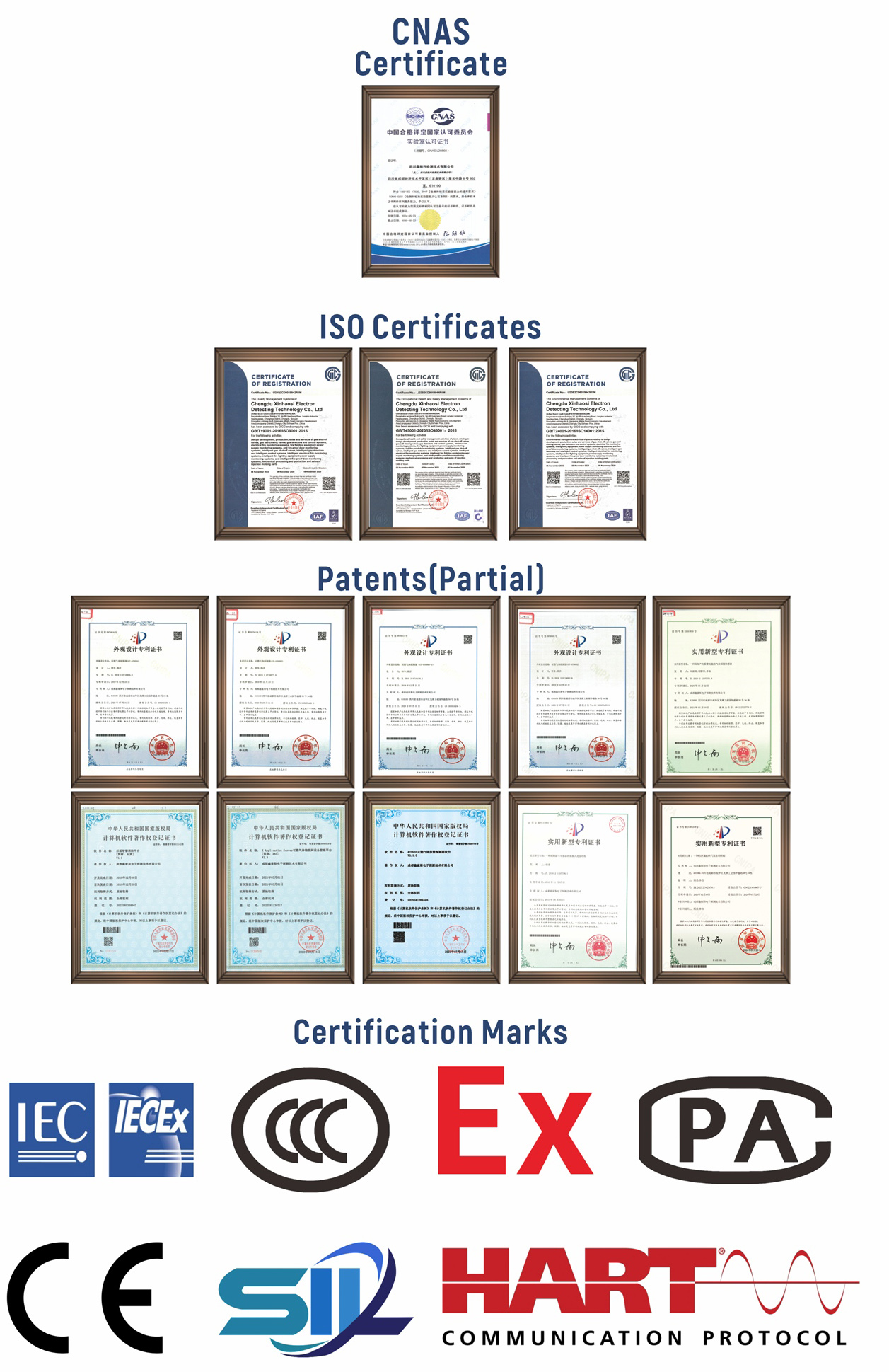
Adhering to ISO9001 quality management system standards, Xinhaosi's core products have obtained a full range of authoritative certifications, including national compulsory Products Certification, explosion-proof certification, fire product certification, CPA measurement instrument type approval certificate, and international approvals as CE, SIL. Additionally, Xinhaosi holds honors such as "National Quality Integrity Benchmark Enterprise" , "National Quality Leading Enterprise in the Gas Alarm Industry," member of the China Fire Protection Association, and the main drafting organization for the national standard of solenoid valves, further confirming its industry influence and reputation.
In the field of intellectual property, Xinhaosi has built a robust innovation system with over 50 patents and software copyrights . These patents cover core technological areas, including a graphical monitoring system for gas detection and alarm, which enables predictive maintenance based on historical data to reduce equipment failure rates by over 30%, and a solenoid valve with flow monitoring functionality that integrates flow detection and alarm capabilities . The company also pioneered China's first networked bus-type gas leakage monitoring system and the only maximum-point gas leakage monitoring system certified by the Ministry of Public Security, demonstrating its leading position in cutting-edge technological research.
Our in-house laboratory is accredited by the China National Accreditation Service for Conformity Assessment (CNAS), recognized both domestically and internationally under the ILAC-MRA framework. It operates in accordance with ISO/IEC 17025, the international standard for testing and calibration laboratories. It provides reliable and traceable testing services for gas detection and alarm products, solenoid valves, and related safety equipment. Test reports issued by the CNAS-accredited laboratory are widely accepted by regulatory authorities, certification bodies, and customers in China and overseas, helping to ensure product quality, safety compliance, and market access.
A chronological journey of steady growth, technical break-throughs, and international commercial success.
Start Up Phase: Established on April 17th, 2003. Launched our first generation of gas leak alarm and fire fighting systems, carving out a specialized footprint in domestic residential and industrial markets.

Initial Scale Achievement: Commissioned safety valve manufacturing lines. Expanded specialized OEM business operations and relocated corporate operations to the Longtan Industrial Park office facility.
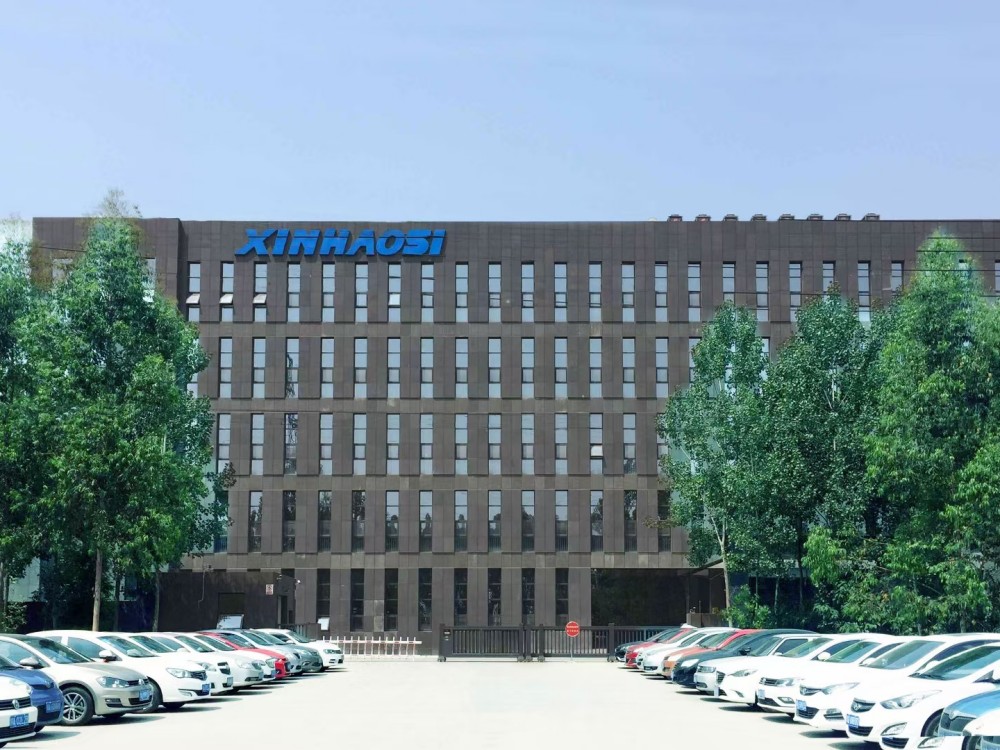
Rapid Growth Era: Achieved a critical milestone of 10 million cumulative gas detector units sold. Expanded manufacturing by occupying the Chengdu factory building and launched high-reliability power monitoring systems.
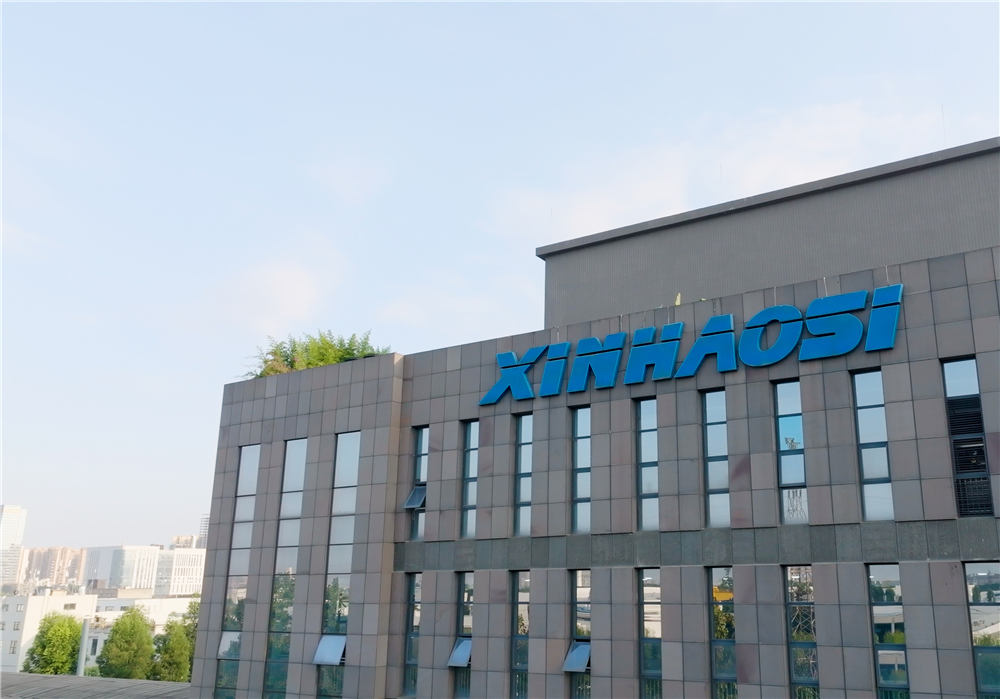
Technology Integration: Rolled out our proprietary IoT gas safety platform. Achieved High-Tech Enterprise status and was certified as an official supplier to China’s top 5 municipal gas distribution enterprises.
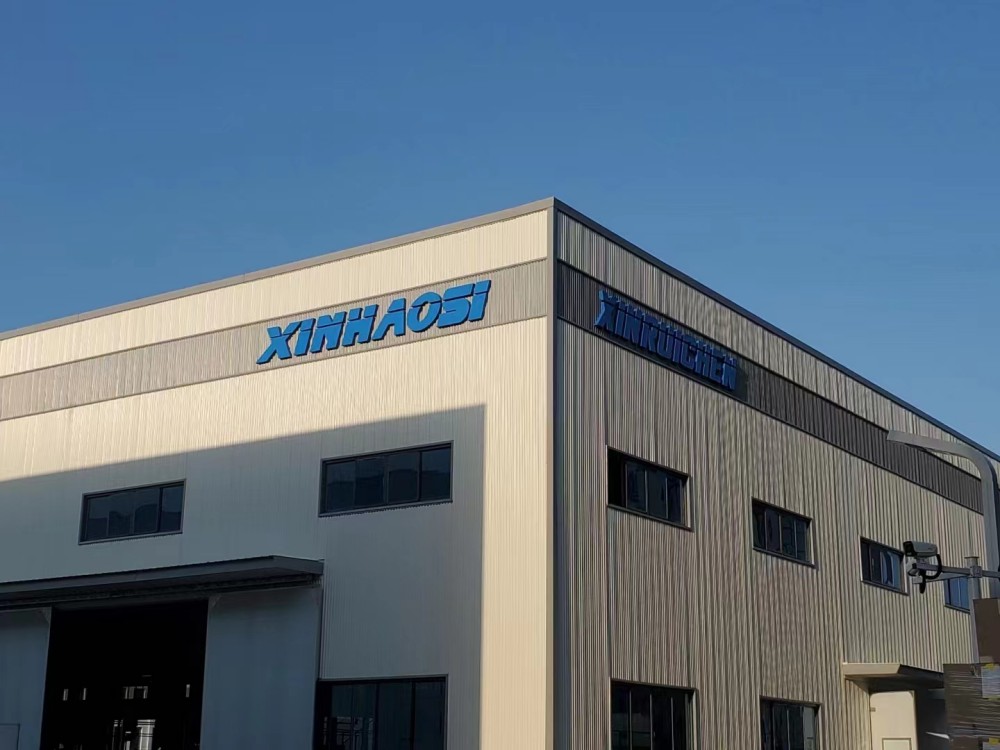
Steady Development: Commenced the construction of the sprawling Deyang intelligent manufacturing base. Formally inaugurated the Petrochemical and International Business Divisions to boost global export networks.
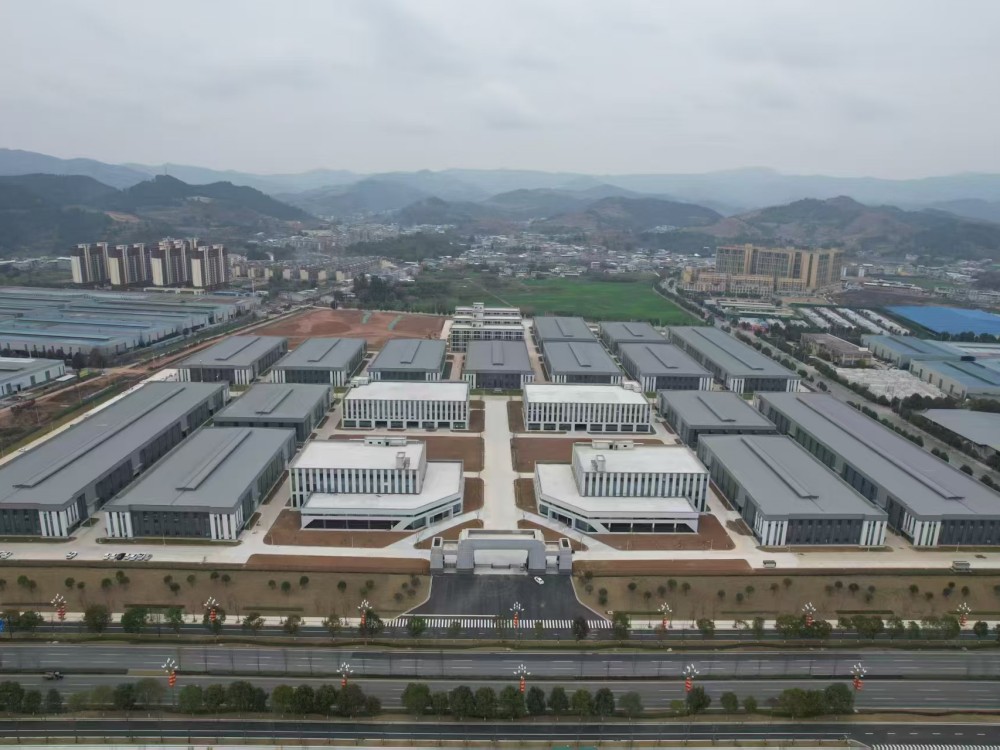
Embrace the Future: Fully operationalized the Deyang factory facility. Rolled out advanced urban pipeline gas detection arrays, wireless safety infrastructure, and next-generation AI-enabled solenoid valves.
Uncompromising material science, electronic parameters, and fluid dynamics designed for critical safety environments.
Choosing the correct alloy is fundamental to long-term reliability. We supply solenoid bodies in cast brass (for residential and light commercial use), high-tensile aluminum alloy (ideal for pipeline weight reduction), and premium stainless steel (SS304/SS316 for corrosive chemical environments). FKM or NBR seal matrices are standardized to resist hydrocarbon swelling and degradation in temperature ranges spanning -20°C to +60°C.
Solenoid valves situated in gas streams operate in hazardous Class I Division 1 (or ATEX Zone 1/2) zones. Our factory manufactures flameproof Ex d IIC T6 coils that seal the electric control circuitry, preventing external sparks from coming into contact with any ambient combustible atmosphere. Dual protection features integrated heat dissipation, keeping current draws down and preventing coil burnouts.
Addressing the common queries of procurement managers, instrumentation engineers, and pipeline compliance officers.
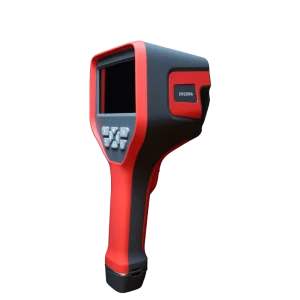
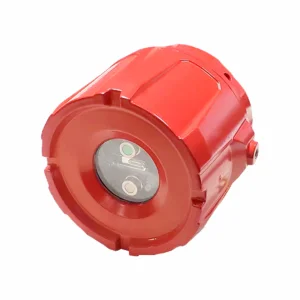
Complete fire prevention, flame detection, and remote diagnostic equipment for high-risk industrial environments.