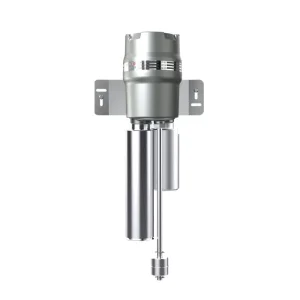
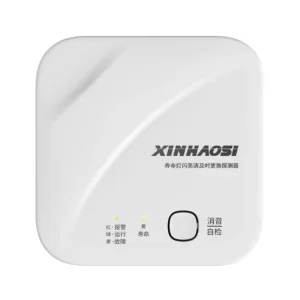
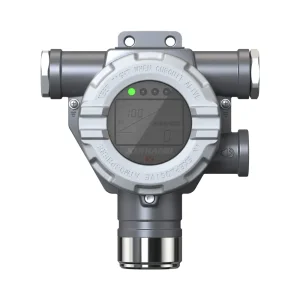
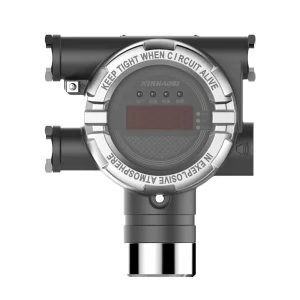
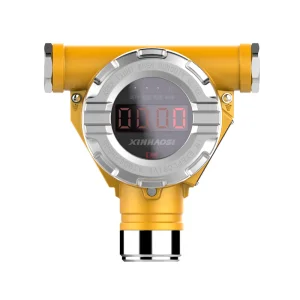
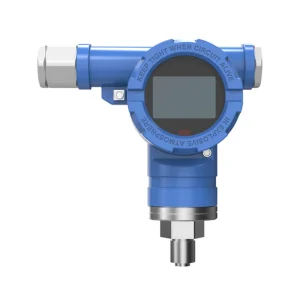
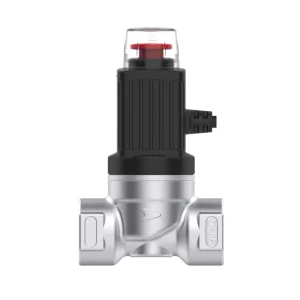
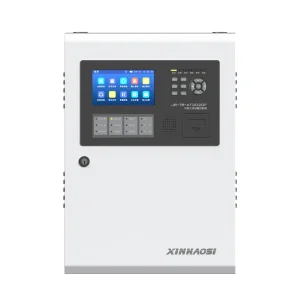
As the global economy shifts toward cleaner combustion fuels, Liquefied Petroleum Gas (LPG)—predominantly consisting of propane and butane—has emerged as a foundational energy source across residential, commercial, and industrial ecosystems. However, due to its high combustibility and tendency to pool in low-lying areas, unmonitored LPG leakage presents catastrophic explosion and fire hazards. The deploying of robust, fast-response LPG Gas Sensors has transcended basic regulatory compliance, becoming a core pillar of modern risk mitigation strategies.
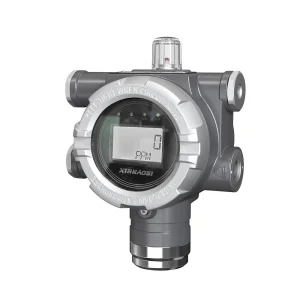
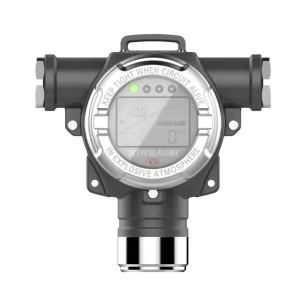
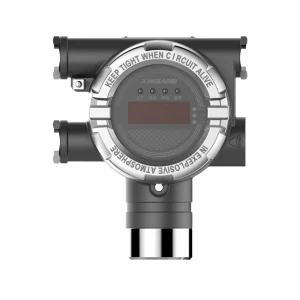
Petrochemical processing plants, massive storage tanks, and cross-country distribution pipelines require explosion-proof safety systems that integrate catalytic bead or non-dispersive infrared (NDIR) technology to continuously monitor LEL (Lower Explosive Limit) thresholds.
Hotel kitchens, high-density residential towers, and multi-tenant commercial structures utilize smart integrated LPG leak detectors to automatically actuate safety shut-off valves, averting potential disasters in densely populated environments.
Modern smart city initiatives push for cloud-connected, bus-type monitoring arrays. Real-time diagnostic data enables preventive maintenance schedules, cutting asset failure occurrences down by over 30% via historical drift modeling.
Operating in harsh environment conditions—ranging from high temperature oil extraction platforms to freezing underground municipal tunnels—demands unmatched sensor resilience. Standardized sensor solutions often fail due to drift, humidity saturation, or chemical poisoning from silicone vapors. Under the ISO9001 quality management framework, our enterprise design methodology integrates robust mechanical packaging with advanced sensing topologies.
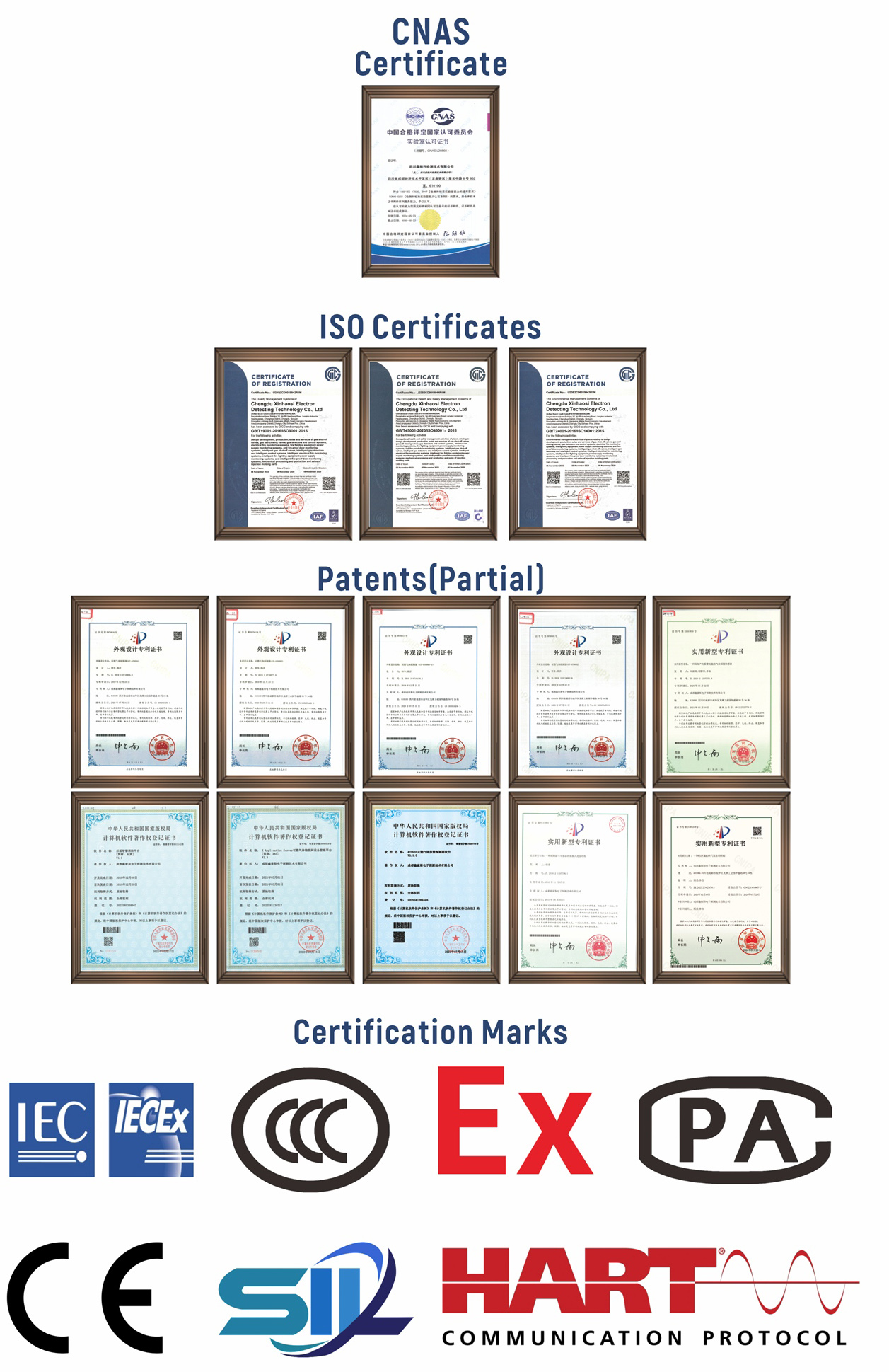
Our core LPG and combustible gas monitoring equipment complies with all major national and international standards. This includes the national compulsory Products Certification, fire safety product certification, explosion-proof certificate, CPA measurement instrument type approval, and international safety ratings such as CE and SIL (Safety Integrity Level). As an active member of the China Fire Protection Association, we also serve as a principal drafting organization for national standards governing solenoid valves, ensuring our clients receive products engineered to standard-setting parameters.
A crucial differentiator is our fully in-house testing facility accredited by the China National Accreditation Service (CNAS). Functioning under the strict global guidelines of ISO/IEC 17025, our laboratory reports are mutually recognized worldwide through the ILAC-MRA framework. This ensures that every OEM gas sensor or safety valve shipped undergoes traceable calibration, allowing for swift certification and hassle-free market entry globally.


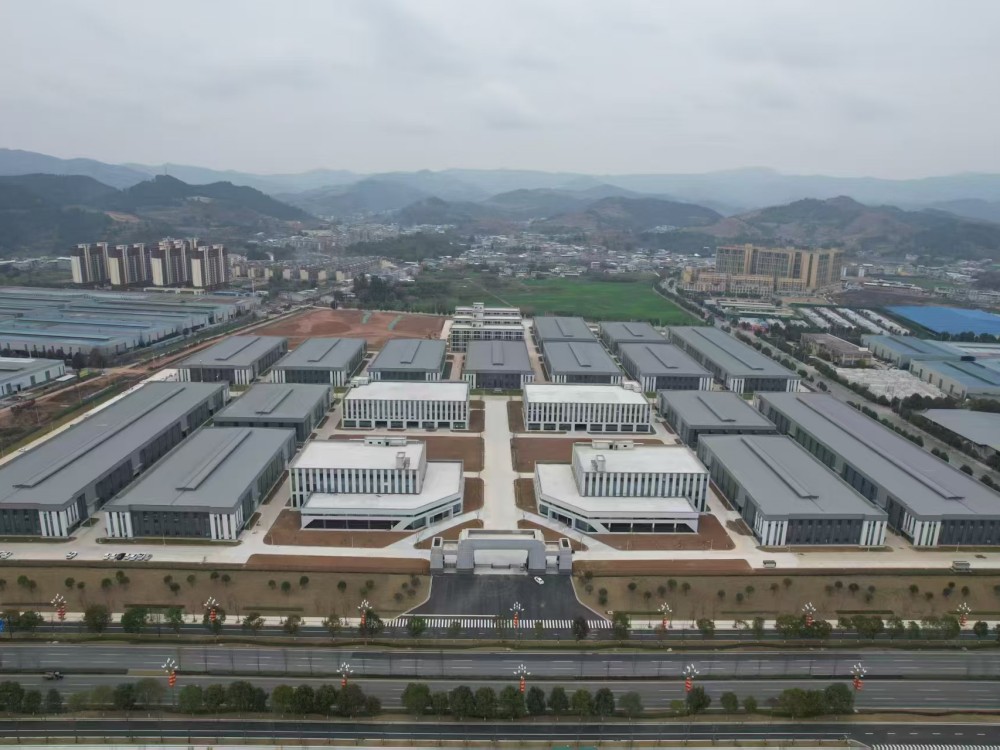
Established in 2003, Xinhaosi has spent over two decades cementing its position as an industry-leading global manufacturer and service provider for gas safety equipment. Guided by our foundational mission, “Making Gas Safety Accessible Everywhere,” we operate multi-site manufacturing hubs across Chengdu and Deyang, integrating advanced automation and computerized production testing lines to satisfy heavy industrial demands.
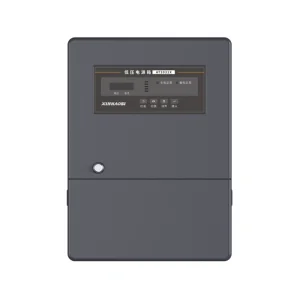
Our comprehensive production system produces and distributes tens of millions of units every year. This massive output capability supplies critical sectors including oil & gas exploration, petrochemical refinement, municipal urban gas networks, pharmaceutical laboratories, automotive plants, steel mills, and beverage processing lines. Our extensive product lineup includes residential and industrial gas detection systems, emergency shut-off solenoid valves, and IoT-driven pipeline pressure monitoring equipment.
Our OEM/ODM services are built for high flexibility and scalability. We coordinate closely with global project engineers to offer customized enclosure designs, brand labeling, custom firmware algorithms, and modbus/analog signal calibrations. Backed by a dedicated technical engineering team, we provide swift prototype deployment, and reliable mass manufacturing that bridges the gap between R&D concepting and end-user deployment.
Integrating safety with state-of-the-art technological architectures to build risk-free, smart, and responsive municipal and industrial infrastructures.
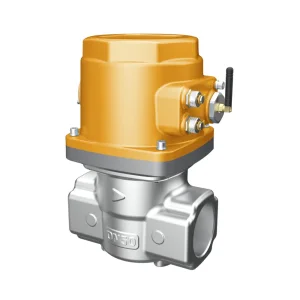
Unlike passive detectors, our commercial gas monitoring solutions interlock directly with explosion-proof safety shut-off valves. Upon detecting LPG levels exceeding a pre-configured 10% LEL threshold, the system immediately cuts the main gas supply line and initiates exhaust fan ventilation within milliseconds.
Sensor drift due to ambient temperature shifts and humidity fluctuation is a common industry challenge. Our future tech roadmap focuses on microprocessors pre-programmed with self-calibration AI models that utilize historical environmental records to adjust detection baselines, reducing false alarms by up to 40%.
Cabling installation in complex processing structures often represents the largest cost share of sensor deployment. Our current product designs feature low-power, long-distance LoRaWAN and NB-IoT protocols, allowing devices to operate reliably on internal batteries for up to five years without requiring complex cabling infrastructure.
For international supply chain managers, sourcing LPG gas sensors and associated controllers is a long-term commitment to safety and engineering consistency. When analyzing factories, procurement professionals must evaluate criteria beyond unit pricing to ensure long-term operational success:
Verify certificates match target installation regions (ATEX for Europe, UL for North America, GB for China). Insist on receiving test documentation from certified third-party testing centers.
Select manufacturers equipped with automated production lines. Automated testing minimizes human error, providing consistent product calibration across volume orders.
Every gas sensor drifts naturally over time. Confirm the manufacturer provides clear maintenance instructions, pre-calibrated sensor replacement modules, and easy-to-use testing accessories.
Ensure the supplier is capable of altering outputs (4-20mA, Modbus RS485, Relays, HART protocols) to integrate smoothly into pre-existing distributed control systems (DCS).
● Company established on April 17th, 2003.
● Launched the 1st generation of gas leak alarm and fire fighting systems, carving a niche in local industrial safety.
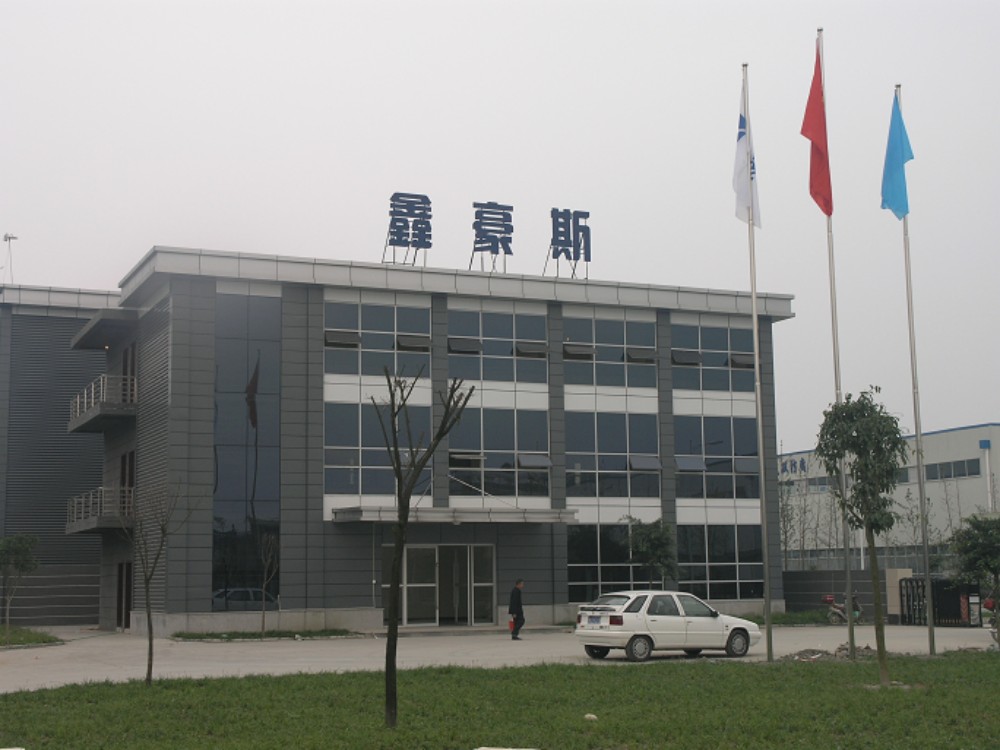
● Initiated the dedicated production of industrial gas safety valves.
● Expanded OEM services internationally, setting up operations in the Longtan industrial park.

● Reached milestone of 10 million cumulative gas detector units sold.
● Established modern manufacturing operations in Chengdu, building out a comprehensive nation-wide sales and service network.

● Developed and launched our in-house cloud IoT safety monitoring platform.
● Qualified as an official supplier to China's top 5 municipal gas conglomerates, while gaining High-Tech Enterprise certification.
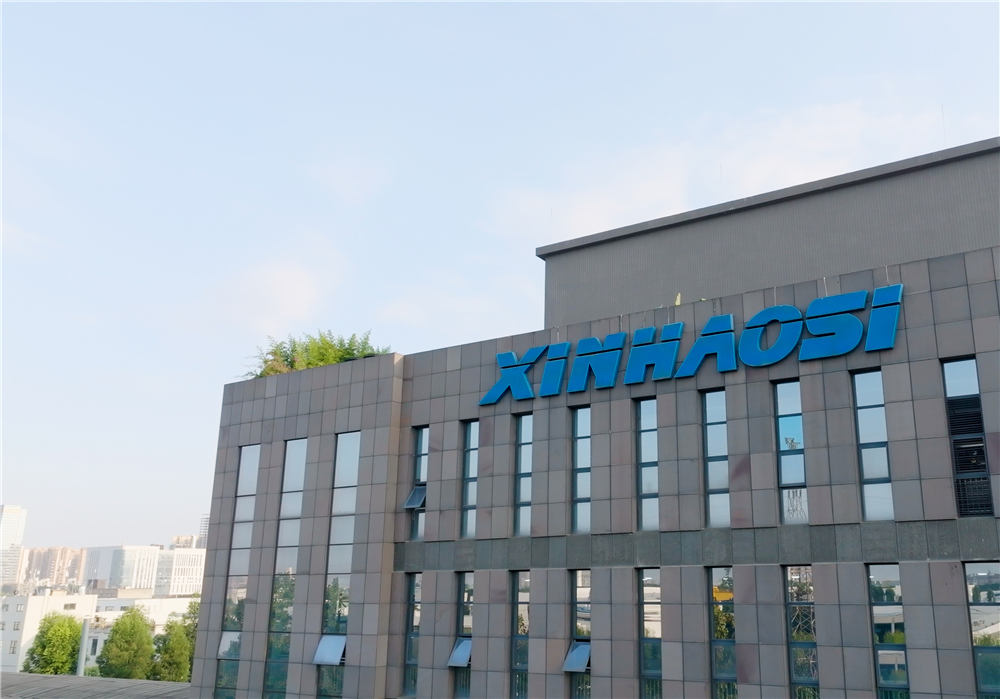
● Launched construction of the Deyang manufacturing plant to support global export demands.
● Created the Petrochemical & International Business Division, earning recognition as a Provincial Technology Center.
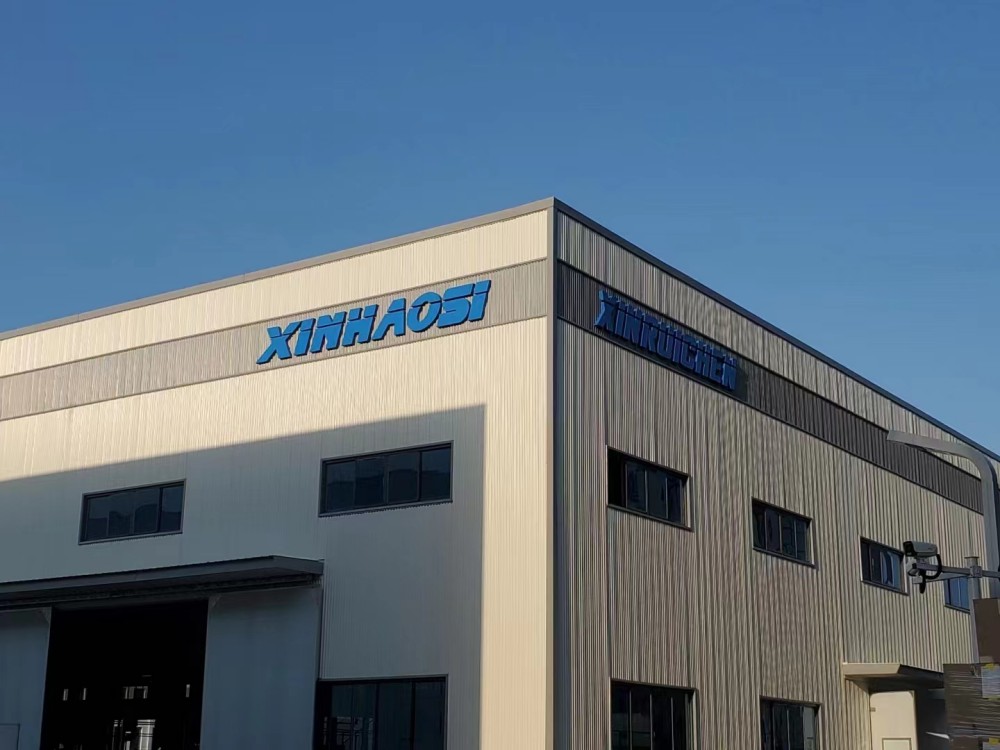
● Completed construction and initiated operations at the Deyang factory.
● Launched smart urban pipeline network monitoring solutions, wireless gas detection lines, and AI-enabled gas safety valves.