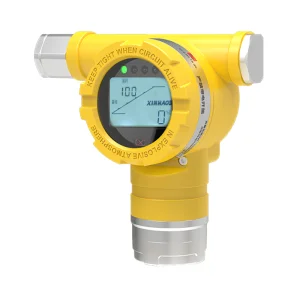
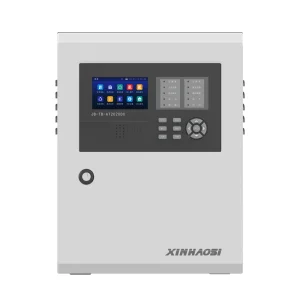
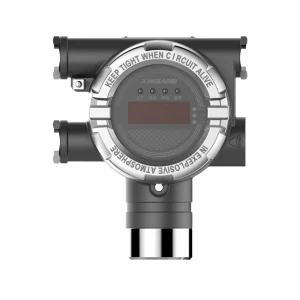
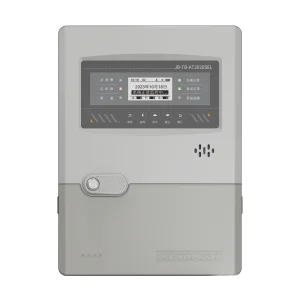
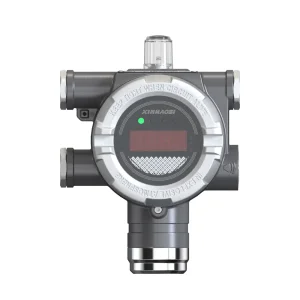
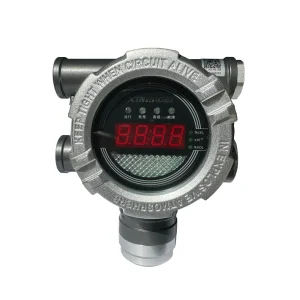
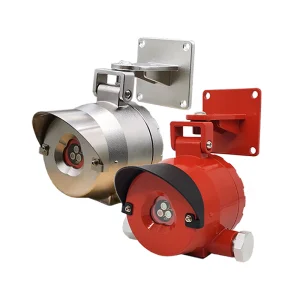
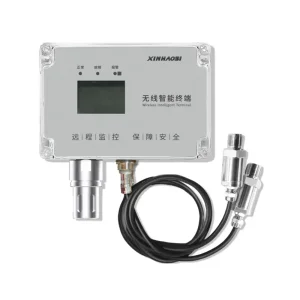
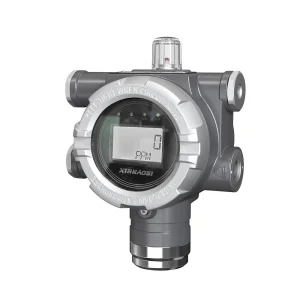
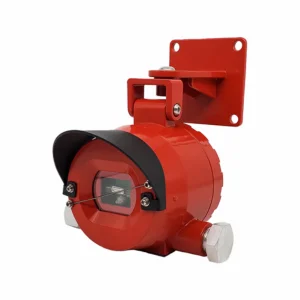
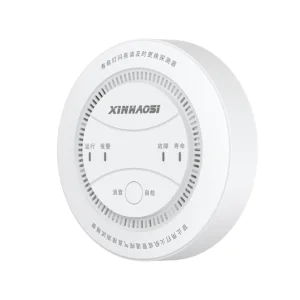
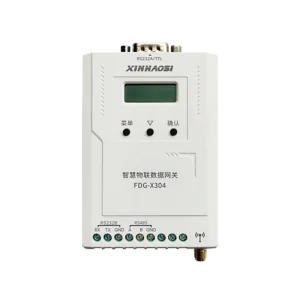
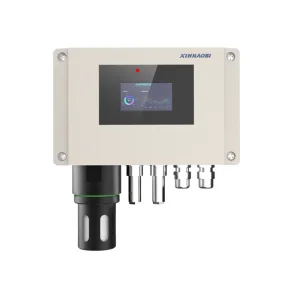
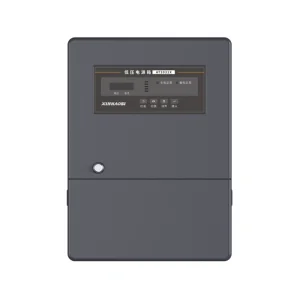
Explore our flagship OEM solutions manufactured to rigorous global safety benchmarks
Infrared (IR) gas detection technologies, primarily utilizing Non-Dispersive Infrared (NDIR) and Open-Path (OPIR) detection methods, have become the safety standard in modern hazardous environments. Unlike catalytic bead detectors, which are susceptible to poisoning by silicones, halides, and sulfur compounds, IR gas sensors offer resilient, long-term stability with no direct exposure to the target gas stream.
As oil and gas exploration pushes further into aggressive, high-humidity, and corrosive offshore environments, the demand for explosion-proof IR gas detectors is escalating. From refineries in the Middle East to cold-climate processing plants in Northern Europe, industrial compliance frameworks (such as IECEx, ATEX, and SIL 2/3 validation) dictate that gas monitoring installations remain online 24/7 without active sensor drift.
Why modern chemical plants and heavy industries are upgrading to Infrared tech:
The convergence of MEMS technologies, IoT networking, and Artificial Intelligence in industrial gas monitoring
NDIR detectors remain the gold standard for point monitoring, where target gases must be measured in confined zones. The development of dual-source or dual-wavelength architectures incorporates a reference channel to automatically adjust for dust accumulation, optical degradation, and light source aging.
Meanwhile, Open Path IR (OPIR) systems are expanding into fence-line perimeter monitoring, using long-range beams (up to 200 meters) to capture fugitive emissions across wide-area petrochemical facilities.
Industrial architectures are migrating from traditional analog 4-20mA and RS485 Modbus setups to mesh-networked wireless communications. Utilizing protocol suites such as WirelessHART, LoraWAN, and 5G IoT modules, real-time concentrations are fed directly into cloud databases and SCADA systems.
This enables automated shut-offs and enterprise-wide hazard mapping without high cabling installation costs.
Integrating AI on the edge allows algorithms to monitor environmental variables (temperature, relative humidity, pressure) alongside sensor outputs.
This predictive intelligence mitigates false alarms caused by steam or particulate interference, and alerts maintenance personnel *before* a sensor fails, reducing unplanned downtime by over 30%.
Founded in 2003, Xinhaosi is one of the most influential and trusted brands in the global gas safety industry. Over the past two decades, we have steadily built a robust and comprehensive production and service system, which integrates cutting-edge R&D, intelligent manufacturing with advanced automation equipment, digital marketing across global channels, professional after-sales support with an experienced technician team, flexible OEM/ODM services, as well as CNAS-Accredited laboratory calibration services that meet international standards.
Our diversified product portfolio covers industrial & residential gas detection & alarm systems, industrial & household gas solenoid valves, and urban gas pipeline network monitoring systems—all engineered to adapt to complex working environments and strict safety requirements. We produce and sell tens of millions of units annually, catering to a wide range of industries that demand reliable gas detection solutions.

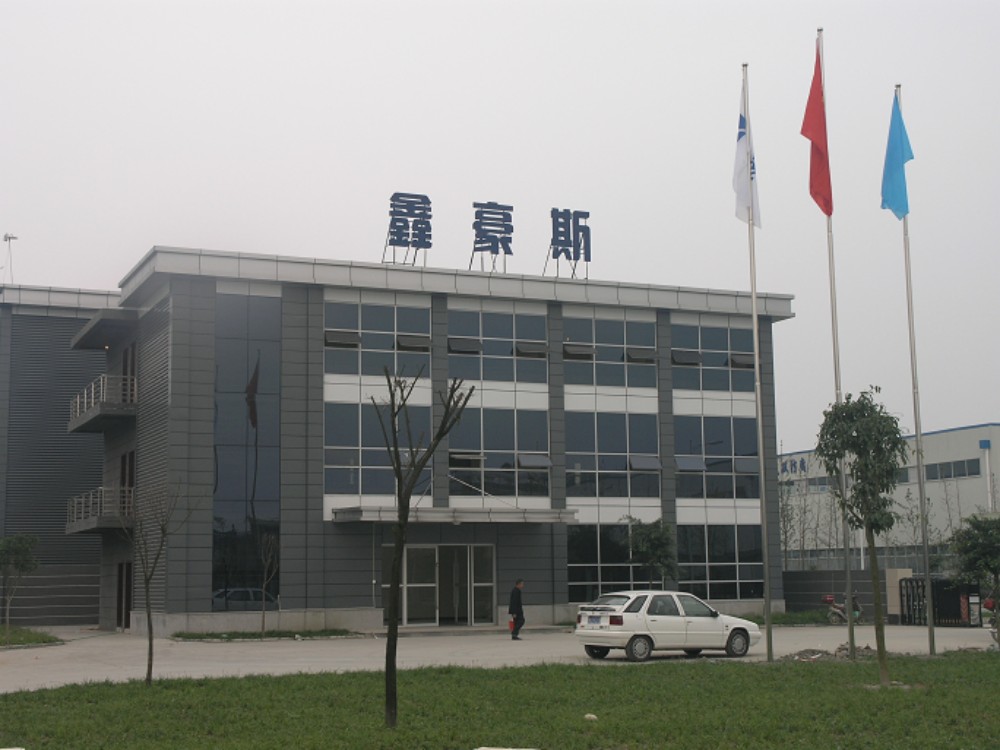
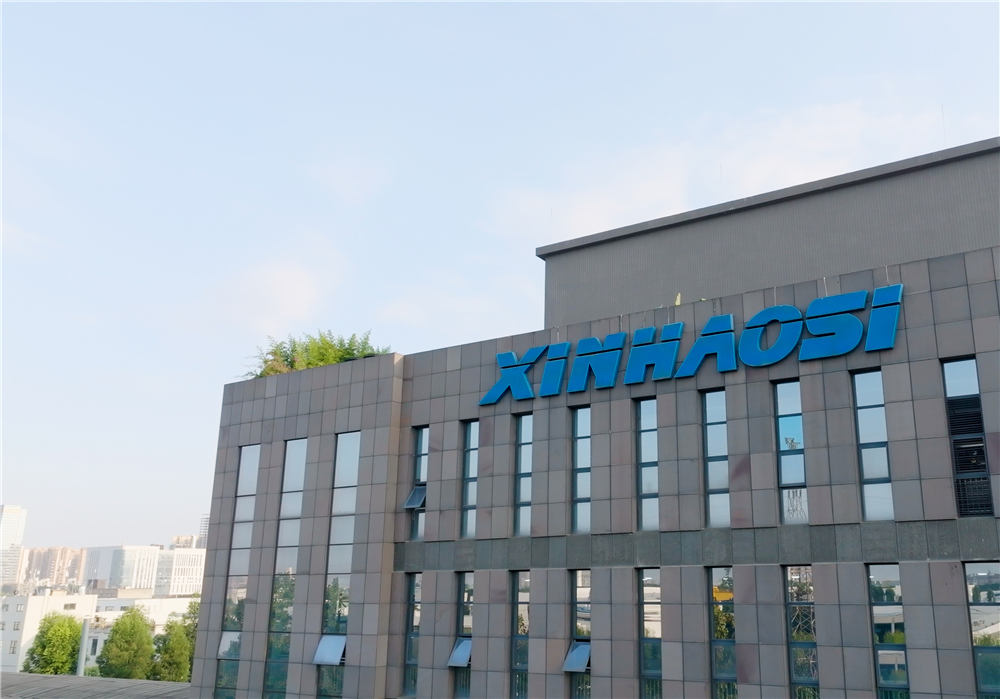
Chengdu Factory & Office Headquarters

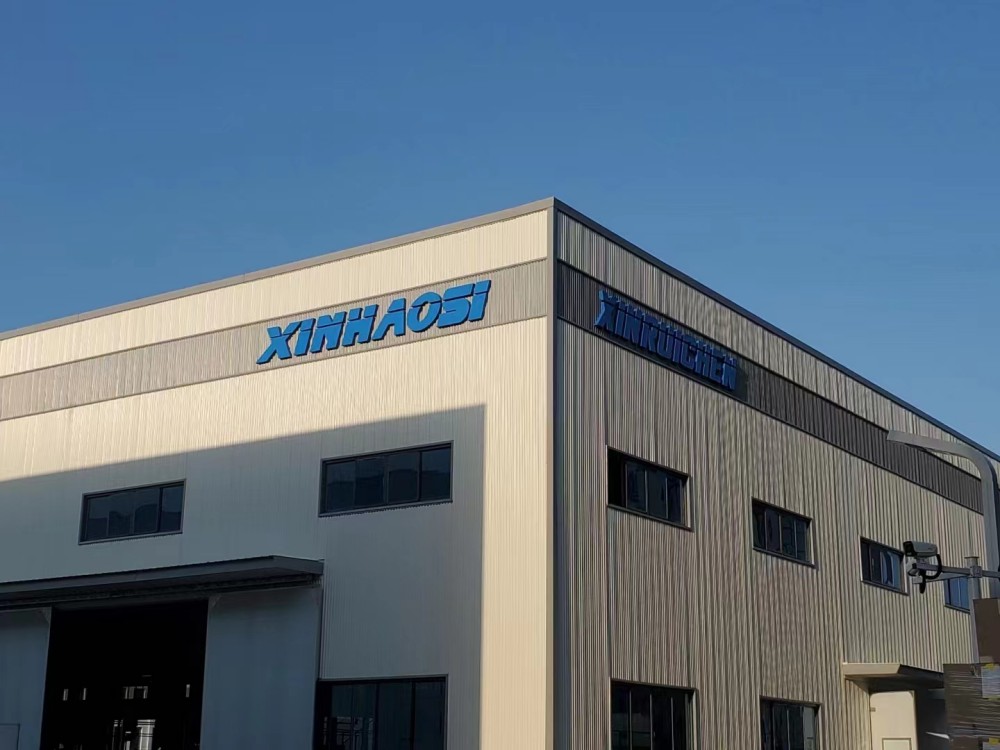
Deyang Factory
Guided by our core mission, “Making Gas Safety Accessible Everywhere,” we deliver high-performance, reliable products and customized solutions tailored to each client's unique requirements. Every item manufactured in our Chengdu and Deyang facilities undergoes rigorous calibration and validation, embodying our commitment to safeguarding industrial workplaces and residential zones.
We supply critical components and complete systems for complex application fields including:
Adhering to ISO9001 quality management system standards, Xinhaosi's core products have obtained a full range of authoritative certifications, including national compulsory Products Certification, explosion-proof certification, fire product certification, CPA measurement instrument type approval certificate, and international approvals such as CE and SIL.
Additionally, Xinhaosi holds honors such as "National Quality Integrity Benchmark Enterprise", "National Quality Leading Enterprise in the Gas Alarm Industry," member of the China Fire Protection Association, and serves as the main drafting organization for the national standard of solenoid valves, further confirming its industry influence and reputation.
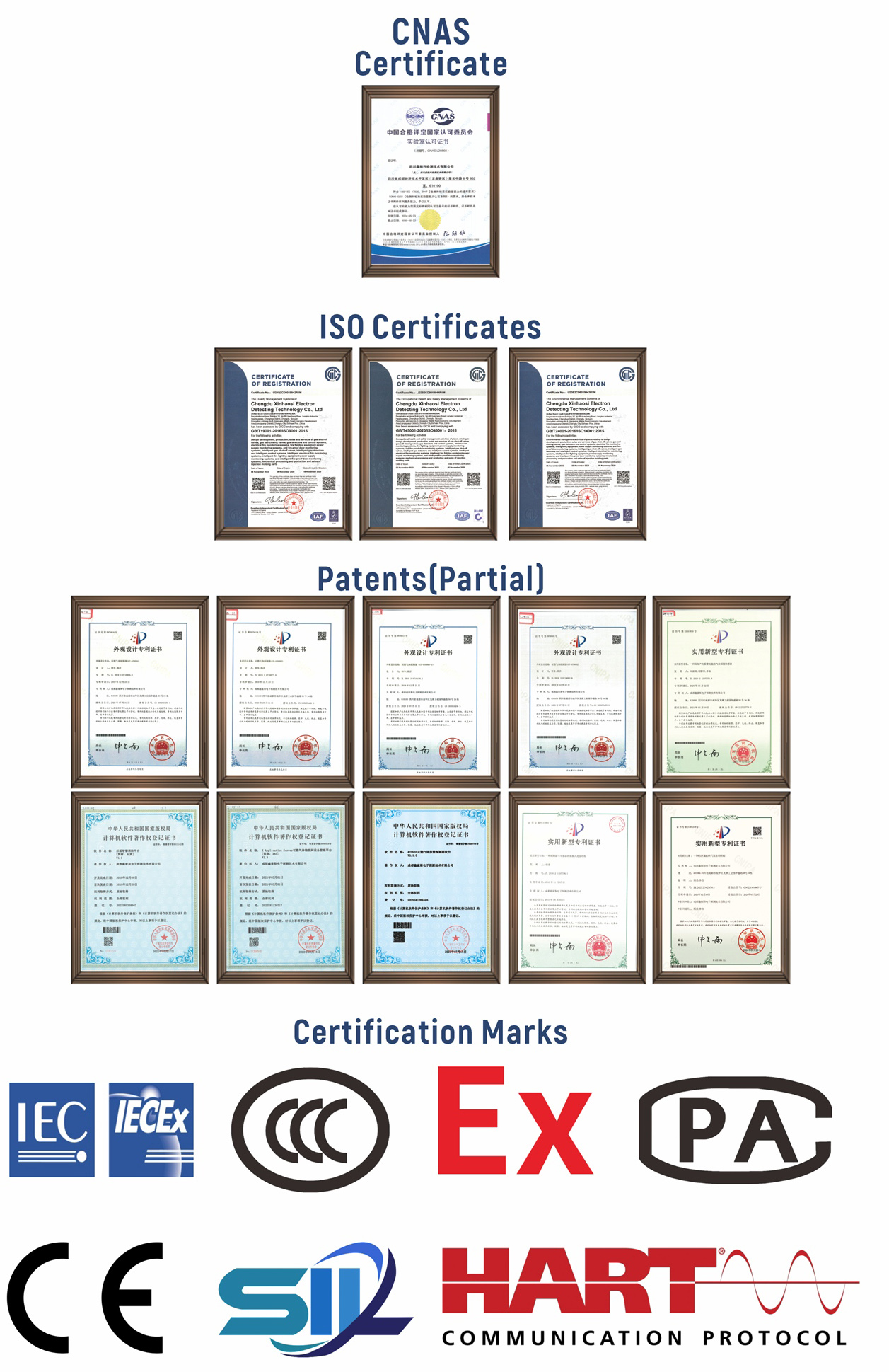
With over 50 patents and software copyrights, our breakthroughs include:
The journey from a safety systems startup to an international OEM manufacturer



Comprehensive architectures protecting personnel and capital infrastructure across complex environments
Refineries operate in hostile atmospheres where target hydrocarbons must be monitored amidst heavy moisture, steam, and salt spray.
Our point NDIR detectors and triple IR flame detectors are engineered with corrosion-resistant 316 stainless steel enclosures, rated IP66/IP67, and certified for ATEX Zone 1 and Zone 2 hazardous areas.
Monitoring distributed pipeline hubs, pressure regulation boxes, and utility channels requires low-maintenance sensing technology.
By utilizing bus-type and wireless intelligent monitoring terminals, cities can establish unified safety grids that shut down gas flows remotely via automated solenoid valves at the first sign of pressure drops or gas leaks.
With the rise of lithium-ion energy storage systems (BESS), the early detection of off-gassing events (such as carbon monoxide and VOC buildup) is critical to prevent thermal runaway.
Our specialized multi-gas sensor matrices combine electrochemical and infrared sensors to flag gas venting incidents in milliseconds.
Expert answers addressing search intents regarding technical selection, installation, and manufacturing capabilities
Infrared gas detectors measure target gases by tracking light absorption profiles, making them physically immune to catalyst poisoning from silicone compounds, lead, and sulfur. They do not require oxygen to operate (essential for nitrogen-purged environments) and can be calibrated less frequently, which significantly reduces the Total Cost of Ownership (TCO) in industrial plants.
Our Chengdu & Deyang factories offer flexible customization models. This includes structural adjustments (different thread options such as NPT 3/4" or M20, housing modifications, and stainless steel vs. aluminum alloys), communications tailoring (RS485, Hart, Wireless Lora, 4-20mA, or IoT bus networks), and custom firmware settings to optimize sensor response curves for specific gas compounds.
All designs undergo rigorous pre-testing in our CNAS-accredited laboratory, which operates in alignment with ISO/IEC 17025. This ensures our products meet international performance standards. We hold CE certificates, SIL-2 safety integrity level evaluations, national explosion-proof compliance, and local fire system approvals to support international market access.
NDIR sensors are highly effective for detecting carbon dioxide (CO2) and combustible hydrocarbons (such as Methane CH4, Propane C3H8, Butane C4H10, and Ethylene C2H4). Because NDIR relies on the dipole absorption of infrared light, homonuclear diatomic molecules like Oxygen (O2), Hydrogen (H2), and Chlorine (Cl2) cannot be detected by IR technology and require electrochemical or catalytic sensors.
Integrate your IR detectors with high-integrity controllers, wireless gateways, and auxiliary systems