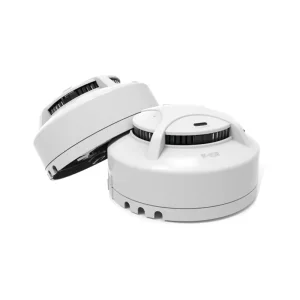
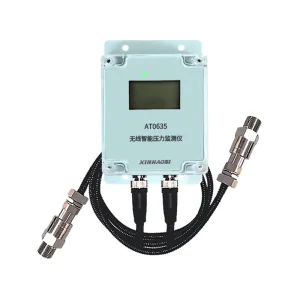
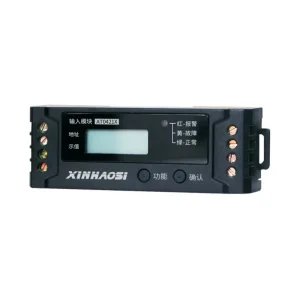
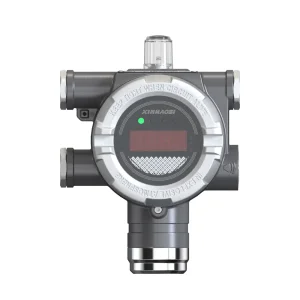
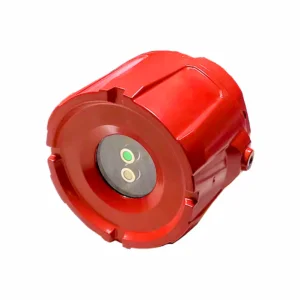
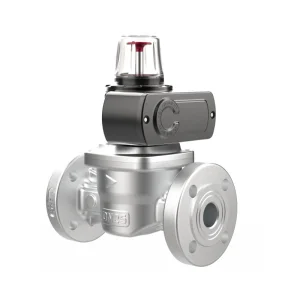
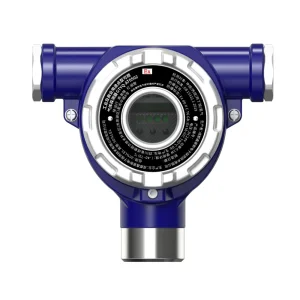
Explore our core certified OEM components, designed to interface seamlessly with industrial SCADA systems and building management control loops.

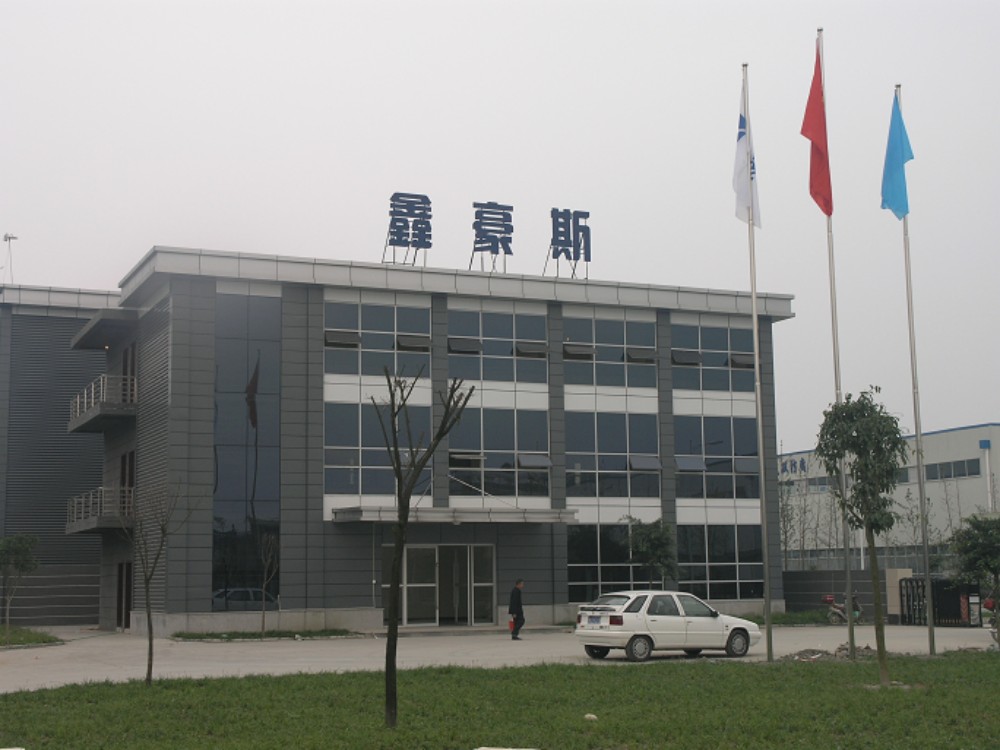
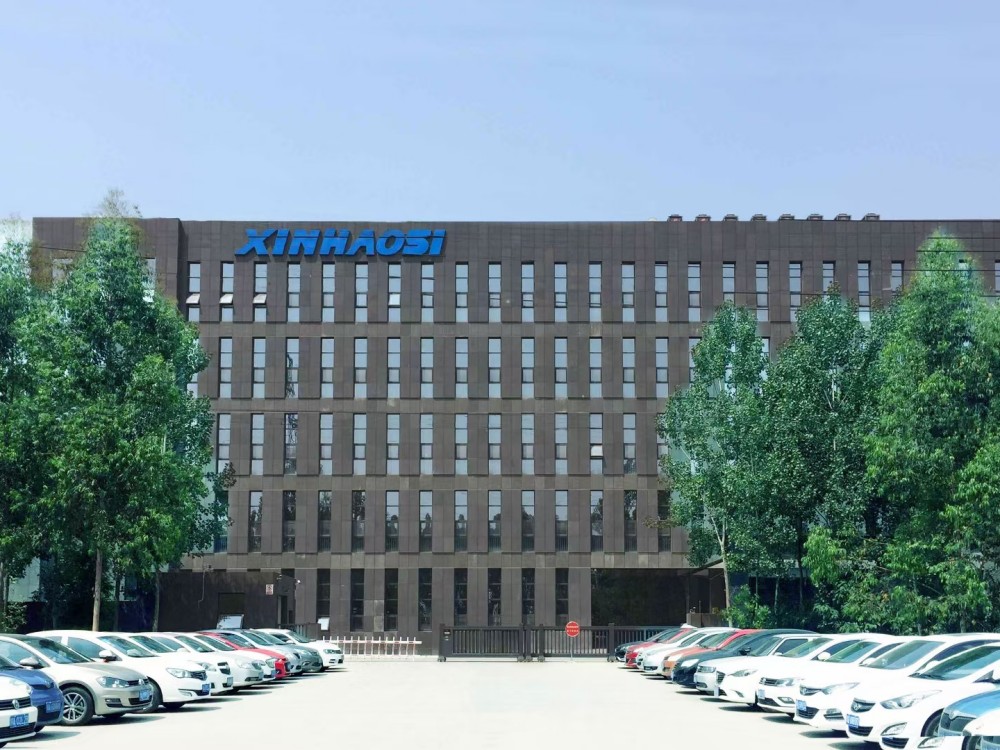
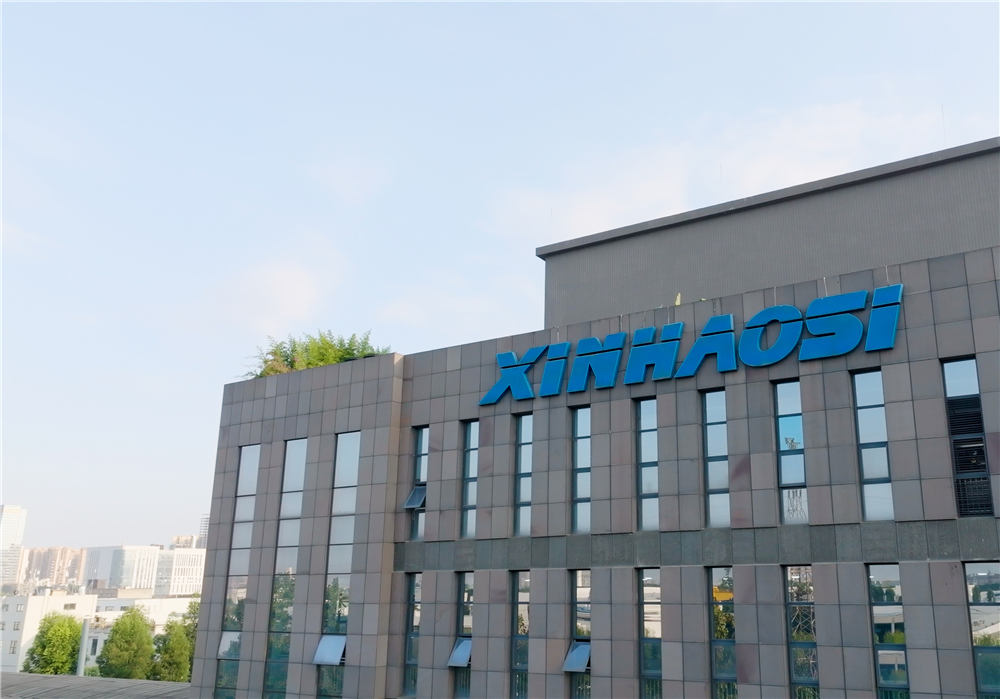
Chengdu R&D Center & Assembly Line

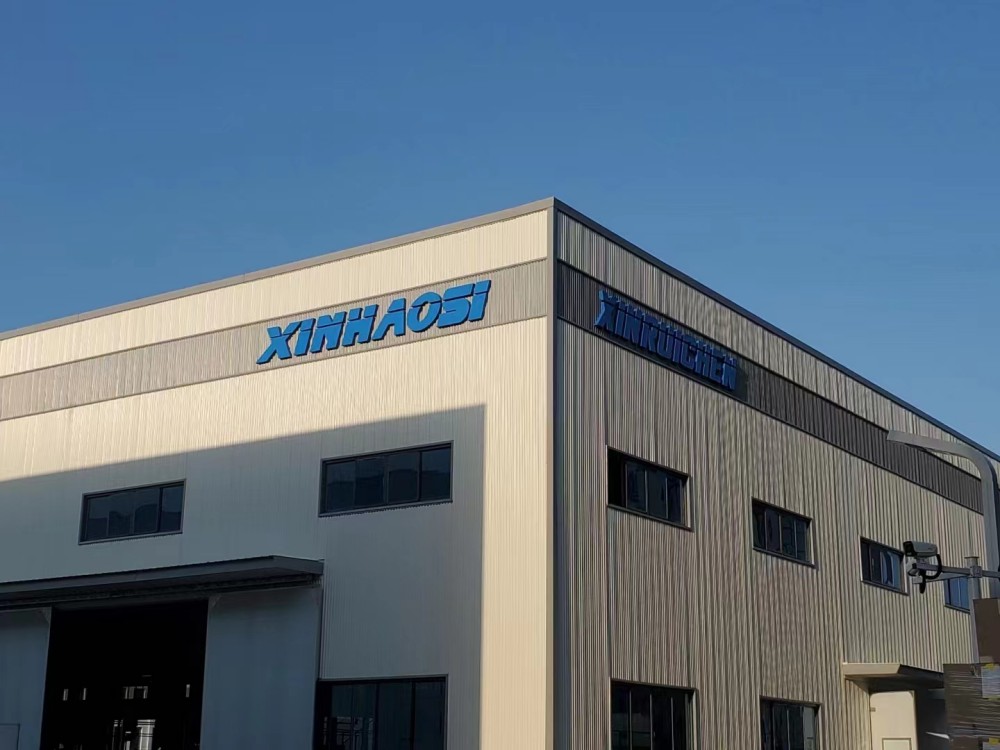
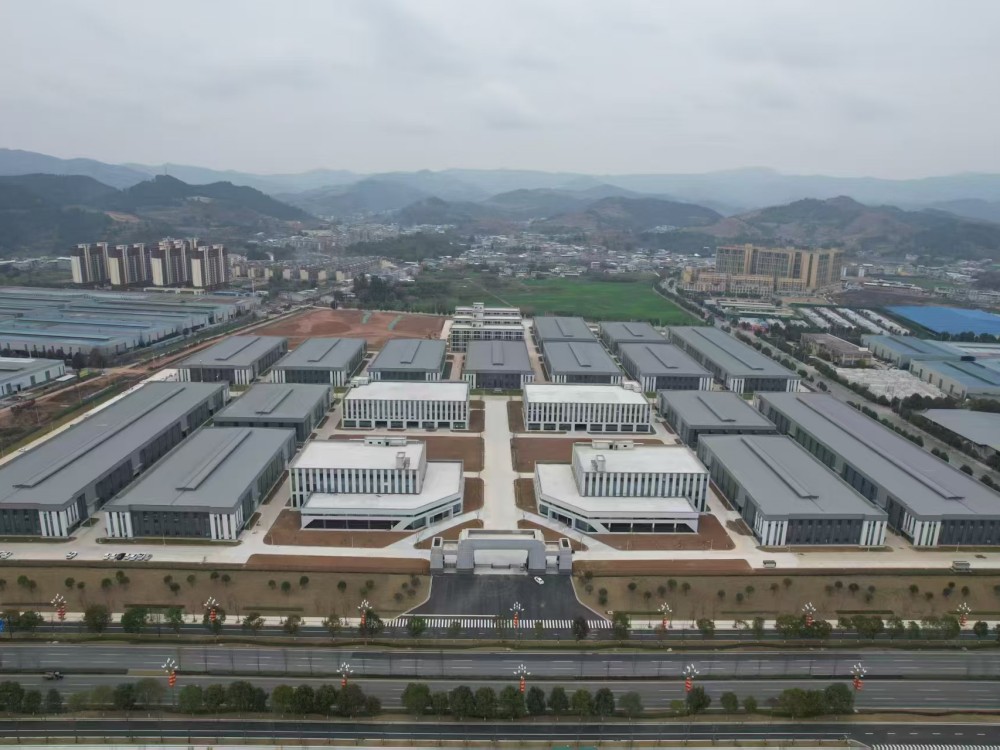
Deyang Advanced Manufacturing Base
Founded in 2003, Xinhaosi is one of the most influential and trusted brands in the global gas safety industry. Over the past two decades, we have steadily built a robust and comprehensive production and service system, which integrates cutting-edge R&D, intelligent manufacturing with advanced automation equipment, digital marketing across global channels, professional after-sales support with an experienced technician team, flexible OEM/ODM services, as well as CNAS-Accredited laboratory calibration services that meet international standards.
Our diversified product portfolio covers industrial & residential gas detection & alarm systems, industrial & household gas solenoid valves, and urban gas pipeline network monitoring systems—all engineered to adapt to complex working environments and strict safety requirements. We produce and sell tens of millions of units annually, catering to a wide range of industries that demand reliable gas detection solutions, including oil & gas exploration and production, petrochemicals, urban gas distribution, automotive manufacturing, pharmaceuticals, new energy, steel production, and beverage processing.
Guided by the core mission of “Making Gas Safety Accessible Everywhere,” we consistently deliver high-performance, reliable products and customized solutions tailored to each client’s unique needs. Every item we manufacture undergoes rigorous quality control tests, and every service we provide is backed by our professional technical team, fully embodying our unwavering commitment to safeguarding gas safety across both industrial workplaces and residential environments, and striving to build a safer world with sustainable gas safety technologies.
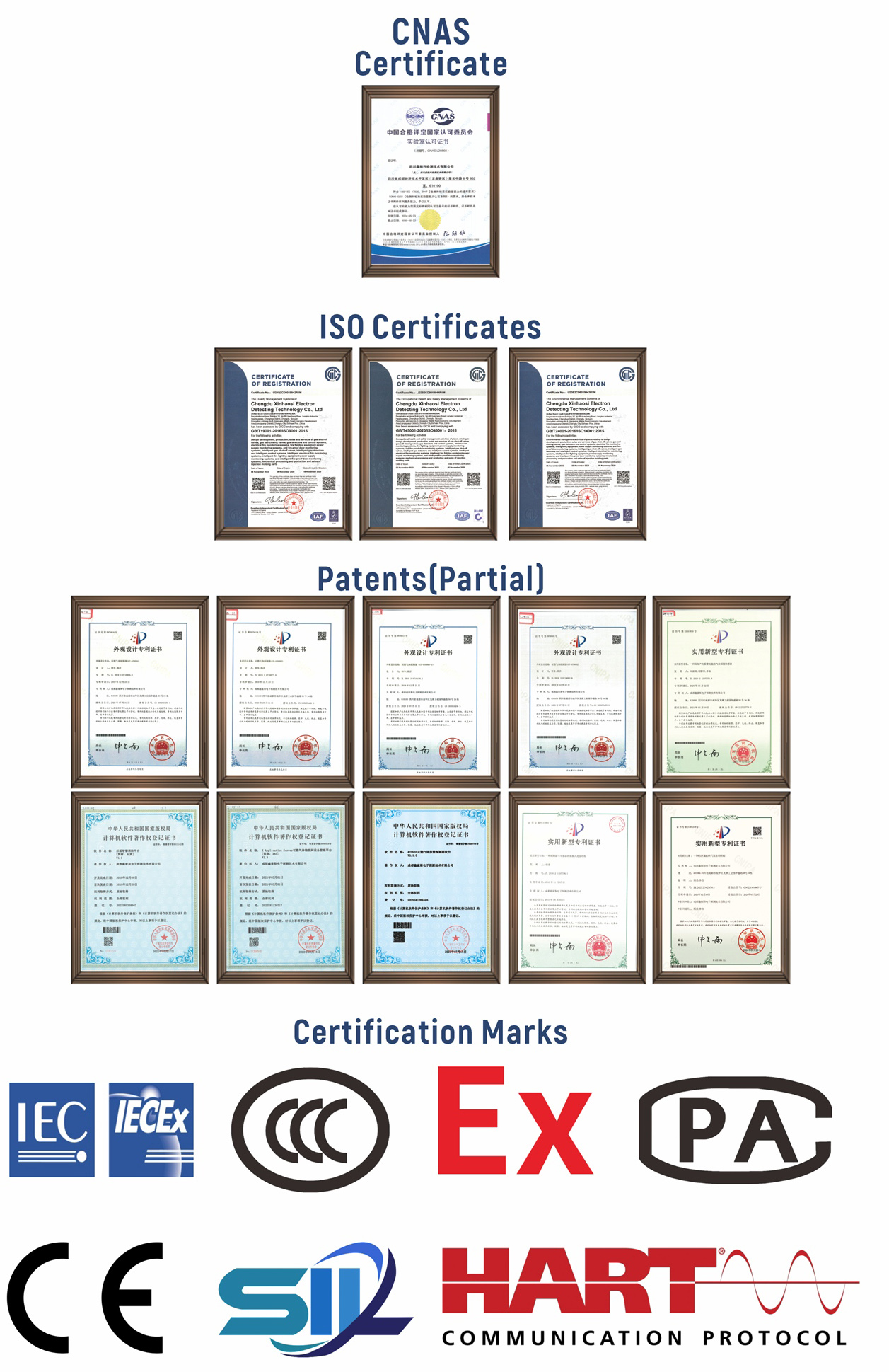
Adhering to ISO9001 quality management system standards, Xinhaosi's core products have obtained a full range of authoritative certifications, including national compulsory Products Certification, explosion-proof certification, fire product certification, CPA measurement instrument type approval certificate, and international approvals such as CE and SIL. Additionally, Xinhaosi holds honors such as "National Quality Integrity Benchmark Enterprise", "National Quality Leading Enterprise in the Gas Alarm Industry," member of the China Fire Protection Association, and acts as the main drafting organization for the national standard of solenoid valves, further confirming its industry influence and reputation.
In the field of intellectual property, Xinhaosi has built a robust innovation system with over 50 patents and software copyrights. These patents cover core technological areas, including a graphical monitoring system for gas detection and alarm, which enables predictive maintenance based on historical data to reduce equipment failure rates by over 30%, and a solenoid valve with flow monitoring functionality that integrates flow detection and alarm capabilities. The company also pioneered China's first networked bus-type gas leakage monitoring system and the only maximum-point gas leakage monitoring system certified by the Ministry of Public Security, demonstrating its leading position in cutting-edge technological research.
Our in-house laboratory is accredited by the China National Accreditation Service for Conformity Assessment (CNAS), recognized both domestically and internationally under the ILAC-MRA framework. It operates in accordance with ISO/IEC 17025, the international standard for testing and calibration laboratories. It provides reliable and traceable testing services for gas detection and alarm products, solenoid valves, and related safety equipment. Test reports issued by the CNAS-accredited laboratory are widely accepted by regulatory authorities, certification bodies, and customers in China and overseas, helping to ensure product quality, safety compliance, and market access.
An authoritative analysis of semantic industry shifts, highlighting why global EPCs and plant operators are upgrading to intelligent gas detection loops.
Modern industrial facilities face strict regulatory pressures to implement zero-leakage policies. From volatile organic compounds (VOCs) to heavy hydrocarbons and carbon monoxide in commercial parking facilities, the demand for high-reliability toxic and combustible gas sensors is surging. Organizations are moving away from local, standalone alarms toward interconnected, bus-type control systems. These networks feature active telemetry, self-diagnostics, and automatic gas shutoff loops controlled by rapid-response solenoid valves.
Additionally, the transition to green energy (hydrogen storage, LNG terminals) introduces new challenges in sensor cross-sensitivity and response times. The industry now prioritizes dual-sensor configurations and optical (NDIR/open-path) detection technologies capable of withstanding extreme environmental conditions without calibration drift.
Chinese gas safety manufacturers like Xinhaosi offer a highly integrated industrial ecosystem. Our factories combine component-level machining (solenoid valve bodies, precision electrical coils) with advanced SMT electronics assembly under one quality management umbrella. This vertical integration dramatically reduces production lead times and guarantees design consistency across batches.
With our newly commissioned manufacturing facility in Deyang and our established Chengdu R&D center, we deploy automated calibration stations and precision environment simulators. This allows us to deliver high-volume OEM gas monitoring systems at a competitive cost structure, without compromising on SIL-level safety performance or material specifications.
One of the primary failure modes in industrial gas leak systems is false alarms caused by cross-sensitive chemical compounds. Xinhaosi’s engineering team addresses this by using premium electrochemical and catalytic combustion sensors, enhanced by software-level filtering algorithms. Our proprietary graphical monitoring systems analyze baseline sensor telemetry in real-time, executing adaptive temperature and humidity compensation.
By using predictive algorithms, our systems anticipate sensor degradation and alert operators to replace sensor heads before a system failure occurs. This proactive approach reduces unscheduled plant shutdowns and extends the operational life of safety installations.
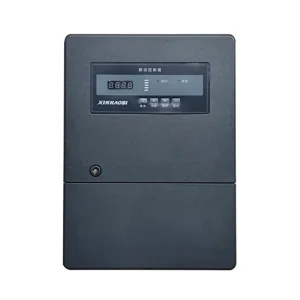
Selecting the right communication protocol is critical for modern industrial facilities. Our control boxes support standard Modbus RS485 loops, allowing seamless integration with legacy PLC environments. For modern, spread-out facilities, we offer wireless pressure monitors and smart detectors that use LoRaWAN or NB-IoT networks.
These wireless systems run on ultra-low-power microcontrollers and optimized battery packages, providing continuous safety monitoring in remote locations where running control cables would be cost-prohibitive. This flexibility makes them ideal for municipal pipeline networks, off-grid storage yards, and temporary chemical staging sites.
Over two decades of safety engineering innovation, tracking our expansion from regional startup to global OEM provider.

Technical answers to key questions about gas detection system deployment, safety standards, and OEM options.
For most industrial applications, we recommend calibration every 6 months to maintain accuracy and prevent sensor drift. In highly demanding or harsh environments—such as petrochemical plants with chemical pollutants—calibrating every 3 months is advised.
Under ISO/IEC 17025 and our CNAS certification guidelines, we provide traceably calibrated sensors using high-accuracy reference gas blends to ensure long-term stability.
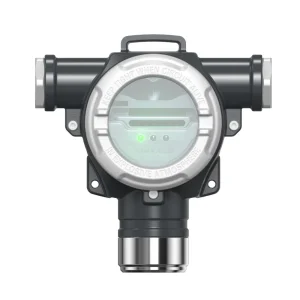
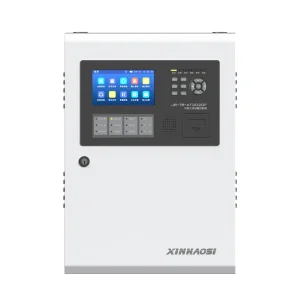
Achieving Safety Integrity Level 2 (SIL2) compliance requires designing redundant loops. This usually involves setting up a 1-out-of-2 (1oo2) or 2-out-of-3 (2oo3) logic system with our explosion-proof gas detectors (such as the GTYQ-AT0503) connected to a SIL-certified safety controller (like the JB-TB-AT2020F).
Additionally, the safety system must feature automated diagnostic routines. These monitor for wire breaks, sensor drift, and valve coil failures, ensuring a safe shutdown state if a component fails.
Catalytic combustion sensors are best suited for monitoring combustible gases (like methane, propane, and butane) in the Lower Explosive Limit (LEL) range. They work through catalytic oxidation, which produces heat proportional to the gas concentration.
Electrochemical sensors are used to detect toxic gases (like carbon monoxide, hydrogen sulfide, and chlorine) in parts-per-million (ppm) ranges. They work through chemical oxidation or reduction at an electrode, producing an electrical current proportional to the target gas concentration.
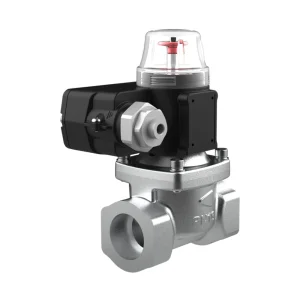
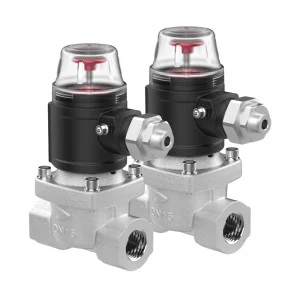
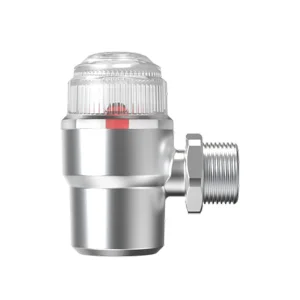
Normally Open (N.O.) Valves (like our XF5III and XF3III series) remain open during normal operation without drawing power. In a gas leak event, the control panel sends an electrical pulse to close the valve, stopping the gas flow. These valves are energy-efficient and prevent unexpected gas shutdowns during power outages.
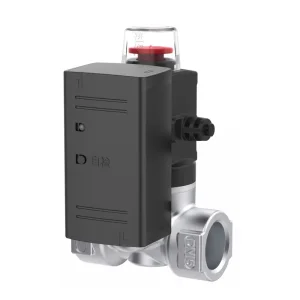
Normally Closed (N.C.) Valves (like the CT-XF5 series) require continuous power to stay open. If power is lost or a gas leak is detected, the valve immediately closes. This design is preferred for high-risk applications where absolute fail-safe operation is required during blackouts.
We provide full-service OEM and ODM options for global gas safety partners, including:
• Custom brand labeling and industrial design for enclosures.
• Custom gas calibrations for specialty gases (e.g., hydrogen, industrial solvents).
• Protocol integration for Modbus, CAN Bus, and wireless communications (LoRaWAN/NB-IoT).
• Development of specialized firmware and PC monitoring interfaces to meet local regulatory and safety standards.
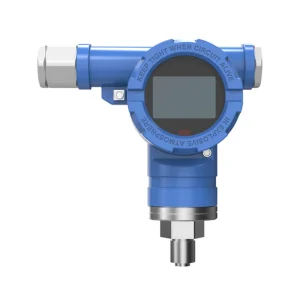
Complete your safety monitoring systems with our range of rugged emergency shutoff valves, pressure transmitters, and flame detectors.