Browse our high-performance household and industrial safety products engineered to provide real-time protection and rapid gas shutoff capabilities.
In modern industrial processing, commercial energy deployment, and smart urbanization, gas safety systems constitute a non-negotiable layer of protection. Among these, the **gas cut off valve** acts as the final control element—the physical gatekeeper that halts the flow of volatile hydrocarbons or hazardous gases in milliseconds. As industries transition to automated, IoT-enabled architectures, the demand for high-integrity shut-off valves has experienced unprecedented growth worldwide.
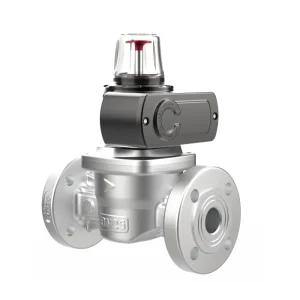
Globally, gas cut off valves are categorized by their actuation mechanism: electromagnetic (solenoid) shut-off valves, motorized rotary valves, and pneumatic control valves. In household environments, lightweight, low-voltage, dry-battery-powered wireless solenoid valves have revolutionized local fire safety. Conversely, industrial zones require robust, explosion-proof, normally-open or normally-closed solenoid systems capable of enduring corrosive atmospheres, high pressure, and extreme temperatures.
OEM and ODM collaboration plays a pivotal role in this supply chain. Because gas safety standards differ significantly by jurisdiction (e.g., ATEX/CE in Europe, UL/FM in North America, and GB/CPA in China), sourcing from a manufacturer with built-in compliance, rigorous CNAS laboratory verification, and extensive design modularity is the only way global distributors can guarantee long-term site integrity.
"True safety is not the absence of risk, but the presence of active, fail-safe mechanisms. Our industrial-grade gas solenoid valves are certified to shut off within 0.5 seconds when triggered, mitigating disasters before they propagate."
Founded in 2003, Xinhaosi is one of the most influential and trusted brands in the global gas safety industry. Over the past two decades, we have steadily built a robust and comprehensive production and service system, which integrates cutting-edge R&D, intelligent manufacturing with advanced automation equipment, digital marketing across global channels, professional after-sales support with an experienced technician team, flexible OEM/ODM services, as well as CNAS-Accredited laboratory calibration services that meet international standards.
Our diversified product portfolio covers industrial & residential gas detection & alarm systems, industrial & household gas solenoid valves, and urban gas pipeline network monitoring systems—all engineered to adapt to complex working environments and strict safety requirements. We produce and sell tens of millions of units annually, catering to a wide range of industries that demand reliable gas detection solutions, including oil & gas exploration and production, petrochemicals, urban gas distribution, automotive manufacturing, pharmaceuticals, new energy, steel production, and beverage processing.

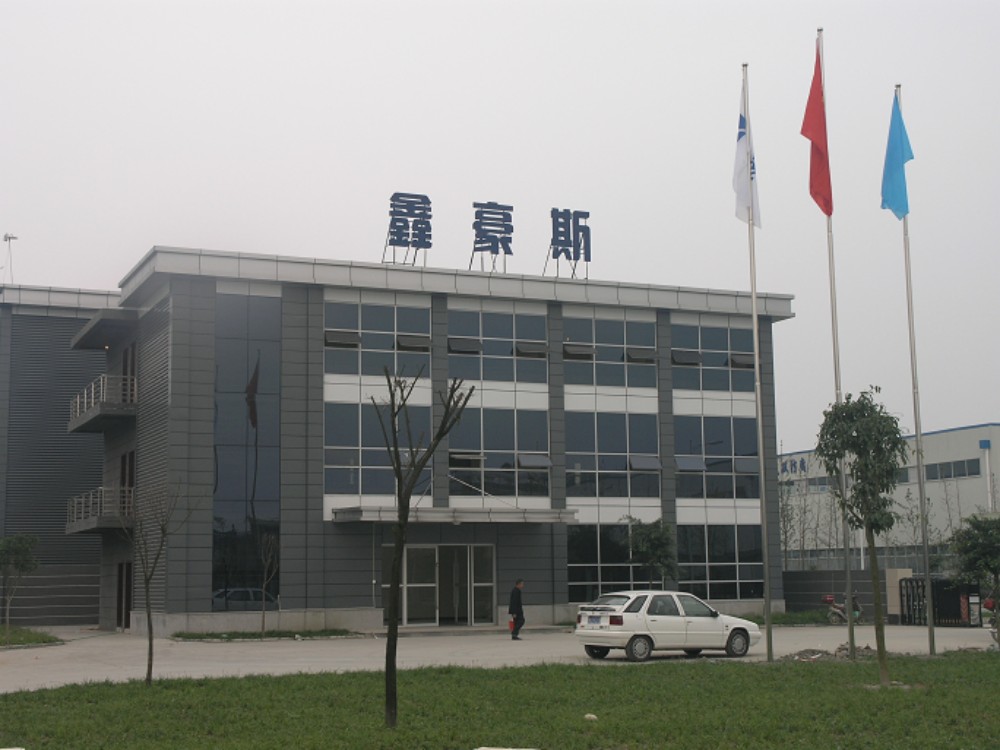
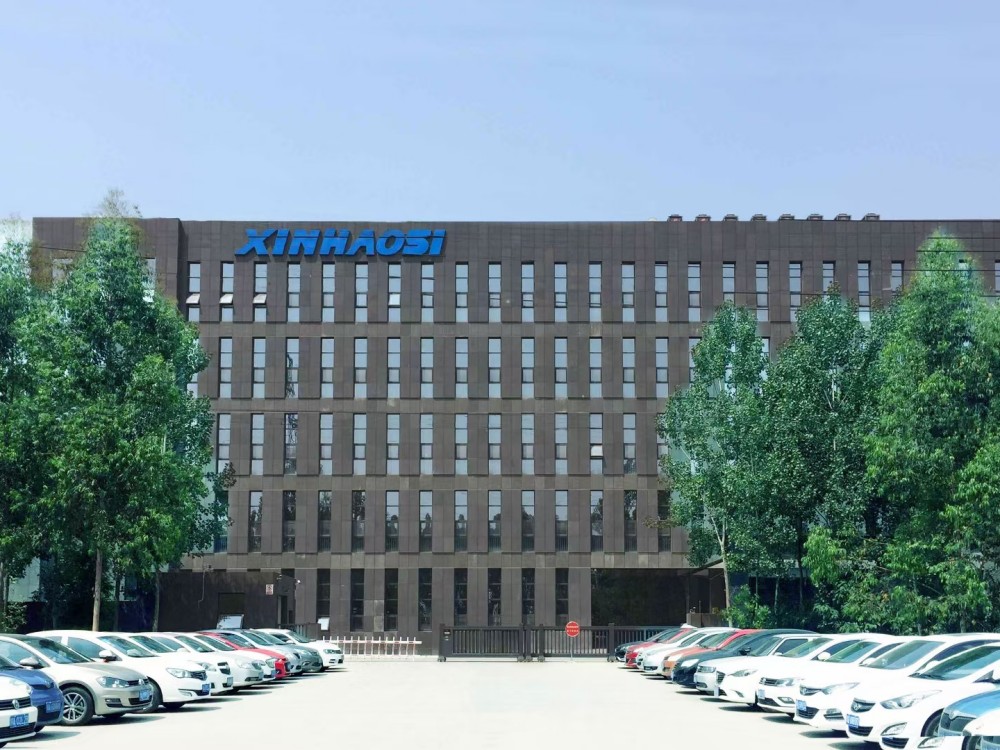
Chengdu Factory & Office

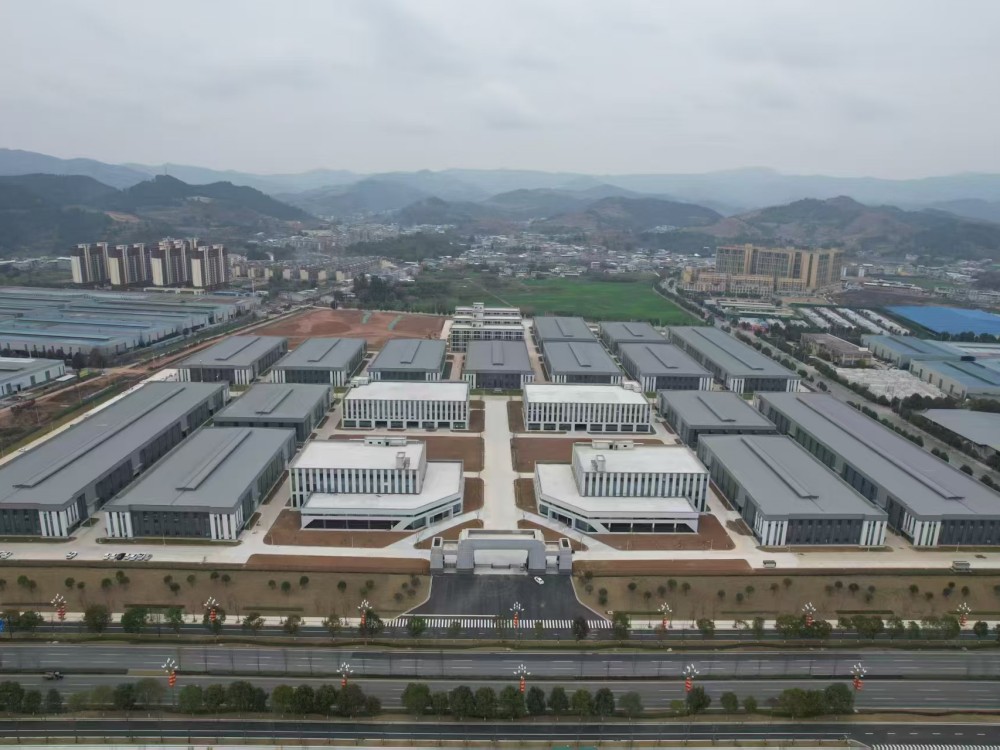
Deyang Factory
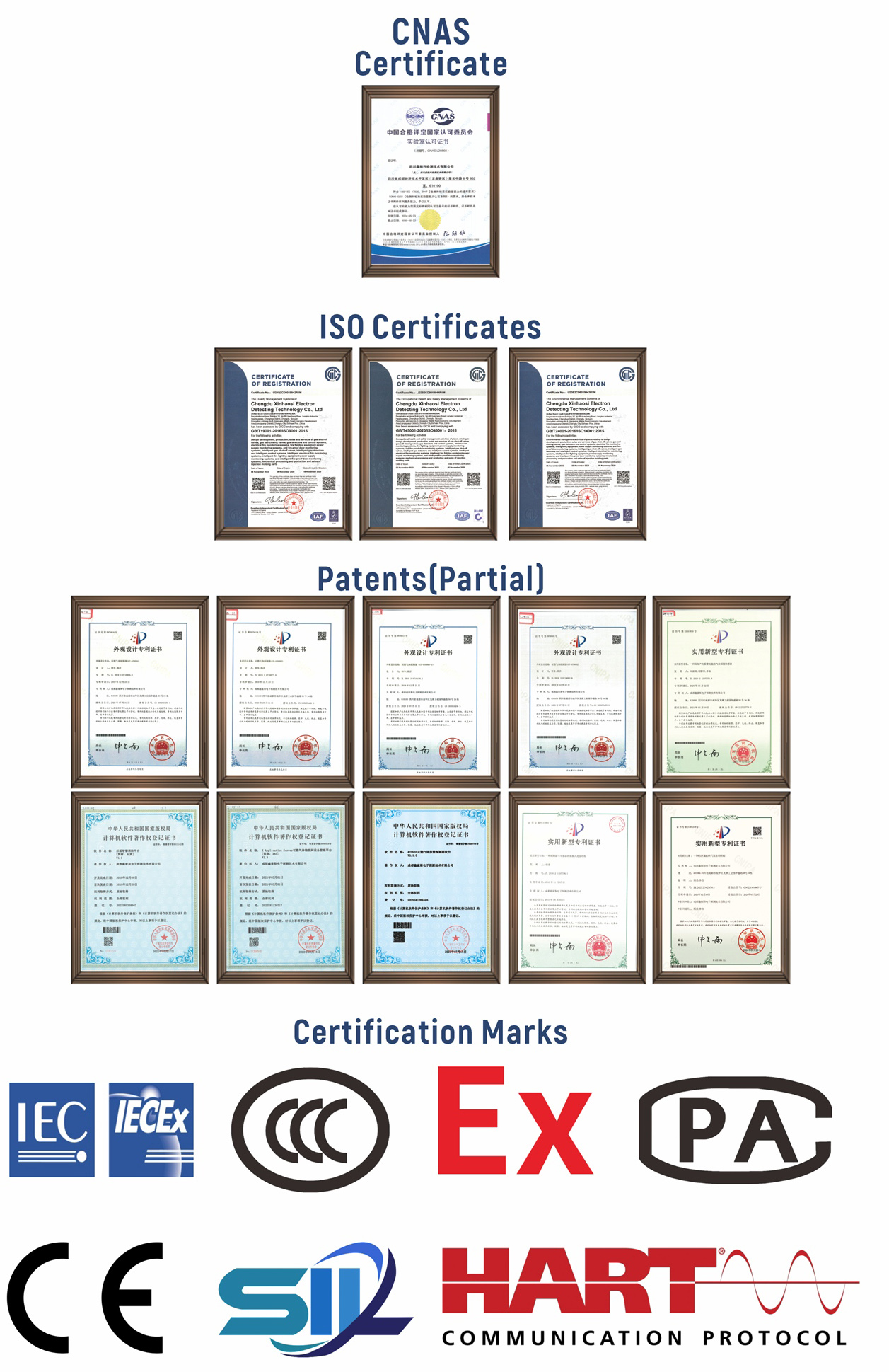
Adhering to ISO9001 quality management system standards, Xinhaosi's core products have obtained a full range of authoritative certifications, including national compulsory Products Certification, explosion-proof certification, fire product certification, CPA measurement instrument type approval certificate, and international approvals such as CE and SIL. Additionally, Xinhaosi holds honors such as "National Quality Integrity Benchmark Enterprise" and "National Quality Leading Enterprise in the Gas Alarm Industry," is a member of the China Fire Protection Association, and serves as the **main drafting organization for the national standard of solenoid valves**, further confirming its industry influence and reputation.
In the field of intellectual property, Xinhaosi has built a robust innovation system with **over 50 patents and software copyrights**. These patents cover core technological areas, including a graphical monitoring system for gas detection and alarm, which enables predictive maintenance based on historical data to reduce equipment failure rates by over 30%, and a solenoid valve with flow monitoring functionality that integrates flow detection and alarm capabilities. The company also pioneered China's first networked bus-type gas leakage monitoring system and the only maximum-point gas leakage monitoring system certified by the Ministry of Public Security, demonstrating its leading position in cutting-edge technological research.
Deploying tailored gas mitigation technologies across residential networks, manufacturing hubs, and hazardous industrial complexes.
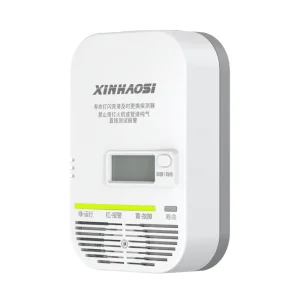
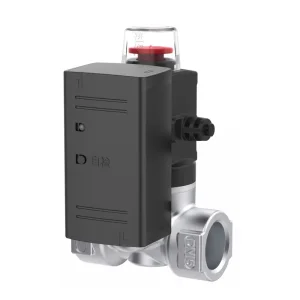
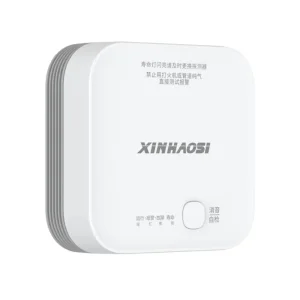
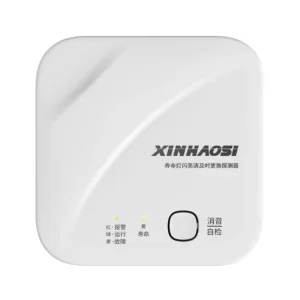
Implementing low-voltage, dry-battery-powered household gas detectors integrated with auto-shutoff wireless solenoid valves. In the event of a minor methane or LPG leak, the detector wirelessly commands the valve to snap shut, safeguarding high-density residential buildings.
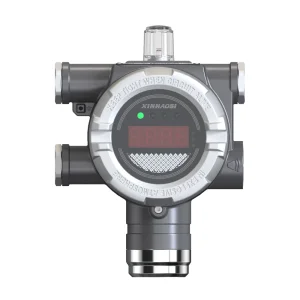
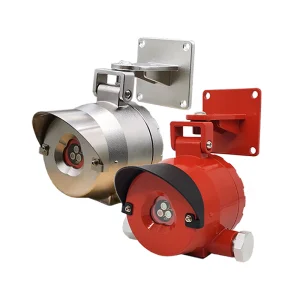
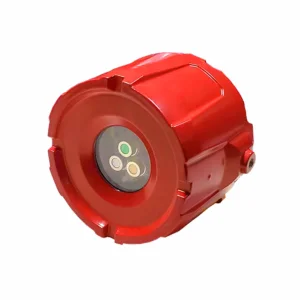
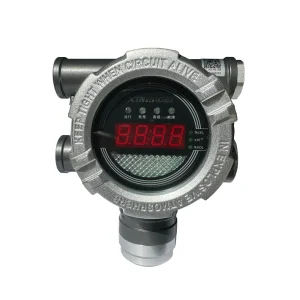
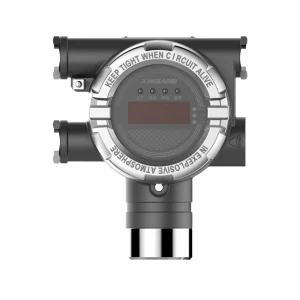
Heavy-duty, explosion-proof gas detectors (such as the GTYQ-XP4000B) paired with cast-steel, normally-open gas solenoid valves. These setups handle extreme line pressures and chemical vapor exposure in refineries, pharmaceutical synthesis labs, and paint shops.
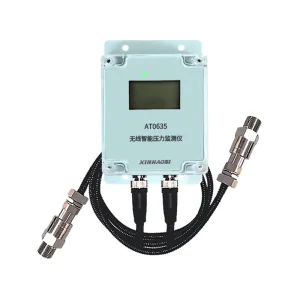
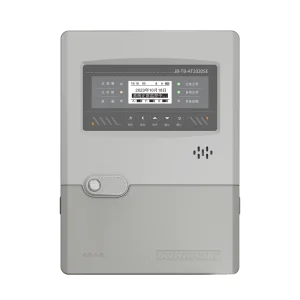
Leveraging centralized bus-type monitors and smart pressure sensors to monitor extensive municipal utility distributions. Advanced warning metrics and remote cut-off zones reduce utility line failures and gas dispersion risks across smart cities.
As industry requirements move from reactive safety mechanisms to **preventative automation**, the technology roadmap for OEM gas cut off valve manufacturing is shifting toward AI-assisted decision systems and ultra-low-latency wireless protocols. Standard safety systems shut down gas flow post-exposure. Next-generation systems analyze transient gas concentration gradients, pressure oscillations, and ambient temperature rises to predict a leak before it escalates to explosive concentrations.
Decades of dedicated development, scaling production, and advancing intelligent gas safety networks globally.
● Established on April 17th, 2003.
● Launched the 1st generation of gas leak alarm & firefighting products.
● Started gas safety valve production.
● Expanding on OEM business.
● Moved to the corporate office building in Longtan Industrial Park.

● 10 million pcs gas detector sales achieved.
● Moved into the specialized Chengdu factory building.
● Completed extensive sales & service network across China.
● Launched fire power monitoring system products.
● Self-developed gas safety IoT platform launched.
● Launched fire automatic alarm, emergency lighting, and evacuation systems.
● Obtained high-tech enterprise certificate.
● Qualified as an official supplier of China’s top 5 gas suppliers.
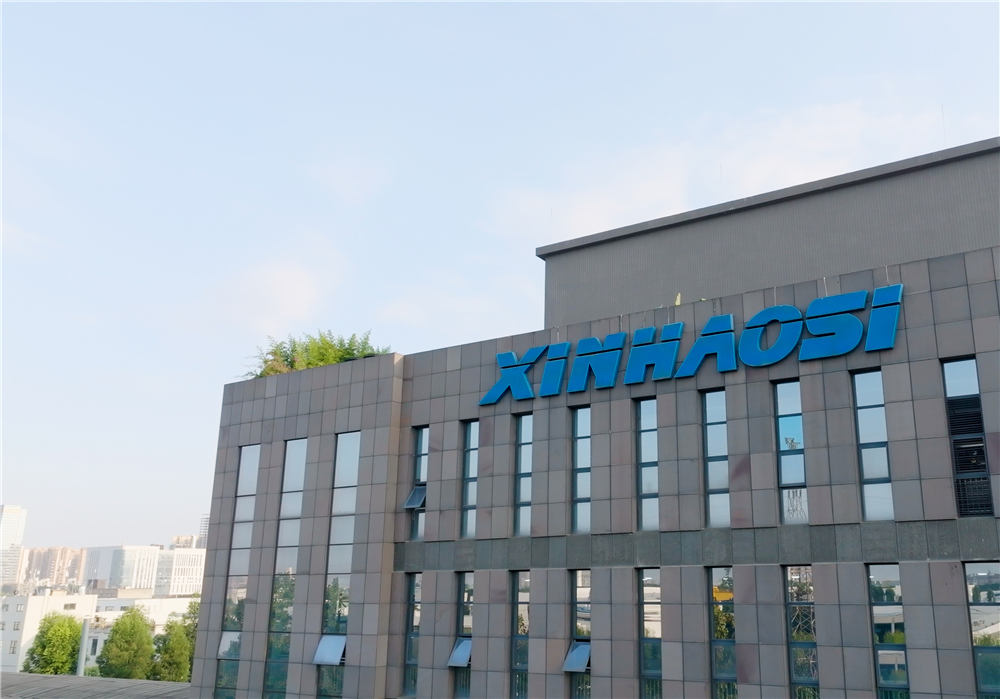
● Started construction of the state-of-the-art Deyang factory.
● Established the Petrochemical & International Business Division.
● Awarded the title of Sichuan Provincial Technology Center.
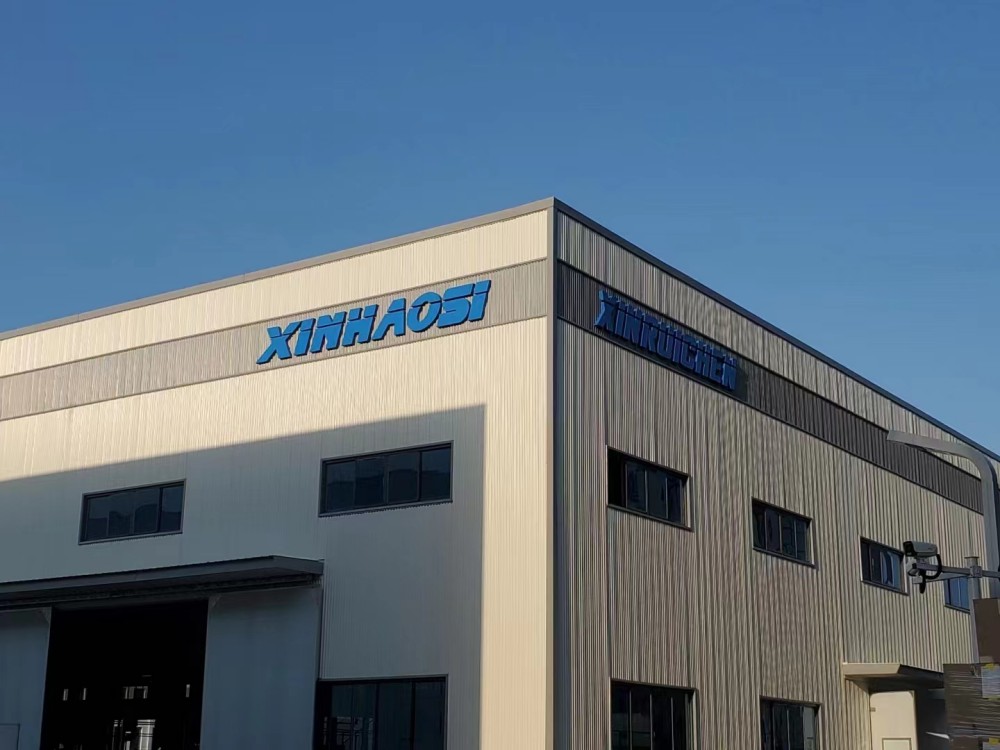
● Deyang factory construction completed and operations started.
● Launched urban gas pipeline network monitoring products.
● Launched wireless detection products.
● Launched AI safety valve products.
Key technical and regulatory answers for safety engineers, project buyers, and commercial distributors.
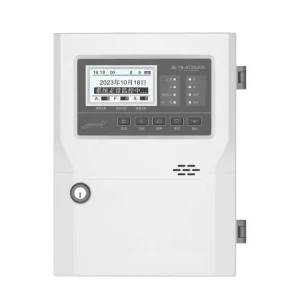
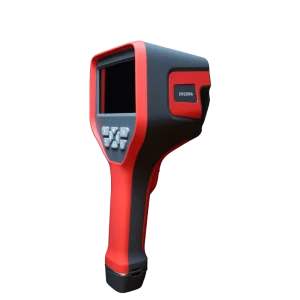
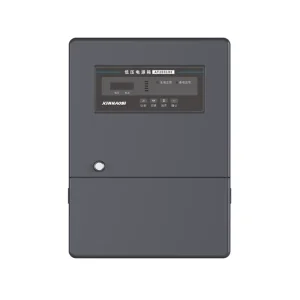
Explore the remainder of our advanced gas detection line-up, featuring robust control panels, handheld sniffers, and explosion-proof telemetry.