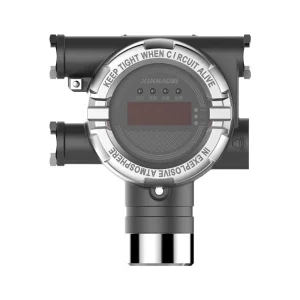
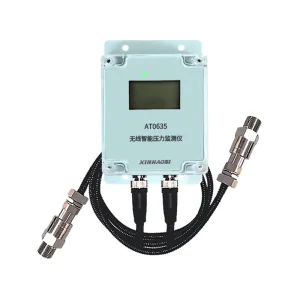
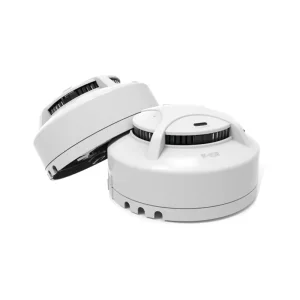
Premium OEM/ODM devices designed for industrial reliability, residential protection, and system monitoring
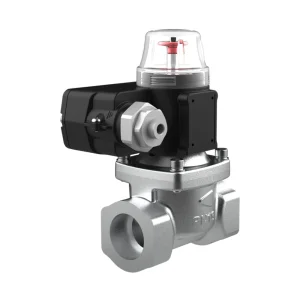
In modern process industries, the term 2 Gas Solenoid Valve refers to key regulatory configurations—specifically 2-stage (dual stage) shut-off and high-flow 2-way emergency automatic shut-off systems. These devices are critical points of control in systems distributing combustible gases like methane, LPG, natural gas, and hydrogen blends.
With global industrial operations expanding in complexity, the necessity for high-reliability components is rising. High safety thresholds dictate that emergency shut-off valves must shut off gas pipelines in less than one second when triggered by a central monitoring system. This requires robust electromagnetic actuators, low-friction seal interfaces, and corrosion-resistant alloys that perform consistently over decades.
As governments globally enforce stricter environmental and safety codes (such as EN 161, ATEX directives, and SIL safety standards), the demand for certified manufacturers capable of custom OEM/ODM delivery has surged. Industrial procurers look beyond catalog items; they require deeply specialized partners that combine mechanical mastery with digital-twin design capability, raw material testing, and agile manufacturing.

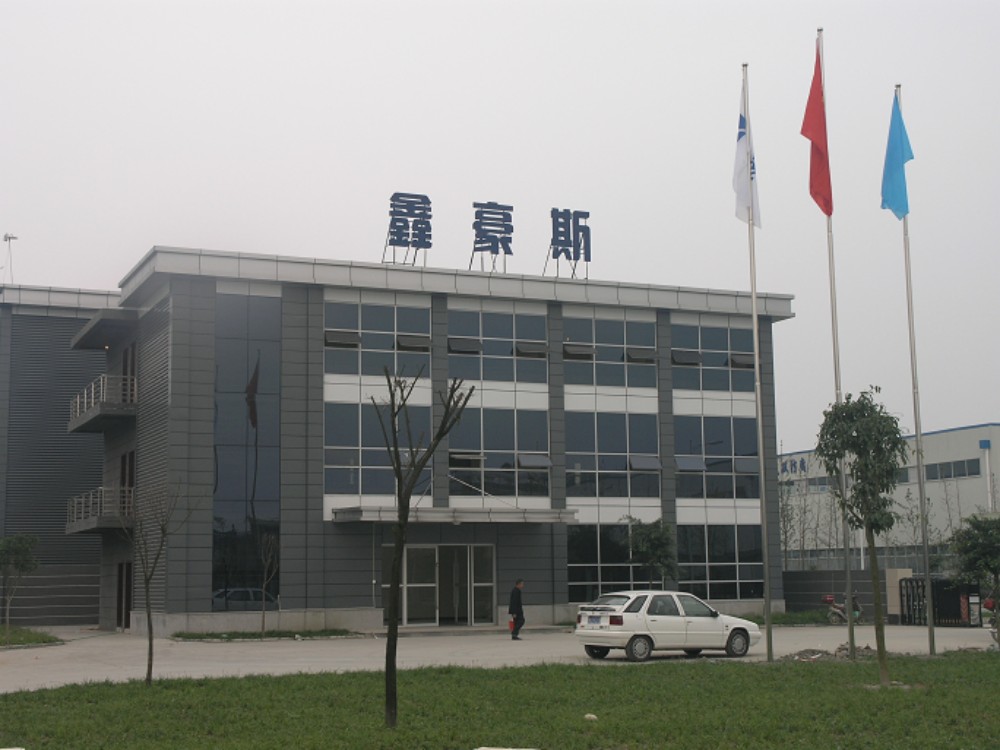
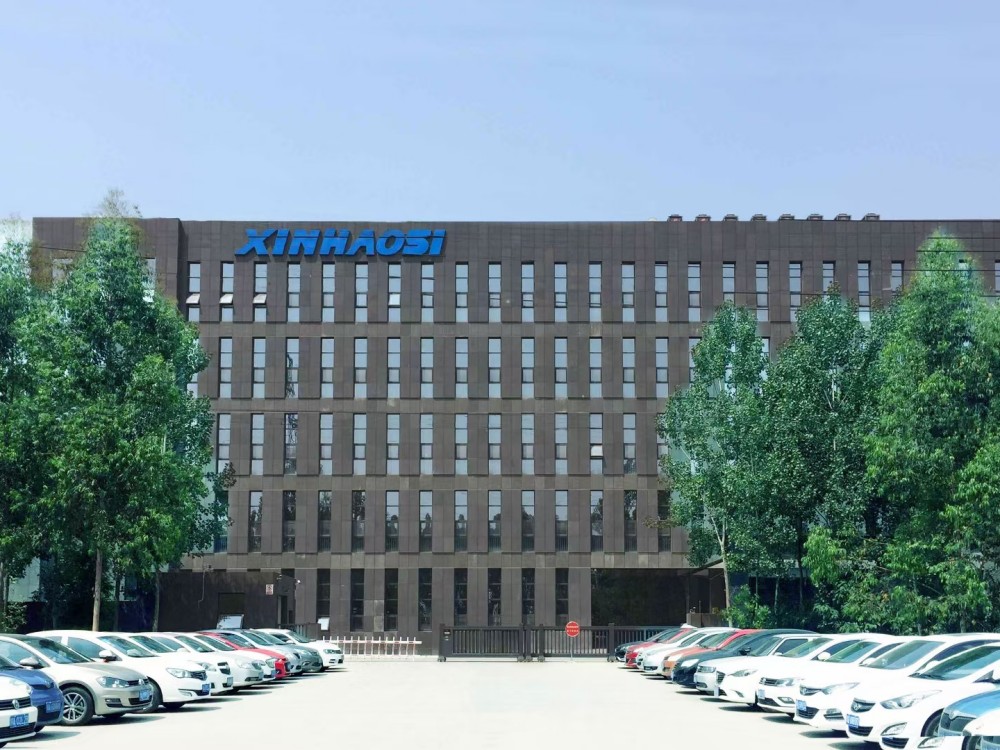
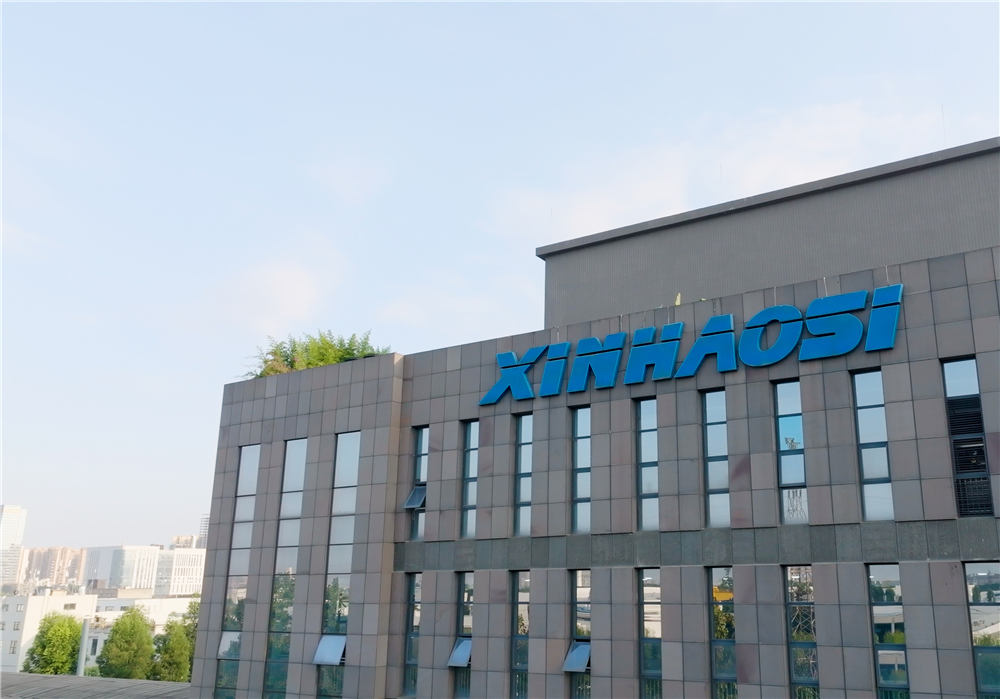
Chengdu Head R&D Base & Office

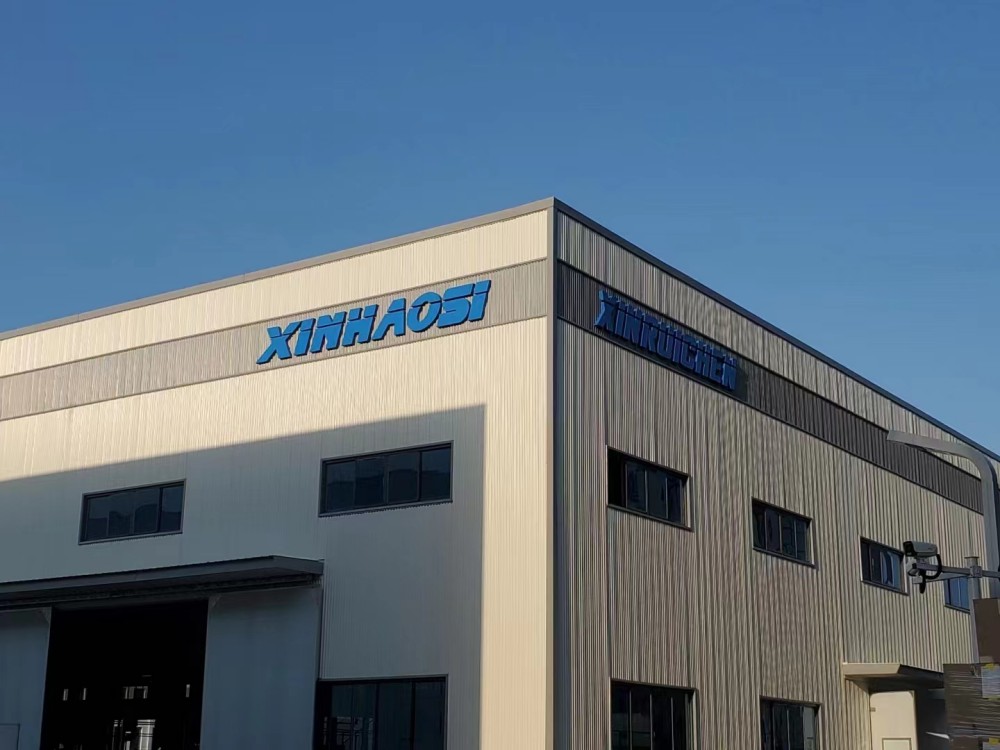
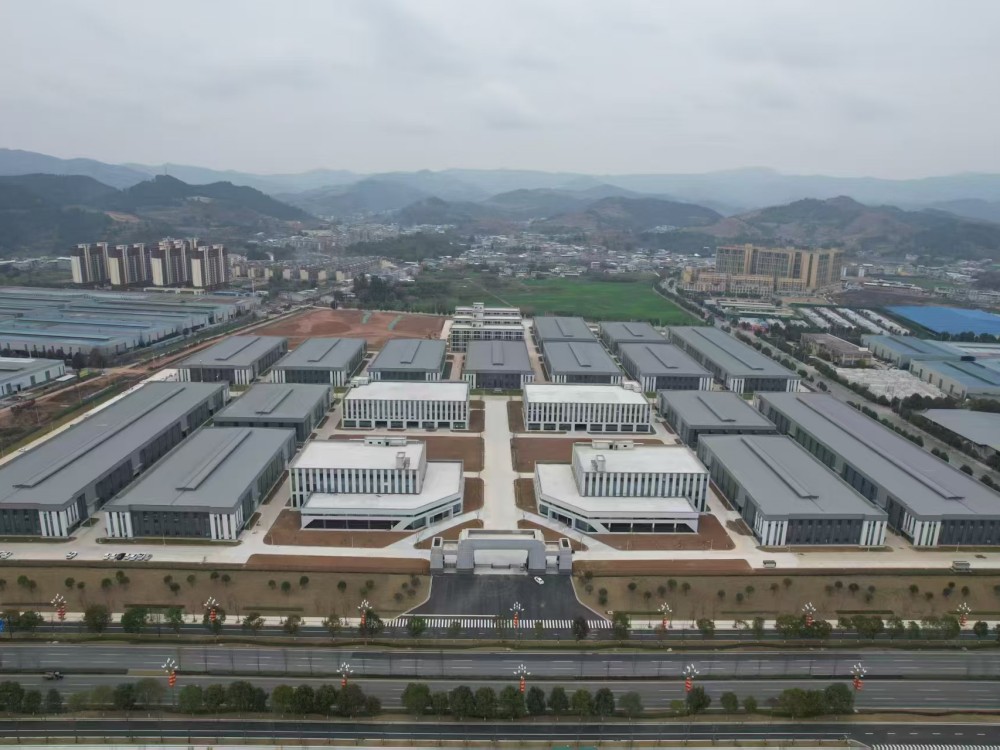
Deyang Intelligent Production Base
How IoT integration, hydrogen transition, and smart diagnostics are shaping the next generation of flow control
Traditional solenoid valves operate as basic open/close units. Next-generation systems feature integrated sensors that trace coil temperature, valve seat alignment, and internal pressure drops. This data feed connects to Edge Computing units and PLC systems using Modbus or Industrial Ethernet, allowing predictive maintenance that reduces unexpected shutdowns by up to 30%.
As the global energy mix shifts toward green hydrogen, gas safety equipment must handle smaller gas molecules and high diffusion rates. This requires specialized elastomers (like customized fluoroelastomers and EPDM compounds) and precise metal finishing to prevent hydrogen embrittlement. Modern 2 gas solenoid valves are certified for hydrogen mixtures up to 20% and pure hydrogen applications.
Continuous-duty solenoid valves can consume significant power and generate heat. Modern designs employ dual-winding coils or integrated electronic economizer circuits. This drops the hold-in current by up to 80% after actuation, lowering operating temperatures, extending coil service life, and supporting safety-instrumented systems (SIS) with limited backup power.
Founded in 2003, Xinhaosi has grown into a highly trusted brand in the global gas safety sector. Over the past two decades, we have established a comprehensive production and service ecosystem. This model links advanced R&D with intelligent, automated manufacturing, global digital marketing, professional technical support, flexible OEM/ODM programs, and CNAS-accredited calibration services.
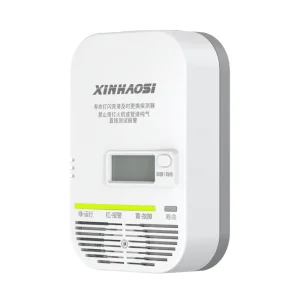
Our product portfolio spans industrial and residential gas detection systems, industrial and household gas solenoid valves, and urban gas pipeline monitoring systems—all designed to operate reliably in harsh, demanding industrial environments. Producing tens of millions of units annually, we serve sectors requiring high-grade safety configurations, including petrochemicals, metallurgy, power generation, commercial HVAC, mining, and municipal gas networks.
Driven by our mission—"Making Gas Safety Accessible Everywhere"—we tailor solutions to unique client specifications. Every valve and detector undergoes rigorous testing in our CNAS laboratory to verify compliance with global safety standards before shipping.
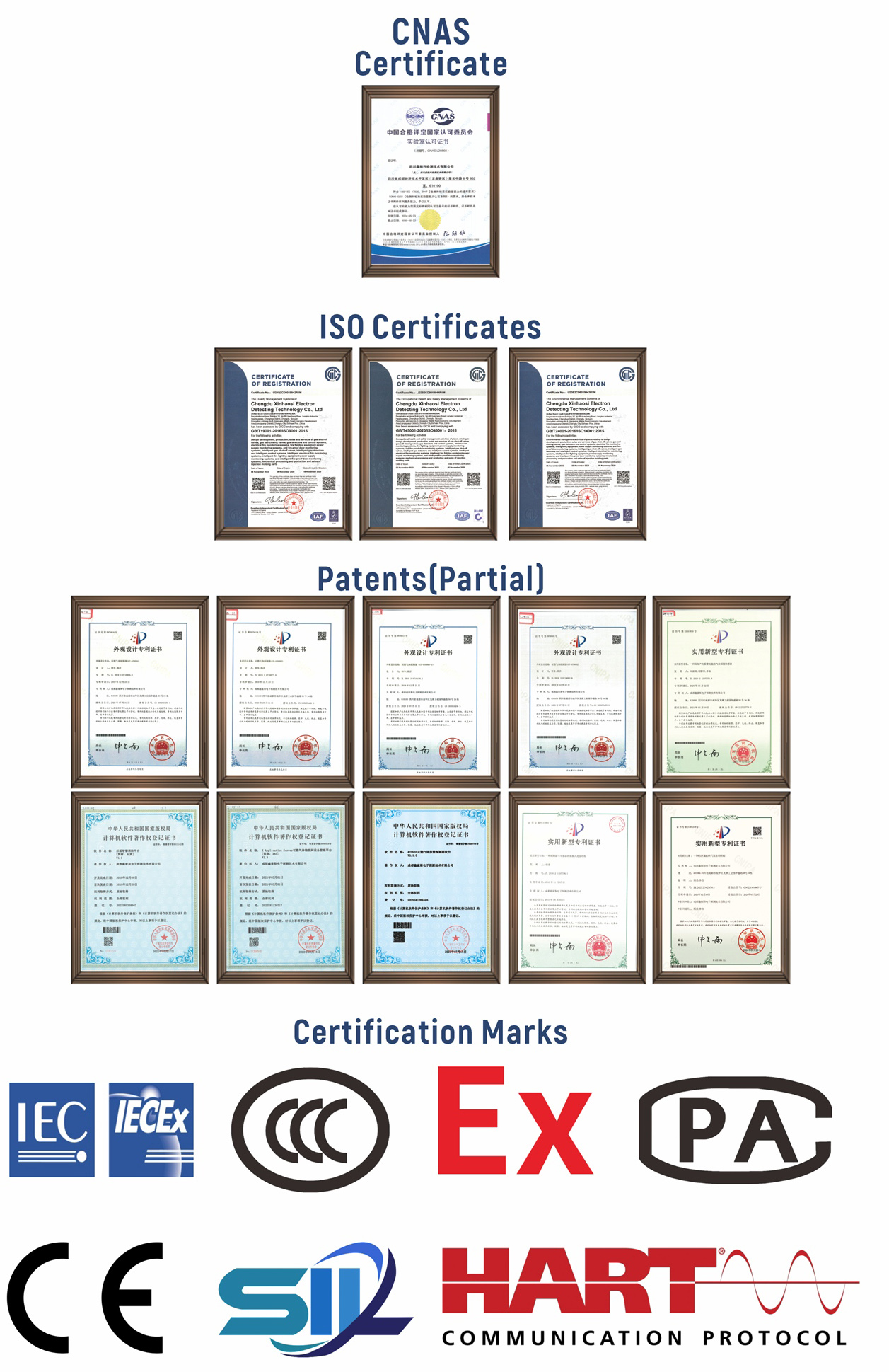
Operating under strict ISO9001 quality management standards, Xinhaosi's products have earned recognized certifications. These include national compulsory Product Certification (CCC), explosion-proof certification, fire safety approvals, CPA measurement type approvals, and international standards such as CE and SIL-2. Additionally, Xinhaosi holds honors including "National Quality Integrity Benchmark Enterprise" and is an active drafting member for Chinese national safety valve standards.
Our intellectual property portfolio includes over 50 patents and software copyrights. This includes a patented graphical gas monitoring dashboard that supports predictive maintenance to lower field failure rates by up to 30%. We also engineered a specialized flow-monitoring solenoid valve that combines flow metrics with automatic trip protection, and a high-capacity networked bus leak monitoring system certified by regional public safety departments.
Our in-house calibration and testing laboratory is accredited by the China National Accreditation Service for Conformity Assessment (CNAS), which is recognized internationally under the ILAC-MRA framework. Operating to ISO/IEC 17025 standards, our lab provides traceable, authoritative testing for gas detection and flow control devices. These test reports are accepted globally, helping clear international compliance and regulatory hurdles for our clients.
When sourcing 2 gas solenoid valves, international engineering firms must verify compliance across multiple technical and regulatory criteria:
How Xinhaosi leverages automation, digital logistics, and raw material access to secure global supply lines
Our Deyang and Chengdu production facilities feature automated high-precision assembly machinery. CNC machining centers handle valve body casting and finishing, keeping tolerances within microns. Robotic assembly lines build coil housings, wind magnet wire, and press-fit internal seals, reducing human error and ensuring consistent batch-to-batch build quality.
Located in the industrial hubs of Sichuan, China, we maintain deep partnerships with regional aluminum, copper, steel, and elastomer suppliers. This localization shields us from global raw material shocks, allowing us to maintain stable lead times and raw material pricing even during volatile market cycles.
Every single valve is tested before leaving the factory. Using automated diagnostic benches, we test for gas seat tightness, coil resistance, insulation breakdown, and minimum actuation voltage. This comprehensive check ensures that each product shipped to global clients works reliably out of the box.
A history of growth, technical milestones, and industrial safety innovations over two decades

How our gas safety systems perform in diverse, challenging fields globally
In oil and gas exploration, raw flammable gas mixtures present corrosion and safety challenges. Our heavy-duty industrial solenoid valves, built from corrosion-resistant alloys with explosion-proof coil housings (Ex d IIC T6), shut off flow paths rapidly in the event of upstream leaks or pressure anomalies.
Municipal gas distributors require high-capacity, low-pressure drop shutoff valves for commercial boiler rooms and residential distribution stations. Our normally open valves stay open without power, using a mechanical latch that closes on a brief electrical pulse, which helps save power and prevents false trips during grid failures.
In high-density commercial kitchens, safety codes mandate interlocks between gas supply lines, ventilation fans, and fire suppression systems. Our fast-closing solenoid valves pair directly with gas leak detectors and emergency stop buttons to isolate the gas supply quickly in emergency events.
Addressing the technical, regulatory, and mechanical questions raised by lead procurement officers and system engineers
Direct-acting valves use electromagnetic force to lift the plunger off the valve seat, requiring no minimum system pressure to operate—ideal for low-pressure systems. Pilot-operated valves rely on system pressure differential to open and close, making them suitable for high-pressure, high-flow pipelines, though they require a minimum differential pressure to function properly.
SIL (Safety Integrity Level) certifies the functional reliability of safety components. SIL-2 compliance indicates that a component has a Probability of Failure on Demand (PFD) low enough to reduce system risk. This standard is required in refinery, chemical processing, and municipal gas plants where a valve failure could lead to major safety risks.
Sub-zero conditions can cause moisture in the gas to freeze, potentially jamming the valve seat. High media temperatures, conversely, can degrade rubber seals like NBR and cause electromagnetic coils to overheat. For temperature extremes, we use high-grade fluorocarbon (FKM) seals and class H insulated coils rated up to 180°C.
Normally open valves with manual resets offer enhanced safety. Once shut down by a gas leak detection signal, the valve remains locked closed even if the alarm signal stops or power is restored. This forces field personnel to inspect the site and manually reset the valve only after safety has been verified, preventing premature gas flow.
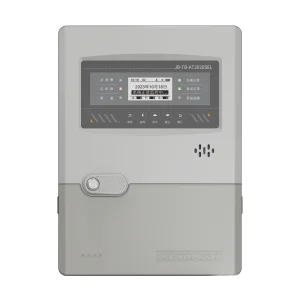
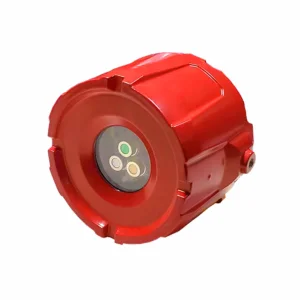
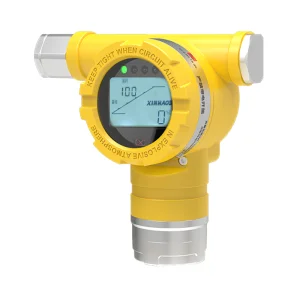
Complete your facility safety design with our explosion-proof line controllers and smart indicators