Factory direct overpressure prevention and control systems integrated for safety execution.
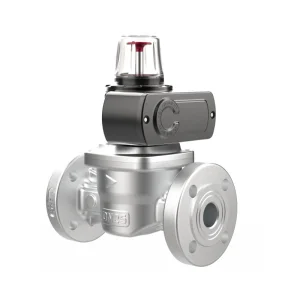
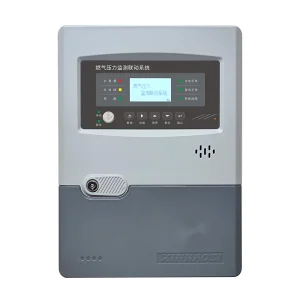
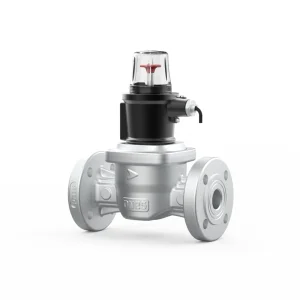
In modern heavy engineering, process piping systems, and energy transportation grids, the safety valve 2 inch configuration acts as a fundamental safeguard. Designed to execute instant, autonomous depressurization when system pressures cross set boundaries, these mechanical instruments prevent catastrophic piping explosions, protect costly processing equipment, and preserve human life in hazardous facilities.
Whether deployed in high-capacity steam boilers, petrochemical piping networks, or chemical processing plants, safety valves must adhere to rigorous design codes like ASME Section VIII Division 1, API 520, and EN ISO 4126. A 2-inch nominal pipe size (NPS 2 / DN50) safety valve serves as a highly versatile configuration, offering optimal flow discharge capacity without the bulk and pressure drop complexities of larger valve sizes. Finding the right manufacturer and factory requires checking their casting techniques, spring calibration rigs, and conformance to international certification protocols.
Globally, the market for 2-inch safety valves is driven by industrialization, urban natural gas grids, and the expansion of cryogenic LNG shipping. Because 2-inch piping handles medium-to-high pressure flow networks, DN50 relief systems are standard cross-industry selections. From a manufacturing perspective, specialized factories are shifting away from manual bench-testing to fully automated, digitally logged hydrostatic and pneumatic testing rigs. This change ensures that every calibrated spring performs reliably at the declared overpressure set point.
Aligning safety valve design parameters with ASME Section VIII and API Std 526 guidelines ensures maximum capacity and relief area certification for high-risk applications.
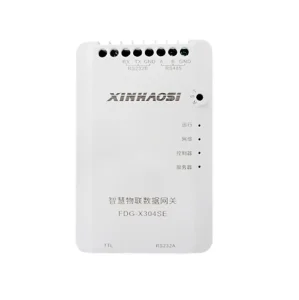
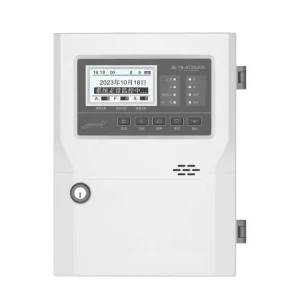
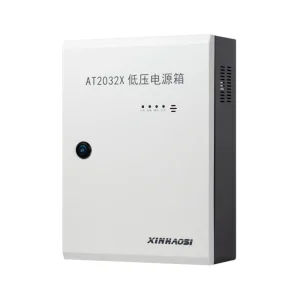
Real-time IoT pressure monitoring integrated with modern electronic control boxes allows systems to anticipate safety valve operations, reducing unscheduled plant downtime.
Utilizing Cast Carbon Steel (WCB), CF8M Stainless Steel, and Super Alloys prevents early seat pitting, galling, and chemical erosion from sour gas and corrosive fluids.
| Specification Parameter | Spring-Loaded Conventional | Pilot-Operated Safety Valve | Balanced Bellows Safety Valve | |
|---|---|---|---|---|
| Nominal Size | 2 Inch (NPS 2 / DN50) | 2 Inch (NPS 2 / DN50) | 2 Inch (NPS 2 / DN50) | |
| Set Pressure Ranges | 0.5 to 40 barg (dependent on spring) | Up to 100+ barg (dynamic pilot design) | 1.0 to 32 barg | |
| Temperature Boundaries | -196°C to +427°C | -45°C to +260°C | -196°C to +538°C | |
| Backpressure Thresholds | Up to 10% of set pressure limit | Up to 50%+ (independent of pilot vent) | Up to 30%-50% of set pressure limit | Up to 30%-50% of set pressure limit |
| Suitable Media | Steam, Air, Clean Gas, Hydrocarbons | High pressure clean gas, Liquefied gases | Corrosive, toxic, or variable backpressure media |
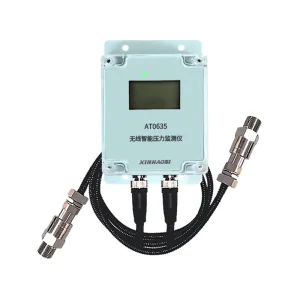
Traditional pressure safety valves (PSVs) operate purely on mechanical force balance. When the system pressure exerts a force on the disc exceeding the opposing spring force, the disc lifts, discharging the process media. However, modern industrial environments require greater system visibility. The integration of IoT technology is creating the "Smart Safety Valve." By equipping a 2-inch safety valve with mechanical lift sensors, acoustic emission detectors, and upstream wireless pressure monitors (such as the AT0635 Series Wireless Smart Pressure Monitor), operators can identify leaking seats, track real-time disc movement, and log the exact volume of discharged media.
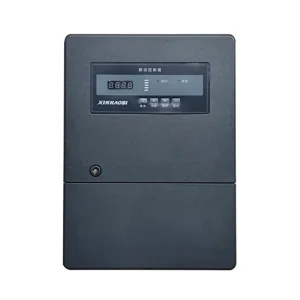
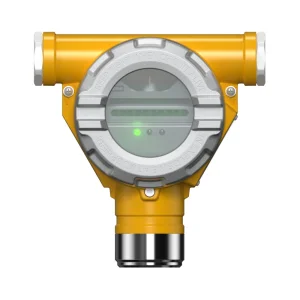
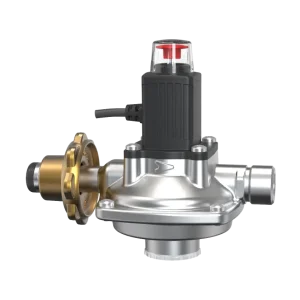
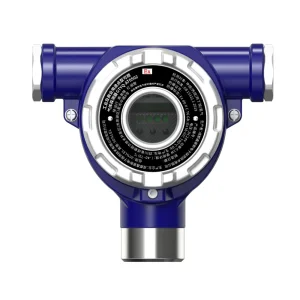
Integrating safety valves into broader hazard mitigation networks—linking them to gas detectors and shutdown loops—creates robust layer-of-protection safety architectures. When a safety valve vents gas into a header, localized sensors like the GTYQ-AT0505 or GTYQ-AT0502 Explosion Proof Combustible Gas Detectors immediately monitor ambient levels. If a leak or premature release occurs, the network triggers localized interlocks (via the JB-MK-AT2041/4G Interlock Control Box) to isolate upstream supply lines via gas solenoid valves (such as the CT-XF5 or XF3 series). This combined approach transforms isolated mechanical valves into active safety components within intelligent industrial facilities.
Founded in 2003, Xinhaosi is one of the most influential and trusted brands in the global gas safety industry. Over the past two decades, we have steadily built a robust and comprehensive production and service system, which integrates cutting-edge R&D, intelligent manufacturing with advanced automation equipment, digital marketing across global channels, professional after-sales support with an experienced technician team, flexible OEM/ODM services, as well as CNAS-Accredited laboratory calibration services that meet international standards.
Our diversified product portfolio covers industrial & residential gas detection & alarm systems, industrial & household gas solenoid valves, and urban gas pipeline network monitoring systems—all engineered to adapt to complex working environments and strict safety requirements. We produce and sell tens of millions of units annually, catering to a wide range of industries that demand reliable gas detection solutions, including oil & gas exploration and production, petrochemicals, urban gas distribution, automotive manufacturing, pharmaceuticals, new energy, steel production, and beverage processing.
Guided by the core mission of “Making Gas Safety Accessible Everywhere,” we consistently deliver high-performance, reliable products and customized solutions tailored to each client’s unique needs. Every item we manufacture undergoes rigorous quality control tests, and every service we provide is backed by our professional technical team, fully embodying our unwavering commitment to safeguarding gas safety across both industrial workplaces and residential environments, and striving to build a safer world with sustainable gas safety technologies.


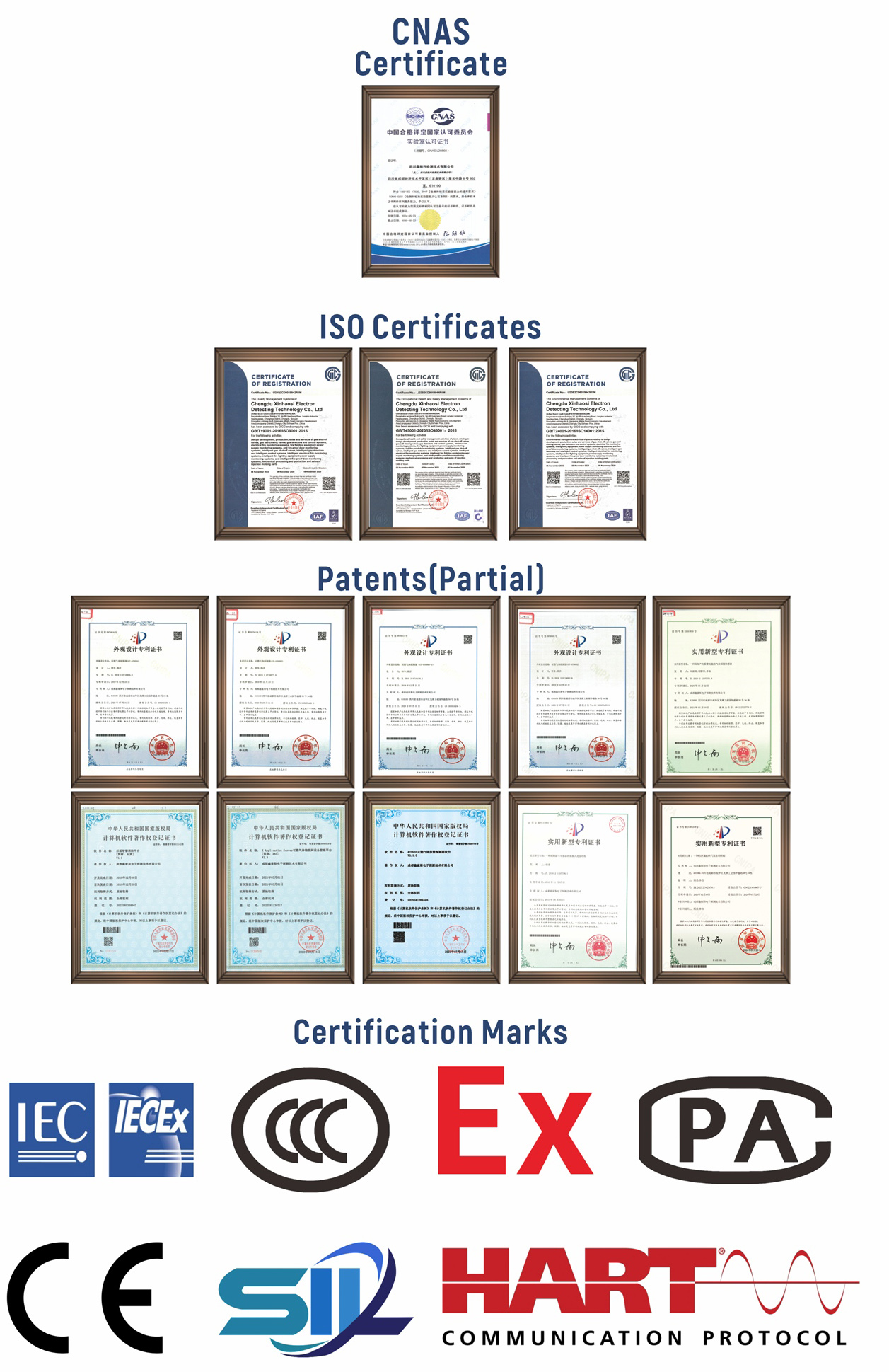
Adhering to ISO9001 quality management system standards, Xinhaosi's core products have obtained a full range of authoritative certifications, including national compulsory Products Certification, explosion-proof certification, fire product certification, CPA measurement instrument type approval certificate, and international approvals as CE, SIL. Additionally, Xinhaosi holds honors such as "National Quality Integrity Benchmark Enterprise" , "National Quality Leading Enterprise in the Gas Alarm Industry," member of the China Fire Protection Association, and the main drafting organization for the national standard of solenoid valves, further confirming its industry influence and reputation.
In the field of intellectual property, Xinhaosi has built a robust innovation system with over 50 patents and software copyrights . These patents cover core technological areas, including a graphical monitoring system for gas detection and alarm, which enables predictive maintenance based on historical data to reduce equipment failure rates by over 30%, and a solenoid valve with flow monitoring functionality that integrates flow detection and alarm capabilities . The company also pioneered China's first networked bus-type gas leakage monitoring system and the only maximum-point gas leakage monitoring system certified by the Ministry of Public Security, demonstrating its leading position in cutting-edge technological research.
Our in-house laboratory is accredited by the China National Accreditation Service for Conformity Assessment (CNAS), recognized both domestically and internationally under the ILAC-MRA framework. It operates in accordance with ISO/IEC 17025, the international standard for testing and calibration laboratories. It provides reliable and traceable testing services for gas detection and alarm products, solenoid valves, and related safety equipment. Test reports issued by the CNAS-accredited laboratory are widely accepted by regulatory authorities, certification bodies, and customers in China and overseas, helping to ensure product quality, safety compliance, and market access.
For more than 20 years, Xinhaosi has set the benchmark for gas system safety, manufacturing control, and technical reliability.
Established on April 17, 2003. Launched the 1st generation of gas leak alarm and fire fighting systems, targeting early commercial building applications.
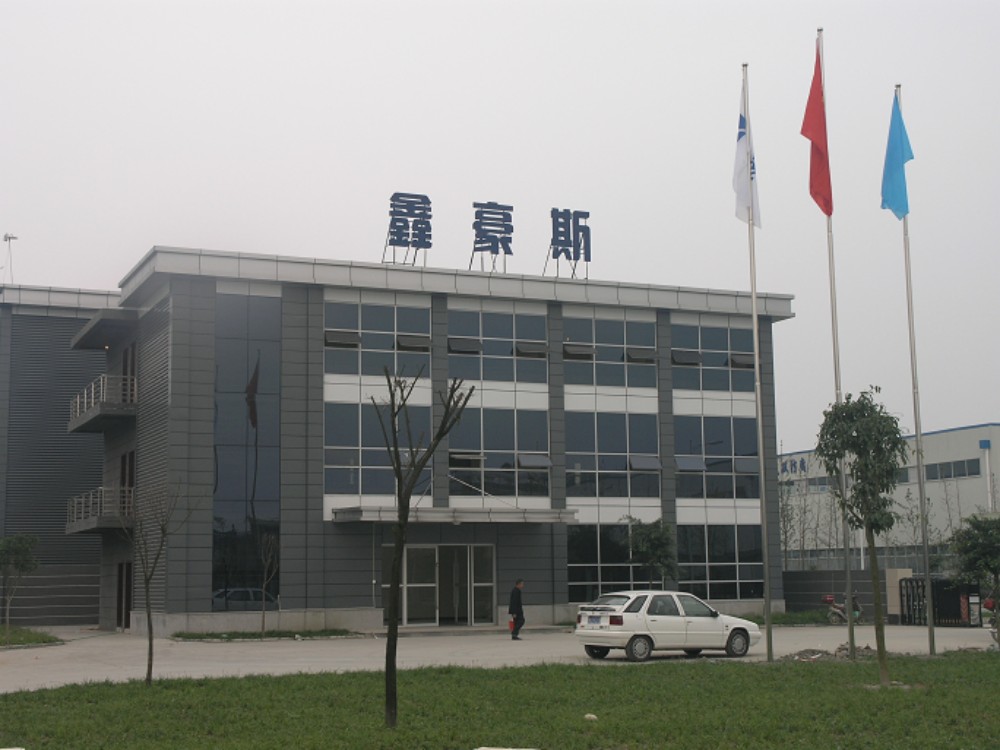
Initiated gas safety valve production lines and expanded OEM division. Relocated to the head office building in Longtan Industrial Park to handle growing capacity.

Reached 10 million units in sales of gas detectors. Moved to the modern Chengdu factory facility. Completed sales & service networks throughout China while launching the fire power monitoring system.

Developed and launched our in-house IoT Cloud platform. Deployed fire automatic alarm, emergency lighting, and evacuation systems. Certified as a High-Tech Enterprise and qualified as an official supplier to China's top 5 gas groups.

Began construction of the Deyang manufacturing base. Established the dedicated Petrochemical & International Business Division. Awarded the title of Sichuan Provincial Technology Center.
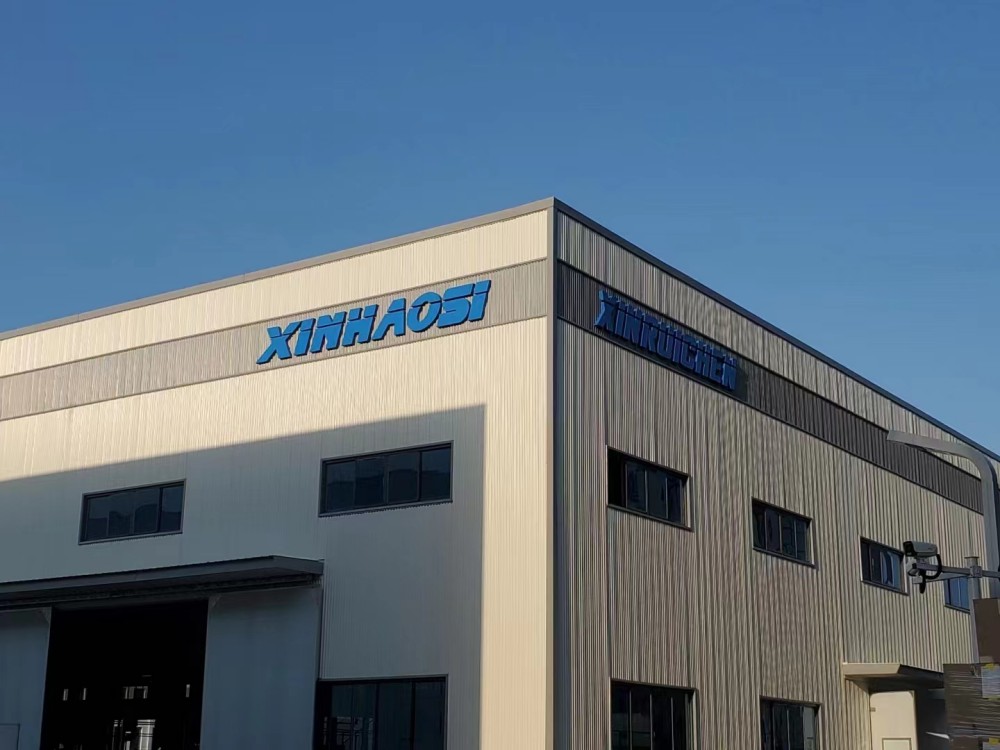
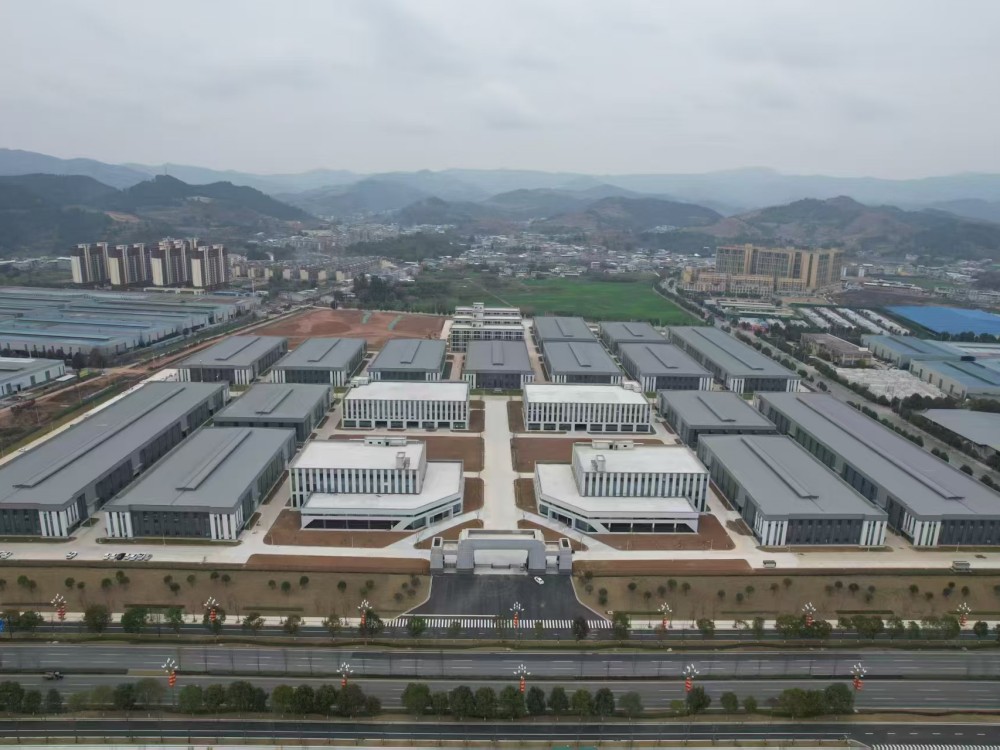
Completed and commissioned the Deyang factory. Launched urban gas pipeline network monitoring products, wireless detection sensors, and the latest generation of AI-driven safety valves.
Answers from our technical team on industrial overpressure protection and valve application.
Explore our range of gas leak detectors, smart pressure monitors, and interlock control panels.