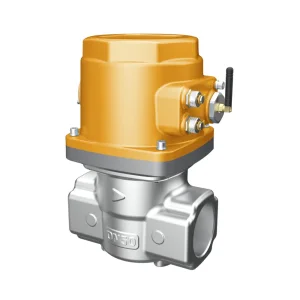
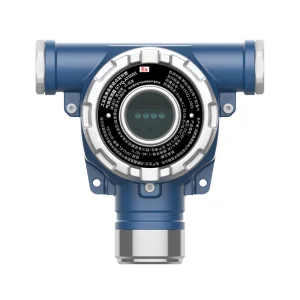
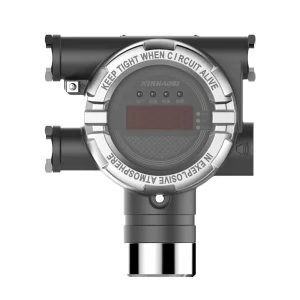
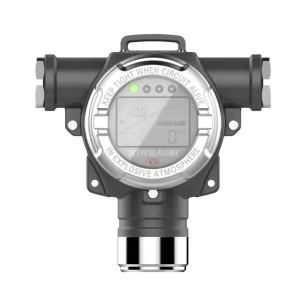
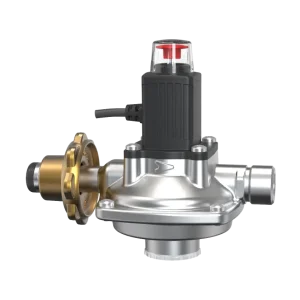
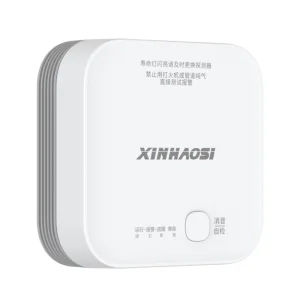
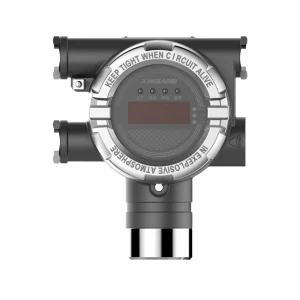
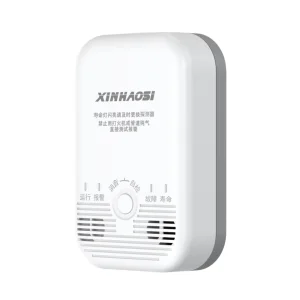
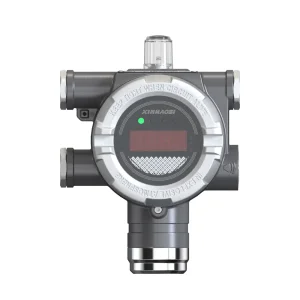
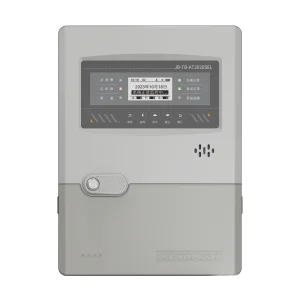
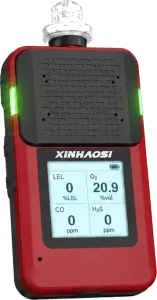
Explore our leading collection of industrial gas detectors, AI-enabled control valves, and hazardous area monitoring systems engineered for ultimate reliability.
Within hazardous environments, gaseous emissions present severe threats to infrastructure integrity, personnel safety, and operational continuity. Gas detection hardware acts as the first line of defense in chemical processing, oil refining, municipal utility distribution, and underground mining. Modern occupational health and safety (HSE) standards require gas detection equipment that is both highly accurate and resilient against environmental stressors like high temperatures, humidity, and chemical interference.
Information Gain Key Metric: Incorporating real-time Internet of Things (IoT) architectures and AI-driven edge calculations in emergency shutoff valves has shown a reduction in secondary combustion risks by up to 34.2% across industrial environments.
The global gas safety market has evolved from using basic flame monitors to utilizing multi-sensor, connected gas safety systems. Modern B2B buyers must evaluate two main strategies: fixed ambient gas monitoring grids and wearable, portable gas leak detectors. While fixed systems monitor specific equipment areas, portable gas detectors protect mobile technicians entering confined spaces or performing routine leak detection walks.
Sensor technologies are the foundation of these devices. B2B buyers must select the correct sensor type for their target gases. For instance, Catalytic Bead sensors are excellent for detecting combustible gases at Lower Explosive Limit (LEL) ranges, while Non-Dispersive Infrared (NDIR) sensors perform well in oxygen-depleted zones. Similarly, Photoionization Detectors (PID) are ideal for tracking volatile organic compounds (VOCs) at parts-per-million (ppm) levels.
| Sensor Technology | Target Gas Groups | Primary Applications | Response Time (T90) | Lifespan |
|---|---|---|---|---|
| Catalytic Bead (Lel) | Combustible Methane, LPG, H2 | Confined Spaces, Refineries | < 15 seconds | 3 - 5 Years |
| Electrochemical | Toxic (CO, H2S, O2, NH3) | Industrial Chemical Plants | < 25 seconds | 2 - 3 Years |
| NDIR (Infrared) | Hydrocarbons, CO2 | Silage Storage, Carbon Capture | < 20 seconds | 5 - 8 Years |
| PID (Photoionization) | VOCs, Benzene, Aromatics | Hazmat Responses, Fuel Terminals | < 3 seconds | 2 - 4 Years |
For B2B procurement managers, purchasing gas detection systems requires evaluating more than just the initial price. Technical specifications, certifications, compliance, and ongoing maintenance support are crucial for long-term safety. Key factors to evaluate include:
Xinhaosi's manufacturing infrastructure is built to meet high precision standards. Our Chengdu and Deyang facilities combine automated SMT production, robotic assembly, and digital testing systems. We produce millions of units annually, ensuring consistent quality across all production batches.
Every product undergoes rigorous environmental testing, including temperature cycling, vibration testing, and high-pressure gas exposure. This testing ensures our detectors perform reliably in harsh field conditions, such as high-temperature chemical plants and freezing offshore oil rigs.
Product certification is critical for safety hardware. Our in-house testing laboratory is CNAS accredited (ISO/IEC 17025 compliant), which allows us to issue traceable calibration certificates. Our products also carry international approvals like CE, SIL, and CPA. This compliance makes it easier for international buyers to import and deploy our equipment in strict regulatory markets.
Modern safety management is moving away from isolated alarms and toward integrated, connected safety networks. By combining wireless portable detectors with AI-controlled safety shutoff valves and centralized monitoring software, plants can respond to emergencies automatically.
For example, if a portable gas detector identifies a leak, it can automatically signal the central controller to shut down the gas line via an AI safety valve. This fast response contains the leak immediately, protecting nearby workers and preventing larger hazardous incidents.
Our production facilities are equipped with modern calibration equipment and automated testing lines.


Driving safety innovation through advanced graphical monitoring systems, flow-sensing valves, and networked bus-type systems.
Our graphical safety interface tracks historical gas concentrations to forecast potential risks, which has helped plants reduce device failure rates by over 30%.
We designed solenoid shutoff valves with built-in flow meters, allowing the system to verify leaks by measuring pressure drops along the line.
We developed a high-capacity networked monitoring architecture that connects multiple sensor nodes over long distances with minimal signal loss.
Adhering to ISO9001 quality management system standards, Xinhaosi's core products have obtained a full range of authoritative certifications, including national compulsory Products Certification, explosion-proof certification, fire product certification, CPA measurement instrument type approval certificate, and international approvals such as CE and SIL. Additionally, Xinhaosi holds honors such as "National Quality Integrity Benchmark Enterprise" and "National Quality Leading Enterprise in the Gas Alarm Industry." We are active members of the China Fire Protection Association and served as a main drafting organization for the national standard of solenoid valves, confirming our industry influence and technical expertise.
In the field of intellectual property, Xinhaosi has built a robust innovation system with over 50 patents and software copyrights. These patents cover core technological areas, including a graphical monitoring system for gas detection and alarms, which enables predictive maintenance based on historical data to reduce equipment failure rates by over 30%, and a solenoid valve with flow monitoring functionality that integrates flow detection and alarm capabilities. The company also pioneered China's first networked bus-type gas leakage monitoring system and a maximum-point gas leakage monitoring system certified by the Ministry of Public Security, demonstrating our leadership in technological research.
Our in-house laboratory is accredited by the China National Accreditation Service for Conformity Assessment (CNAS), recognized both domestically and internationally under the ILAC-MRA framework. It operates in accordance with ISO/IEC 17025, the international standard for testing and calibration laboratories. It provides reliable and traceable testing services for gas detection and alarm products, solenoid valves, and related safety equipment. Test reports issued by our CNAS-accredited laboratory are widely accepted by regulatory authorities, certification bodies, and customers in China and overseas, ensuring product quality, safety compliance, and global market access.
Over two decades of developing gas detection systems and advancing safety technology globally.
Answers to common questions from HSE managers and procurement directors on gas detection and system setup.
Explore our complete range of household gas alarms, system controllers, and explosion-proof field detectors.