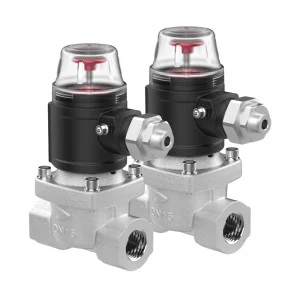
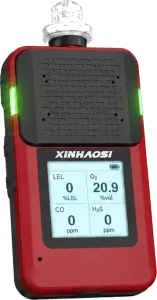
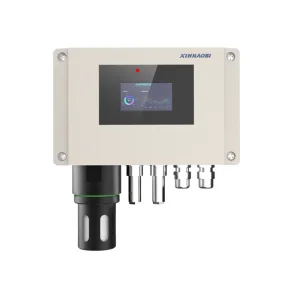
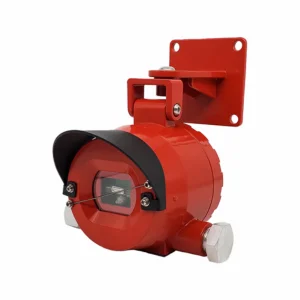
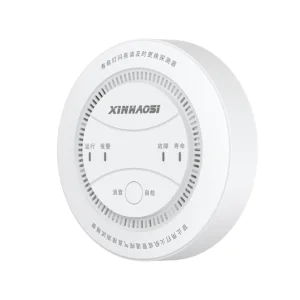
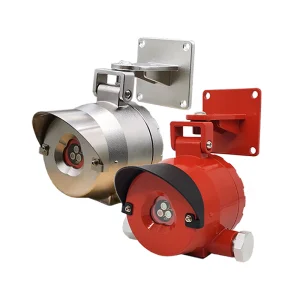
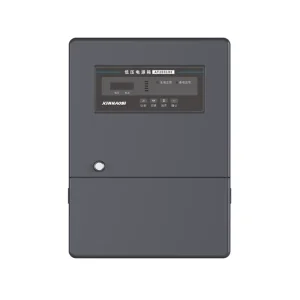
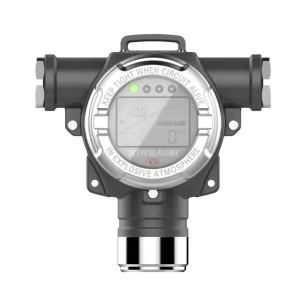
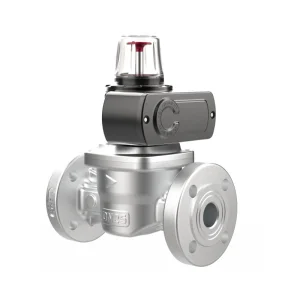
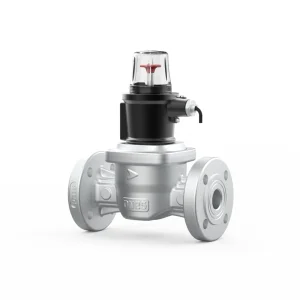
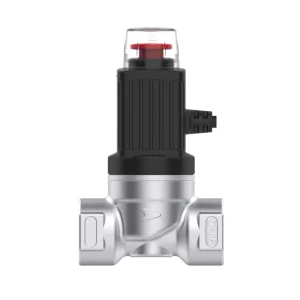
Select series engineered for critical explosion-proof containment and automation safety control.
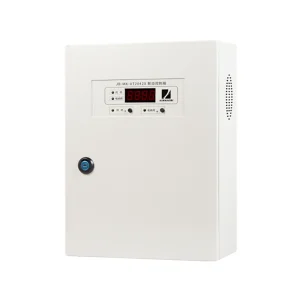
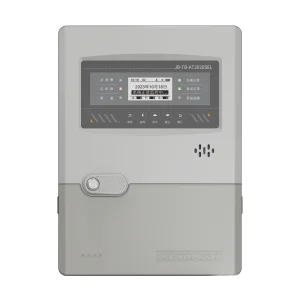
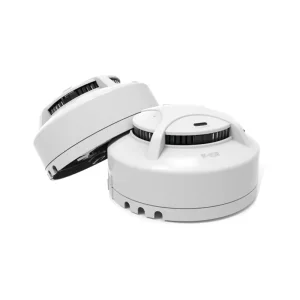
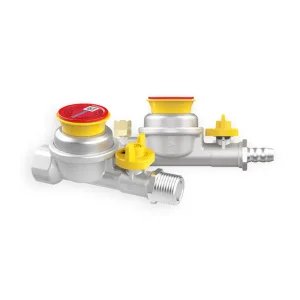
Analyzing the macro driving factors, standard regulations, and market trends shaping global industrial operations.
Our products are fully compliant with international safety regulations, including CE, SIL, and CPA measurement type approvals, providing reliable monitoring in hazardous industrial areas.
Modern sensor arrays require fast response times ($T_{90} < 15$ seconds) to detect gas leaks early and trigger automated shut-off systems before the lower explosive limit (LEL) is reached.
By connecting sensors directly to PLCs and DCS architectures via Modbus, 4-20mA, or wireless networks, industrial sites can build responsive, automated safety systems.
Founded in 2003, Xinhaosi is one of the most influential and trusted brands in the global gas safety industry. Over the past two decades, we have steadily built a robust and comprehensive production and service system, which integrates cutting-edge R&D, intelligent manufacturing with advanced automation equipment, digital marketing across global channels, professional after-sales support with an experienced technician team, flexible OEM/ODM services, as well as CNAS-Accredited laboratory calibration services that meet international standards.
Our diversified product portfolio covers industrial & residential gas detection & alarm systems, industrial & household gas solenoid valves, and urban gas pipeline network monitoring systems—all engineered to adapt to complex working environments and strict safety requirements. We produce and sell tens of millions of units annually, catering to a wide range of industries that demand reliable gas detection solutions, including oil & gas exploration and production, petrochemicals, urban gas distribution, automotive manufacturing, pharmaceuticals, new energy, steel production, and beverage processing.
Guided by the core mission of "Making Gas Safety Accessible Everywhere," we consistently deliver high-performance, reliable products and customized solutions tailored to each client's unique needs. Every item we manufacture undergoes rigorous quality control tests, and every service we provide is backed by our professional technical team, fully embodying our unwavering commitment to safeguarding gas safety across both industrial workplaces and residential environments, and striving to build a safer world with sustainable gas safety technologies.

Chengdu Factory & Office Area

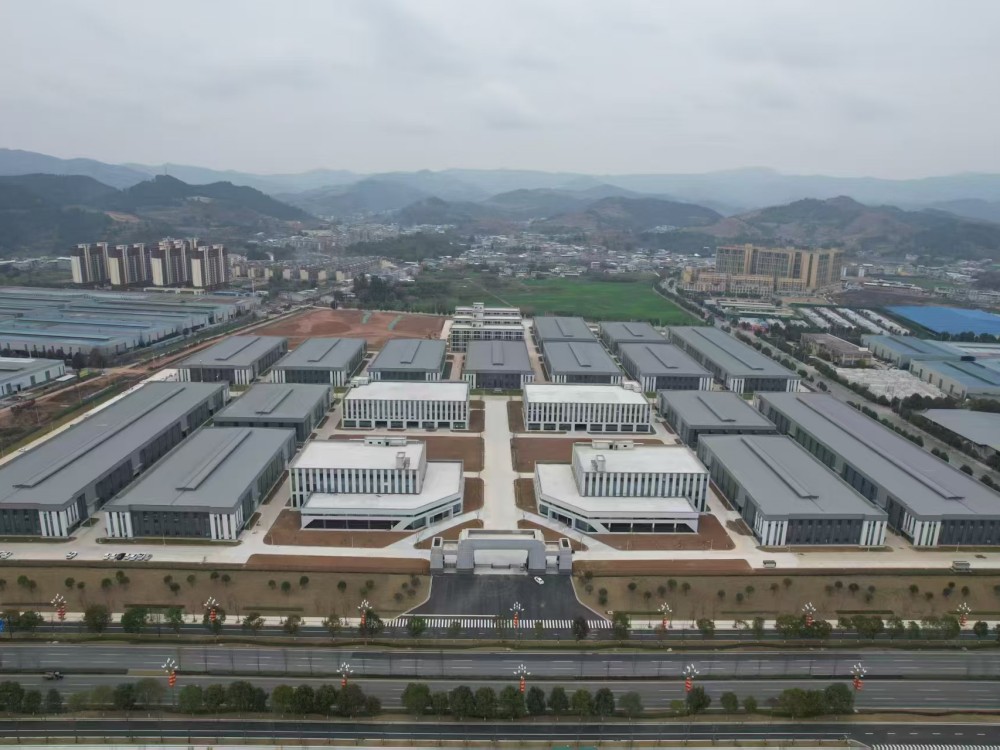
Deyang High-Tech Factory Facility
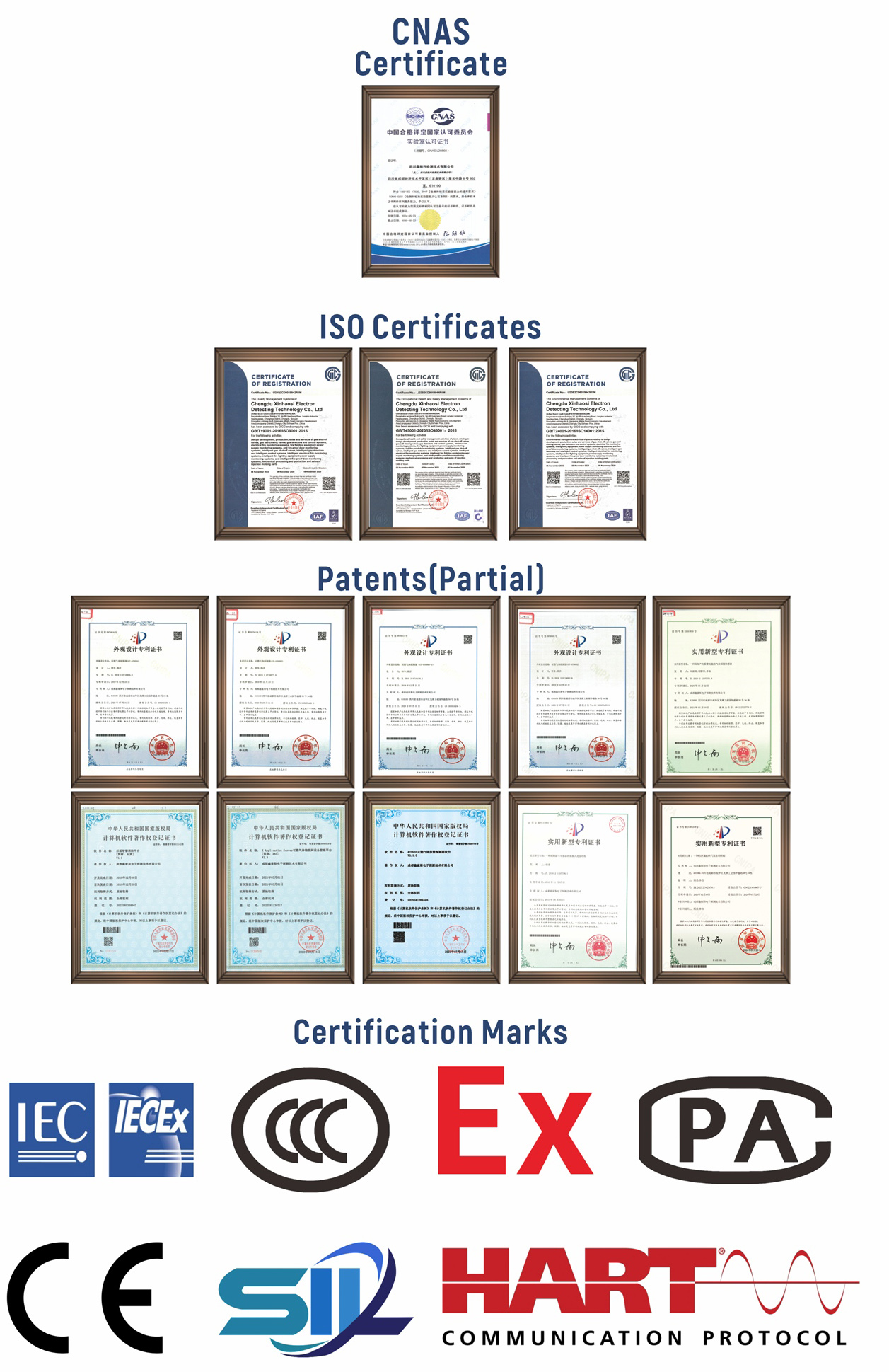
Adhering to ISO9001 quality management system standards, Xinhaosi's core products have obtained a full range of authoritative certifications, including national compulsory Products Certification, explosion-proof certification, fire product certification, CPA measurement instrument type approval certificate, and international approvals as CE, SIL. Additionally, Xinhaosi holds honors such as "National Quality Integrity Benchmark Enterprise", "National Quality Leading Enterprise in the Gas Alarm Industry," member of the China Fire Protection Association, and the main drafting organization for the national standard of solenoid valves, further confirming its industry influence and reputation.
In the field of intellectual property, Xinhaosi has built a robust innovation system with over 50 patents and software copyrights. These patents cover core technological areas, including a graphical monitoring system for gas detection and alarm, which enables predictive maintenance based on historical data to reduce equipment failure rates by over 30%, and a solenoid valve with flow monitoring functionality that integrates flow detection and alarm capabilities. The company also pioneered China's first networked bus-type gas leakage monitoring system and the only maximum-point gas leakage monitoring system certified by the Ministry of Public Security, demonstrating its leading position in cutting-edge technological research.
Our in-house laboratory is accredited by the China National Accreditation Service for Conformity Assessment (CNAS), recognized both domestically and internationally under the ILAC-MRA framework. It operates in accordance with ISO/IEC 17025, the international standard for testing and calibration laboratories. It provides reliable and traceable testing services for gas detection and alarm products, solenoid valves, and related safety equipment. Test reports issued by the CNAS-accredited laboratory are widely accepted by regulatory authorities, certification bodies, and customers in China and overseas, helping to ensure product quality, safety compliance, and market access.
Selecting the right detection mechanism for different gas safety and environmental conditions.
Catalytic bead sensors detect combustible gases by oxidizing the gas on a catalytic surface. The resulting temperature increase changes the resistance of the bead, which is measured using a Wheatstone bridge circuit.
NDIR sensors use infrared light to detect gas molecules based on their specific absorption wavelengths. As gas passes through the chamber, it blocks a portion of the light, which is measured by a detector.
Tailored safety systems designed to meet the strict requirements of modern industrial and municipal operations.
Refineries, drilling platforms, and processing plants involve complex mixes of hydrocarbons. In these environments, fixed gas detectors are used to continuously monitor points of potential leakage. Connected to explosion-proof solenoid valves and interlock systems, they can automatically isolate pipeline segments if a leak is detected.
Municipal gas distribution networks require continuous pressure and leak monitoring to prevent building accumulation. Wireless IoT pressure monitors and gas sensors provide real-time status data directly to utility control centers, helping maintenance teams respond quickly to safety issues.
In enclosed parking structures, carbon monoxide ($CO$) from vehicle exhaust can quickly build up to dangerous levels. Our carbon monoxide monitoring systems track air quality and automatically control ventilation fans, optimizing energy use while keeping carbon monoxide levels within safe limits.
Over 20 years of continuous growth, technological innovation, and expanding global market footprint.
Established on April 17th, 2003. We launched our first generation of gas leak alarms and fire protection products, establishing a strong focus on safety engineering and manufacturing quality.
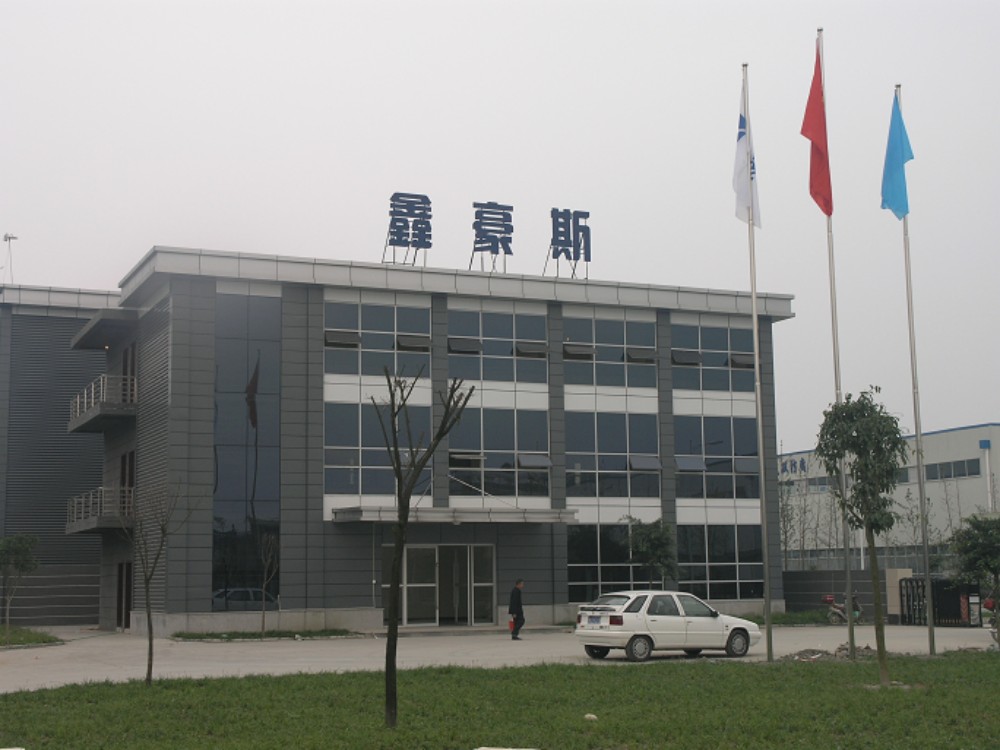
Began manufacturing industrial gas safety valves and expanded our OEM services. Relocated our corporate office to Longtan Industrial Park to support growing production demands.

Reached a milestone of 10 million gas detector units sold. Moved into our modern Chengdu manufacturing facility, expanded our service network nationwide, and introduced our fire power monitoring systems.
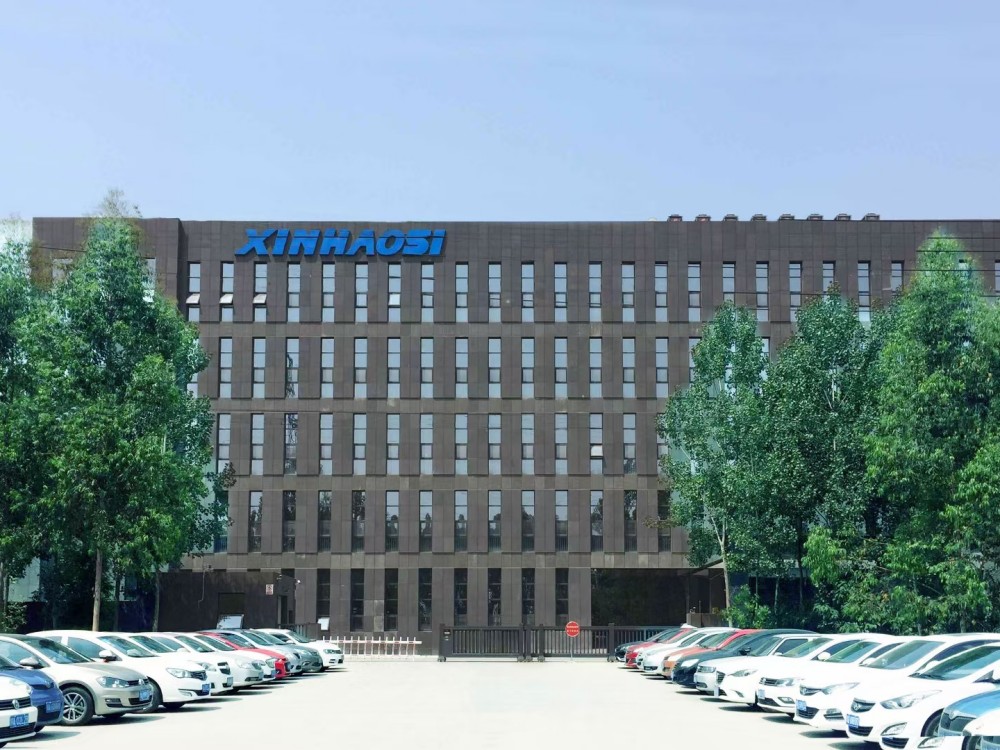
Launched our proprietary IoT cloud platform, along with automated fire alarm systems, emergency lighting, and evacuation systems. Certified as a national High-Tech Enterprise and became an approved vendor for China's top five gas suppliers.
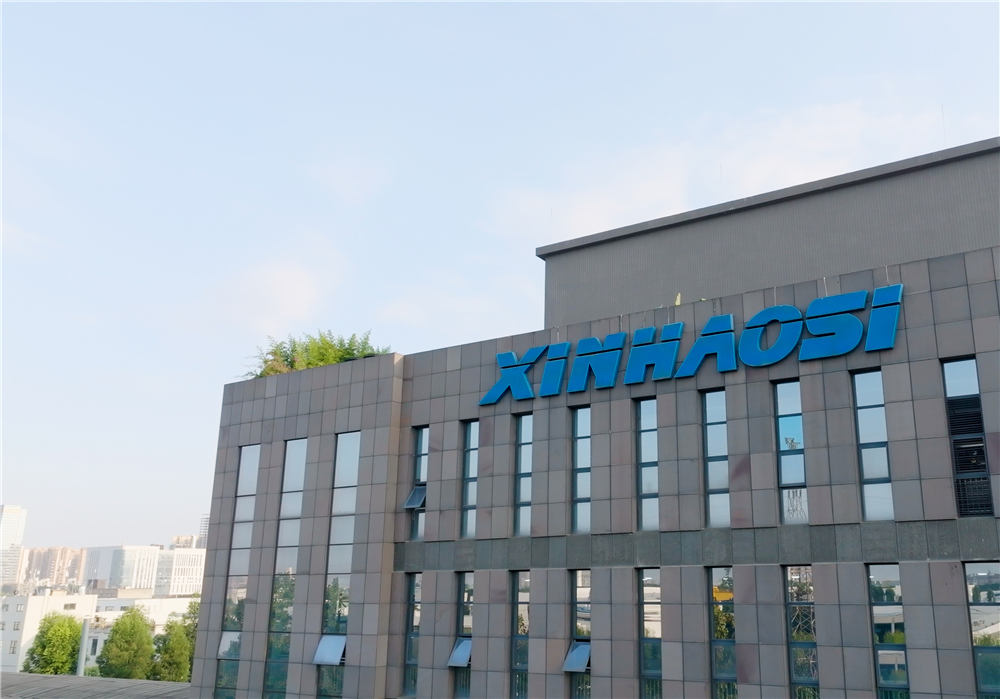
Started construction of the Deyang factory facility. Established our specialized Petrochemical & International Business Division, and recognized as a Sichuan Provincial Technology Center.
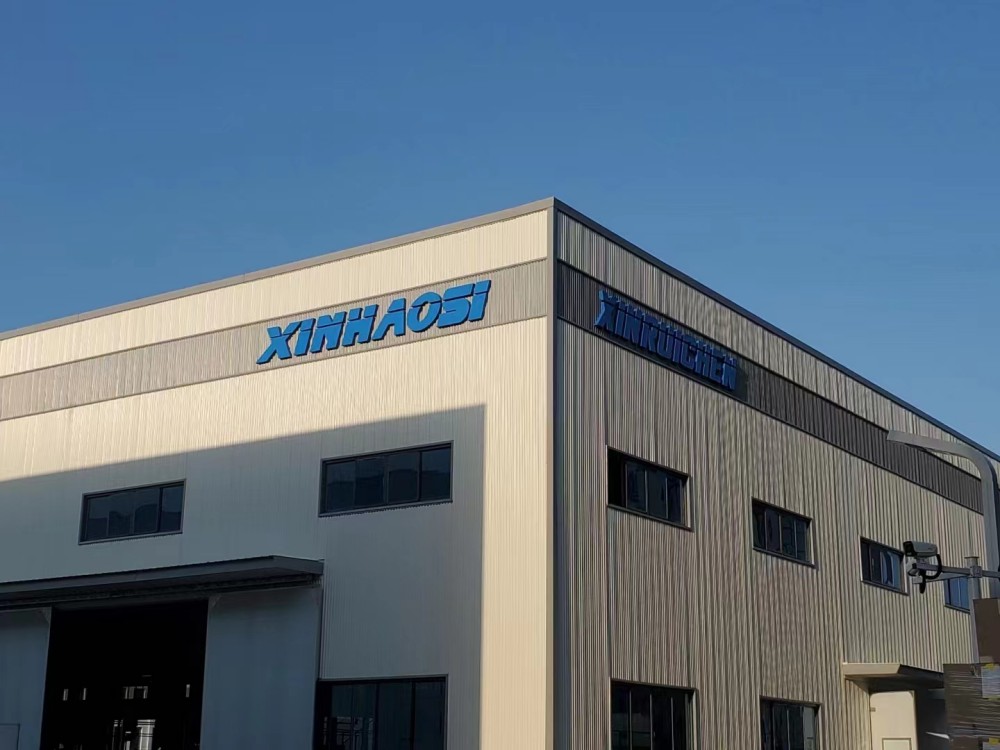
Completed construction and began operations at the Deyang factory. Launched wireless monitoring products, urban gas network systems, and AI-enabled smart solenoid safety valves to support future safety infrastructure.
Expert answers to common questions about calibration, standards, and safety instrument design.
Catalytic bead sensors detect gases by oxidizing them on a heated catalyst, making them sensitive to a wide range of combustible gases. However, they require oxygen to function and can be contaminated by chemical residues. NDIR sensors use infrared absorption, which is resistant to contamination and does not require oxygen, but they cannot detect gases like hydrogen ($H_2$) that do not absorb infrared light.
SIL certification evaluates the safety performance and reliability of an instrument. A SIL 2 or SIL 3 rating shows that the device has been tested to meet strict standards for safety-critical functions, helping reduce risk in high-hazard industrial environments.
CNAS accreditation (operating under ISO/IEC 17025) confirms that a testing and calibration laboratory meets international standards for quality and competence. This ensures that the calibration and testing data for gas detection equipment are traceable and reliable globally under the ILAC-MRA framework.
Industrial standards typically recommend calibrating gas detectors every six months, depending on the environment. In harsh conditions with potential contaminants, more frequent "bump tests" and calibrations may be needed to maintain accuracy and prevent sensor drift.
Zone 1 areas are locations where explosive atmospheres are expected to occur during normal operations. Equipment here must use robust explosion protection methods like Flameproof ($Ex\ d$) or Intrinsic Safety ($Ex\ ia$). In Zone 2, where explosive atmospheres are unlikely and occur only for short periods, requirements are less restrictive but still require explosion protection, such as Increased Safety ($Ex\ e$) or Non-sparking ($Ex\ n$) designs.
High-performance components designed for safety integration in both commercial and residential projects.