High-precision instrumentation and control units engineered for maximum safety compliance in extreme industrial and domestic environments.
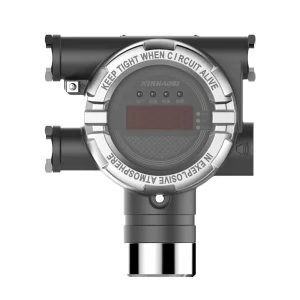
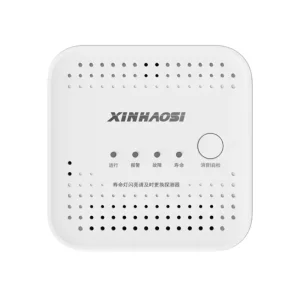
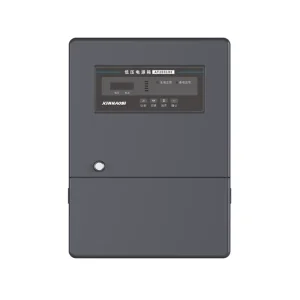
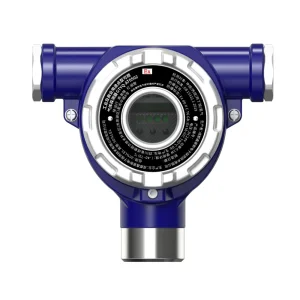
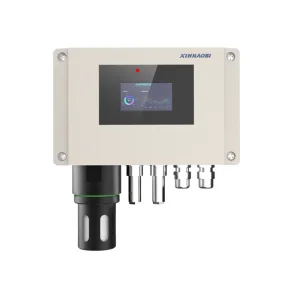
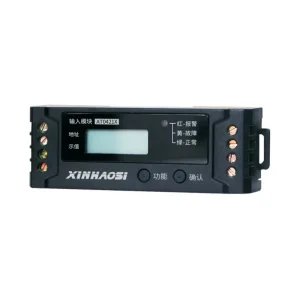
Combustible gas monitors are critical safeguards in industrial risk management. They protect lives and prevent catastrophic damage across refineries, petrochemical facilities, pipelines, and residential zones. High-quality detectors must deliver rapid, reliable response rates under extreme operational conditions.
Selecting the right global gas safety partner requires assessing their research capabilities, manufacturing scale, and regulatory compliance. Industry standards require ISO9001 quality management alongside strict regional and safety certifications like CE, SIL (Safety Integrity Level), CPA, and explosion-proof credentials.
This whitepaper details the engineering standards, production methods, and strategic supply chain dynamics that define leading combustible gas monitors. It highlights the manufacturing capabilities of China's advanced gas safety factories, focusing on Xinhaosi's twenty-year history of technological innovation.

Chengdu Headquarters & Office

Deyang Smart Factory
Founded in 2003, Xinhaosi is an influential and trusted brand in the global gas safety industry. Over the past two decades, we have built a robust production and service system integrating R&D, intelligent manufacturing, digital marketing, professional technical support, and flexible OEM/ODM services. Our CNAS-Accredited laboratory calibration services meet international standards to guarantee instrument precision.
Our diversified product portfolio covers industrial & residential gas detection & alarm systems, industrial & household gas solenoid valves, and urban gas pipeline network monitoring systems—all engineered for complex working environments. We produce and sell tens of millions of units annually for oil & gas exploration, petrochemicals, urban gas distribution, automotive manufacturing, pharmaceuticals, new energy, steel production, and beverage processing.
Guided by our core mission, "Making Gas Safety Accessible Everywhere," we deliver high-performance products and custom solutions. Every manufactured item undergoes rigorous quality control, backed by our professional technical team to protect both industrial workplaces and residential environments.
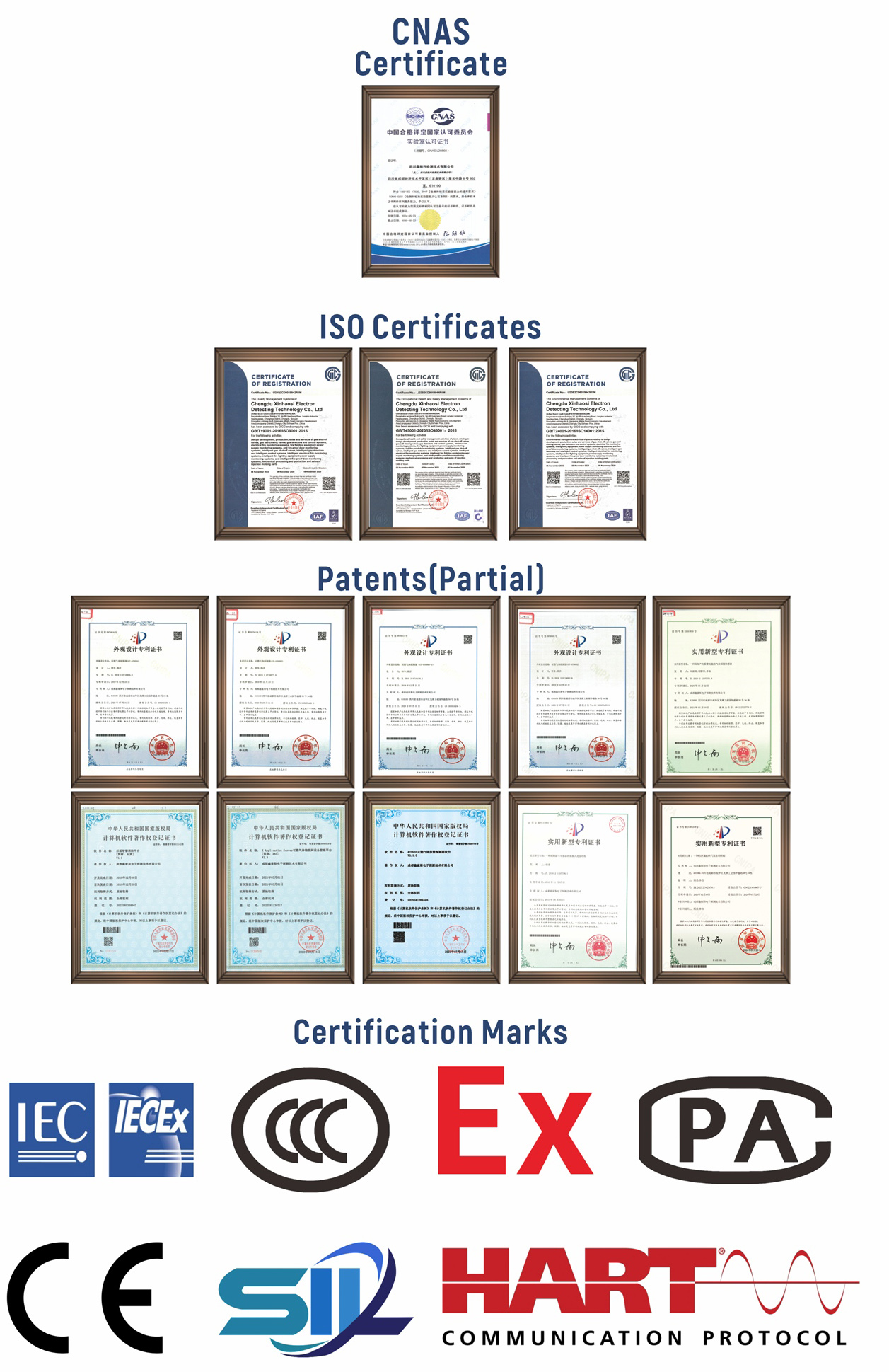
Adhering to strict international frameworks to ensure safety, reliability, and precision across all operations.
Xinhaosi's core products meet ISO9001 quality management system standards. They carry certifications including national compulsory Products Certification, explosion-proof certification, fire product certification, CPA measurement instrument type approval, and international approvals like CE and SIL.
Our innovation system holds over 50 patents and software copyrights. This includes graphical gas monitoring systems that allow predictive maintenance to reduce device failure by 30%, and integrated flow-monitoring solenoid valves. Xinhaosi also developed China's first networked bus-type gas leakage monitoring system.
Our in-house laboratory is accredited by the China National Accreditation Service for Conformity Assessment (CNAS) and recognized internationally under the ILAC-MRA framework. Operating under ISO/IEC 17025, it delivers traceable testing and calibration reports that satisfy domestic and global safety regulators.
"Xinhaosi is recognized as a 'National Quality Integrity Benchmark Enterprise' and 'National Quality Leading Enterprise in the Gas Alarm Industry.' As a main drafting organization for the Chinese national standard of solenoid valves, our engineering definitions help shape the future of gas control safety."
High-volume, automated production capacity combined with strict quality control frameworks.
Global procurement teams select manufacturers based on three main criteria: technology, cost-to-performance ratio, and supply chain agility. China's industrial gas safety sector has transitioned from simple assembly to high-tech manufacturing, lead by integrated plants like those in Chengdu and Deyang. The competitive advantages of sourcing from advanced Chinese factories include:
Industrial safety is shifting from reactive alarms to proactive hazard mitigation. Modern installations require interconnected ecosystems that leverage IoT telemetry, edge computing, and smart shutoff hardware. Key trends shaping the industry include:
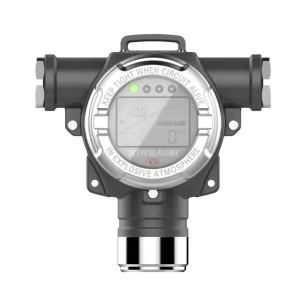
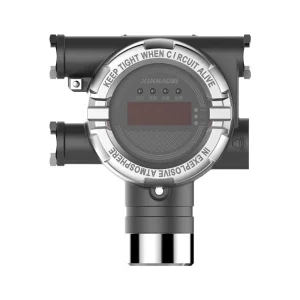
In environments containing volatile hydrocarbon mixtures, explosive gases are a constant hazard. Explosion-proof detectors like the GTQ-XP4000 or GTYQ-AT0502 are housed in flameproof cast-aluminum or stainless steel casings designed to contain internal sparks. They utilize catalytic combustion or infrared NDIR sensors to monitor Lower Explosive Limit (LEL) percentages, providing real-time data back to the central control room via 4-20mA or RS485 connections.
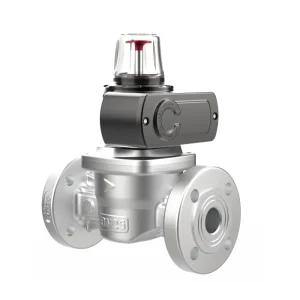
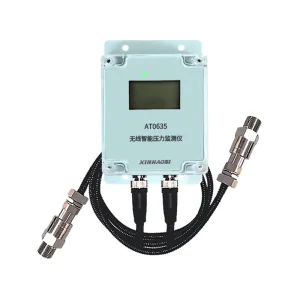
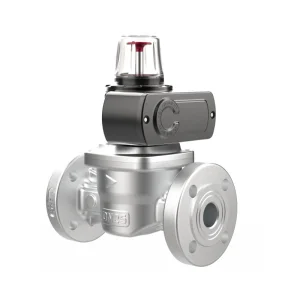
Municipal utility operators manage vast underground pipelines. Monitoring these networks requires low-power wireless pressure monitors, such as the GT-AT0637 or AT0635 Series, to detect leaks through sudden drops in line pressure. In the event of a drop, shut-off systems trigger industrial solenoid valves (like the KT-XF5 or BT-XF5) to isolate pipeline segments and prevent gas accumulation in urban areas.
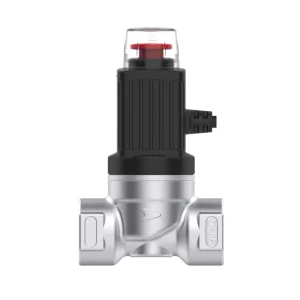
Domestic safety focus is on natural gas (methane) and LPG leaks. Residential detectors like the JT-AT3068 or JT-AT2013A are compact, easy to install, and connect directly to domestic shutoff valves (e.g., the XF2 Series). These systems run continuous monitoring routines and trigger auto-shutoff valves and ventilation fans the moment gas is detected.
A timeline of technology development, manufacturing expansion, and industry leadership.
Technical and procurement answers for engineering teams and safety managers.
Catalytic bead sensors burn gas on a catalytic surface, changing the resistance in a Wheatstone bridge circuit. They are versatile and cost-effective but can be fouled by silicons or lead. Infrared NDIR sensors measure the light absorption profiles of gas molecules. They do not require oxygen to operate, resist sensor poisoning, and offer long-term stability, though their initial purchase cost is higher.
SIL certification evaluates the functional safety and risk reduction of a device. A SIL2 certification, verified by standard agencies, indicates the hardware and software have been designed and tested to limit failures to an acceptable level. This ensures safety systems function reliably during gas leak events.
Automated solenoid valves (such as the KT-XF5) are safety devices wired directly to a gas detector or central controller. When the detector registers a gas concentration exceeding a set safety threshold, it sends an electrical signal to the valve's electromagnet. This releases the internal latch and shuts off the gas supply within milliseconds.
Wireless pressure monitors eliminate the need for signal and power cabling across pipelines. Operating via low-power networks like LoRa or NB-IoT, they send regular telemetry updates and generate alerts for sudden pressure drops, which helps pinpoint pipeline damage or leaks in remote installations.
Calibration involves exposing the detector to a known concentration of test gas (e.g., 50% LEL methane in air) and adjusting the internal span gain until the reading matches the target value. CNAS-accredited calibration laboratories issue traceable certificates verifying the detector maintains its accuracy within tolerance limits.
An explosion-proof or flameproof rating (d) means the detector's housing is designed to contain an internal explosion if gas enters the unit and sparks. The enclosure prevents flames from escaping and igniting flammable gases in the surrounding atmosphere.
Sensor lifespan depends on the sensor type and operating environment. Catalytic combustion sensors typically last 2 to 3 years, while electrochemical cells last 2 to 4 years. High-quality infrared (NDIR) sensors can operate for 5 to 10 years before requiring replacement, making them a durable choice for industrial applications.
Extreme humidity can cause sensor drift or lead to internal condensation, which block gas diffusion paths. Industrial-grade gas monitors use internal hydrophobic filters and temperature-compensation algorithms to maintain accurate readings despite seasonal changes in relative humidity.
Engineered for quick shut-off response times and precise leak locating in complex pipe networks.