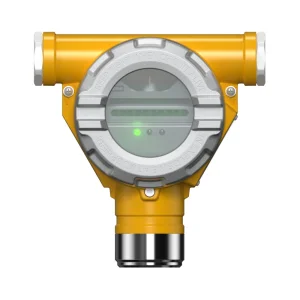
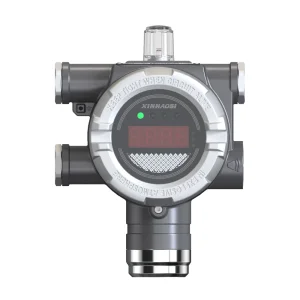
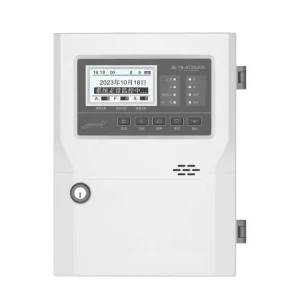
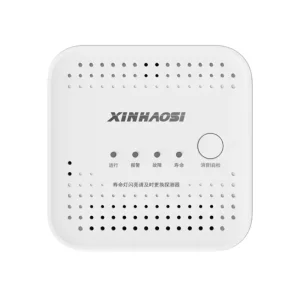
Deploying precision engineering and compliance-certified protection mechanisms across hazard-prone environments.
Carbon monoxide (CO) is a silent, odorless threat across commercial, domestic, and industrial spaces. Today’s international sourcing agents, municipal compliance officers, and real estate developers prioritize battery-operated carbon monoxide detectors because of their high operational flexibility. Free from utility grid dependence, a premium battery CO detector remains operational during electrical blackouts, extreme winter storms, and in remote locations where hardwiring is economically unviable.
Grid independent systems guarantee continuous safety monitoring during blackouts. Ideal for cold-climate real estate projects and residential construction developments requiring compliance with local building codes.
By eliminating manual labor costs for electrical line extensions and hardwiring, commercial contractors save up to 60% on initial setup processes across multi-family apartments or hotel chains.
Strict regional regulations (such as EN 50291 in Europe, NFPA 720, and UL 2034 in North America) mandate dual-power backups or long-term 10-year sealed lithium battery configurations for carbon monoxide sensors.
How modern industrial networks, commercial builders, and logistics networks deploy battery CO detectors and gas monitoring components to mitigate hazardous environments.
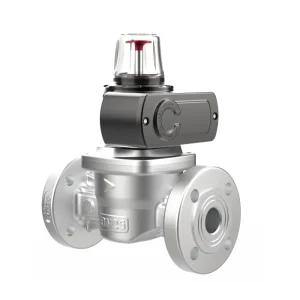
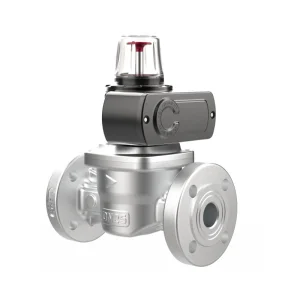
Integrating battery CO detectors within modern building automation systems ensures localized alerts. IoT-enabled battery detectors monitor residential corridors, mechanical utility rooms, and subterranean garages. When coupled with systems such as Normally Closed Industrial Gas Solenoid Valves (e.g., CT-XF5 Series), detecting toxic thresholds triggers safety interlocks, auto-shutting main gas lines instantly to prevent combustible or poisonous leaks.
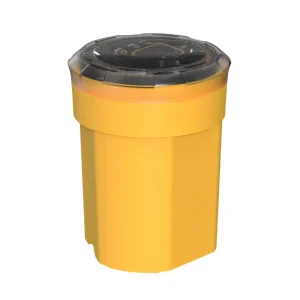
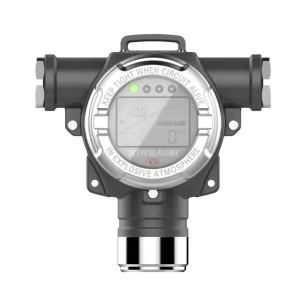
Unattended telecom shelters, off-grid battery energy storage system (BESS) containers, and underground infrastructure are particularly prone to gas accumulation. Using advanced systems like the GT-AT0616 Series Underground Shaft Combustible Gas Monitoring Device ensures continuous surveillance of environmental risks. Compact, ultra-low-power battery sensors alert maintenance crews before they enter hazardous subterranean utility pathways.
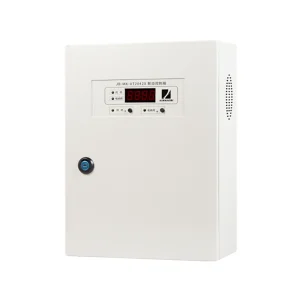
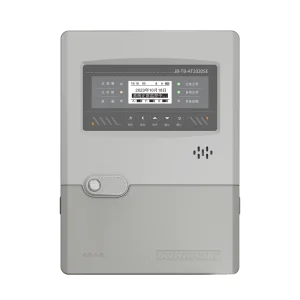
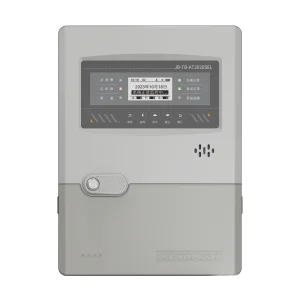
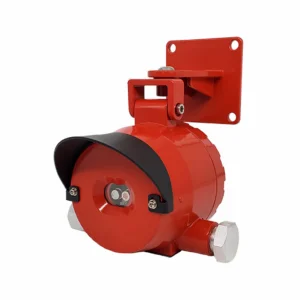
Industrial complexes run multiple gas lines under high operating pressure. Heavy-duty safety solutions integrate explosion-proof gas detectors with control modules like the JB-MK-AT2042X Interlock Control Box. This creates a fail-safe automation loop where toxic CO gas limits are linked directly to warning strobes, industrial exhaust ventilation, and emergency valves.
Combustion-powered forklifts and heavy machinery running in enclosed bays or loading zones create localized pockets of carbon monoxide. Strategic deployment of battery-powered CO monitoring systems detects local spikes instantly, shielding workers from chronic exposure and ensuring facility compliance with occupational safety regulations.
To meet strict accuracy requirements, developers and manufacturers design multi-tiered tech structures. High-precision battery-operated CO detectors rely on sophisticated electrochemical processes for long operational life cycles.
| Feature Parameter | Electrochemical Sensors (Industry Standard) | Metal Oxide Semiconductor (MOS) | Catalytic Bead Sensors |
|---|---|---|---|
| Power Consumption | Ultra-Low (Microamps; optimal for battery operations) | Medium to High (Requires heating element) | High (Constant battery drain) |
| Lifespan Profile | 5 to 10 years (Standard battery lifecycle limit) | Up to 10 years (Continuous power dependent) | 3 to 5 years (Prone to catalyst poisoning) |
| Sensitivity to CO | Excellent accuracy (Down to single-digit ppm) | Moderate (Prone to humidity interference) | Low (Used mostly for combustible levels) |
| Common Applications | Sealed 10-Year Battery CO Alarms, B2B Audits | Hardwired Hybrid Sensors, Automotive Units | Explosion-Proof Industrial Detectors |
By measuring variations in electrical currents caused by the oxidation of carbon monoxide molecules on catalyst surfaces, electrochemical cells offer exact readings, ensuring false-alarm-free operations in complex environments.
Hardware developers utilize low-power microcontrollers (MCUs) that remain in sleep-states, waking up dynamically every few seconds to run diagnostic check-ups, minimizing battery drain for decades of use.
Fluctuating temperature and humidity levels impact sensor baselines. Our smart internal algorithms adjust current readings dynamically, preventing false alarms in freezing warehouses or hot industrial boiler rooms.
Founded in 2003, Xinhaosi has become one of the most influential and trusted brands in the global gas safety industry. Over the past two decades, we have steadily built a robust and comprehensive production and service system, which integrates cutting-edge R&D, intelligent manufacturing with advanced automation equipment, digital marketing across global channels, professional after-sales support with an experienced technician team, flexible OEM/ODM services, as well as CNAS-Accredited laboratory calibration services that meet international standards.
Our diversified product portfolio covers industrial & residential gas detection & alarm systems, industrial & household gas solenoid valves, and urban gas pipeline network monitoring systems—all engineered to adapt to complex working environments and strict safety requirements. We produce and sell tens of millions of units annually, catering to a wide range of industries that demand reliable gas detection solutions, including oil & gas exploration and production, petrochemicals, urban gas distribution, automotive manufacturing, pharmaceuticals, new energy, steel production, and beverage processing.
Core Mission: "Making Gas Safety Accessible Everywhere."
Advanced assembly facilities optimized for volume distribution, testing, and system integration.

Chengdu Factory & Office

Deyang Factory
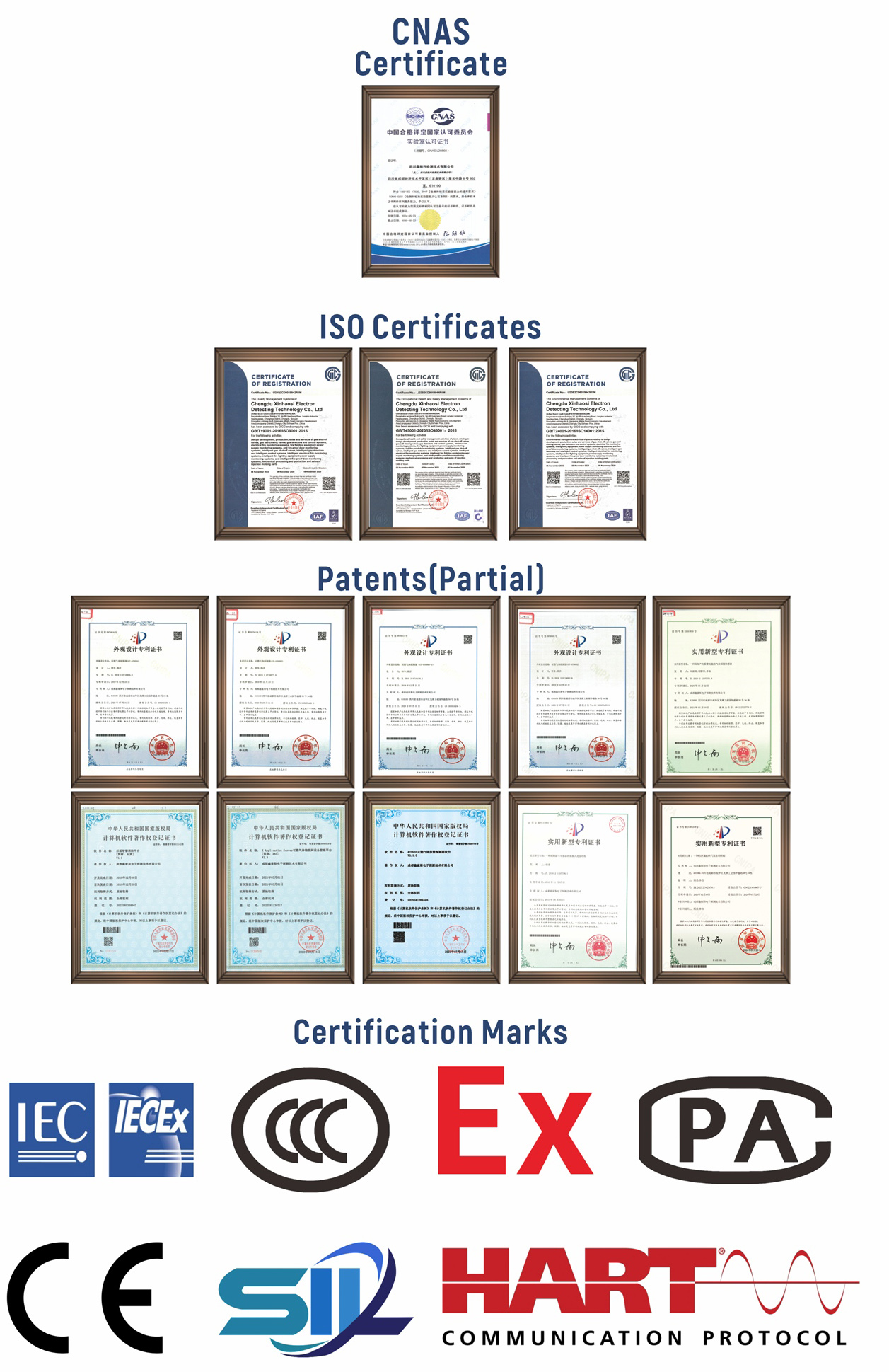
Adhering to ISO9001 quality management system standards, Xinhaosi's core products have obtained a full range of authoritative certifications, including national compulsory Products Certification, explosion-proof certification, fire product certification, CPA measurement instrument type approval certificate, and international approvals such as CE and SIL. Additionally, Xinhaosi holds honors such as "National Quality Integrity Benchmark Enterprise" , "National Quality Leading Enterprise in the Gas Alarm Industry," member of the China Fire Protection Association, and the main drafting organization for the national standard of solenoid valves.
In the field of intellectual property, Xinhaosi has built a robust innovation system with over 50 patents and software copyrights. These patents cover core technological areas, including a graphical monitoring system for gas detection and alarm, which enables predictive maintenance based on historical data to reduce equipment failure rates by over 30%, and a solenoid valve with flow monitoring functionality that integrates flow detection and alarm capabilities. The company also pioneered China's first networked bus-type gas leakage monitoring system and the only maximum-point gas leakage monitoring system certified by the Ministry of Public Security.
Our in-house laboratory is accredited by the China National Accreditation Service for Conformity Assessment (CNAS), recognized both domestically and internationally under the ILAC-MRA framework. It operates in accordance with ISO/IEC 17025, the international standard for testing and calibration laboratories. It provides reliable and traceable testing services for gas detection and alarm products, solenoid valves, and related safety equipment. Test reports issued by the CNAS-accredited laboratory are widely accepted by regulatory authorities, certification bodies, and customers in China and overseas, helping to ensure product quality, safety compliance, and market access.
Our growth roadmap demonstrates an unwavering commitment to safe operations, quality assurance, and global market expansion.
For global developers, sourcing compliant safety hardware is critical. Battery carbon monoxide monitors must align with distinct continental certifications to pass state building inspections.
Compliance validation with UL 2034 for residential detectors and UL 2075 for gas monitoring components. Our hardware supports integration into systems that comply with NFPA 72 regulations.
Conformity certifications for EN 50291-1 (domestic carbon monoxide alarms) and EN 50291-2 (leisure and mobile vehicles). Ensures clean customs clearance and regulatory safety compliance across EU zones.
Every batch calibrated within our CNAS-accredited laboratory complies with ISO/IEC 17025 standards, delivering international quality metrics for safety inspectors.
B2B technical specifications, life cycle evaluations, and sourcing parameters answered by safety engineers.
Ensure fail-safe operations with our certified gas detection, control modules, and heavy-duty emergency solenoid valves.