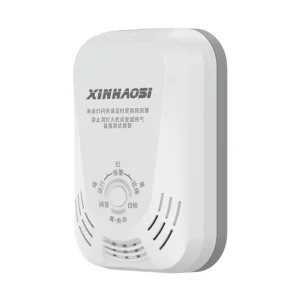
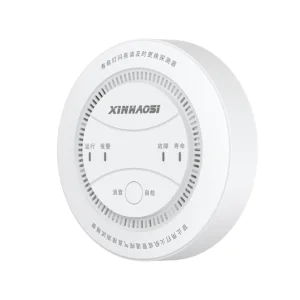
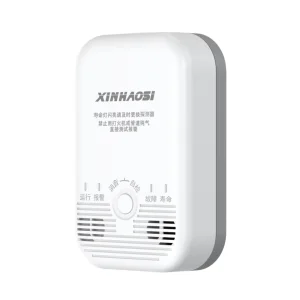
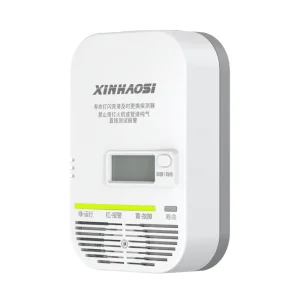
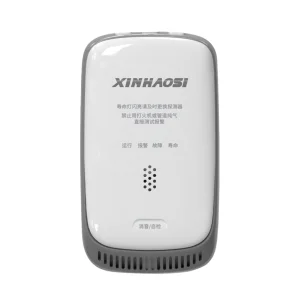
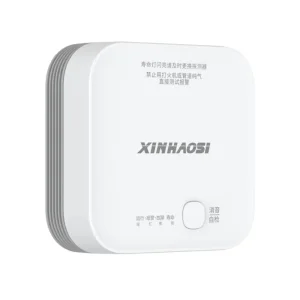
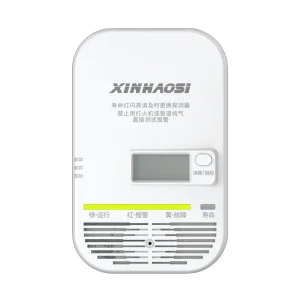
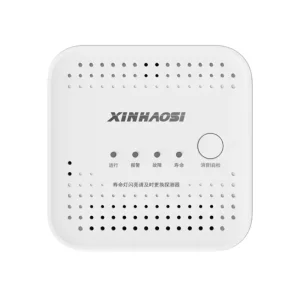
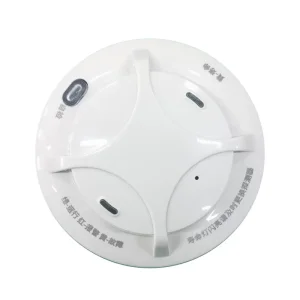
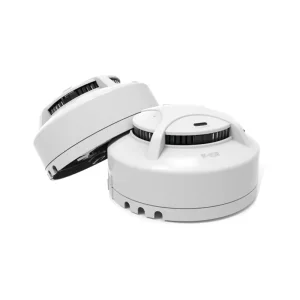
Premium OEM/ODM solutions engineered to align with METI rules, JIA inspection guidelines, and international performance benchmarks.
Japan maintains some of the most rigorous residential safety regulations in the world. The country’s gas infrastructure is split between two primary systems: City Gas (primarily 13A methane, which is lighter than air) and Liquified Petroleum Gas (LPG/propane, which is heavier than air). This split demands localized gas alarms optimized for specific vapor densities and sensor placements.
Under the High Pressure Gas Safety Act (高圧ガス保安法) and the Gas Business Act (ガス事業法), gas detection systems are legally mandated in multi-family complexes, subterranean properties, and high-density timber-frame dwellings in cities like Tokyo, Osaka, and Yokohama. As a premier global manufacturer, we deliver OEM/ODM gas detection technologies tailored precisely for Japanese system integrators and housing developers. Our systems conform to the highest safety and reliability requirements, ensuring seamless integration with Japanese Home Energy Management Systems (HEMS) and automated emergency shut-off valves.
Exporting or deploying gas safety equipment in Japan requires compliance with Ministry of Economy, Trade and Industry (METI) laws. The Japan Gas Appliances Inspection Association (JIA) serves as the primary evaluation body. Key criteria include long-term sensor stability under Japan's high-humidity summers, fast response times (t90 < 30 seconds), and robust EMI shielding against RF noise in high-density urban environments.

Chengdu Intelligent R&D Facility & Office

Advanced Deyang Manufacturing Plant
Founded in 2003, Xinhaosi is one of the most influential and trusted brands in the global gas safety industry. Over the past two decades, we have steadily built a robust and comprehensive production and service system, which integrates cutting-edge R&D, intelligent manufacturing with advanced automation equipment, digital marketing across global channels, professional after-sales support with an experienced technician team, flexible OEM/ODM services, as well as CNAS-Accredited laboratory calibration services that meet international standards.
Our diversified product portfolio covers industrial & residential gas detection & alarm systems, industrial & household gas solenoid valves, and urban gas pipeline network monitoring systems—all engineered to adapt to complex working environments and strict safety requirements. We produce and sell tens of millions of units annually, catering to a wide range of industries that demand reliable gas detection solutions, including oil & gas exploration and production, petrochemicals, urban gas distribution, automotive manufacturing, pharmaceuticals, new energy, steel production, and beverage processing.
Guided by the core mission of “Making Gas Safety Accessible Everywhere,” we consistently deliver high-performance, reliable products and customized solutions tailored to each client’s unique needs. Every item we manufacture undergoes rigorous quality control tests, and every service we provide is backed by our professional technical team, fully embodying our unwavering commitment to safeguarding gas safety across both industrial workplaces and residential environments, and striving to build a safer world with sustainable gas safety technologies.
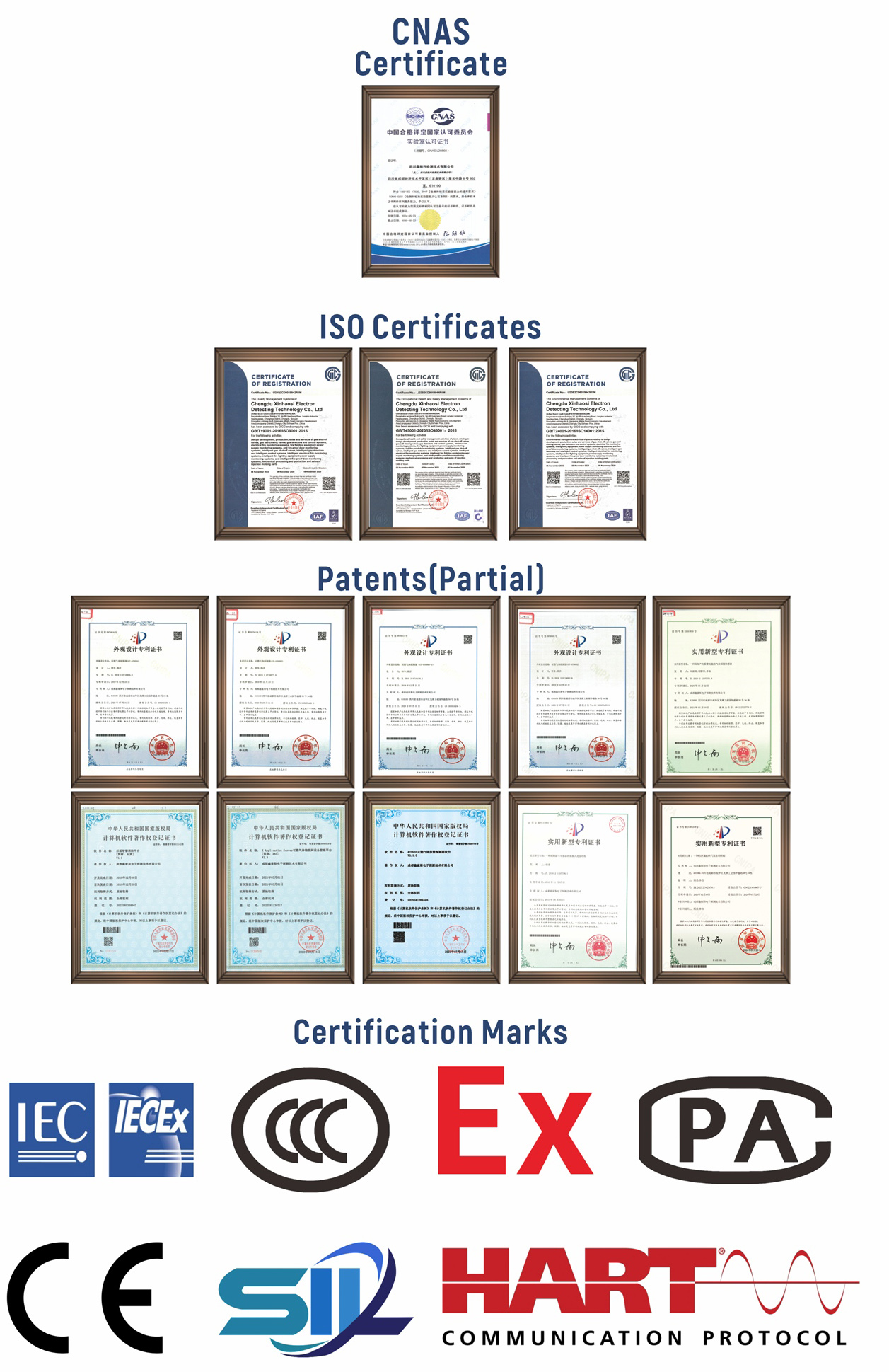
Adhering to ISO9001 quality management system standards, Xinhaosi's core products have obtained a full range of authoritative certifications, including national compulsory Products Certification, explosion-proof certification, fire product certification, CPA measurement instrument type approval certificate, and international approvals such as CE and SIL. Additionally, Xinhaosi holds honors such as "National Quality Integrity Benchmark Enterprise" and "National Quality Leading Enterprise in the Gas Alarm Industry," is a member of the China Fire Protection Association, and is the main drafting organization for the national standard of solenoid valves, further confirming its industry influence and reputation.
In the field of intellectual property, Xinhaosi has built a robust innovation system with over 50 patents and software copyrights. These patents cover core technological areas, including a graphical monitoring system for gas detection and alarm, which enables predictive maintenance based on historical data to reduce equipment failure rates by over 30%, and a solenoid valve with flow monitoring functionality that integrates flow detection and alarm capabilities. The company also pioneered a networked bus-type gas leakage monitoring system and a high-capacity gas leakage monitoring system certified by the Ministry of Public Security, demonstrating its leading position in cutting-edge technological research.
Our in-house laboratory is accredited by the China National Accreditation Service for Conformity Assessment (CNAS), recognized both domestically and internationally under the ILAC-MRA framework. It operates in accordance with ISO/IEC 17025, the international standard for testing and calibration laboratories. It provides reliable and traceable testing services for gas detection and alarm products, solenoid valves, and related safety equipment. Test reports issued by the CNAS-accredited laboratory are widely accepted by regulatory authorities, certification bodies, and customers in China and overseas, helping to ensure product quality, safety compliance, and global market access.
Aligning with Japan's "Society 5.0" initiative to deliver intelligent safety systems for smart cities and hydrogen-fuel residential structures.
As Japan leads the transition to residential hydrogen fuel cells (ENE-FARM systems), we are designing next-generation electrochemical and MEMS sensors calibrated specifically for hydrogen leaks, operating with minimal power and long life cycles.
Integrating IoT wireless communication chips (Wi-Fi, Zigbee, Sub-GHz) into our residential safety products, enabling native connectivity with Japanese smart home networks to trigger immediate shut-off and mobile alerts.
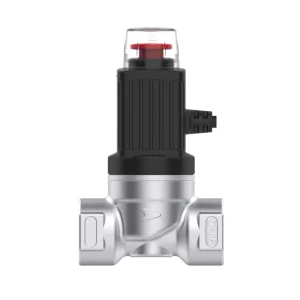
Providing a complete solution that links household alarms with gas shut-off valves. Upon detecting methane or LPG leaks, the system automatically triggers our solenoid valves to shut off the gas supply before flammable limits are reached.
Over two decades of continuous innovation, growing from a regional developer to a global manufacturer of advanced gas safety equipment.
Explore our extensive portfolio of domestic gas leak alarms, industrial monitors, and interlock shut-off valves. All customizable for local markets.
In-depth insights regarding regulations, maintenance, and system configurations for engineering and procurement managers.