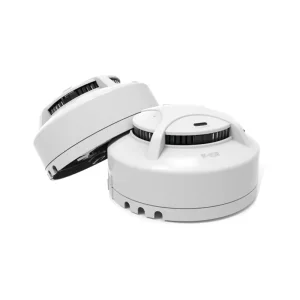
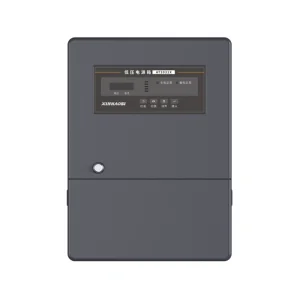
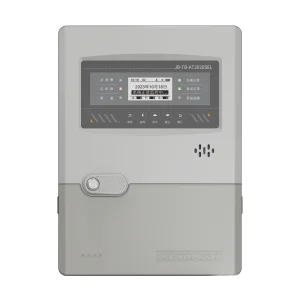
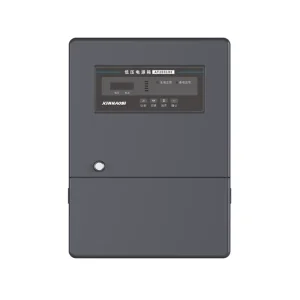
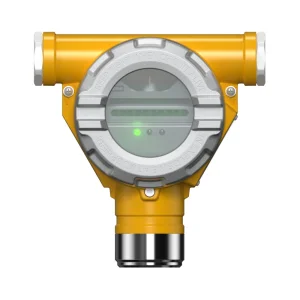
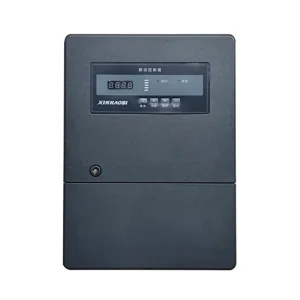
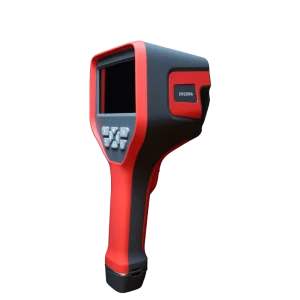
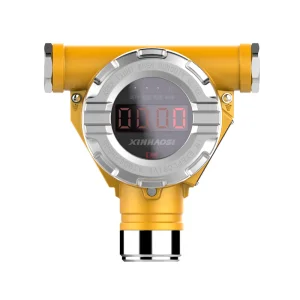
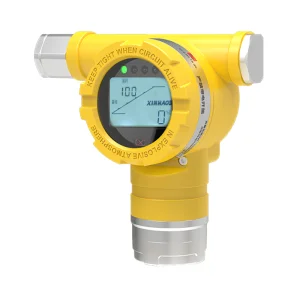
Explore our core range of high-precision detectors, gas control modules, and protective alarms engineered for global safety compliance.
A Comprehensive Technical Whitepaper on Electromechanical Flow Control, Safety Standards, and Factory Integration.
At the core of modern fluid automation and emergency shutdown architectures lies the solenoid valve—an electromechanical device designed to control the flow of gaseous or liquid media. The fundamental solenoid valve working principle revolves around the conversion of electrical energy into linear mechanical motion. When the electromagnetic coil (the solenoid) is energized, it generates a magnetic field that acts upon a movable ferromagnetic plunger (or armature). This magnetic force overcomes the resistance of a mechanical return spring, pulling the plunger toward the center of the coil to open or seal the primary valve orifice.
Depending on system architecture, solenoid valves are categorized as either Direct-Acting, Pilot-Operated (Indirect-Acting), or Latching:
"Understanding the precise pressure differentials, medium viscosity parameters, and ambient hazard classifications is vital when specifying OEM solenoid valves for high-risk industrial safety circuits."
In municipal and industrial gas networks, solenoid valves act as the primary safety interlock. When a downstream gas detector senses a leak, the controller triggers a voltage drop or electrical pulse to the solenoid valve, triggering an instantaneous closure. Because these systems are frequently installed in atmospheres with combustible dust or explosive gases, the coil itself must be encased in explosion-proof housing (Ex d or Ex m certifications) to prevent any internal arc or spark from contacting the atmosphere.

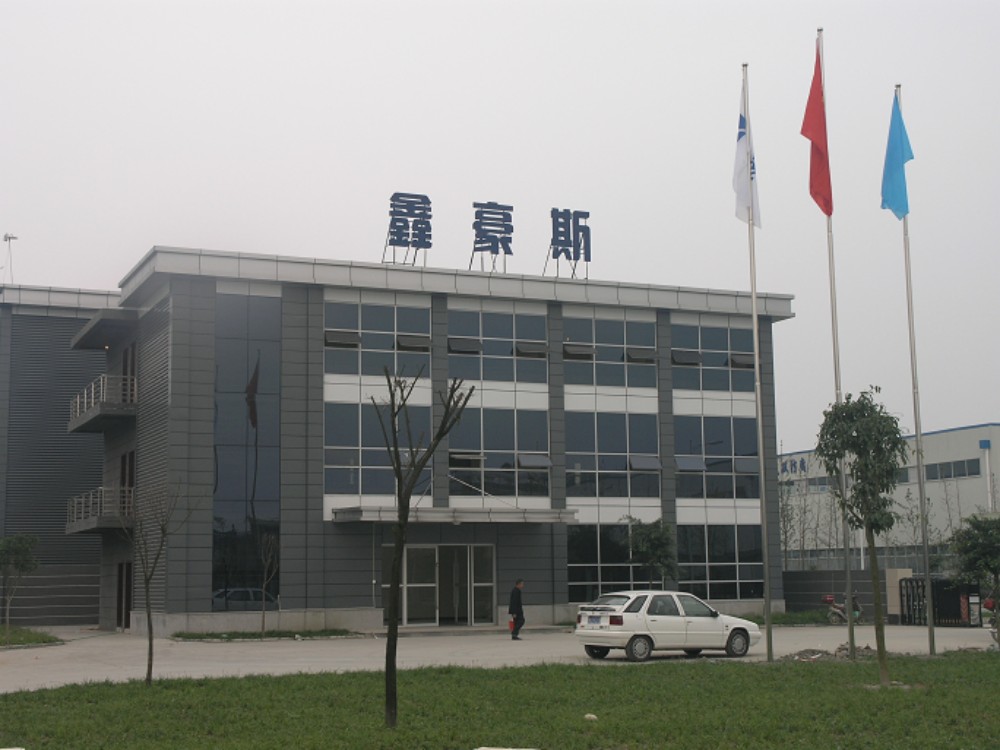
Chengdu Factory & Office

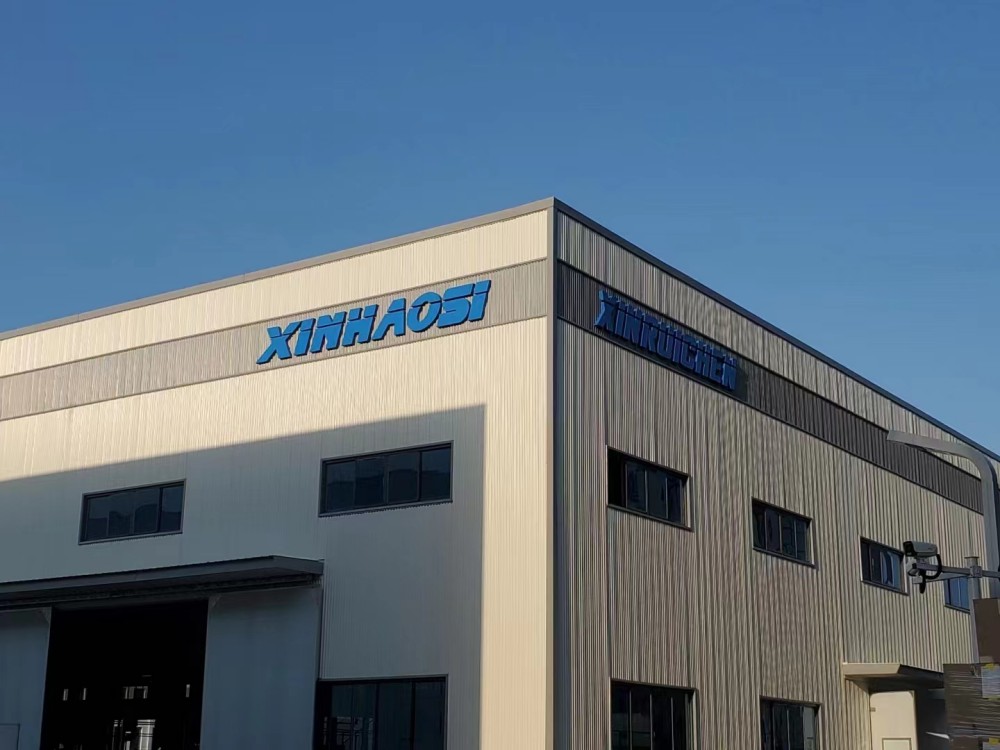
Deyang Factory
Founded in 2003, Xinhaosi is one of the most influential and trusted brands in the global gas safety industry. Over the past two decades, we have steadily built a robust and comprehensive production and service system, which integrates cutting-edge R&D, intelligent manufacturing with advanced automation equipment, digital marketing across global channels, professional after-sales support with an experienced technician team, flexible OEM/ODM services, as well as CNAS-Accredited laboratory calibration services that meet international standards.
Our diversified product portfolio covers industrial & residential gas detection & alarm systems, industrial & household gas solenoid valves, and urban gas pipeline network monitoring systems—all engineered to adapt to complex working environments and strict safety requirements. We produce and sell tens of millions of units annually, catering to a wide range of industries that demand reliable gas safety and flow control solutions.
Guided by the core mission of "Making Gas Safety Accessible Everywhere," we consistently deliver high-performance, reliable products and customized solutions tailored to each client's unique needs. Every item we manufacture undergoes rigorous quality control tests, fully embodying our unwavering commitment to safeguarding gas safety across both industrial workplaces and residential environments.
We combine strict quality management systems with pioneering R&D to deliver globally certified safety products.
Adhering to ISO9001 quality management standards, Xinhaosi's core products have obtained a full range of authoritative certifications, including national compulsory Products Certification, explosion-proof certification, fire product certification, CPA measurement instrument type approval certificate, and international approvals such as CE and SIL. Additionally, Xinhaosi has been recognized as a "National Quality Integrity Benchmark Enterprise" and is a key drafting organization for the national standards of solenoid valves.
In the field of intellectual property, Xinhaosi has built a robust innovation system with over 50 patents and software copyrights. These patents cover core technological areas, including a graphical monitoring system for gas detection and alarm, which enables predictive maintenance based on historical data to reduce equipment failure rates by over 30%, and a solenoid valve with integrated flow monitoring functionality.
Our in-house laboratory is accredited by the China National Accreditation Service for Conformity Assessment (CNAS), recognized both domestically and internationally under the ILAC-MRA framework. Operating in accordance with ISO/IEC 17025, our laboratory provides reliable, traceable testing and calibration services for solenoid valves and gas detection products, ensuring global market compliance and safety validation.
How modern production methodologies, automated manufacturing pipelines, and strategic positioning resolve procurement issues for worldwide buyers.
International industrial procurement departments face complex challenges: balancing strict regulatory compliance, quality control, cost-to-value margins, and lead time reliability. The supply chain for solenoid valves must withstand severe environmental fluctuations, mechanical stresses, and electrical anomalies without failing.
Global buyers in regions such as the European Union, North America, and the Middle East require partners that offer complete component customization. This includes custom coil voltages (e.g., 220V AC, 24V DC, 12V pulse), body metals optimized for corrosive media, and sealing materials tailored for specific temperatures (from -20°C up to 120°C).
Xinhaosi's specialized petrochemical and international business divisions bridge the gap between custom specifications and volume manufacturing, offering tailored solutions for power generation, chemical plants, and marine engineering.
From smart urban structures to complex industrial processes, our safety ecosystems adapt to strict localized engineering requirements.
In enclosed underground parking facilities, the buildup of Carbon Monoxide (CO) represents a major life-safety hazard. Our system integrates the AT2004BIV-CO Carbon Monoxide Gas Detector with low-voltage control circuits and localized solenoid systems to trigger ventilation fans and automatically shut off primary supply valves in emergency events.
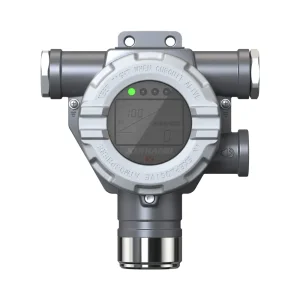
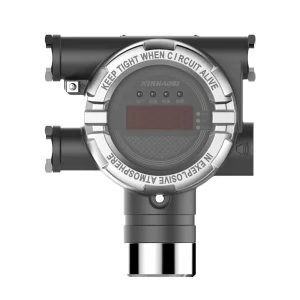
Explosion-proof architectures like the GTYQ-AT0505 gas detector and AT0601 systems operate in hazardous zones. These units interface directly with heavy-duty emergency shut-off valves, instantly closing fuel pipelines when combustible hydrocarbon vapors are detected.
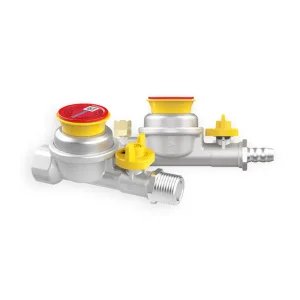
Domestic applications require cost-effective, high-reliability safety measures. Combining the JT-AT3068 Household Combustible Gas Detector with a quick-closing gas solenoid valve provides automated protection for residential kitchens, blocking supply at the gas meter connection.
A chronicled look at how Xinhaosi grew from a startup into a global provider of gas safety systems.




Expert answers addressing the selection, engineering, and performance parameters of OEM solenoid valve systems.
Complete your setup with our explosion-proof line, interlock control modules, and handheld monitoring equipment.