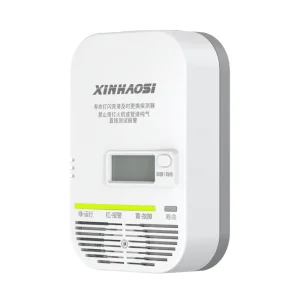
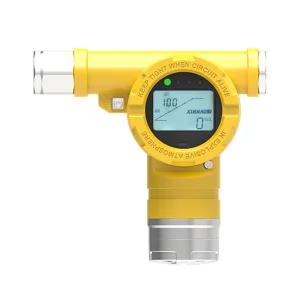
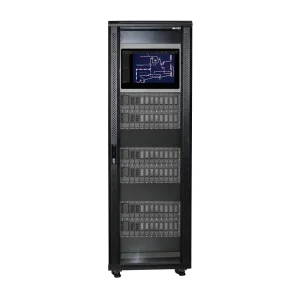
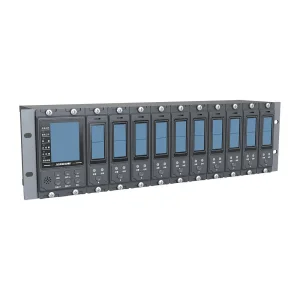
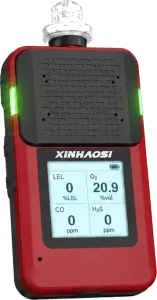
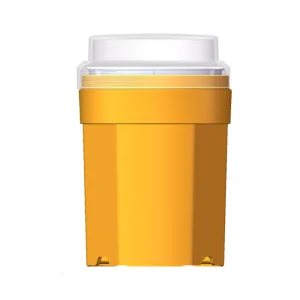
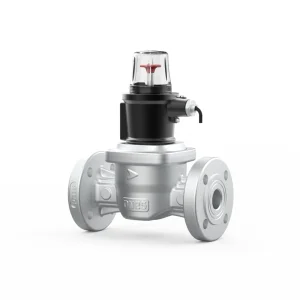
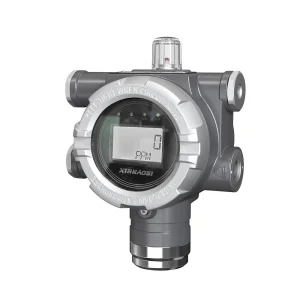
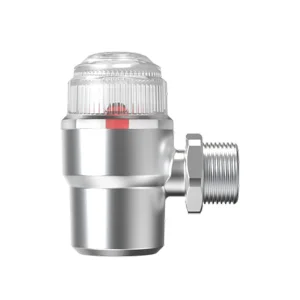
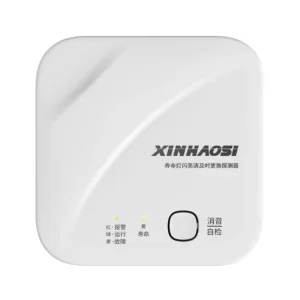
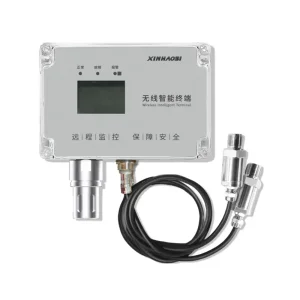
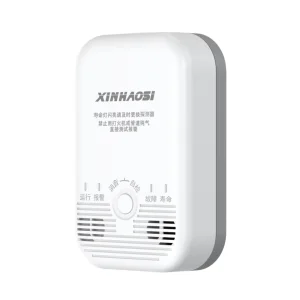
Explore our core product lines from Chengdu & Deyang factories designed for ultimate explosion-proof, wireless, and smart control applications.
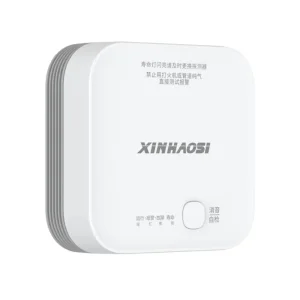
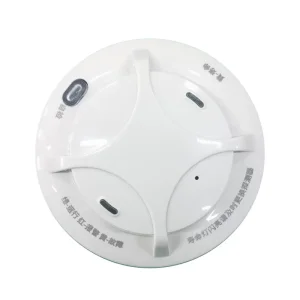

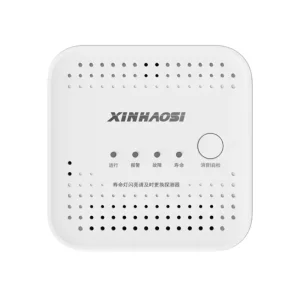
Deep-dive analysis on why high-precision sulfur dioxide monitoring is crucial to modern heavy industries and environmental safety compliance.
Sulfur Dioxide (SO2) is an extremely toxic, colorless gas characterized by a pungent, irritating odor. Originating predominantly from the combustion of sulfur-bearing fossil fuels in coal-fired power plants, petroleum refineries, metal smelting operations, and pulp and paper mills, it poses a severe threat to human health and environmental integrity. At concentrations as low as 0.5 ppm, SO2 begins to irritate the human respiratory tract, while high-level exposure can lead to chemical pneumonitis, bronchoconstriction, and permanent lung damage.
Regulatory frameworks worldwide, such as the U.S. Occupational Safety and Health Administration (OSHA), the European Union (EU) Industrial Emissions Directive, and China's National Ambient Air Quality Standards (GB 3095-2012), impose strict permissible exposure limits (PEL). For instance, OSHA limits exposure to a time-weighted average (TWA) of 2 ppm (5 mg/m³). Consequently, incorporating high-precision OEM SO2 monitors into facility design is not merely a preference; it is a foundational compliance prerequisite.
Legacy SO2 monitoring systems relied primarily on wet chemical methods that were slow, required constant reagent replenishment, and were incapable of real-time warning feedback. Over the past decade, detection technology has transitioned to solid-state electrochemical sensors, non-dispersive infrared (NDIR) detection, and ultraviolet (UV) fluorescence.
Electrochemical sensors offer the most cost-effective solution for localized, high-density placement. They function through the electrochemical oxidation of SO2 at a sensing electrode, generating a current directly proportional to the gas concentration. For demanding commercial and industrial scenarios requiring multi-gas tracking or low cross-sensitivity, modern sensors combine catalysts and gas diffusion barriers to reject interference from gases like Carbon Monoxide (CO), Hydrogen Sulfide (H2S), and Nitrogen Dioxide (NO2).
A quick-reference guide to choosing the correct sensor variant for your specific industrial application requirements.
| Technology | Detection Range | Response Time (T90) | Typical Lifetime | Key Advantages | Limiting Factors |
|---|---|---|---|---|---|
| Electrochemical Sensors | 0 - 20 / 100 / 2000 ppm | < 30 seconds | 2 - 3 years | Low power, high sensitivity, compact size, cost-efficient | Cross-sensitivity to H2S, susceptible to high temp/dry climates |
| NDIR (Infrared Spectroscopy) | 0 - 5000 ppm up to 100% vol | < 15 seconds | 5 - 10 years | No sensor poisoning, excellent long-term stability, long life | Higher initial unit cost, sensitive to high humidity without filters |
| UV Fluorescence | 0 - 50 ppb to 100 ppm | < 60 seconds | > 5 years | Sub-ppb level detection, highly specific to SO2 molecules | Large form factor, complex optics, high power requirements |
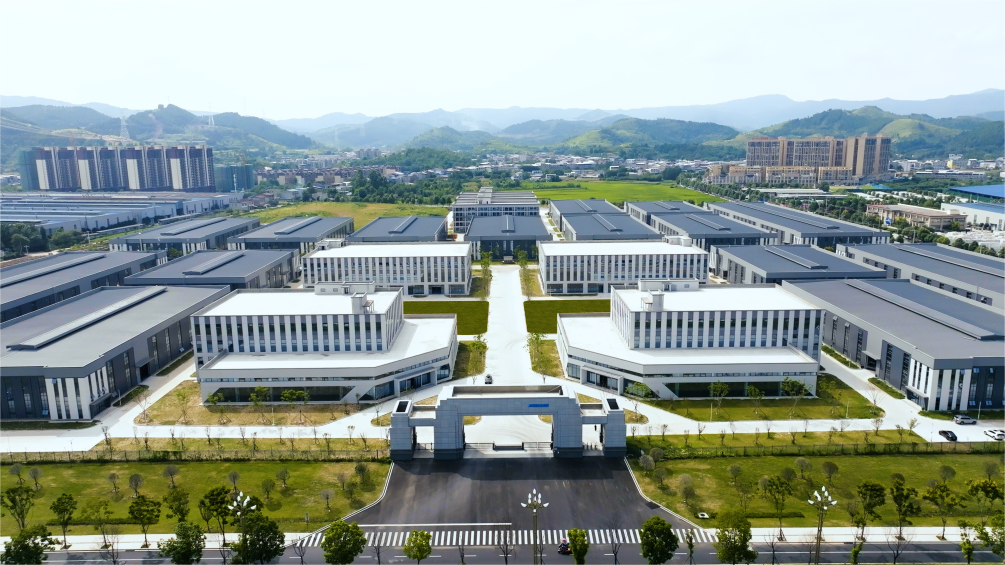
Founded in 2003, Xinhaosi has established itself as an authority in the global gas safety and environmental monitoring sector. We operate two advanced manufacturing bases—the Chengdu Office & Factory and the newly constructed Deyang Factory. Integrating advanced automation systems, surface-mount technology (SMT) lines, robot-guided assembly systems, and digitized inventory control, our manufacturing footprint aligns with the principles of Industry 4.0.
This high-tech production paradigm guarantees exceptional supply chain resilience. By sourcing materials from trusted, long-term regional suppliers and maintaining comprehensive vertical integration—from raw PCBs to micro-sensor calibration and final explosion-proof housing construction—we buffer our global partners against international supply disruptions. Our Deyang plant increases our annual production scale to tens of millions of units, securing reliable delivery timelines, whether for minor retrofits or massive capital expenditure projects.
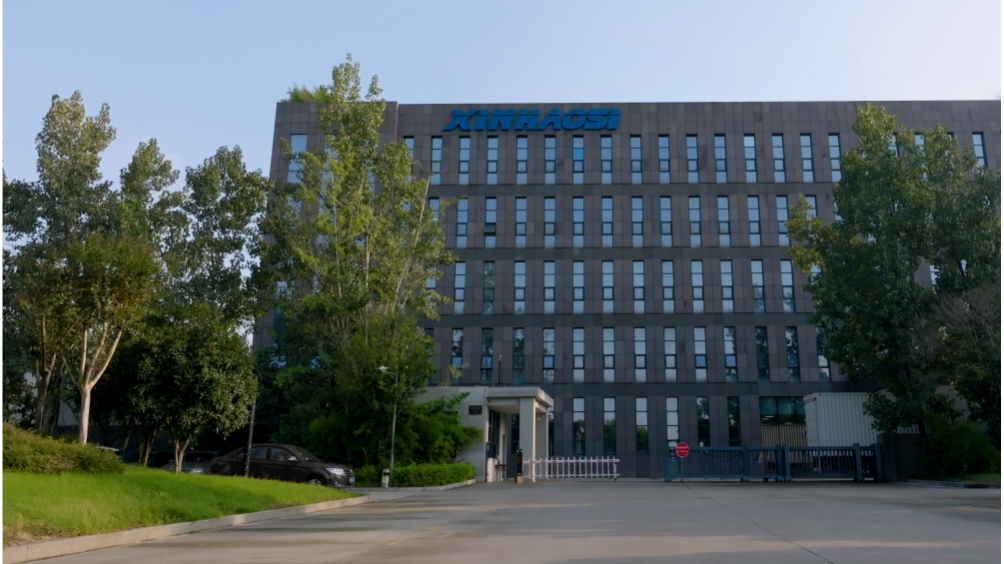
Chengdu Factory & Office
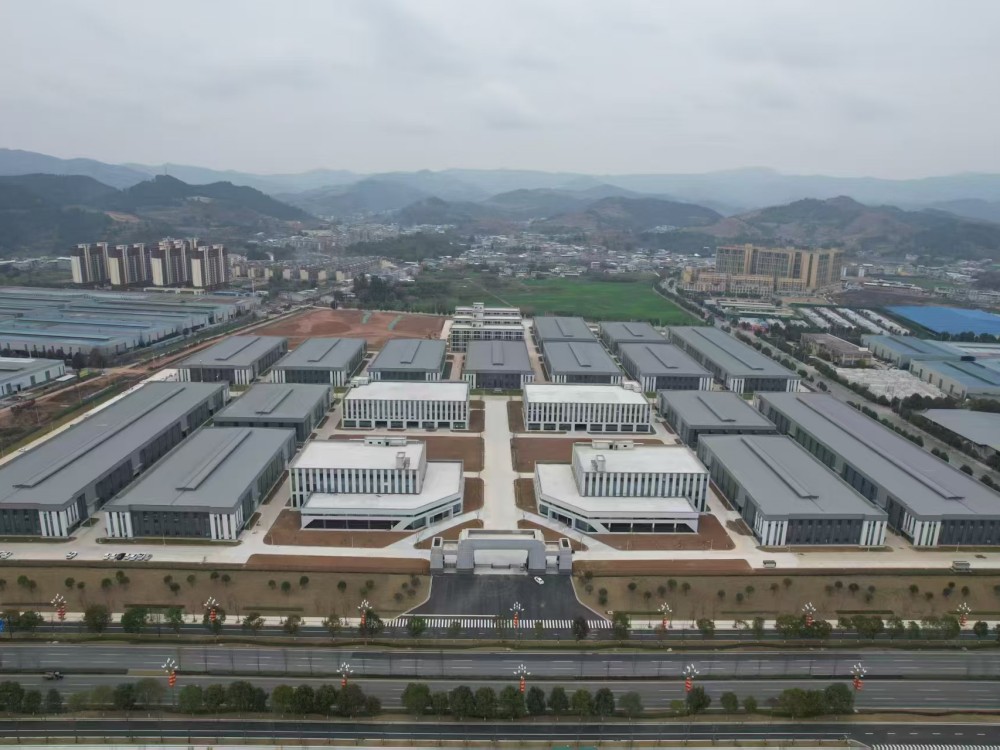
Deyang Factory
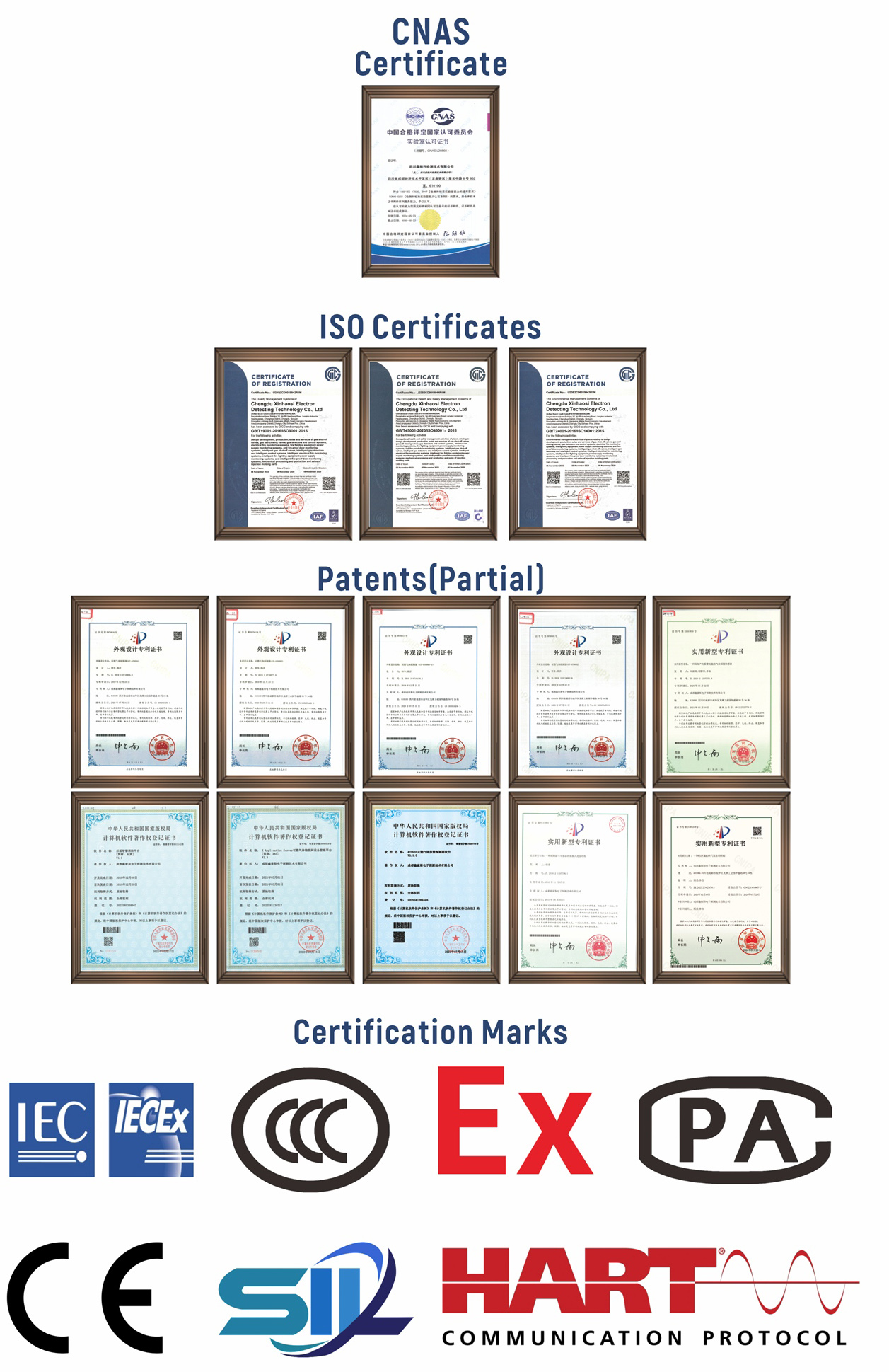
At Xinhaosi, compliance with international criteria underpins our entire product development cycle. Our core gas detectors and control systems possess key certifications including national compulsory Products Certification, explosion-proof approvals, fire safety system compliance, and international standards such as CE and SIL (Safety Integrity Level). This level of certification guarantees that our units can operate reliably inside zone 1 and zone 2 hazardous industrial environments.
Our internal testing infrastructure is accredited by the China National Accreditation Service for Conformity Assessment (CNAS) and recognized internationally under the ILAC-MRA framework. Operating strictly in accordance with the ISO/IEC 17025 standard for testing and calibration laboratories, this facility subjects all gas sensors to rigorous performance evaluations, including environmental chamber runs from -40°C to 70°C, vibration tests, EMI/RFI shielding diagnostics, and long-term sensor drift analysis.
Additionally, we hold honors such as "National Quality Integrity Benchmark Enterprise" and serve as the main drafting organization for the national standard of solenoid valves in China. Backed by over 50 patents and software copyrights, our R&D team pioneers smart platforms such as graphical monitoring software that facilitates predictive maintenance. By analyzing historical drift datasets, our software reduces unexpected equipment downtime by over 30%.
Addressing the complex requirements of diverse international markets with localized configurations and custom engineering.
Sulfur recovery units (SRU) and hydrotreaters generate substantial SO2 emissions. Our ATEX/IECEx explosion-proof detectors monitor ambient leakage under extreme temperature fluctuations, ensuring personnel safety and immediate valve shutdown activation.
The cooking process in sulfite pulping mills represents an environment with a high risk of localized SO2 accumulation. Here, corrosion-resistant housings and sensor elements calibrated to reject water vapor interference are vital for long-term monitoring.
Flue Gas Desulfurization (FGD) processes require precise real-time SO2 feed-forward data to optimize reagent dosing. Our integrated systems combine intelligent terminals with control panels to secure data telemetry back to central SCADA systems.
A look at how we evolved from a startup in 2003 into an international player with state-of-the-art facilities and smart safety product designs.
Established on April 17th, 2003. We launched our first generation of gas leak alarm systems and fire protection products, carving out a reputation for reliability in domestic markets.
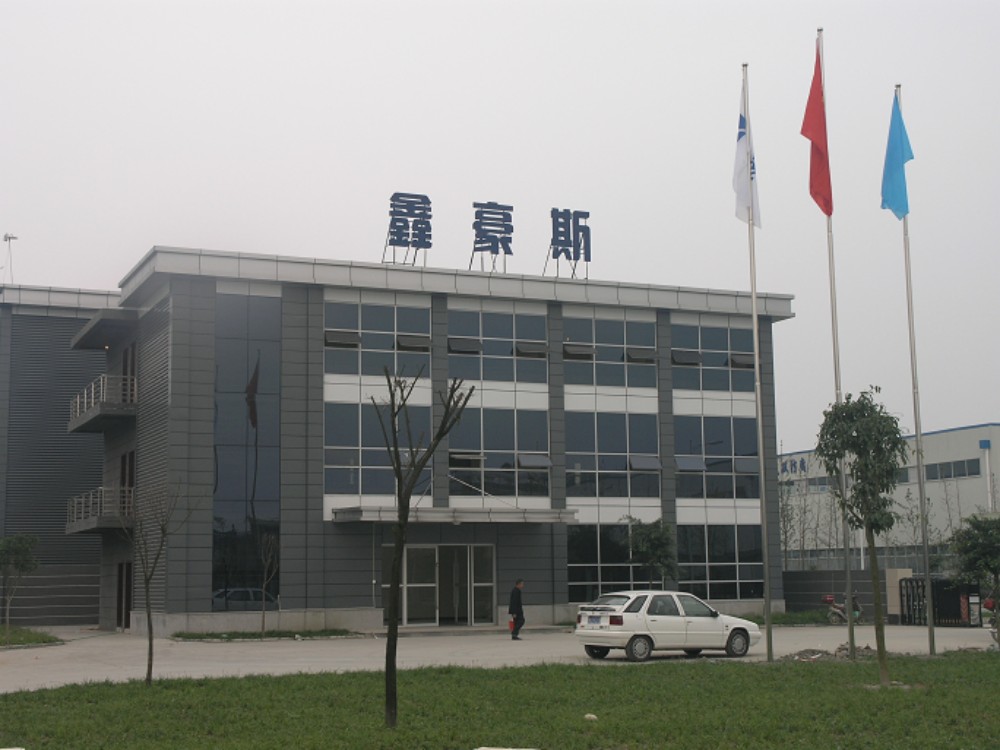
Initiated the production of dedicated industrial gas safety valves. Rapidly expanded our global OEM/ODM partnerships and relocated our administrative headquarters to the Longtan Industrial Park.

Achieved a milestone of 10 million units sold. Relocated our manufacturing lines into our dedicated Chengdu factory compound. Introduced fire power monitoring systems and expanded sales networks.
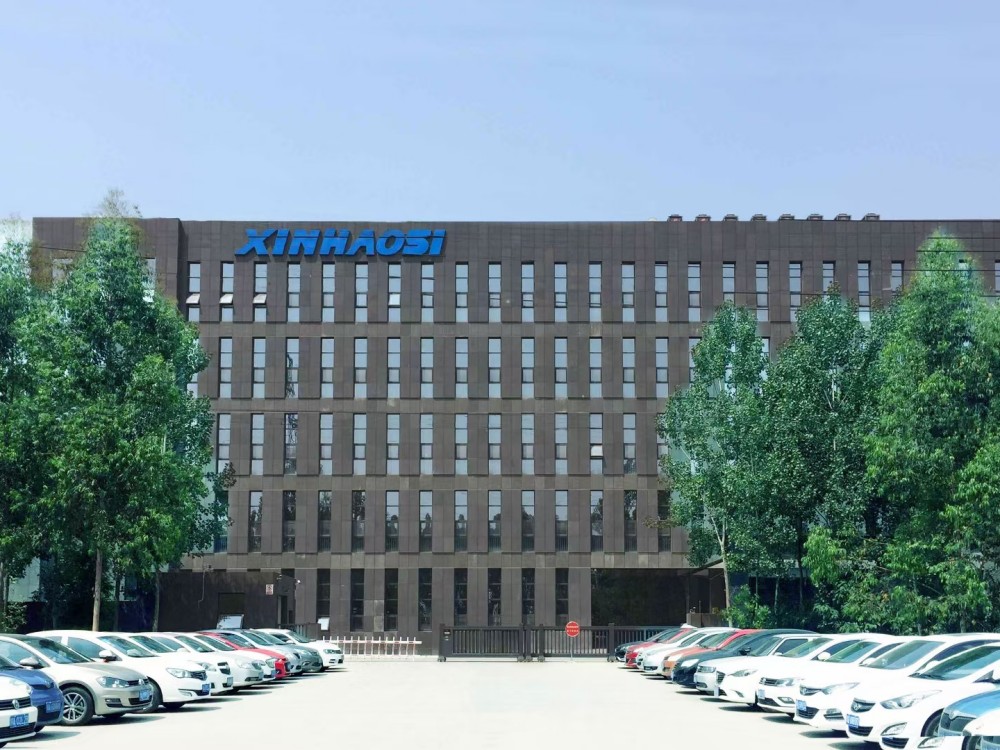
Developed and launched our in-house cloud-based IoT platform. Awarded the High-Tech Enterprise Certificate and secured status as a qualified supplier to China's top five gas companies.
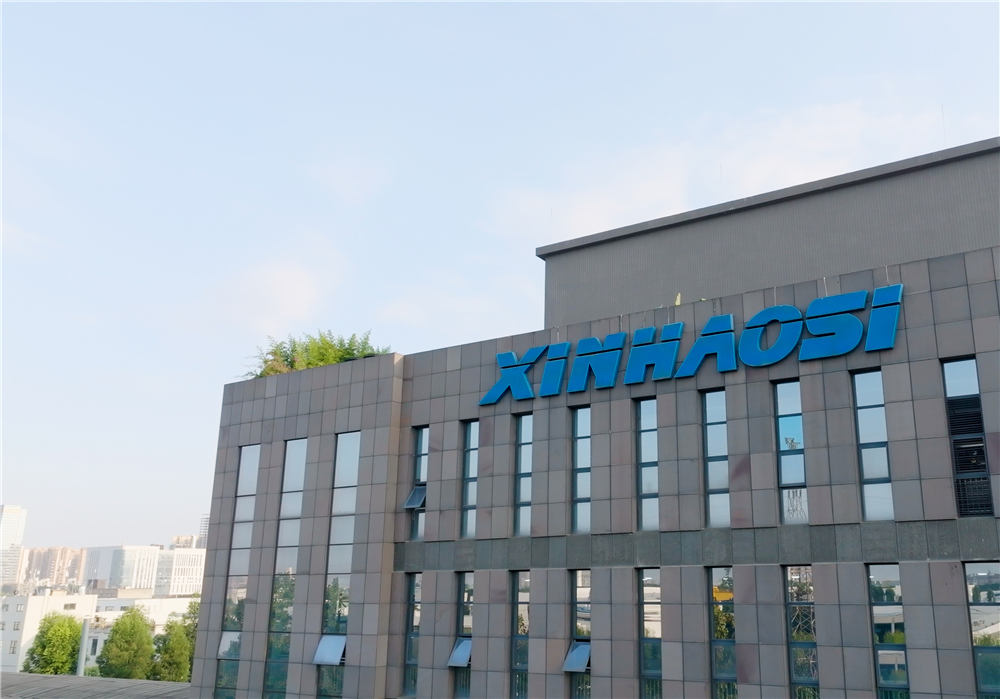
Began construction of the Deyang intelligent factory. Established our specialized Petrochemical & International Business Divisions. Recognized as the Sichuan Provincial Technology Center.
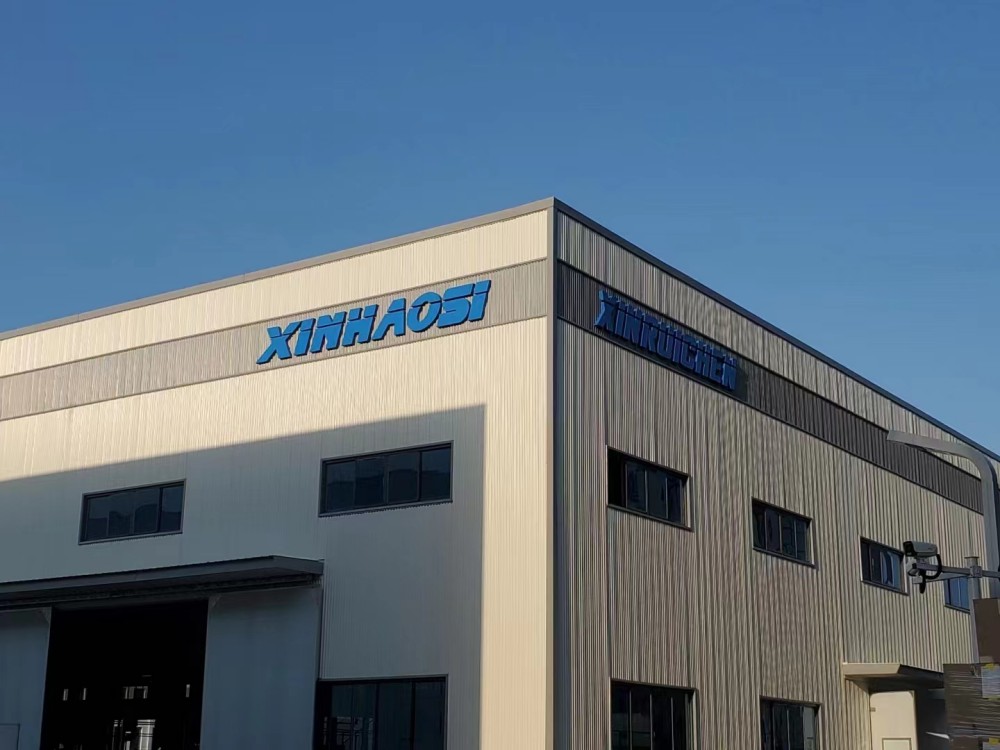
Deyang smart factory started full operation. Launched the next-gen urban gas network monitoring products, wireless multi-sensor gas detectors, and AI-enabled shut-off safety valves.
Addressing the technical, regulatory, and calibration questions critical to systems integrators and safety managers.
Complete your facility's safety infrastructure with our certified controllers, valves, portable monitors, and explosion-proof signal devices.