Explore our CNAS-calibrated, high-reliability safety modules engineered for OEM/ODM integration and complex industrial applications worldwide.
Understanding the Critical Physics, Sensor Technology Shift, and Global Regulatory Mandates Shaping OEM Gas Detection Solutions
Liquefied Petroleum Gas (LPG) and pure Propane (C3H8) are cornerstones of global industrial processing, commercial heating, residential energy distribution, and chemical synthesis. However, due to propane's high combustion enthalpy, low Lower Explosive Limit (LEL of 2.1% v/v in air), and heavy vapor density (1.55 relative to air), unmonitored leaks pose catastrophic fire, explosion, and life-safety hazards. Selecting a highly authoritative, reliable, and compliant OEM Propane Gas Monitor Supplier & Manufacturer is no longer just a procurement task; it is a critical risk mitigation mandate for global industrial enterprises.
As industrial automation accelerates toward Industry 4.0, gas safety systems are transitioning from isolated hazard alarms to fully integrated, intelligent safety networks. Industrial procurement officers, EPC engineering firms, and municipal utility managers face growing operational complexity. Modern propane gas monitoring demands rapid T90 response times, zero false-alarm tolerance, intrinsic explosion-proof housing (Ex d / Ex ia certified), seamlessly integrated IIoT communications (NB-IoT, 4G, LoRaWAN, RS485 Modbus), and direct SIL 2 / SIL 3 hardware safety loop interlocks.
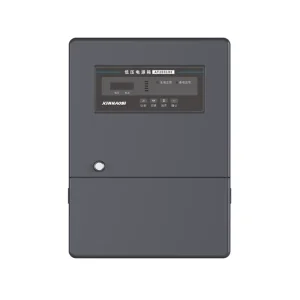
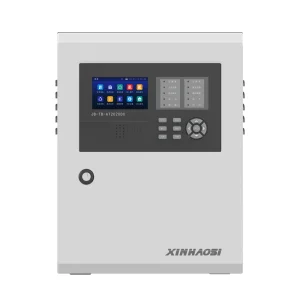
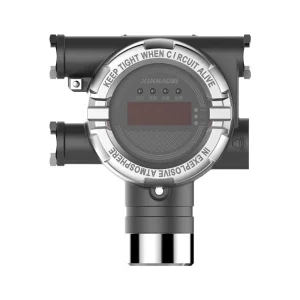
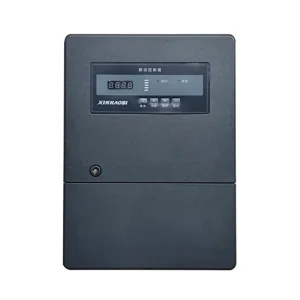
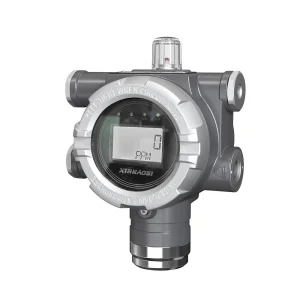
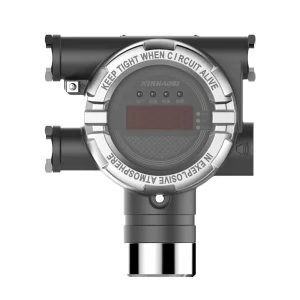
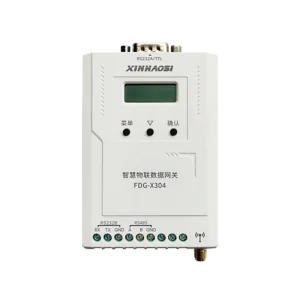
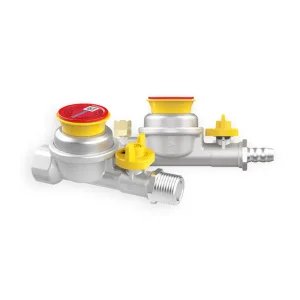
Deploying OEM Propane Monitors requires a holistic hardware-software infrastructure. Xinhaosi delivers CNAS ISO/IEC 17025 accredited laboratory testing, certified explosion-proof gas detectors (such as the GTYQ-XP4000 series), intelligent signal controllers (JB-TB-AT2020DX), automatic shut-off safety valves, and IoT cloud data gateways (FDG-X304) for complete operational resilience.
Selecting the optimal sensing mechanism based on environmental variables, poisoning hazards, and lifecycle operating costs.
In propane gas detection engineering, choosing between Catalytic Combustion (Pellistor) sensors and Non-Dispersive Infrared (NDIR) sensors directly affects system longevity, signal drift, and maintenance intervals. The table below outlines the critical engineering criteria utilized in Xinhaosi OEM product design:
| Technical Parameter | Catalytic Combustion (Pellistor) | NDIR Optical Infrared Sensor | Xinhaosi OEM Advantage |
|---|---|---|---|
| Operating Principle | Exothermic oxidation of C3H8 on active platinum bead catalyst | Infrared absorption at specific C-H hydrocarbon band (~3.4 µm) | Multi-sensor fusion options available for hybrid environments |
| Target Gas Specificity | Broad spectrum combustible gases (H2, CH4, C3H8, C4H10) | High hydrocarbon specificity; immune to hydrogen cross-sensitivity | Custom digital calibration curves burnt into firmware |
| Poisoning Resistance | Vulnerable to Silicones, Lead, Sulfur, and Halogenated compounds | 100% immune to sensor chemical poisoning | Coated hydrophobic filters & optical window heating |
| Oxygen Requirement | Requires > 10% O2 to sustain oxidation reaction | Operates effectively in 0% O2 inert atmospheres (Nitrogen purging) | Fail-safe architecture designed for zero-O2 process pipes |
| Response Time (T90) | < 15 Seconds | < 10 Seconds | Optimized gas diffusion chambers for instant warning |
| Expected Lifespan | 3 – 5 Years in clean environments | 7 – 10+ Years (Minimal calibration drift) | Modular plug-and-play sensor replacement architecture |
Our heavy-duty aluminum alloy and 316 stainless steel housings achieve Ex d IIC T6 Gb certifications, guaranteeing structural containment against internal ignitions in hazardous Zone 1 and Zone 2 areas.
Integrated microprocessors continuously monitor sensor health, baseline drift, and power degradation, decreasing unscheduled equipment downtime by over 30% via early warning diagnostics.
Supporting non-polar 2-wire bus architectures alongside 4G/NB-IoT wireless transmitters, enabling effortless deployment across vast industrial sites with minimal cabling overhead.
Analyzing the shift toward IoT integration, regulatory mandates, and smart gas infrastructure.
The global demand for industrial propane gas monitors is accelerating due to stringent environmental, health, and safety (EHS) legislation worldwide. Regulatory bodies such as OSHA (USA), ATEX (Europe), CPA, and MEM (China) strictly mandate real-time combustible gas monitoring across chemical manufacturing, energy storage, and commercial facilities.
Standalone buzzer alarms are being rapidly replaced by smart, connected devices. Modern industrial plants require propane detectors equipped with intelligent data gateways (such as the FDG-X304) that push real-time gas concentration metrics, sensor calibration status, and historical alarm logs directly to centralized cloud dashboards and SCADA systems.
Early gas warning is only half the solution. Enterprise buyers now mandate automatic active isolation. Upon detecting 10% or 20% LEL propane concentrations, intelligent control systems like the JB-MK-AT2041 instantly trigger fast-acting solenoid valves and explosion-proof exhaust fans to prevent gas accumulation before ignition thresholds are reached.
Procurement teams prioritize gas detection vendors whose hardware minimizes field calibration overhead. Digital micro-sensors with automated zero-tracking and self-diagnostic routines significantly extend calibration cycles, drastically lowering the multi-year Total Cost of Ownership (TCO).
Leveraging dual state-of-the-art manufacturing bases in Chengdu and Deyang to deliver unmatched OEM scale, speed, and reliability.
Xinhaosi operates dual high-capacity manufacturing facilities in Chengdu and Deyang, spanning tens of thousands of square meters. Equipped with high-speed automated Surface Mount Technology (SMT) lines, robotic gas calibration chambers, and automated temperature/humidity burn-in testing environment cells, our factories output tens of millions of high-precision safety devices annually.
This massive industrial scale gives our global OEM and ODM partners an undeniable competitive edge: rapid prototyping lead times, strict batch-to-batch consistency, component traceability, and ultra-competitive pricing structures that enable rapid market expansion.

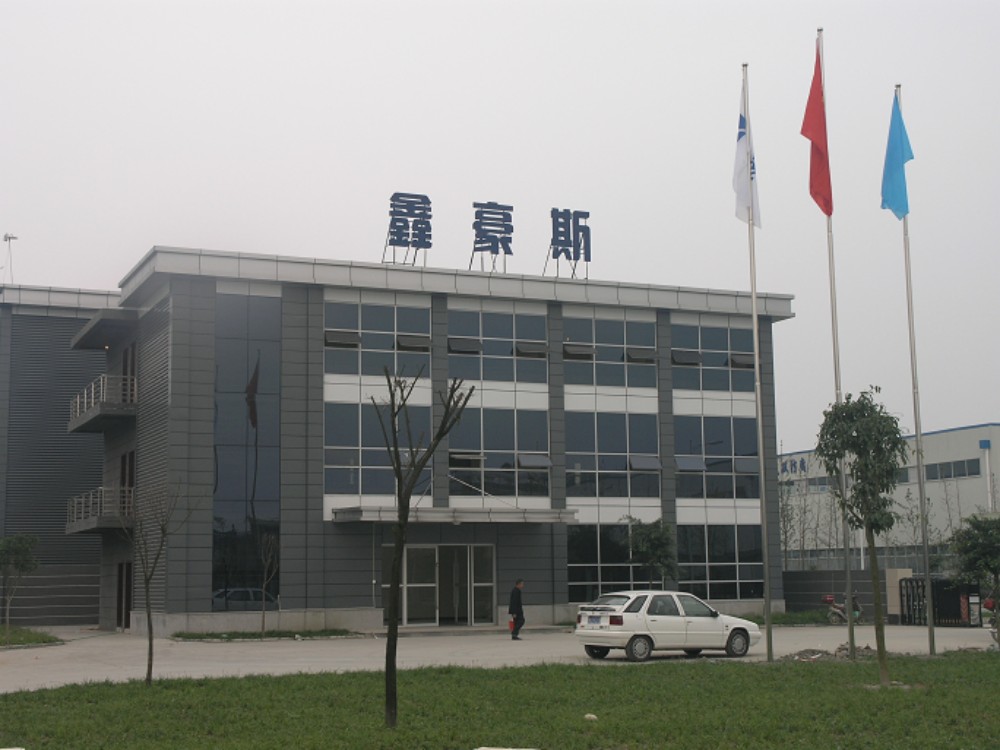
Xinhaosi Headquarters & R&D Complex in Chengdu

State-of-the-art Intelligent Manufacturing Facility in Deyang
Quality assurance is anchored by our in-house test laboratory, fully accredited by the China National Accreditation Service for Conformity Assessment (CNAS) and internationally recognized under the ILAC-MRA mutual recognition framework. Operating strictly under ISO/IEC 17025 standards, our lab provides fully traceable calibration and testing reports for every OEM gas monitor and solenoid valve.
Our testing protocols comply with rigorous domestic and international standards, including ISO9001 quality management systems, explosion-proof standard certifications, fire safety product approvals, CPA measurement approvals, and international CE & SIL ratings.
Founded in 2003, Xinhaosi has transformed from a gas alarm pioneer into an international benchmark in gas safety solutions.





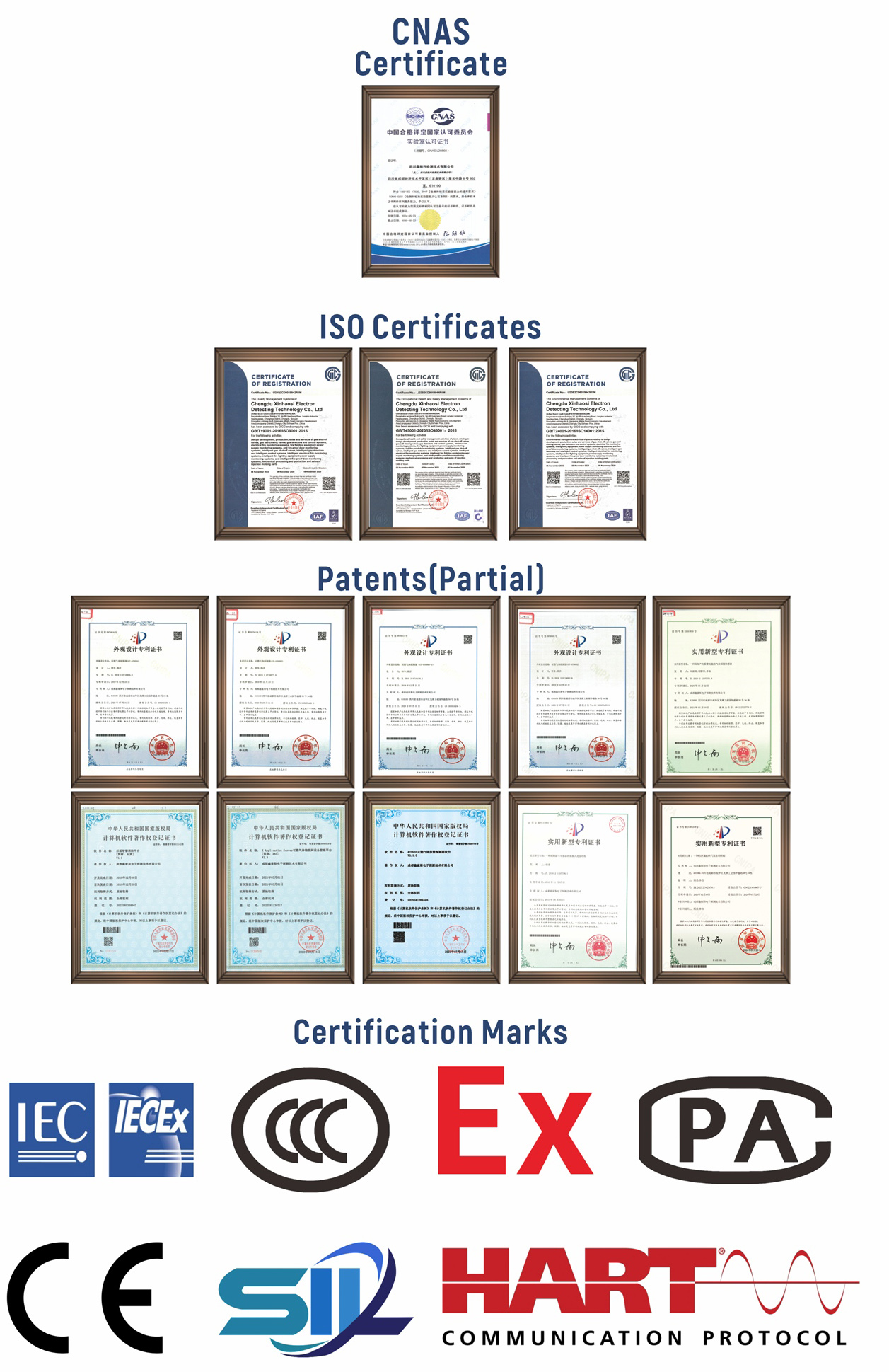
Adhering strictly to ISO9001 quality management system standards, Xinhaosi's core product portfolio holds a full suite of authoritative international approvals, including National Compulsory Product Certification, Explosion-Proof Certification, Fire Product Certification, CPA Measurement Instrument Approval, and international CE & SIL certifications.
We hold prestigious titles such as "National Quality Integrity Benchmark Enterprise" and "National Quality Leading Enterprise in the Gas Alarm Industry." Furthermore, as an active member of the China Fire Protection Association and a **primary drafting organization for China's National Standard for Solenoid Valves**, Xinhaosi directly shapes the technological standard of gas safety hardware worldwide.
In intellectual property, Xinhaosi boasts over **50 patents and software copyrights**. Key breakthroughs include our proprietary graphical gas monitoring system, which performs historical predictive maintenance to decrease field equipment failure rates by over 30%, as well as flow-monitoring solenoid valves that integrate flow anomaly detection directly into shut-off hardware.
Engineered to deliver uncompromising safety performance across diverse and aggressive operational settings.
High-vibration, highly corrosive refinery spaces demand explosion-proof (Ex d IIC T6) fixed propane monitors capable of continuous operation. Integrated RS485 and 4-20mA signals feed back directly into central safety control rooms.
LPG filling lines experience frequent ambient pressure and gas concentration fluctuations. Our monitors feature fast T90 response times paired with automatic solenoid cut-off valves to immediately neutralize gas leaks during cylinder filling operations.
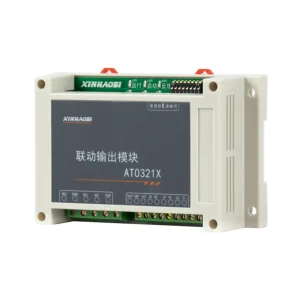
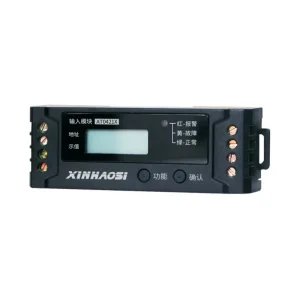
Commercial dining facilities require unobtrusive, aesthetic, and reliable propane monitoring systems. Compact OEM wall-mount detectors linked to output control modules (AT0321X/AT0322X) safeguard kitchen staff and restaurant guests seamlessly.
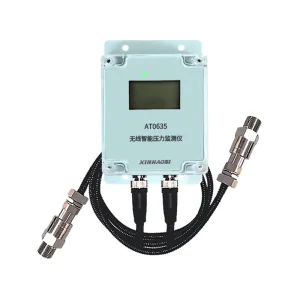
Underground gas distribution vaults present severe moisture and signal range challenges. Wireless low-power smart pressure monitors (AT0635 Series) combined with IoT data gateways maintain reliable remote connectivity through deep underground concrete structures.
Expert answers to common engineering, customization, compliance, and ordering inquiries from global B2B clients.
We provide end-to-end OEM/ODM customization services including custom PCB circuit board layout, custom sensor element selection (Catalytic vs. NDIR), private-label housing tooling, tailored firmware communication protocols (Modbus RTU, BACnet, MQTT, LoRaWAN), custom enclosure colors, custom branding logos, and bespoke product packaging.
Our hardware portfolio complies with ISO9001 quality management systems and holds Explosion-Proof Certificates (Ex d IIC T6 Gb), CPA Measurement Pattern Approval, Fire Product Certification, CE Mark certification, and SIL (Safety Integrity Level 2/3) compliance. All batch testing is executed in our CNAS ISO/IEC 17025 accredited laboratory.
Xinhaosi monitors utilize multi-stage temperature compensation algorithms embedded directly in the microprocessor firmware. Optical NDIR models feature integrated internal heating elements to prevent optical lens condensation, ensuring stable baselines across ambient operating ranges from -40°C to +70°C.
Thanks to our dual super-factories in Chengdu and Deyang with high-speed automated SMT assembly, standard OEM production orders are completed within 2 to 4 weeks after prototype approval, while custom tooling and ODM projects follow a rapid 6-to-8-week development pathway.
Yes. Our products feature standard isolated 4-20mA analog current outputs, RS485 Modbus digital buses, zero-voltage relay dry contacts for direct solenoid/fan activation, and optional wireless communication gateways (FDG-X304) for effortless SCADA/DCS integration.
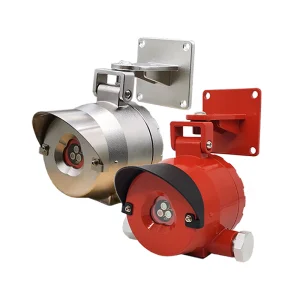
Complete your safe infrastructure with our industry-proven sensors, wireless pressure monitors, flame detectors, and automatic shut-off valves.