Pioneering precision gas monitoring devices, automatic shut-off systems, and interlock control components for global industrial deployment.
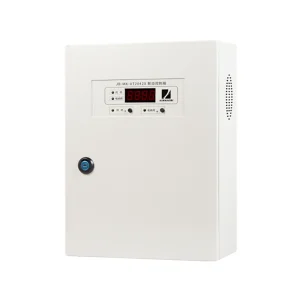
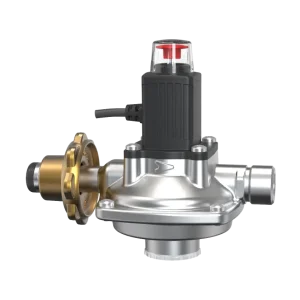
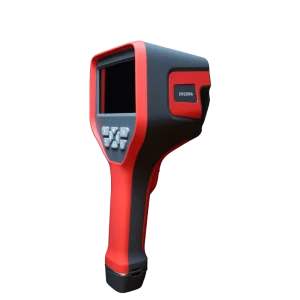

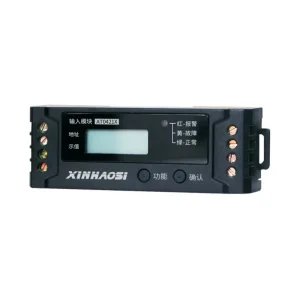
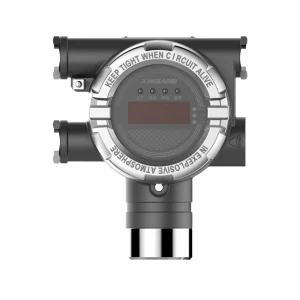
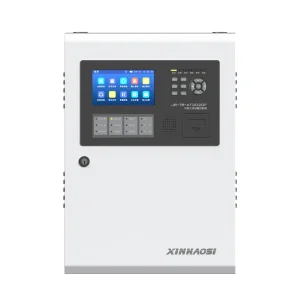
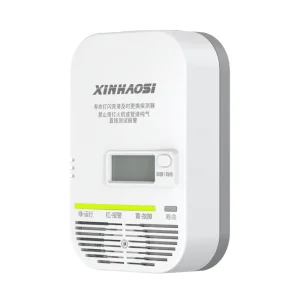


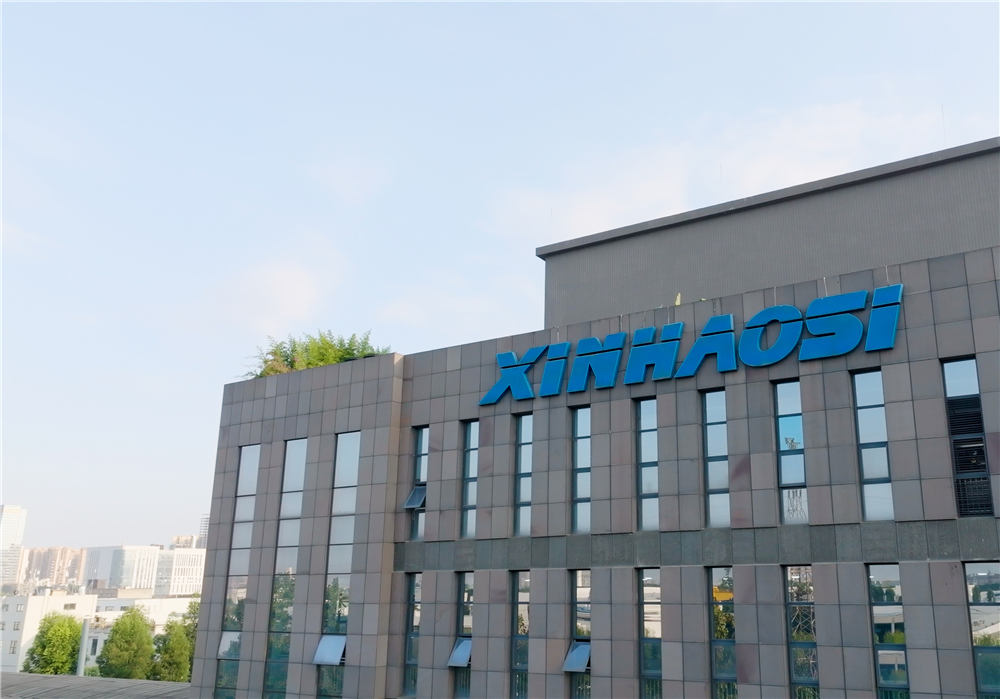
Founded in 2003, Xinhaosi has spent over two decades developing robust safety systems. As a major gas safety brand, we integrate advanced R&D with intelligent manufacturing processes. Our operations feature automated assembly lines, digital marketing systems, and technical support. We also provide flexible OEM/ODM services and operate a CNAS-Accredited laboratory that meets international calibration standards.
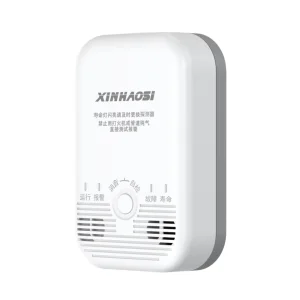
Our product portfolio ranges from industrial and residential gas detection systems to automated solenoid valves and municipal pipeline monitoring networks. These products are designed to perform reliably in demanding environments. We produce tens of millions of units annually, serving sectors such as petrochemicals, urban gas distribution, automotive production, pharmaceuticals, energy, and food processing.
Our core mission, "Making Gas Safety Accessible Everywhere," guides our quality control, system calibration, and technical support services globally.
Ensuring measurement accuracy and system reliability under extreme operational environments.
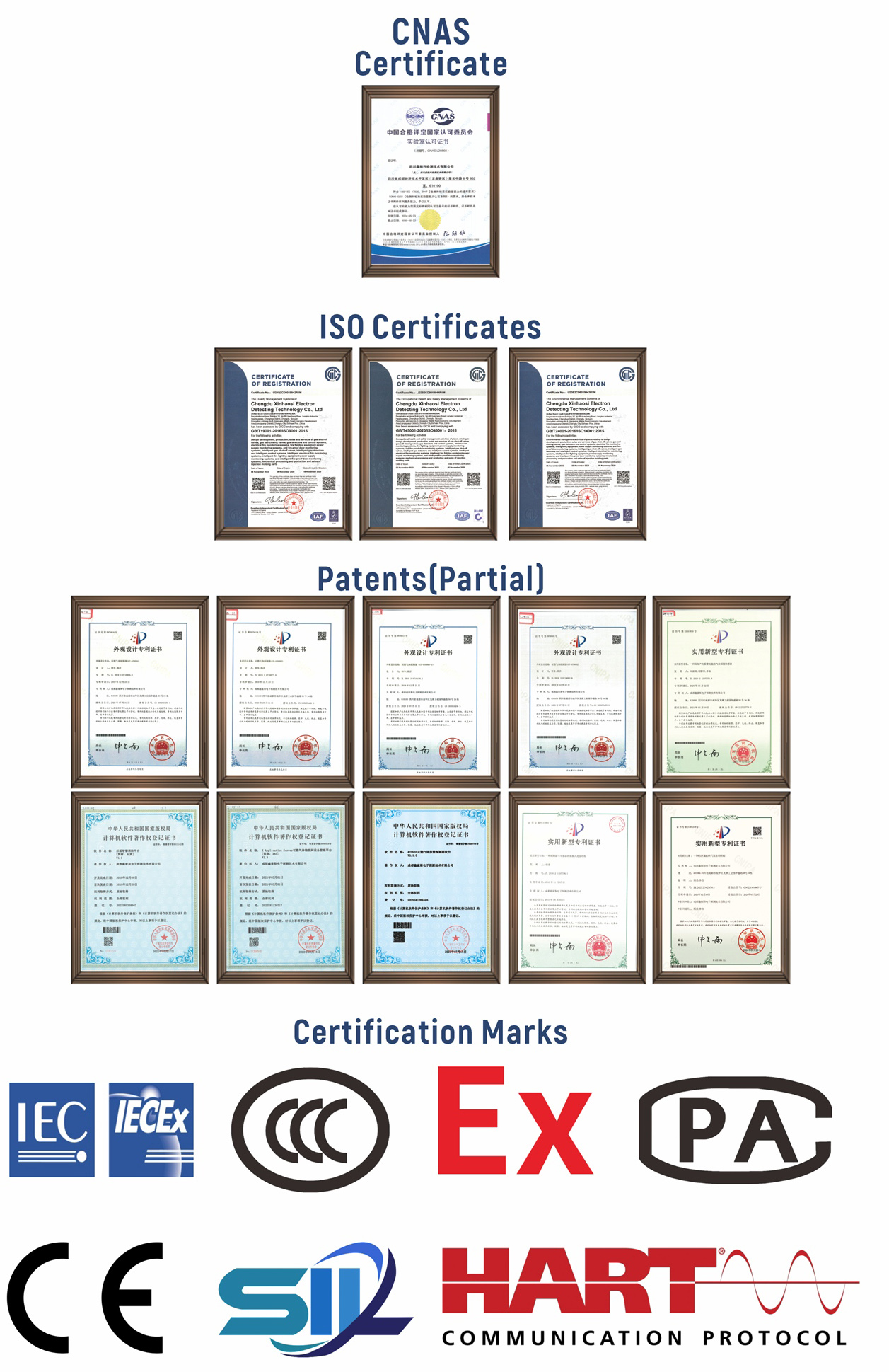
Our Quality Management System conforms to ISO9001. We maintain explosion-proof certifications, fire safety approvals, and CPA measurement type approvals, alongside CE and SIL certifications. The China Fire Protection Association recognizes Xinhaosi, and we have served as a lead drafting organization for national standards governing gas solenoid valves.
Our R&D efforts have produced more than 50 patents and software copyrights. Key innovations include graphical monitoring software for gas detection systems, which enables predictive maintenance, and flow-monitoring solenoid valves that integrate detection and shut-off functions. We also developed networked bus-type gas leakage monitoring systems certified for high-reliability applications.
Our calibration laboratory is accredited by the China National Accreditation Service for Conformity Assessment (CNAS) under the ILAC-MRA framework, operating in compliance with ISO/IEC 17025. This facility provides traceable calibration for gas sensors, solenoid valves, and safety controllers. Test reports from this lab support product compliance and market access in Europe, the Americas, and Asia.
How technological advancements and stricter safety mandates shape the future of safety monitoring.
Micro-Electro-Mechanical Systems (MEMS) technology has enabled smaller gas sensors. Modern portable detectors feature low power consumption, allowing smaller form factors and extended battery lives for field service teams.
Modern detectors use wireless protocols like NB-IoT, LoRaWAN, and Bluetooth to transmit real-time gas level readings directly to centralized control centers, enabling remote safety management.
Organizations increasingly require devices that detect combustible gases, toxic gases, oxygen depletion, and volatile organic compounds (VOCs) simultaneously, eliminating the need to carry multiple devices.
The gas safety industry is transitioning from reactive hazard detection to predictive monitoring systems. Portable gas sensors now incorporate machine learning algorithms to filter out cross-sensitivities and environmental noise, minimizing false alarms in challenging industrial settings. Real-time logging features also enable compliance audits by recording exposure histories in confined spaces.
How we address the complex safety requirements and engineering expectations of procurement teams worldwide.
Global procurement departments prioritize compliance with local safety regulations. Devices must carry ATEX certification for Europe, UL/FM for North America, and local approvals for Asian markets. Additionally, procurement managers require durable housings rated IP66 or IP67 to withstand water and dust ingress in offshore and mining applications.
As an experienced OEM/ODM partner, we provide comprehensive design and production support:
Integrating portable monitoring devices with fixed safety infrastructure across diverse industrial sectors.
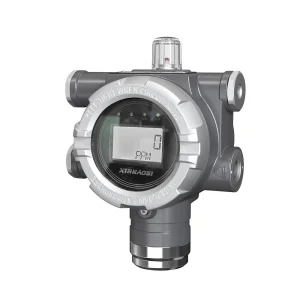
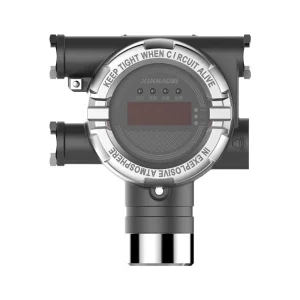
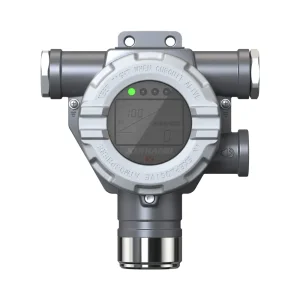
Hydrocarbon extraction environments present constant risks of combustible gas leaks and hydrogen sulfide exposure. Our explosion-proof detectors monitor hazardous areas, providing reliable warnings and integrating with emergency shutdown systems.
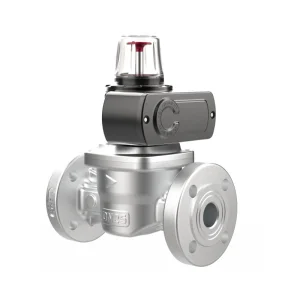
Monitoring expansive municipal gas networks requires long-range wireless connectivity. We offer low-power detectors and automatic safety shut-off valves designed to prevent major accidents along distribution lines.
Laboratory facilities handle a wide variety of volatile chemical compounds. Our detectors identify toxic gas leaks and oxygen depletion in confined spaces, maintaining safe environments for research personnel.
We continue to refine our gas detection systems to address evolving industrial challenges. Our technology roadmap centers on three development priorities:
Integrating smart diagnostics to monitor sensor cell health, letting operators know when calibration or replacement is required before a sensor failure occurs.
Developing lightweight, multi-gas monitors that can run continuously for weeks on a single battery charge by optimizing power management.
Expanding wireless connectivity options to include mesh network technologies, enabling reliable data relays in complex metal structures.
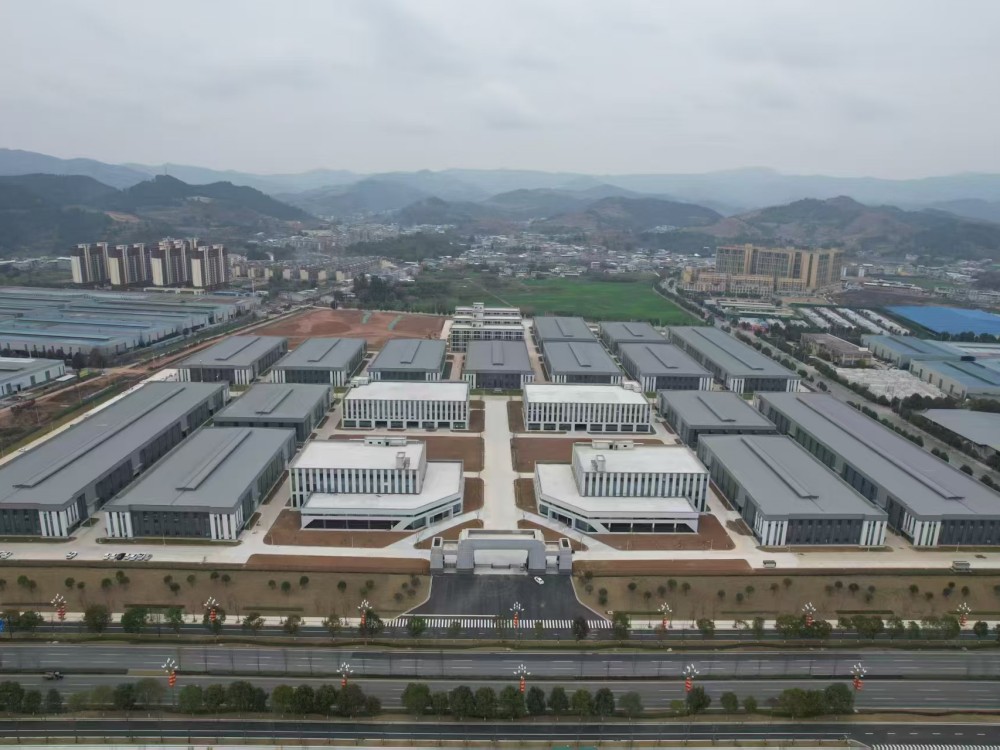
Over two decades of dedication to advancing safety and gas monitoring technologies globally.


Addressing common questions about sensor selection, calibration intervals, and regulatory compliance.
Non-Dispersive Infrared (NDIR) sensors detect gas by measuring infrared light absorption. They are highly resistant to sensor poisoning, perform well in oxygen-depleted environments, and require less frequent calibration. Catalytic Bead sensors measure gas by burning it on a catalytic element, which requires oxygen to function. While NDIR sensors are generally more durable, Catalytic Bead sensors are a cost-effective option for detecting a wide range of combustible gases.
Calibration intervals depend on the sensor type, target gas, and operating conditions. Under normal operating conditions, catalytic bead and electrochemical sensors should be calibrated every six months. NDIR sensors can maintain accuracy for up to twelve months. Regular bump testing is recommended in high-risk environments to ensure the sensor responds to gas exposure.
CNAS accreditation indicates that our testing laboratory meets ISO/IEC 17025 standards for calibration and testing competence. Because CNAS operates under the ILAC-MRA framework, our test reports are recognized globally, helping clients streamline their local regulatory approval processes.
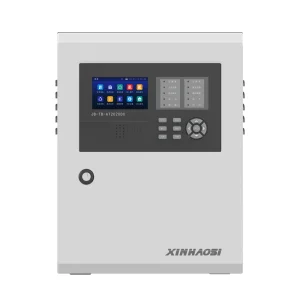
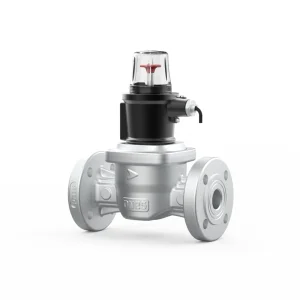
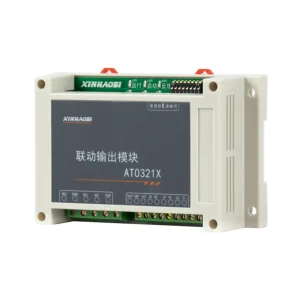
Interlock control boxes connect gas detection sensors to ventilation fans, alarms, and automatic shut-off solenoid valves. When gas levels exceed safety thresholds, the controller immediately cuts off gas lines and activates safety systems to protect personnel and property.
High-quality detectors, controllers, and industrial solenoid valves designed to protect challenging working environments.