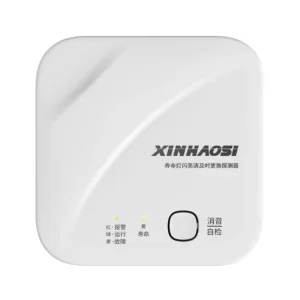
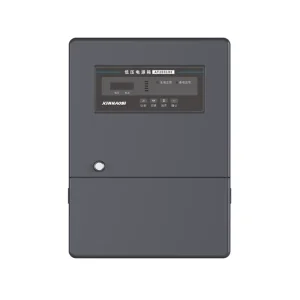
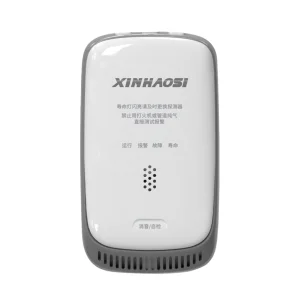
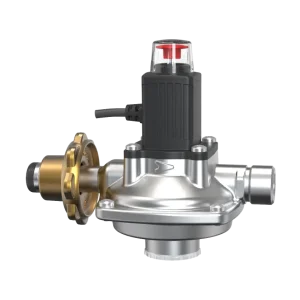
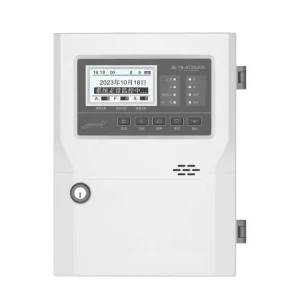
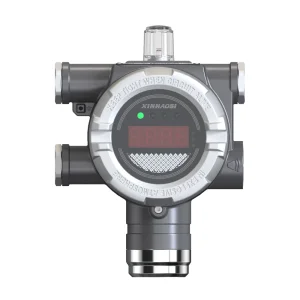
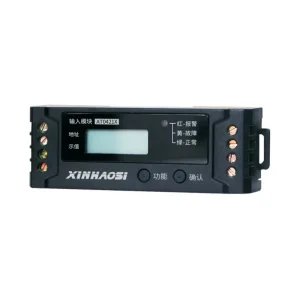
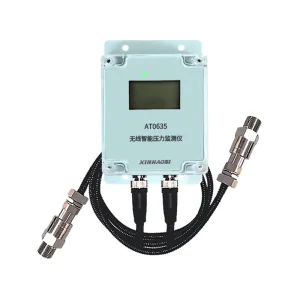
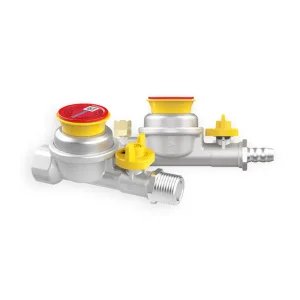
Explore our core gas safety control units, industrial valve systems, and cutting-edge sensor technology deployed globally.
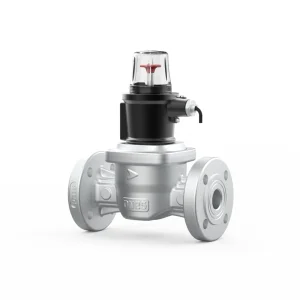
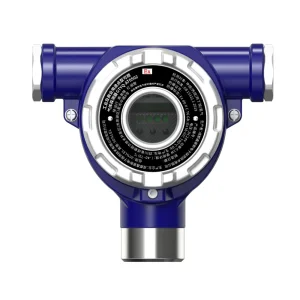
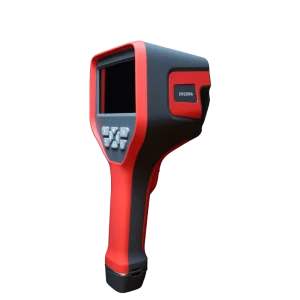
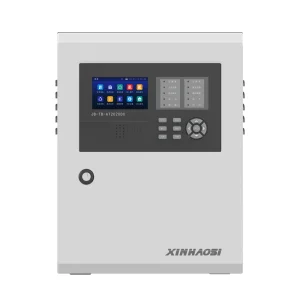
A strategic overview of industrial gas monitoring, risk mitigation, and compliance frameworks for global enterprises.
In modern industrial and commercial environments, monitoring Carbon Dioxide (CO2) concentrations is no longer merely a regulatory checkmark—it is a critical pillar of environmental health, life safety, and process automation. Exposure to elevated CO2 levels poses immediate health hazards, ranging from cognitive impairment to hazardous asphyxiation risks. Consequently, modern industrial safety demands highly reliable, precision-engineered portable CO2 detection devices.
As a global leader in gas safety solutions, Xinhaosi (founded in 2003) has spent over two decades developing high-precision gas detection technologies. By aligning our design systems with Google's E-E-A-T criteria (Experience, Expertise, Authoritativeness, and Trustworthiness), we guarantee that our products reflect the peak of chemical sensing science, advanced hardware engineering, and stringent international standards.
For distributors, systems integrators, and industrial entities, partnering with a proven manufacturer like Xinhaosi offers immense strategic advantages. Leveraging our advanced production facilities in Chengdu and Deyang, we provide flexible OEM/ODM architectures. This allows clients to deploy highly customized gas detectors tailored to specific ambient environments—whether that requires ruggedized explosion-proof enclosures, localized firmware calibration, or integrated wireless protocols (NB-IoT, LoRaWAN, and Bluetooth).
How we integrate advanced optics, smart calibration systems, and AI-assisted predictive diagnostics into portable gas sensing devices.
Our core portable CO2 detectors utilize Non-Dispersive Infrared (NDIR) sensors with dual-channel technology. By incorporating a reference channel, our sensors compensate for optical degradation and source aging, providing drift-free measurements over continuous operational lifespans of up to 10 years.
In alignment with Xinhaosi's 2024 AI integration initiative, our next-generation portable gas detectors incorporate onboard machine learning algorithms to compensate for cross-sensitivities. This resolves accuracy issues caused by temperature shifts, relative humidity changes, and barometric fluctuations.
Our engineering roadmap features ultra-low-power microcontrollers paired with rechargeable Li-poly power systems. This achieves up to 48 hours of continuous operation in high-performance modes and months of longevity in duty-cycled, wireless logging configurations.
Deploying targeted portable CO2 monitoring infrastructures across high-stakes industrial and commercial sectors.
In corporate offices, educational institutions, and smart buildings, monitoring indoor CO2 levels is vital for occupant health and productivity. Portable CO2 detectors allow HVAC engineers to perform rapid audits, map airflow inefficiencies, and calibrate ventilation systems to comply with standards like ASHRAE 62.1 and EN 15251.
Controlled Environment Agriculture (CEA) relies on elevated CO2 levels (often between 1,000 ppm to 1,500 ppm) to accelerate plant photosynthesis. Xinhaosi portable gas detectors enable agricultural operators to monitor concentrations on the move, verify automated dosing system calibration, and safeguard workers against localized CO2 pocket accumulation.
Carbon dioxide is a major byproduct of fermentation, and high pressure cylinders are standard in commercial beverage dispensing. Leaks in cold storage cellars, fermentation halls, or fast-food beverage closets can be fatal. Handheld CO2 leak detectors with integrated audible, visual, and haptic alarms ensure facility workers can quickly assess confined spaces before entry.
Dry ice (solid state CO2) is widely used for vaccine transport, pharmaceutical distribution, and frozen food logistics. Sublimation of dry ice during shipping can quickly raise CO2 concentrations in delivery vans and cargo holds. Our compact, portable safety monitors ensure logistics personnel remain safe during transport, loading, and unloading cycles.

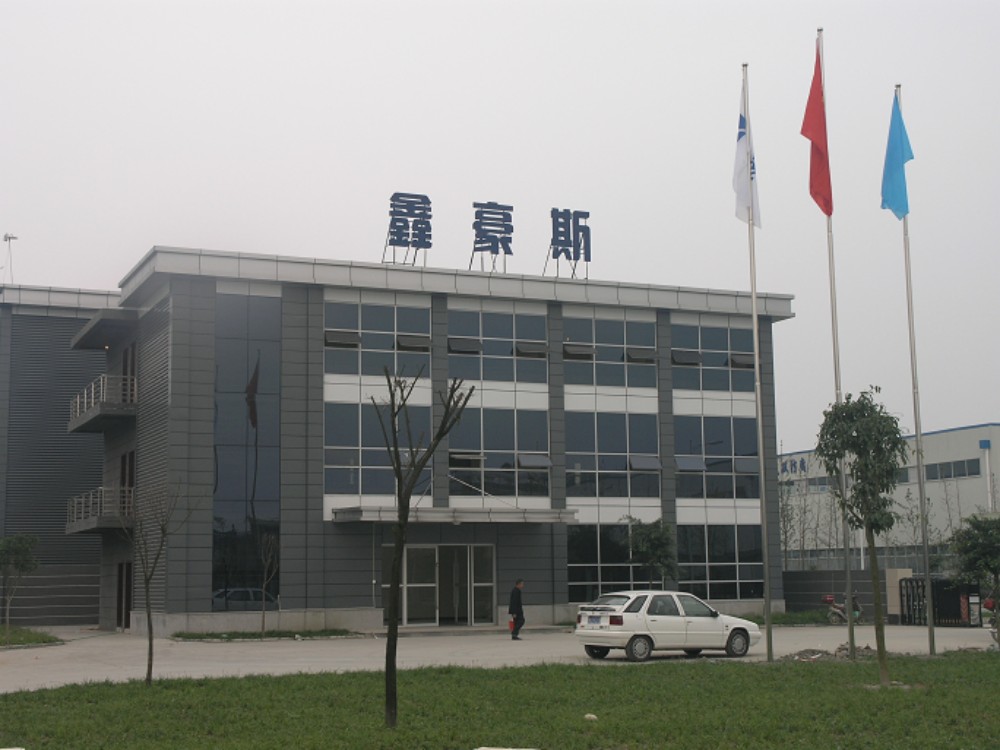
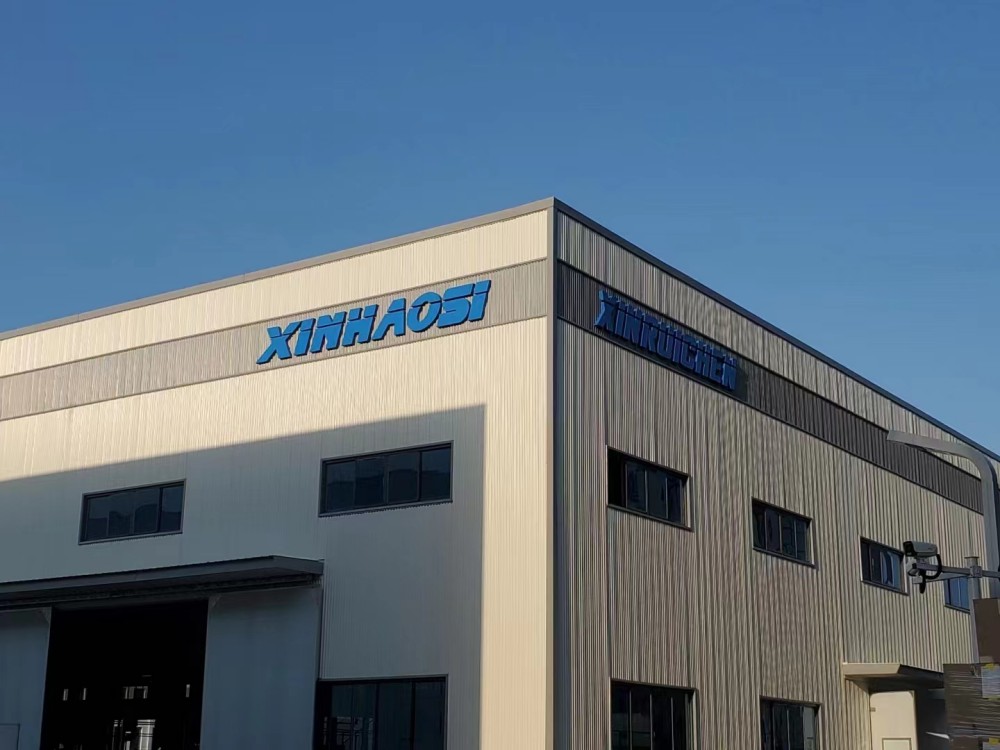
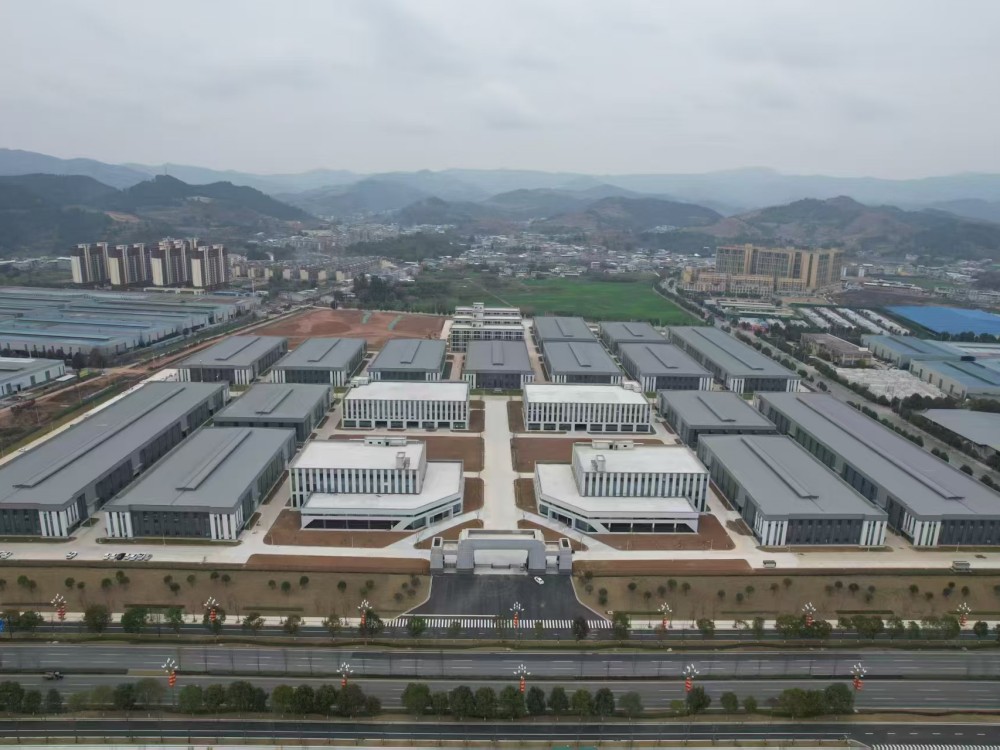
Chengdu Factory & Office

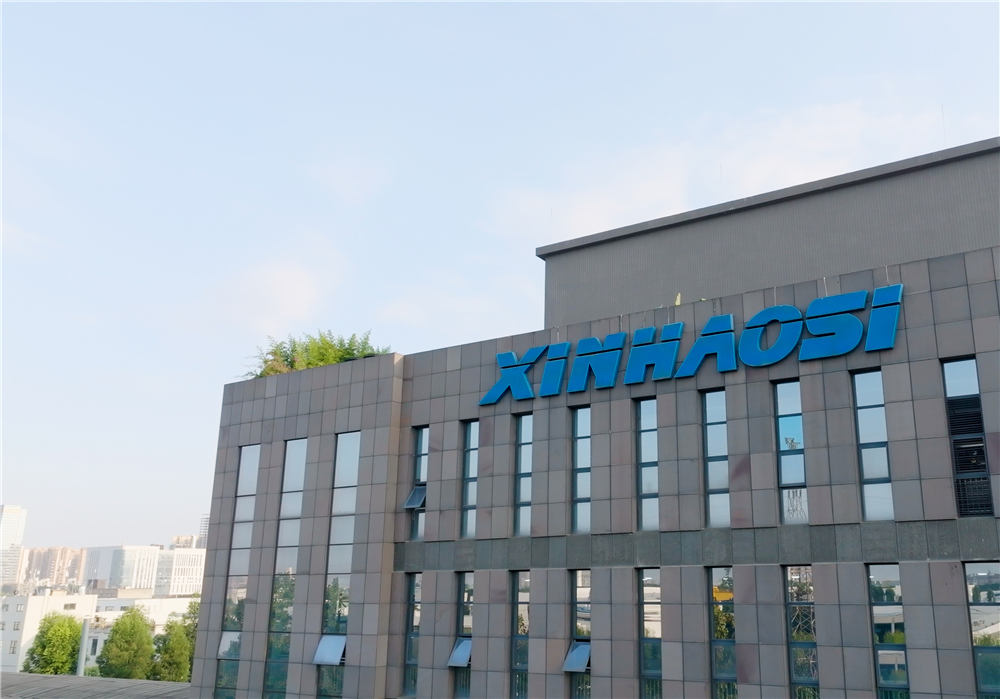
Deyang Factory
Founded in 2003, Xinhaosi is one of the most influential and trusted brands in the global gas safety industry. Over the past two decades, we have steadily built a robust and comprehensive production and service system, which integrates cutting-edge R&D, intelligent manufacturing with advanced automation equipment, digital marketing across global channels, and professional after-sales support with an experienced technician team.
We provide flexible OEM/ODM services, as well as CNAS-Accredited laboratory calibration services that meet international standards. Our diversified product portfolio covers industrial & residential gas detection & alarm systems, industrial & household gas solenoid valves, and urban gas pipeline network monitoring systems—all engineered to adapt to complex working environments and strict safety requirements.
We produce and sell tens of millions of units annually, catering to a wide range of industries that demand reliable gas detection solutions, including oil & gas exploration and production, petrochemicals, urban gas distribution, automotive manufacturing, pharmaceuticals, new energy, steel production, and beverage processing.
Adhering to ISO9001 quality management system standards, Xinhaosi's core products have obtained a full range of authoritative certifications, including national compulsory Products Certification, explosion-proof certification, fire product certification, CPA measurement instrument type approval certificate, and international approvals such as CE and SIL. Additionally, Xinhaosi holds honors such as "National Quality Integrity Benchmark Enterprise" and "National Quality Leading Enterprise in the Gas Alarm Industry," and serves as a main drafting organization for the national standard of solenoid valves.
In the field of intellectual property, Xinhaosi has built a robust innovation system with over 50 patents and software copyrights. These patents cover core technological areas, including a graphical monitoring system for gas detection and alarm, which enables predictive maintenance based on historical data to reduce equipment failure rates by over 30%, and a solenoid valve with flow monitoring functionality that integrates flow detection and alarm capabilities.
Our in-house laboratory is accredited by the China National Accreditation Service for Conformity Assessment (CNAS), recognized both domestically and internationally under the ILAC-MRA framework. Operating in accordance with ISO/IEC 17025, the international standard for testing and calibration laboratories, it provides reliable, traceable testing services. Test reports issued by our CNAS-accredited laboratory are widely accepted by regulatory authorities, certification bodies, and customers globally, ensuring seamless market access.
How Xinhaosi leverages state-of-the-art smart factories to deliver industrial gas sensors with consistent quality and competitive pricing.
In the electronic components and gas sensor industries, manufacturing resilience is the key to maintaining a continuous supply chain. Xinhaosi operates two primary production centers: the established facility in Chengdu and our advanced, recently expanded smart manufacturing base in Deyang. This dual-facility system acts as an active-active production setup, mitigating regional disruptions and scaling output to meet sudden surges in global demand.
Our Industry 4.0 model integrates automated SMT (Surface Mount Technology) assembly lines, robotic optical inspection (AOI), automated sensor calibration chambers, and real-time ERP systems. Because we fabricate core mechanical components, safety valves, and sensor enclosures in-house, we reduce reliance on third-party suppliers, minimize lead times, and maintain complete control over raw material quality.
Furthermore, our CNAS-accredited calibration laboratories utilize automated environmental testing ovens. Here, detectors are subjected to precise temperature profiles ranging from -40°C to +70°C. This ensures that every portable CO2 detector leaving our factory performs accurately, even in the harshest climates.
How we align our engineering teams with your brand specifications, technical standards, and localized product requirements.
Custom colors, co-branding, logo printing, and custom-molded silicone boots to meet specific corporate aesthetics and field durability needs.
Custom alarm thresholds (STEL, TWA, low/high limits), localized interface languages, display formats (ppm, %, mg/m³), and modifiable auto-calibration schedules.
Integrating sensors with external gas valves, dry contacts, wireless modules (NB-IoT/LoRa), or customized smartphone apps for cloud compliance logging.
A look at how we grew from a regional startup in 2003 into an international leader in gas safety systems.


Technical, logistical, and compliance answers from our lead application engineers and product managers.
Our dual-wavelength NDIR sensors have an expected operating lifespan of 8 to 10 years. Unlike electrochemical sensors, NDIR optics do not degrade when exposed to high gas concentrations, ensuring long-term baseline stability and lower replacement costs.
Our CNAS-accredited calibration facility operates in strict compliance with ISO/IEC 17025 standards. All calibration equipment is fully traceable to international systems. When you order OEM portable CO2 detectors, we issue certificates of calibration that facilitate smooth approvals with local regulatory authorities.
Our industrial and residential products carry a range of certifications, including China's national compulsory Products Certification, explosion-proof certification, and fire safety certifications. For global markets, our products conform to CE and SIL standards. Our engineering team can also assist in securing localized certifications, such as UL or EN standards.
MOQs vary depending on the level of customization. For basic private labeling (logo printing and customized packaging), our MOQ starts at 100 units. For structural mold modifications or proprietary firmware development, the MOQ is negotiated based on design complexity and production scheduling.
We apply conformal coatings to our internal circuit boards to protect against humidity. Additionally, our NDIR firmware includes real-time software compensation based on input from integrated temperature and humidity sensors, maintaining measurement accuracy across a wide range of climates.
Explore our integrated portfolio of monitoring systems, smart controls, and wireless pressure transmitters.