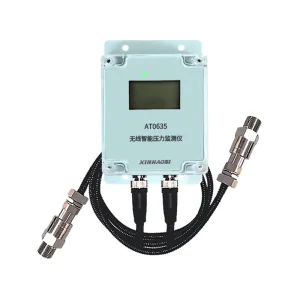
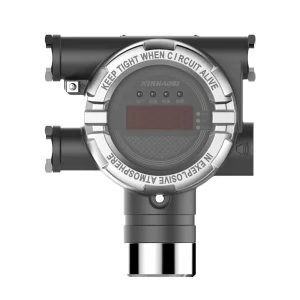
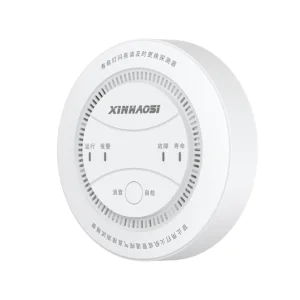
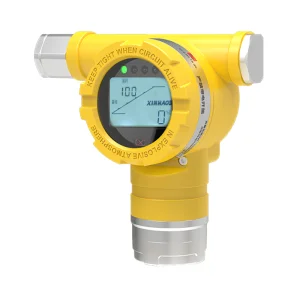
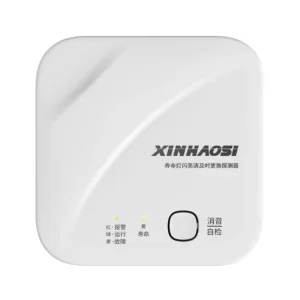
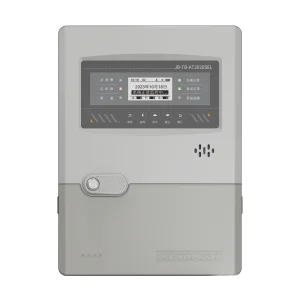
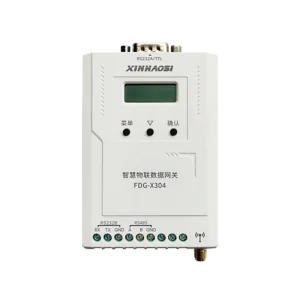
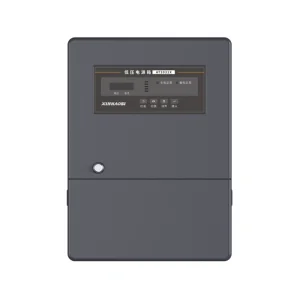
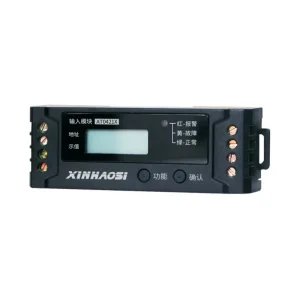
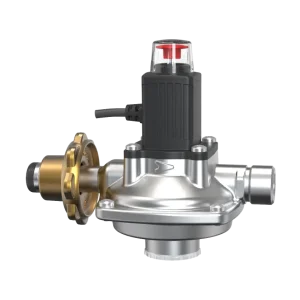
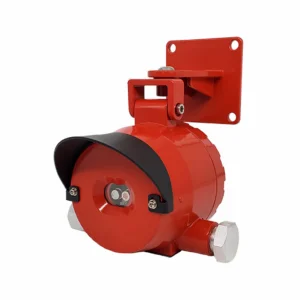
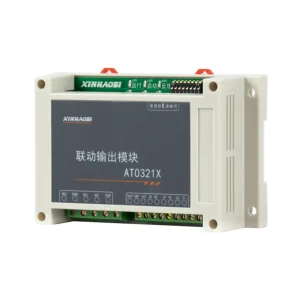
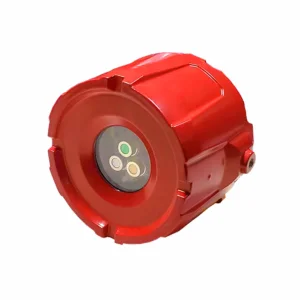
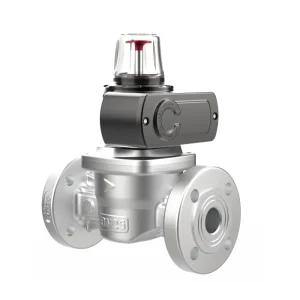
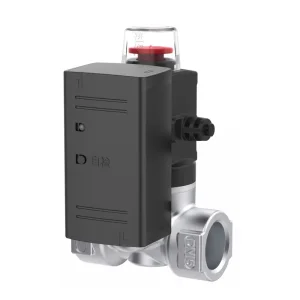
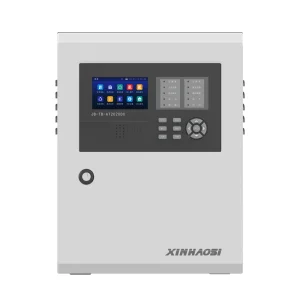
Explore our industrial-grade controllers, wireless sensors, data gateways, and automated shut-off systems engineered to integrate seamlessly with NH3 monitoring networks.
A Comprehensive Whitepaper on Market Drivers, Advanced Sensor Architectures, Global Compliance, and Enterprise Procurement Dynamics.
Ammonia (NH3) is a core component of modern agriculture, chemical manufacturing, and refrigeration systems. However, its high toxicity, corrosive nature, and potential flammability at elevated concentrations pose significant operational risks. As a volatile compound with an extremely low odor threshold but severe immediate health consequences above 25 ppm, precise and continuous monitoring is mandatory across multiple industry verticals.
Today, industrial environments demand robust gas detection hardware capable of enduring harsh environmental factors—such as sub-zero temperatures in cold-chain logistics, extreme humidity in agricultural facilities, and high chemical interference in synthesis plants. The integration of high-reliability OEM NH3 sensors within localized controller systems is no longer just a compliance checkbox, but a foundational requirement for modern asset protection and workforce safety.
The industrial gas detection ecosystem is undergoing a major paradigm shift. Traditional catalytic beads are being superseded by advanced sensing mechanisms designed to minimize calibration drift and prevent sensor "poisoning". The primary technologies shaping the market today include:
Highly sensitive to low parts-per-million (ppm) levels of NH3. Modern variations utilize ionic liquids to prevent electrolyte dry-out, extending operational lifespans up to 3-5 years under normal operating conditions.
Ideal for detecting leaks in extremely cold environments, such as dry-expansion ammonia refrigeration systems. MOS sensors feature fast response times and high mechanical durability.
Tunable Diode Laser Absorption Spectroscopy offers zero drift, zero cross-sensitivity, and can detect ppm levels over long distances. Historically expensive, OEM packaging is making TDLAS accessible for mainstream commercial systems.
Key developmental trends focus on *sensor intelligence*. Integrated microcontrollers inside OEM modules now perform automated temperature and humidity compensation directly on-board, outputting linear digital signals (Modbus RTU, 4-20mA, or wireless protocols) to central hubs. This mitigates the complex analog-to-digital calibration challenges that historically plagued system integrators.
Global procurement directors evaluate sensor suppliers on multi-layered technical, regulatory, and logistics standards. When procuring OEM gas sensors, specialized teams must verify compliance against local occupational safety laws (OSHA, COSHH) and technical manufacturing specifications.
| Parameters Evaluated | Standard Industry Requirement | Xinhaosi High-Performance Spec | Impact on Operations |
|---|---|---|---|
| Measurement Range | 0 - 100 ppm / 0 - 500 ppm | Configurable 0 - 1000 ppm | Covers both toxic exposure and explosion limits. |
| Response Time (T90) | < 60 seconds | < 30 seconds (EC) | Enables rapid automated shutdown via solenoid valves. |
| Calibration Frequency | Every 6 Months | Up to 12 Months Stability | Reduces field maintenance overheads by 50%. |
| Certifications | CE, Basic Explosion Proof | SIL2, CE, ATEX, CNAS, CPA | Guarantees entry into hazardous industrial environments globally. |
The manufacturing landscape for precision sensing technology has evolved beyond raw labor arbitrage. China's intelligent manufacturing transition (Factory 4.0) combines highly automated assembly, raw materials integration, and computerized quality control systems to deliver unprecedented production scale and consistency.
By leveraging automated testing rigs, precision calibration chambers, and localized component sourcing, Xinhaosi minimizes delivery lead times and eliminates variations in sensor calibration. With multiple ISO-compliant facilities in Chengdu and Deyang, the supply chain is structured to resist global logistics shocks, providing a stable stream of OEM NH3 solutions directly to European, American, and Asia-Pacific markets.
Different localized environments present distinct physical stresses to gas sensors. Designing a resilient detection grid requires matching sensor chemistry to environmental conditions:
Temperatures regularly sit between -20°C and -40°C. Condensation during defrost cycles can kill standard sensors. Sealed electrochemical systems or heated MOS sensor blocks prevent moisture damage and maintain precision.
High relative humidity and heavy background levels of hydrogen sulfide (H2S), methane (CH4), and dust. NH3 sensors must use robust physical filters and chemically selective membranes to avoid cross-sensitivity and false alarms.
Heavy interference from background gases and risk of explosion. Sensors require flameproof (Ex d) or intrinsically safe (Ex i) enclosures, along with integrated control valves to trigger immediate containment protocols.

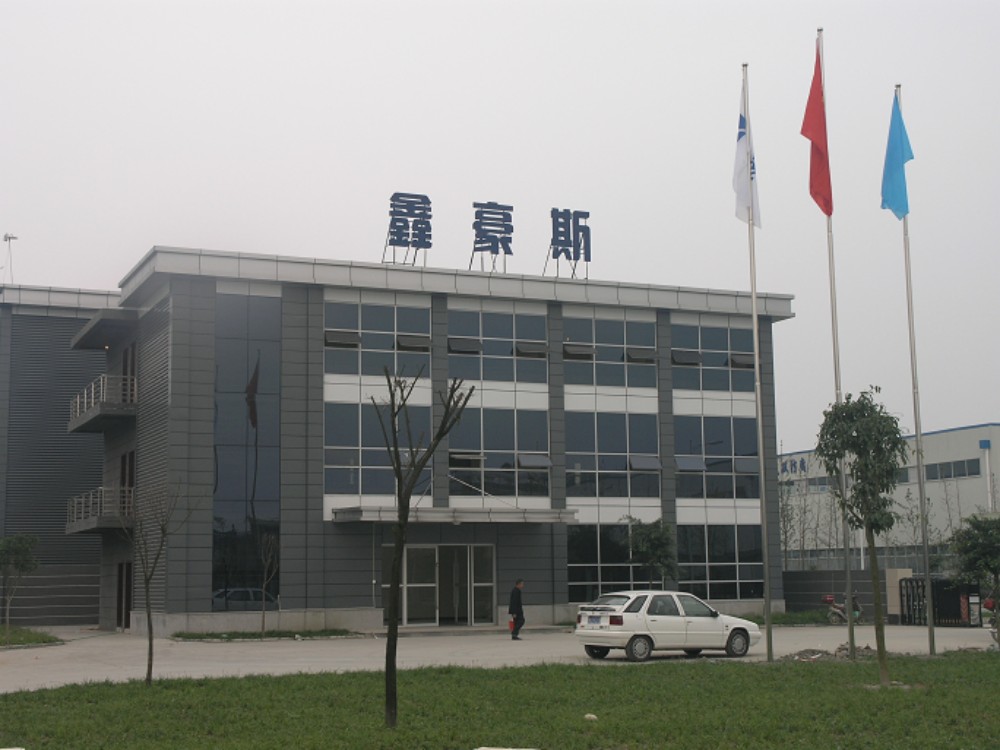
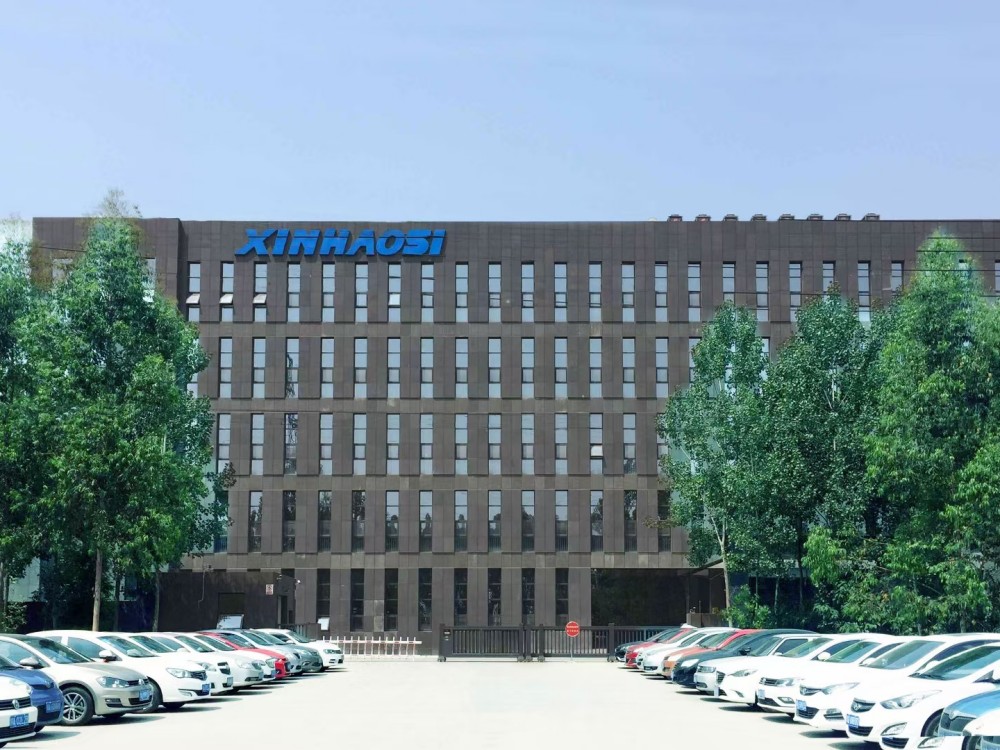
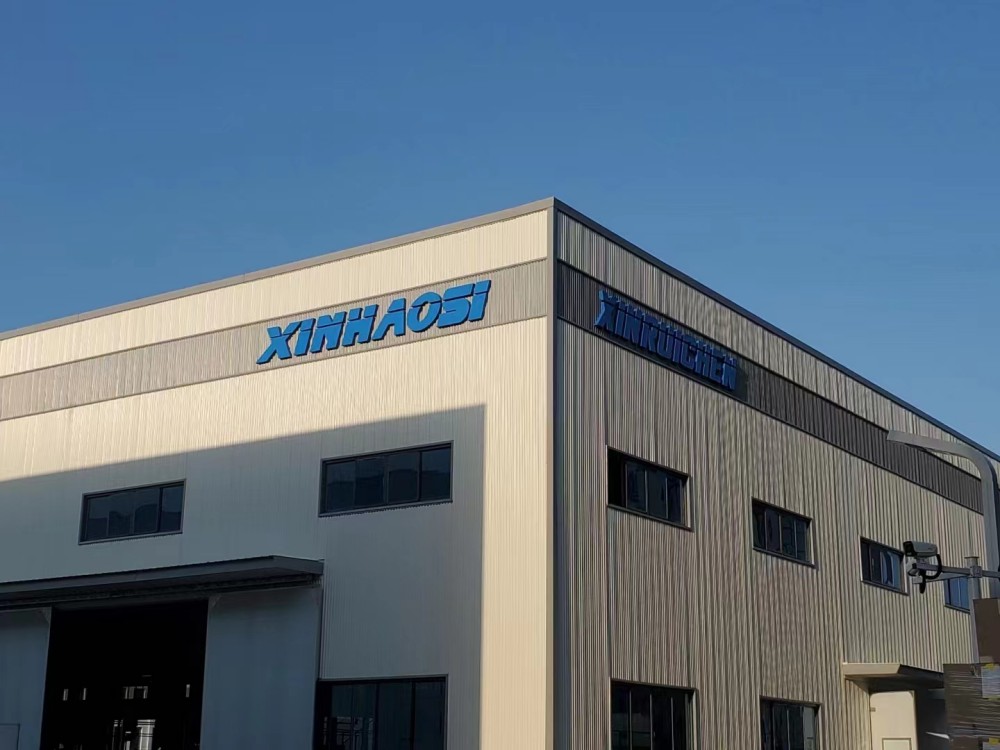
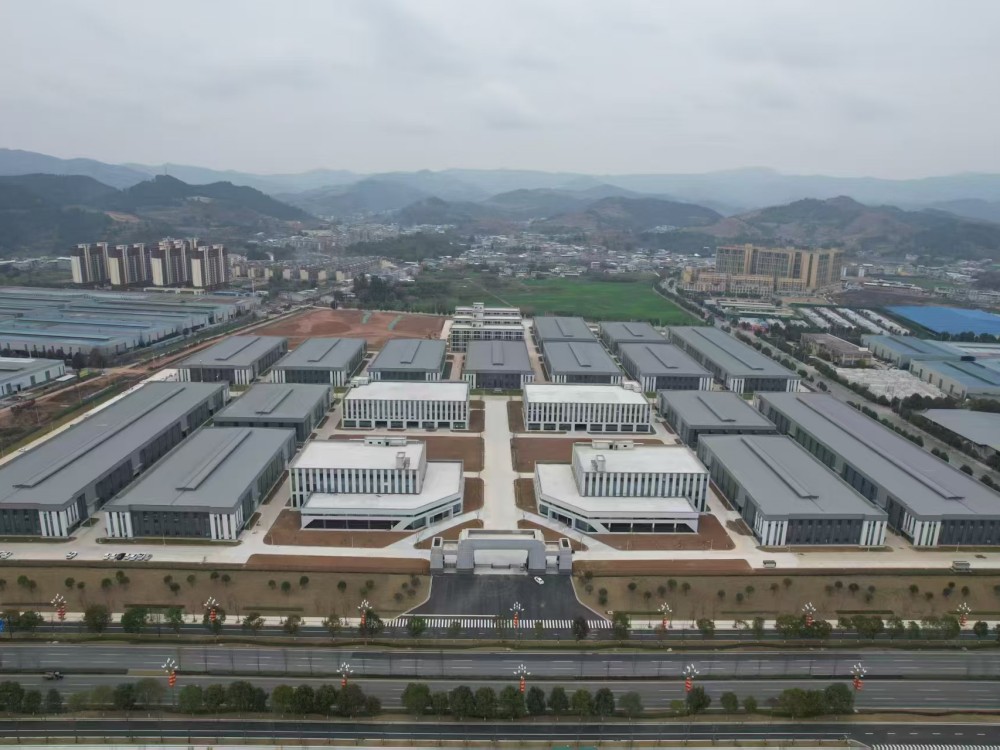
Chengdu Factory & Office

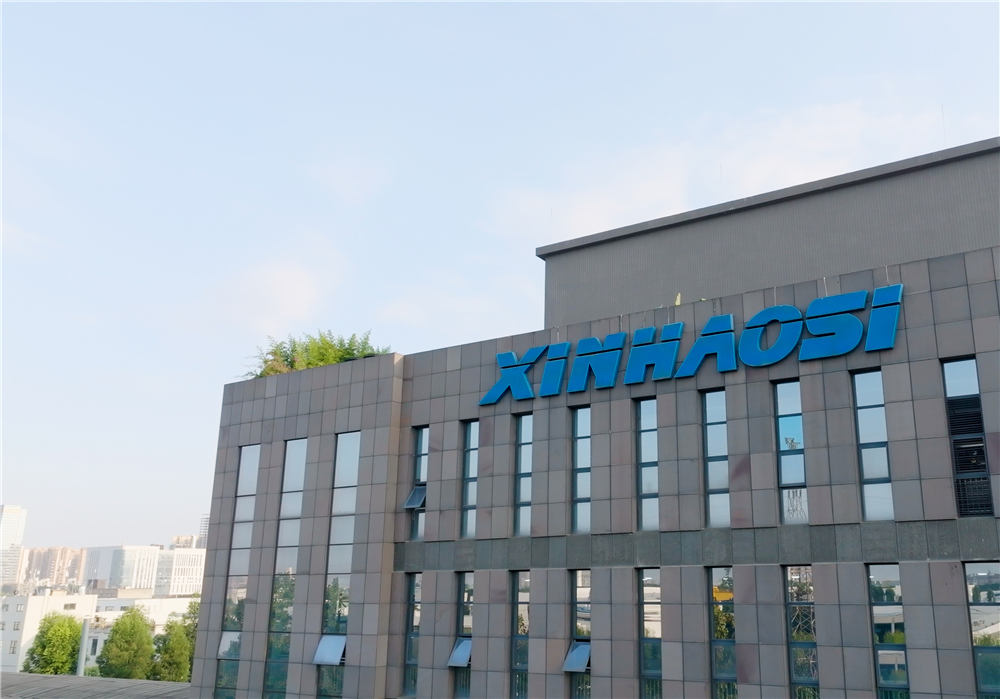
Deyang Factory
Founded in 2003, Xinhaosi is one of the most influential and trusted brands in the global gas safety industry. Over the past two decades, we have steadily built a robust and comprehensive production and service system, which integrates cutting-edge R&D, intelligent manufacturing with advanced automation equipment, digital marketing across global channels, professional after-sales support with an experienced technician team, flexible OEM/ODM services, as well as CNAS-Accredited laboratory calibration services that meet international standards.
Our diversified product portfolio covers industrial & residential gas detection & alarm systems, industrial & household gas solenoid valves, and urban gas pipeline network monitoring systems—all engineered to adapt to complex working environments and strict safety requirements. We produce and sell tens of millions of units annually, catering to a wide range of industries that demand reliable gas detection solutions, including oil & gas exploration and production, petrochemicals, urban gas distribution, automotive manufacturing, pharmaceuticals, new energy, steel production, and beverage processing.
Guided by the core mission of “Making Gas Safety Accessible Everywhere,” we consistently deliver high-performance, reliable products and customized solutions tailored to each client’s unique needs. Every item we manufacture undergoes rigorous quality control tests, and every service we provide is backed by our professional technical team, fully embodying our unwavering commitment to safeguarding gas safety across both industrial workplaces and residential environments, and striving to build a safer world with sustainable gas safety technologies.
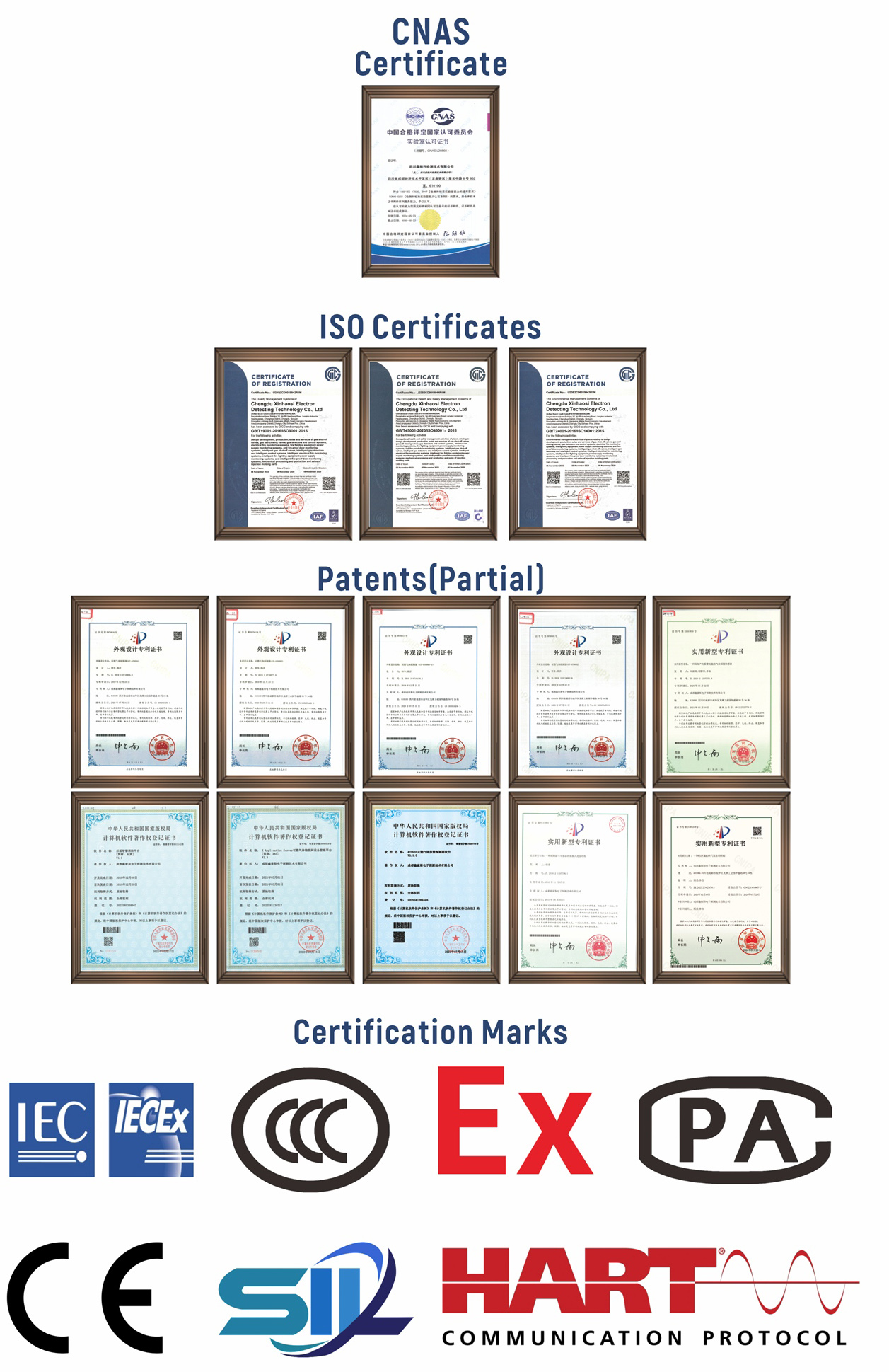
Adhering to ISO9001 quality management system standards, Xinhaosi's core products have obtained a full range of authoritative certifications, including national compulsory Products Certification, explosion-proof certification, fire product certification, CPA measurement instrument type approval certificate, and international approvals as CE, SIL. Additionally, Xinhaosi holds honors such as "National Quality Integrity Benchmark Enterprise" , "National Quality Leading Enterprise in the Gas Alarm Industry," member of the China Fire Protection Association, and the main drafting organization for the national standard of solenoid valves, further confirming its industry influence and reputation.
In the field of intellectual property, Xinhaosi has built a robust innovation system with over 50 patents and software copyrights . These patents cover core technological areas, including a graphical monitoring system for gas detection and alarm, which enables predictive maintenance based on historical data to reduce equipment failure rates by over 30%, and a solenoid valve with flow monitoring functionality that integrates flow detection and alarm capabilities . The company also pioneered China's first networked bus-type gas leakage monitoring system and the only maximum-point gas leakage monitoring system certified by the Ministry of Public Security, demonstrating its leading position in cutting-edge technological research.
Our in-house laboratory is accredited by the China National Accreditation Service for Conformity Assessment (CNAS), recognized both domestically and internationally under the ILAC-MRA framework. It operates in accordance with ISO/IEC 17025, the international standard for testing and calibration laboratories. It provides reliable and traceable testing services for gas detection and alarm products, solenoid valves, and related safety equipment. Test reports issued by the CNAS-accredited laboratory are widely accepted by regulatory authorities, certification bodies, and customers in China and overseas, helping to ensure product quality, safety compliance, and market access.
Years of Safety Innovation
Patents & Soft Copyrights
Reduction in Failure Rates
Annual Units Produced
A history of continuous R&D breakthroughs, international scaling, and infrastructural expansion.

Direct technical answers from our R&D team to assist procurement managers and safety engineers.
Complete your environmental safety loop with our explosion-proof detectors, pressure monitors, and flame detection units.