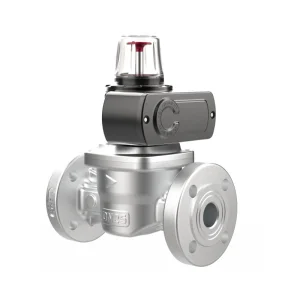
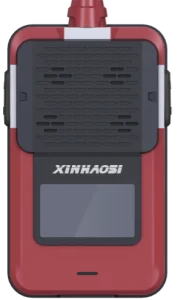
Ex-rated portable gas detectors, networked bus-type transmitter systems, high-speed flame detectors, and emergency shut-off valves certified to global engineering standards.

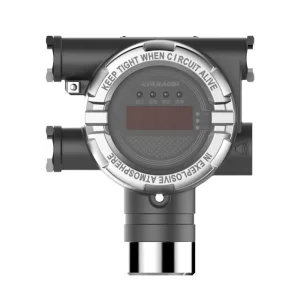
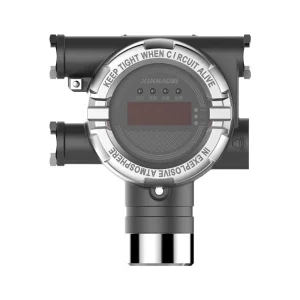
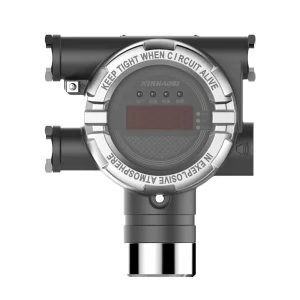
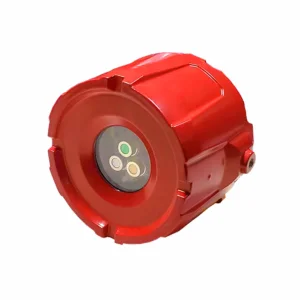

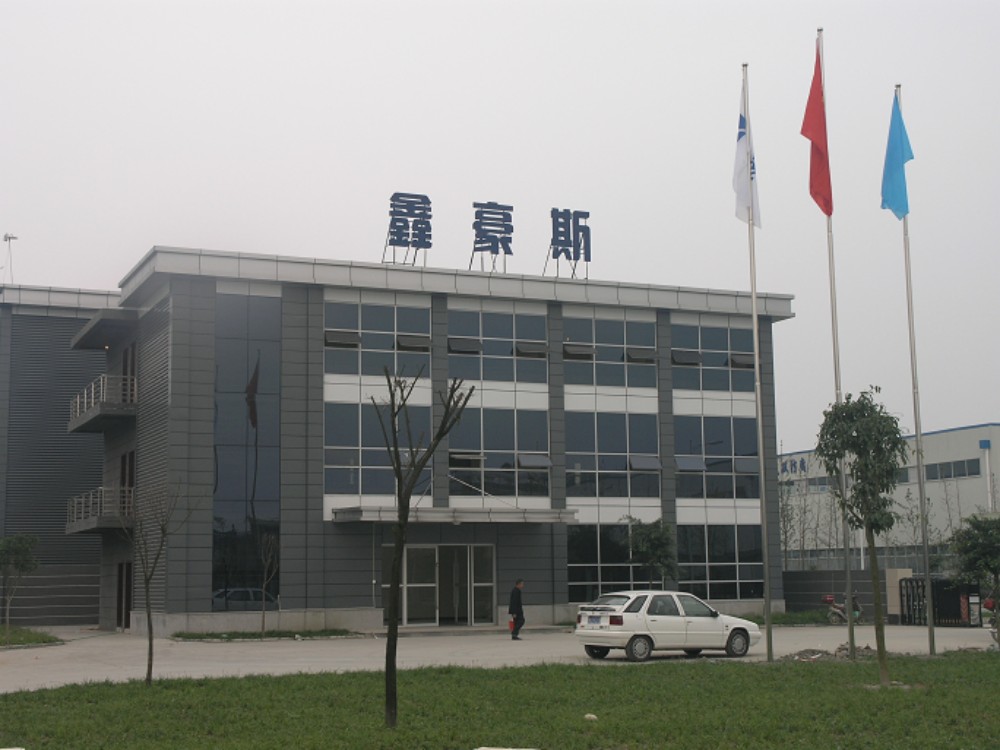
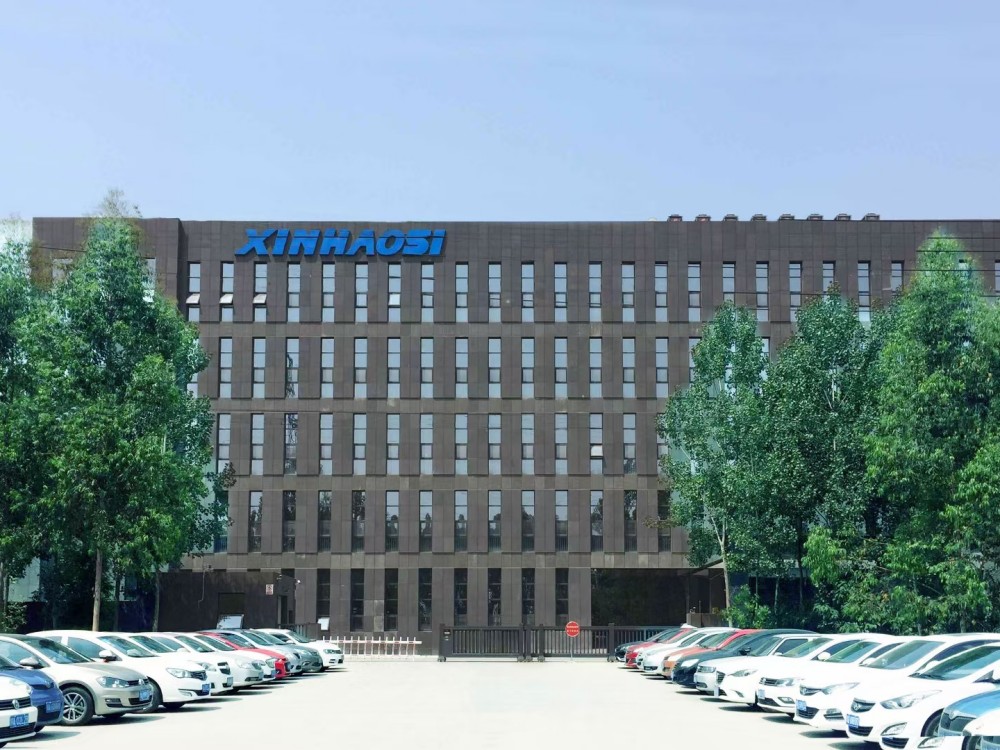
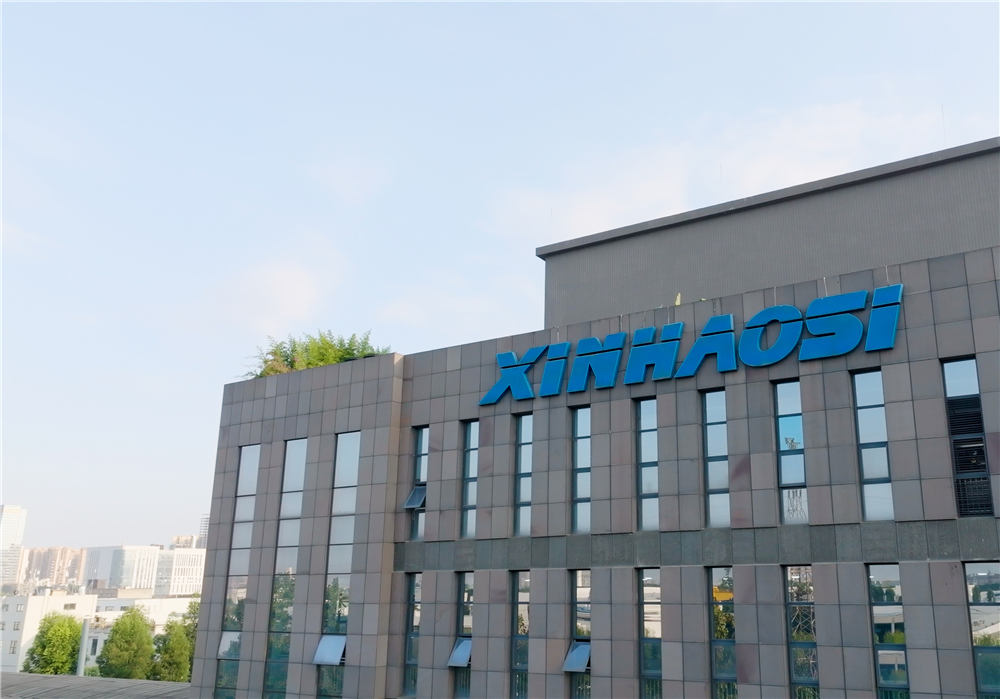
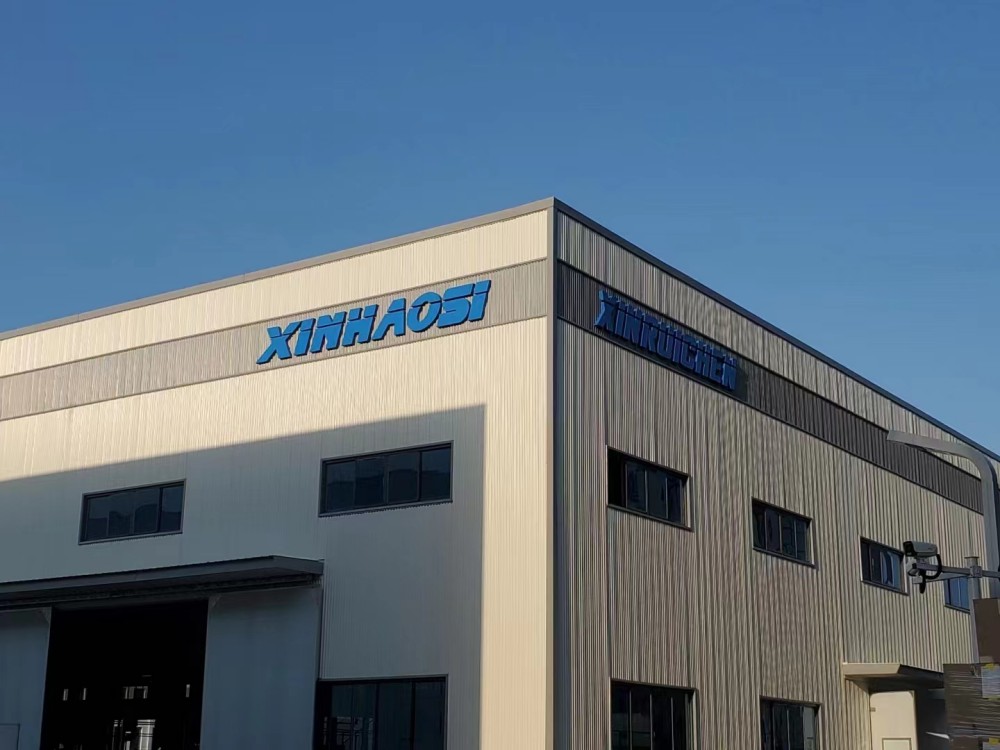
Chengdu R&D Center & Headquarters

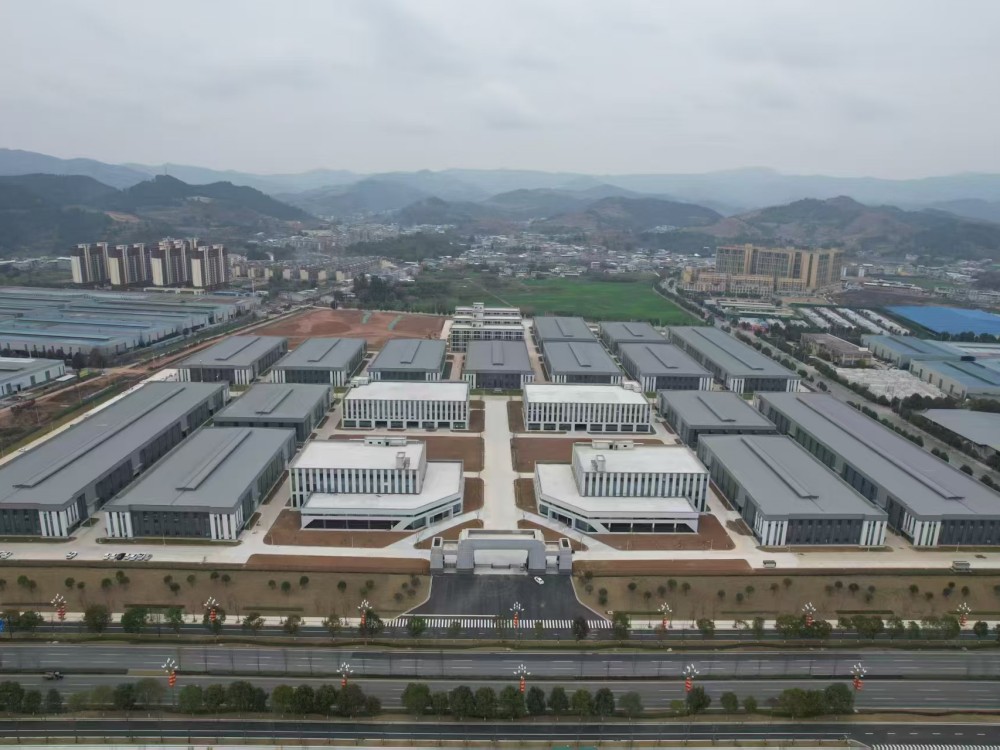
Deyang Intelligent Manufacturing Base
Founded in 2003, Xinhaosi is one of the most influential and trusted brands in the global gas safety industry. Over the past two decades, we have steadily built a robust and comprehensive production and service system, which integrates cutting-edge R&D, intelligent manufacturing with advanced automation equipment, digital marketing across global channels, professional after-sales support with an experienced technician team, flexible OEM/ODM services, as well as CNAS-Accredited laboratory calibration services that meet international standards.
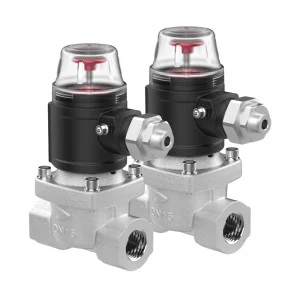
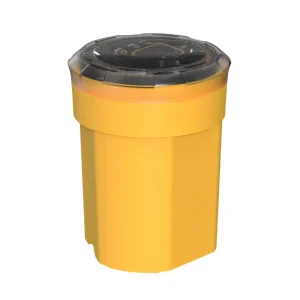
Our diversified product portfolio covers industrial & residential gas detection & alarm systems, industrial & household gas solenoid valves, and urban gas pipeline network monitoring systems—all engineered to adapt to complex working environments and strict safety requirements. We produce and sell tens of millions of units annually, catering to a wide range of industries that demand reliable gas detection solutions, including oil & gas exploration and production, petrochemicals, urban gas distribution, automotive manufacturing, pharmaceuticals, new energy, steel production, and beverage processing.
Guided by the core mission of "Making Gas Safety Accessible Everywhere," we consistently deliver high-performance, reliable products and customized solutions tailored to each client's unique needs. Every item we manufacture undergoes rigorous quality control tests, and every service we provide is backed by our professional technical team, fully embodying our unwavering commitment to safeguarding gas safety across both industrial workplaces and residential environments, and striving to build a safer world with sustainable gas safety technologies.
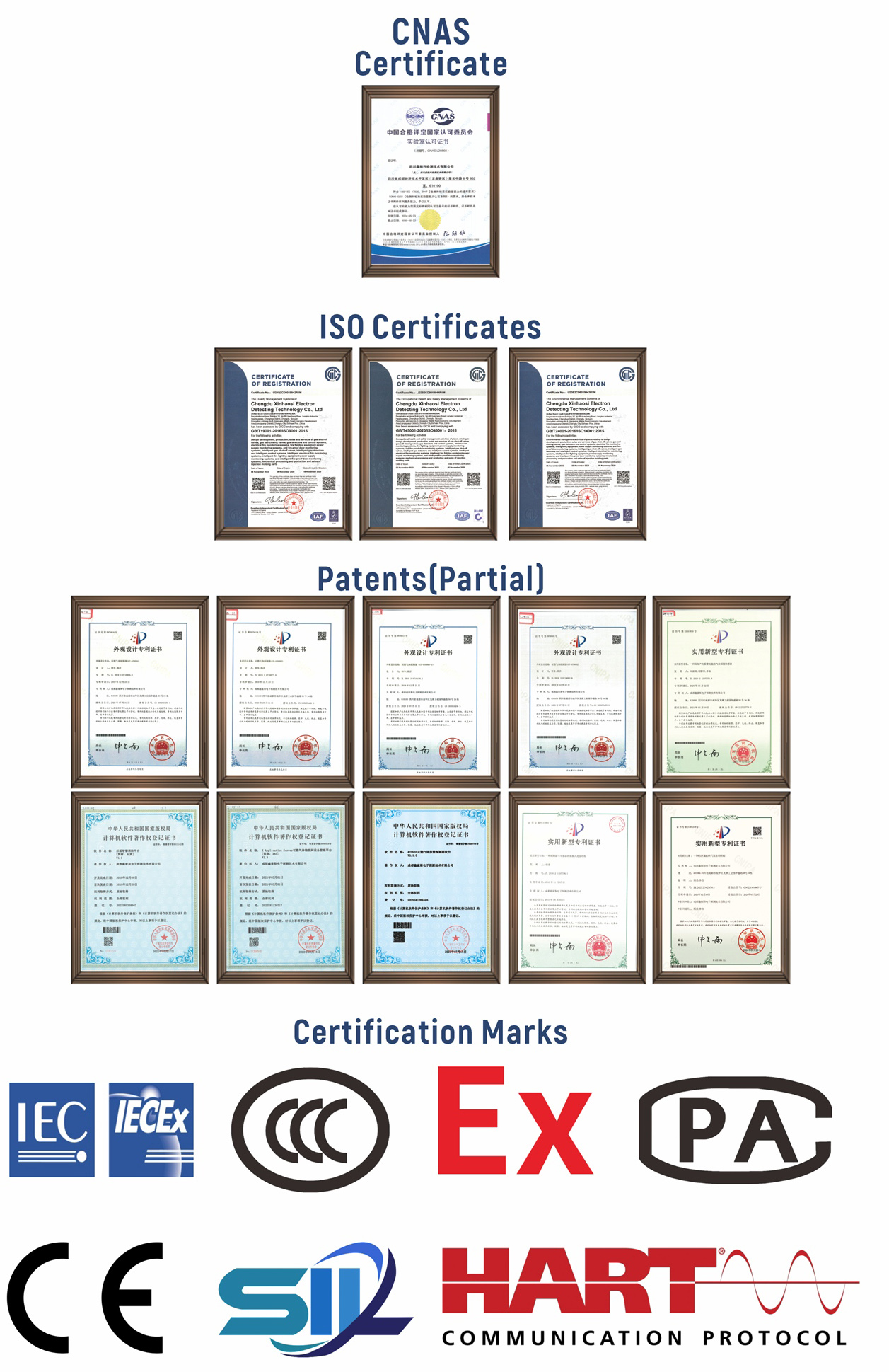
Adhering to ISO9001 quality management system standards, Xinhaosi's core products have obtained a full range of authoritative certifications, including national compulsory Products Certification, explosion-proof certification, fire product certification, CPA measurement instrument type approval certificate, and international approvals as CE, SIL. Additionally, Xinhaosi holds honors such as "National Quality Integrity Benchmark Enterprise", "National Quality Leading Enterprise in the Gas Alarm Industry," member of the China Fire Protection Association, and the main drafting organization for the national standard of solenoid valves, further confirming its industry influence and reputation.
In the field of intellectual property, Xinhaosi has built a robust innovation system with over 50 patents and software copyrights. These patents cover core technological areas, including a graphical monitoring system for gas detection and alarm, which enables predictive maintenance based on historical data to reduce equipment failure rates by over 30%, and a solenoid valve with flow monitoring functionality that integrates flow detection and alarm capabilities. The company also pioneered China's first networked bus-type gas leakage monitoring system and the only maximum-point gas leakage monitoring system certified by the Ministry of Public Security, demonstrating its leading position in cutting-edge technological research.
Our in-house laboratory is accredited by the China National Accreditation Service for Conformity Assessment (CNAS), recognized both domestically and internationally under the ILAC-MRA framework. It operates in accordance with ISO/IEC 17025, the international standard for testing and calibration laboratories. It provides reliable and traceable testing services for gas detection and alarm products, solenoid valves, and related safety equipment. Test reports issued by the CNAS-accredited laboratory are widely accepted by regulatory authorities, certification bodies, and customers in China and overseas, helping to ensure product quality, safety compliance, and market access.
How modern enterprises address risk mitigation, environmental compliance, and plant safety through integrated gas safety systems.
Global procurement teams must adhere to regional directives (ATEX for Europe, IECEx for international markets, and Class/Division systems for North America). Our OEM systems deploy heavy-duty aluminum alloy or stainless steel Ex-d flameproof enclosures, ensuring that internal sparks or explosions cannot ignite the external flammable atmosphere.
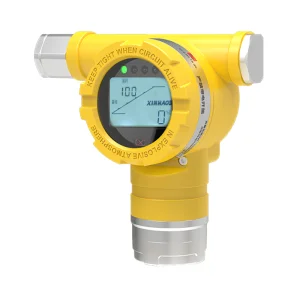
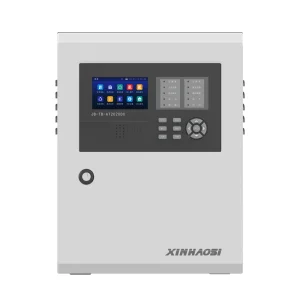
Replacing standard point-to-point analog wiring with RS485 Modbus RTU or M-Bus networks reduces wiring costs by up to 60%. These systems transmit gas concentration data, device fault alerts, and calibration indicators over a single bus, enabling complex multi-channel PLC/DCS integrations.
By offering field-replaceable sensor cartridges (electrochemical, catalytic, infrared, and PID), our instruments dramatically reduce maintenance downtime. Pre-calibrated cartridges can be swapped in the field in under two minutes without requiring full-loop recalibration.
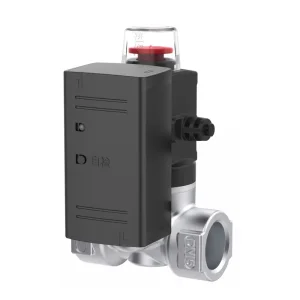
Information Gain Insight: The integration of gas safety valves directly with monitoring loops represents the pinnacle of modern functional safety. In the event of a critical leak, the system does not merely sound an alarm—the intelligent solenoid valves automatically terminate the gas supply upstream, mitigating disaster prior to human intervention.
Over two decades of transitioning from a startup to a global OEM manufacturing force in safety instrumentation.

Understanding the engineering shifts towards predictive safety, edge analytics, and multi-sensor fusion.
Tunable Diode Laser Absorption Spectroscopy (TDLAS) is transforming gas detection by offering zero cross-sensitivity to other gases, long-term calibration stability, and immunity to sensor poisoning. Our R&D focuses on scaling TDLAS down to localized transmitters, enabling rapid, specific methane (CH4) detection across massive industrial complexes.
Traditional electrochemical sensors suffer from signal drift caused by ambient temperature and humidity shifts. Our latest generation of intelligent transmitters runs embedded compensation algorithms that continuously adjust baseline sensor current, extending calibration intervals from 6 months to over 18 months.
In brownfield projects where trenching cables is economically unfeasible, wireless industrial networks (using ISA100.11a, WirelessHART, or LoRaWAN) are bridging the gap. These networks operate on low-power architectures, allowing battery-operated gas detectors to function reliably in hazardous areas for up to 3 years without battery changes.
Navigating safety regulations, functional validation, and CNAS traceable calibrations.
Within chemical processing plants and refineries, environments are divided into zones based on the frequency and duration of the occurrence of an explosive gas atmosphere. Under the ATEX/IECEx directives, Zone 0 requires the highest safety factor (typically requiring intrinsically safe Ex-ia designs), Zone 1 allows flameproof Ex-d, and Zone 2 allows non-sparking Ex-n designs. Purchasing the wrong classification can void insurance and create profound operating risks.
Safety Integrity Level (SIL) indicates the relative level of risk-reduction provided by a safety function. A SIL2 or SIL3 rating is not merely a component certification—it is a mathematical verification of the Probability of Failure on Demand (PFD). Our controllers and detectors undergo strict assessment to guarantee that in critical failure scenarios, the systems will fail-safe, initiating shutdown alarms even if secondary components are compromised.
A gas detector is only as good as its calibration. Our CNAS-accredited calibration laboratory ensures that every gas detector shipped has its measurement accuracy traced back to national standards. This accreditation guarantees that our calibration certificates are legally recognized across international borders, simplifying regulatory audits for your localized engineering compliance.
Integrating digital telemetry, explosion-proof sound & light alarms, and intelligent controller units.
Addressing technical questions regarding sensor calibration, integration protocols, and device lifespans.